Forklifts are among the most essential machines in modern logistics, construction, and industrial operations. While standard forks handle most lifting tasks, many businesses improve productivity by using specialized forklift attachments. These attachments expand the functionality of a forklift, allowing operators to move different types of loads safely and efficiently.
In this article, we explore the most common types of forklift attachments and their applications across industries.
What Are Forklift Attachments?
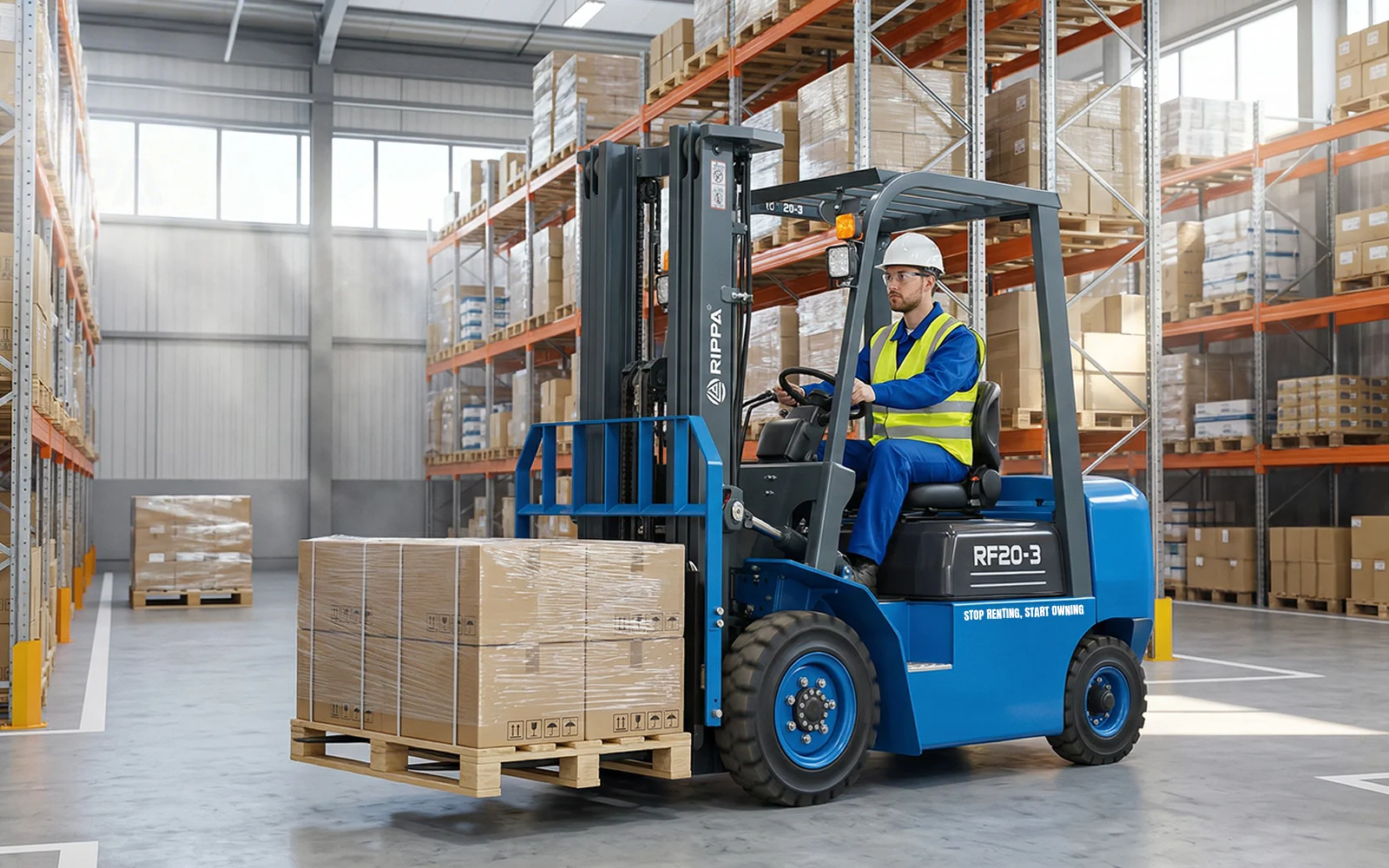
Forklift attachments are additional tools mounted to the front of a forklift in place of—or in addition to—the standard forks. They are designed to help forklifts handle unique materials, irregular loads, or specialized tasks.
By selecting the right attachment, companies can:
-
●Increase productivity
-
●Improve workplace safety
-
●Reduce manual labor
-
●Expand the forklift’s capabilities
Industries such as warehousing, agriculture, manufacturing, construction, and logistics often rely on forklift attachments to improve operational efficiency.
Common Types of Forklift Attachments
1. Fork Positioners
Fork positioners allow operators to adjust the spacing between forks hydraulically without leaving the cab.
Applications:
-
●Warehouses handling pallets of different sizes
-
●Logistics centers with varying cargo dimensions
-
●Manufacturing plants with diverse product packaging
This attachment saves time by eliminating manual fork adjustments.
2. Side Shifters
A side shifter enables the forklift carriage to move left or right.
Benefits:
-
●Precise pallet placement
-
●Faster loading and unloading
-
●Reduced forklift repositioning
Common industries:
-
●Distribution centers
-
●Retail warehouses
-
●Shipping ports
Side shifters are one of the most widely used forklift attachments.
3. Bale Clamps
Bale clamps are designed to handle compressed materials such as cotton, paper, or textiles without pallets.
Typical uses:
-
●Paper mills
-
●Recycling plants
-
●Textile manufacturing facilities
They securely grip large bales and reduce the need for palletized transport.
4. Drum Handlers
Drum handlers allow forklifts to safely lift and transport industrial drums containing chemicals, oil, or liquids.
Key applications:
-
●Chemical factories
-
●Oil and lubricant warehouses
-
●Food processing plants
These attachments help prevent spills and improve operator safety.
5. Carton Clamps
Carton clamps are used for handling boxed goods without pallets.
Industries that benefit:
-
●Appliance manufacturing
-
●Electronics distribution
-
●Beverage packaging
They reduce packaging costs because pallets are not required.
6. Rotators
Forklift rotators allow loads to rotate up to 360 degrees.
Common uses include:
-
●Dumping bins in agriculture
-
●Recycling material handling
-
●Food processing
Rotators help automate dumping processes and reduce manual handling.
7. Fork Extensions
Fork extensions are sleeves that fit over standard forks to increase their length.
A legjobb:
-
●Large pallets
-
●Long loads
-
●Lightweight bulky materials
They are commonly used in construction sites and lumber yards.
Benefits of Using Forklift Attachments
Companies that adopt forklift attachments gain several advantages:
Increased Versatility
A single forklift can perform multiple tasks with different attachments, reducing the need for additional equipment.
Higher Efficiency
Attachments allow operators to move specialized loads faster and more safely.
Reduced Labor Costs
Handling large or unusual loads manually can be dangerous and time-consuming. Attachments automate these tasks.
Improved Safety
Specialized tools help stabilize loads and reduce the risk of accidents.
How to Choose the Right Forklift Attachment
Selecting the best forklift attachment depends on several factors:
1. Load type
Consider whether you handle pallets, drums, bales, or irregular objects.
2. Weight capacity
Ensure the attachment does not reduce the forklift’s safe lifting capacity beyond acceptable limits.
3. Industry requirements
Different industries require specific attachments to improve productivity.
4. Compatibility
Always confirm that the attachment is compatible with your forklift model.
Future Trends in Forklift Attachments
As automation and smart logistics continue to evolve, forklift attachments are becoming more advanced. Some emerging trends include:
-
●Smart attachments with sensors
-
●Automated load handling systems
-
●Electric and energy-efficient hydraulic attachments
These innovations help businesses improve safety and efficiency in increasingly automated warehouses.
Következtetés
Forklift attachments play a crucial role in improving the versatility and productivity of forklifts. From side shifters and fork positioners to bale clamps and rotators, each attachment is designed to handle specific materials and operational needs.
By choosing the right forklift attachments, businesses can increase efficiency, reduce labor costs, and improve safety in material handling operations.
 Home
Home
 Termékek
 E-mail
 WhatsApp

