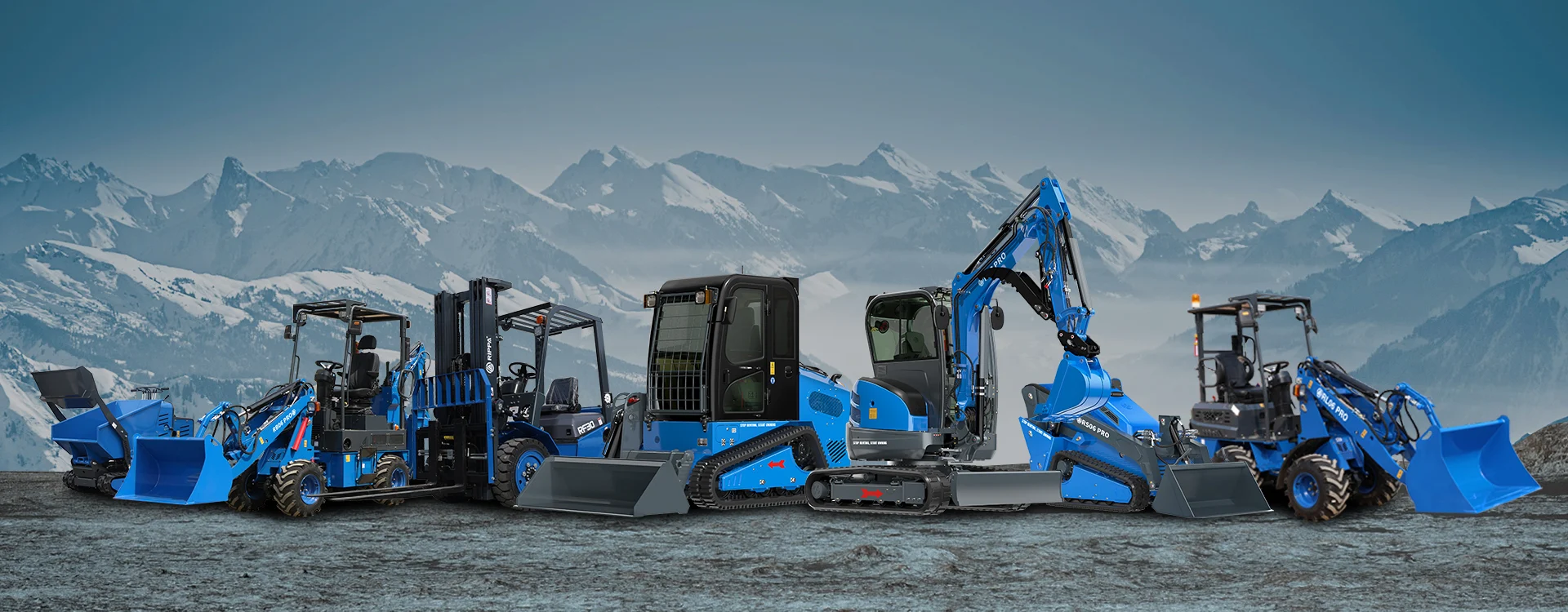
For equipment companies seeking a new compact machinery line, the decision to become a skid steer loader dealer should be based on product-market fit and long-term support. Skid steer loaders can serve several customer groups, while attachments and service create opportunities beyond the initial machine sale. RIPPA dealership discussions are designed for businesses that want to develop local sales and customer support rather than make an isolated purchase.
One Machine Category, Multiple Customer Segments
Skid steer loaders are used where compact dimensions, maneuverability, and attachment versatility matter. Contractors use them for loading, grading, site preparation, and cleanup. Landscapers need machines for soil, pallets, trenching, and property improvements. Agricultural users handle feed, materials, manure, and maintenance work. Rental businesses can serve all these groups with a carefully selected fleet.
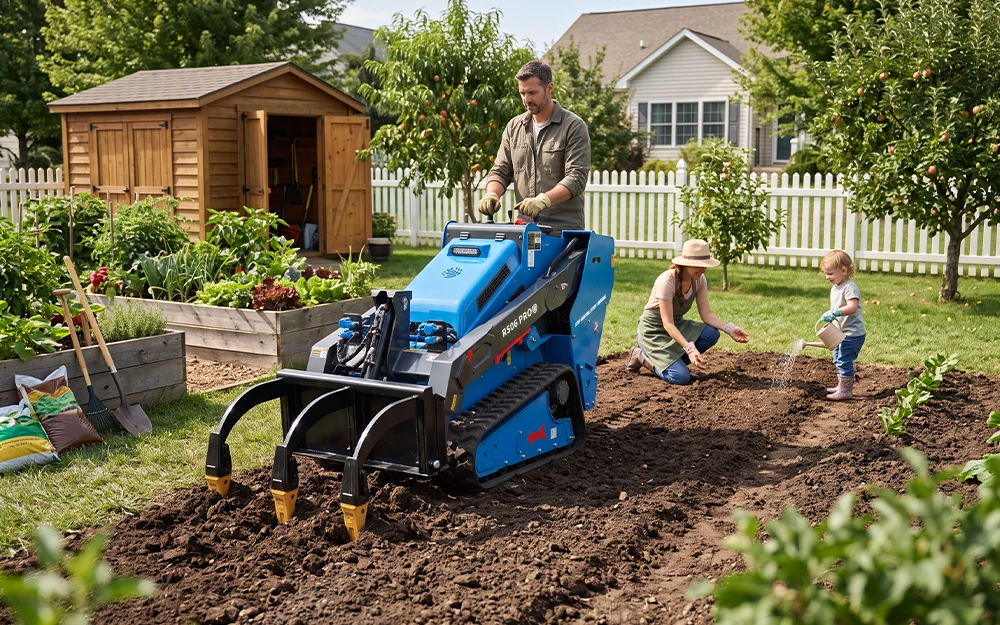
This range of applications can reduce dependence on one industry. It also allows a dealer to create application packages, such as a loader with a bucket and forks for farms or a loader with earthmoving attachments for contractors. Each package should be based on verified compatibility and the needs of local buyers.
What Dealers Should Expect from a Manufacturer
A dealer relationship should provide more than a price list. Dealers need current product literature, parts identification, service communication, warranty procedures, sales training, shipment visibility, and clear contacts for technical questions. Marketing materials can help generate attention, but local demonstrations, customer follow-up, and service response turn inquiries into durable accounts.
Prospective RIPPA dealers should ask which loaders and attachments are currently available for their market, where parts will be supplied from, how claims are submitted, and which documents accompany each model. Certification and engine requirements vary by destination, so compliance must be verified for the exact machine and region before import or resale.
How Local Dealers Create an Advantage
Local knowledge is the dealer’s strongest asset. A manufacturer can supply machines and technical resources, but the dealer understands local jobs, soil conditions, transport practices, seasonal demand, financing expectations, and customer concerns. Use that knowledge to select stock, plan demonstrations, and explain total ownership value.
Fast communication is equally important. Record every delivered machine, maintain a basic parts plan, schedule post-delivery contact, and give operators clear maintenance guidance. When a problem occurs, accurate photos, serial information, and service notes can shorten diagnosis and reduce downtime.
Start the RIPPA Dealer Conversation
Prepare your registered company details, website, service coverage, proposed sales territory, customer segments, and expected investment timeline. RIPPA can use this information to evaluate cooperation and discuss product selection, initial inventory, training, logistics, parts, warranty, and regional availability.
Businesses ready to become a skid steer loader dealer should approach the opportunity as a complete sales-and-support operation. Contact RIPPA to confirm the current dealer terms for your country and determine whether the available product line fits your local market.
 Home
Home
 Termékek
 E-mail
 WhatsApp

