Introduction
Buying construction equipment is an important business decision.
Customers may compare prices online, review product specifications, and contact several suppliers before choosing a machine.
However, the purchasing experience involves more than finding a competitive price.
Equipment availability, demonstrations, transportation, spare parts, and after-sales support can also influence purchasing decisions.
This creates an opportunity for local equipment dealers to differentiate themselves from sellers that rely mainly on online listings.
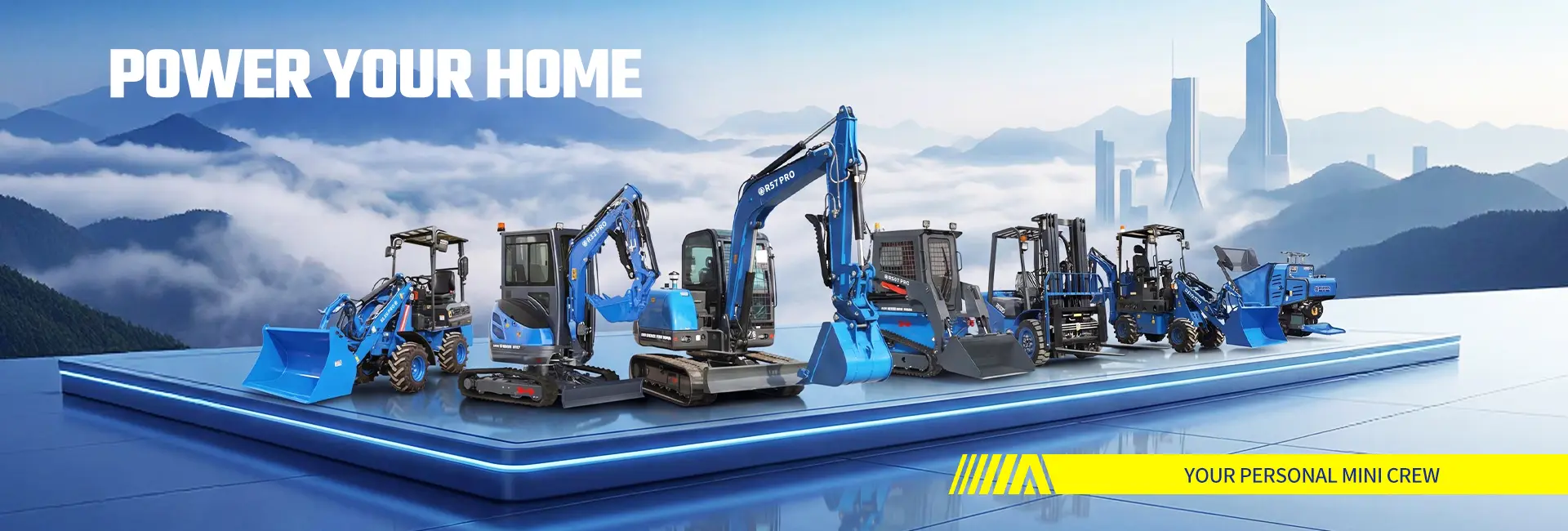
1. What Does a Local Equipment Dealer Offer?
A local dealer may provide:
- Equipment displays
- Product demonstrations
- Local customer communication
- Equipment delivery
- Parts sales
- Maintenance arrangements
- Technical support
The exact services vary by dealership.
2. Why Is Physical Inventory Important?
Customers may want to see a machine before purchasing.
A physical equipment display can help them evaluate:
- Overall dimensions
- Machine configuration
- Operator access
- Available attachments
- General build and finish
A dealer with available stock may also provide clearer delivery arrangements.
3. Why Are Equipment Demonstrations Valuable?
Demonstrations allow potential buyers to understand how a machine operates.
Customers may want to observe:
- Travel movement
- Digging functions
- Loading performance
- Attachment compatibility
- Operator controls
Demonstration availability depends on the dealer’s inventory and local arrangements.
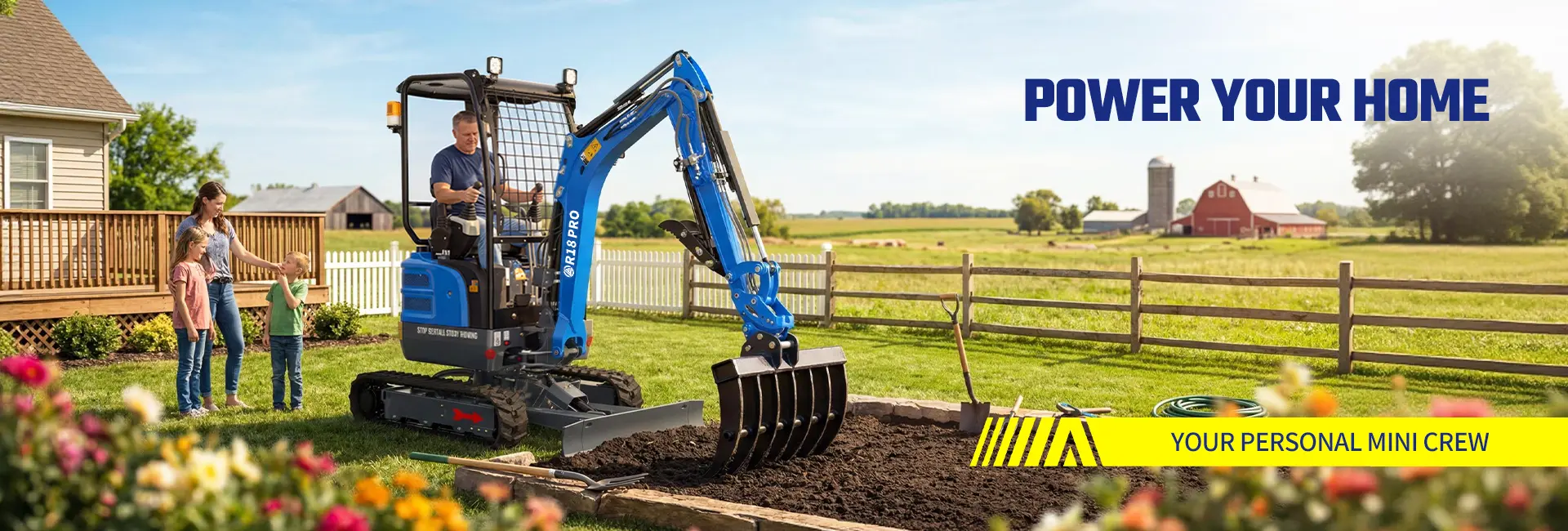
4. Why Does Local Parts Support Matter?
Equipment owners need maintenance and replacement components throughout the machine’s service life.
A local dealer may help customers identify parts and arrange suitable service support.
This is particularly relevant for rental businesses and contractors who depend on equipment availability.
5. How Can Equipment Dealers Build Customer Trust?
A professional dealership should communicate clearly about:
- Product specifications
- Available inventory
- Delivery timing
- Warranty conditions
- Parts availability
- Service responsibilities
Real photographs of equipment, premises, customer deliveries, and service activities can help establish credibility.
6. Can Online Sales and Local Dealerships Work Together?
Yes.
A dealer can use its website and digital marketing to attract customers, while its local business operation supports product demonstrations, delivery, and after-sales communication.
This combination can provide a more complete customer experience.
7. What Should Machinery Dealers Invest In?
Consider:
- A professional website
- Product photographs
- Equipment display areas
- Sales staff
- Inventory records
- Customer follow-up
- Parts and service arrangements
The investment level should match the size and goals of the business.
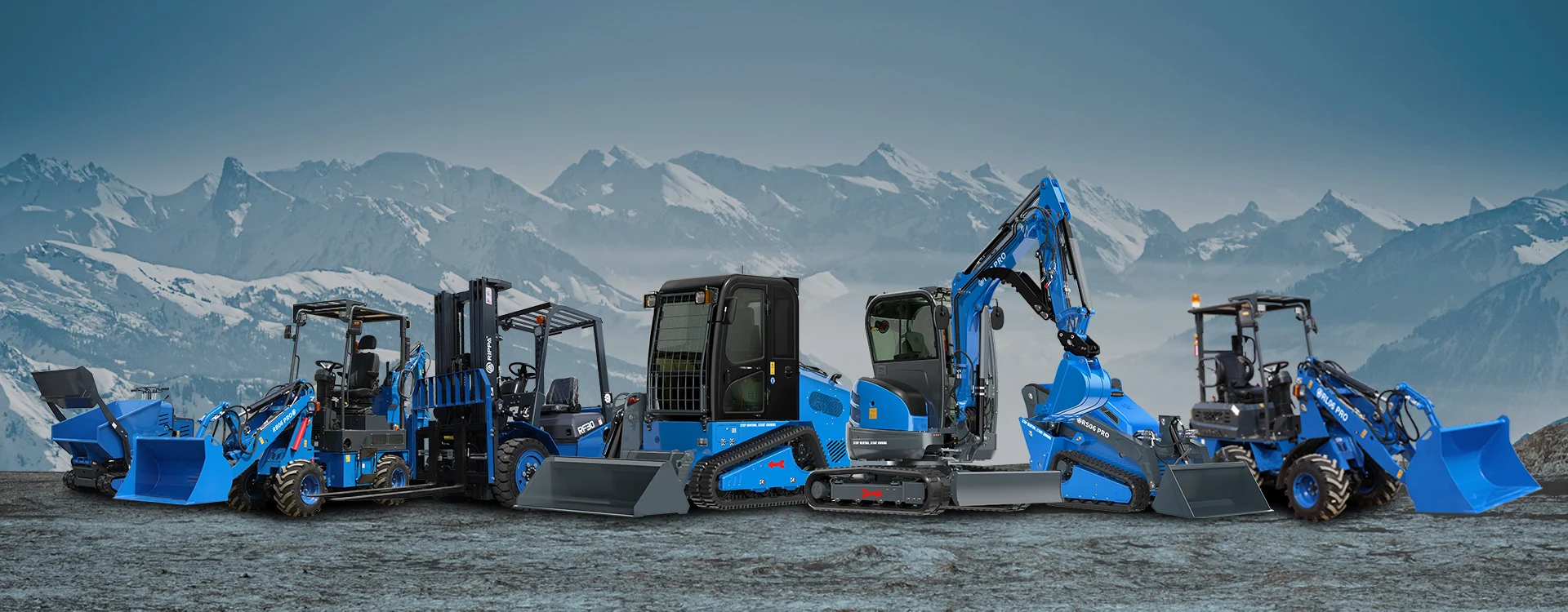
8. Explore a Local Dealership Opportunity with RIPPA
RIPPA works with businesses interested in developing compact construction equipment markets.
Potential dealers can explore product availability, wholesale purchasing, regional opportunities, and support arrangements.
A local dealership can help connect the manufacturer’s product range with customers in its own market.
Frequently Asked Questions
Is buying from a local equipment dealer better than buying online?
It depends on the buyer’s requirements. Local dealers may provide demonstrations, delivery coordination, parts assistance, and direct communication.
Do local equipment dealers need to stock machines?
Inventory requirements depend on the dealership model and supplier agreement.
Why do equipment buyers request demonstrations?
Demonstrations help buyers understand machine operation and evaluate whether the equipment fits their applications.
Can a dealer sell equipment through its website?
Yes. Online marketing can complement a physical dealership and help attract customers.
Conclusion
Local equipment dealers play an important role in connecting machinery manufacturers with regional customers.
Inventory, demonstrations, delivery, parts, and customer support can help distinguish a professional dealership.
For existing machinery businesses, building a stronger local equipment operation may create opportunities to expand their customer base.
Explore a RIPPA dealership partnership and evaluate how compact machinery can complement your local business.
 Home
 Products
 Email
 WhatsApp

