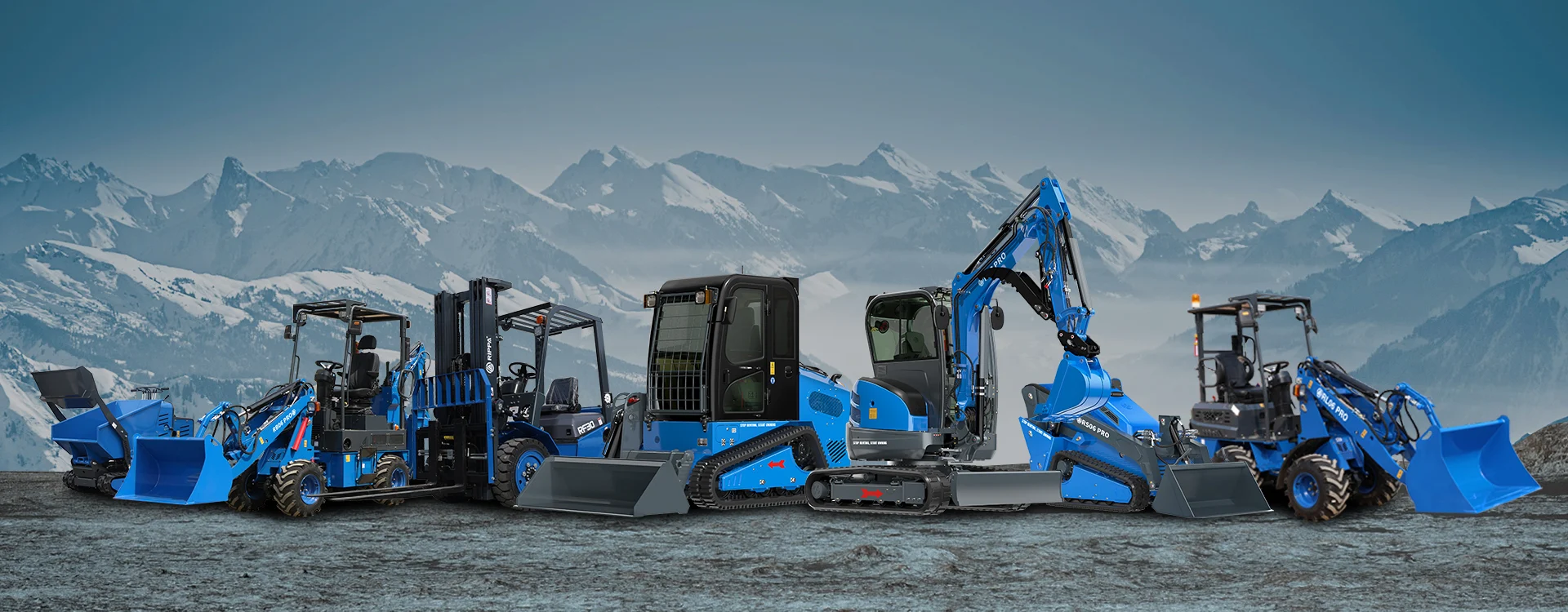
Finding the right skid steer loader dealer is about more than finding a machine at a competitive price. Contractors, landscapers, farmers, rental companies, and equipment businesses need a supplier that can support the entire equipment lifecycle—from selecting the right skid steer loader and attachments to parts supply, maintenance, and after-sales service.
For buyers searching for a skid steer loader dealer, the most important questions are usually straightforward:
- Where can I find a reliable skid steer loader dealer?
- Does the dealer have the right machines for my applications?
- Are attachments and replacement parts available?
- Can the dealer provide local service and technical support?
- Is the supplier suitable for wholesale or dealership cooperation?
- Can I buy directly from a skid steer loader manufacturer?
A professional dealer should be able to answer these questions clearly.
What Does a Skid Steer Loader Dealer Do?
A skid steer loader dealer connects equipment manufacturers with customers in a specific market or region. Depending on the business model, a dealer may provide new equipment sales, used equipment, attachments, spare parts, demonstrations, maintenance, technical support, and warranty assistance.
For end users, the dealer is often the first point of contact before and after purchasing a machine.
For equipment businesses, a dealer relationship can be more extensive. A dealer may purchase machines in wholesale quantities, maintain local inventory, develop regional customers, provide service, and represent a manufacturer’s brand in a defined market.
This makes dealer support an important part of the overall purchasing decision.
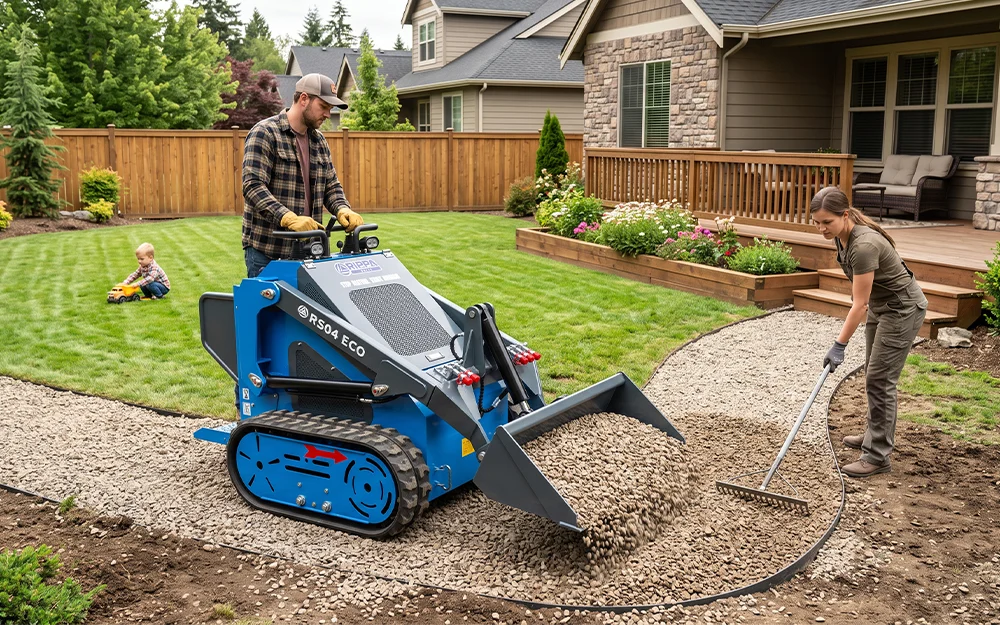
What Should You Look for in a Skid Steer Loader Dealer?
Not every dealer provides the same level of product and service support. Before purchasing a skid steer loader, consider several factors.
1. Product Selection
A good dealer should understand the different requirements of construction, landscaping, agriculture, material handling, property maintenance, and other applications.
The machine should be selected according to the actual job rather than price alone.
For example, customers may need different configurations depending on:
- Jobsite conditions
- Material being handled
- Available operating space
- Required lifting performance
- Transporto reikalavimai
- Hydraulic attachment requirements
- Kasdienis darbo laikas
A dealer with a broader equipment portfolio may also be able to recommend different configurations as your business grows.
2. Attachments and Compatibility
Attachments are a major part of skid steer loader ownership.
A single skid steer can support different applications when paired with compatible attachments such as:
- Kibirai
- Padėklų šakės
- Sraigtiniai grąžtai
- Tranšėjos
- Griebtuvai
- Šlavimo mašinos
- Blades
- Krūmapjovės
- Hydraulic breakers
However, attachment compatibility should not be assumed. Hydraulic flow, attachment interface, machine capacity, and the intended application should be checked for the specific machine and attachment combination.
A dealer that understands both the machine and attachment requirements can help customers avoid purchasing equipment that does not match their actual operating needs.
3. Spare Parts Availability
Parts support is one of the most important factors when evaluating a skid steer loader dealer.
A machine can generate revenue only when it is available for work. When a maintenance or repair issue occurs, customers need a practical process for identifying, ordering, and receiving replacement parts.
Before buying, ask the dealer:
- Which parts are commonly stocked?
- How are parts identified?
- How can replacement parts be ordered?
- Where are parts shipped from?
- Who provides technical assistance?
- How are warranty-related parts handled?
A clear parts process can be particularly important for contractors and rental companies that depend on equipment availability.
4. Service and Technical Support
Dealer support should continue after the machine is delivered.
A professional dealer should be able to provide or coordinate maintenance information, troubleshooting assistance, service documentation, and warranty procedures.
Manufacturer and dealer support can also affect long-term ownership. Equipment buying guidance from major manufacturers similarly emphasizes maintenance access, parts availability, and dealer service capabilities when evaluating compact loaders.
For businesses operating several machines, having a consistent service channel can make equipment management easier.
Local Skid Steer Loader Dealer vs. Direct Manufacturer
When searching for a skid steer loader dealer near me, customers may find local dealers, distributors, importers, used-equipment sellers, and manufacturers.
Each business model can serve a different purpose.
Local Dealer
A local dealer may offer:
- Local inventory
- Equipment demonstrations
- Face-to-face communication
- Local service
- Replacement parts
- Application advice
This can be useful for customers who want nearby support.
Platintojas
A distributor typically operates on a larger regional level. A distributor may supply equipment to dealers or resellers and can manage inventory and logistics across a broader territory.
Direct Manufacturer
Buying directly from a skid steer loader manufacturer can be particularly relevant for equipment companies interested in wholesale purchasing or dealership cooperation.
Instead of purchasing a single machine for personal use, a dealer or distributor may be looking for:
- Wholesale pricing
- Multiple-machine orders
- Product selection
- Branding support
- Dealer territory cooperation
- Parts supply
- Technical documentation
- Marketing support
- Long-term supply
The right purchasing channel therefore depends on whether you are an end user, fleet buyer, reseller, dealer, or distributor.
How to Choose a Skid Steer Loader Dealer for Business
For contractors and equipment companies, the purchase price is only one part of the total business calculation.
A more useful approach is to evaluate the complete supplier relationship.
Product
Does the supplier offer machines that match the applications in your market?
Inventory
Can the dealer provide the machine within the timeframe your customers require?
Parts
Are replacement parts accessible and easy to identify?
Service
Can technical questions and maintenance problems be handled efficiently?
Priedai
Can customers purchase compatible attachments from the same supplier?
Logistics
Does the supplier have a clear process for transportation, documentation, and delivery?
Commercial Terms
For wholesale customers and dealers, clarify minimum order quantities, payment terms, lead times, territory policies, and warranty responsibilities before placing an order.
These factors can have a greater long-term impact than simply comparing two machine prices.
Skid Steer Loader Dealer Opportunities
Svetainė skid steer loader dealer business can also be relevant for companies that already sell construction or agricultural equipment.
Businesses selling mini excavators, wheel loaders, tractors, forklifts, or other compact machinery may already have customers who need skid steer loaders.
For example, a landscaping contractor may use a mini excavator for digging and a skid steer loader for material handling, grading, site preparation, or attachment-based work.
Adding skid steer loaders can therefore allow an established equipment business to expand its product portfolio.
A dealership does not necessarily need to start with a large number of models. A more practical approach is to identify the most common applications in the target market, select suitable machines and attachments, test local demand, and then expand inventory based on actual sales data.
What Should a New Skid Steer Dealer Ask a Manufacturer?
If you are looking to become a skid steer loader dealer, speak with the manufacturer before making a large inventory commitment.
Important questions include:
- What skid steer loader models are available?
- What applications are the machines designed for?
- Which attachments are compatible?
- What are the wholesale purchasing requirements?
- Is a trial order available?
- What are the normal production and shipping arrangements?
- Where are spare parts supplied from?
- What technical documentation is provided?
- How are warranty claims handled?
- Is territory cooperation available?
- What marketing materials are provided?
- What support is available after the first order?
These questions help determine whether the manufacturer is prepared to support a dealer relationship rather than simply sell individual machines.
Current dealer programs in the compact equipment market commonly emphasize a combination of product selection, attachments, training, territory support, parts, and service rather than equipment pricing alone.
Why Parts and After-Sales Support Matter
A skid steer loader is a working machine, not simply a one-time purchase.
Customers may operate their machines every day on construction sites, farms, landscaping projects, rental fleets, and property maintenance jobs. Maintenance requirements and unexpected repairs are therefore part of normal equipment ownership.
For this reason, the relationship between the customer and skid steer loader dealer often continues for years after the initial sale.
A strong dealer support system should connect:
Machine → Attachments → Parts → Service → Technical Support → Repeat Purchase
This lifecycle approach is particularly important for dealers building a local customer base.
A dealer that can support customers after delivery has more opportunities to generate repeat equipment sales, attachment sales, parts sales, and fleet expansion.
Skid Steer Loader Dealer for Wholesale Buyers
Wholesale buyers have different requirements from individual equipment users.
A contractor may need one machine.
A dealer may need several machines for inventory.
A distributor may need a long-term supply relationship covering an entire region.
For wholesale purchasing, evaluate:
- Factory capacity
- Product consistency
- Order quantities
- Shipping options
- Lead times
- Spare parts
- Documentation
- Warranty procedures
- Marketing support
- Dealer cooperation
The objective is not simply to find a low-cost skid steer loader. The objective is to establish a supply chain that can support local customers.
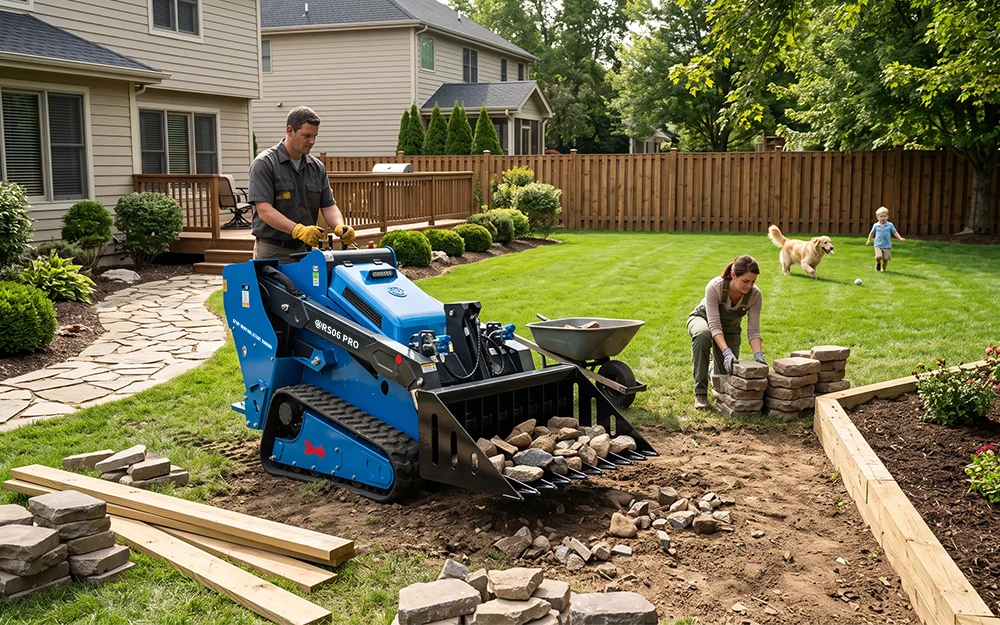
Why Choose RIPPA as a Skid Steer Loader Supplier?
RIPPA works with equipment businesses looking for construction machinery and dealer opportunities in international markets.
For companies interested in becoming a skid steer loader dealer, the cooperation discussion can cover product selection, order planning, parts support, logistics, marketing, and regional market development.
RIPPA’s dealer-oriented approach focuses on establishing a longer-term relationship between the manufacturer and local equipment businesses rather than treating every order as an isolated transaction.
Before starting cooperation, dealers should provide information about their target market, existing equipment business, customer base, expected sales channels, and service capabilities. This allows the product mix and cooperation structure to be discussed around actual market requirements.
Frequently Asked Questions About Skid Steer Loader Dealers
What is a skid steer loader dealer?
A skid steer loader dealer sells and supports skid steer loaders for customers in a local or regional market. Depending on the dealer, services may include equipment sales, attachments, parts, maintenance, demonstrations, and technical support.
How do I find a skid steer loader dealer near me?
Search for a local dealer by brand, city, ZIP code, or service area. When comparing dealers, check equipment availability, service capabilities, parts support, attachments, and customer support rather than relying only on location.
Can I become a skid steer loader dealer?
Yes. Equipment companies, construction machinery businesses, agricultural equipment dealers, rental companies, and machinery distributors may explore dealership opportunities with manufacturers. The requirements depend on the manufacturer’s dealer program.
Can I buy skid steer loaders directly from a manufacturer?
Yes. Some manufacturers work directly with distributors, wholesalers, and dealers. Direct purchasing may be particularly relevant for businesses planning multiple-machine orders or establishing a local dealership.
What should a skid steer loader dealer provide?
A dealer may provide equipment sales, attachments, replacement parts, service, technical support, warranty assistance, and application advice. The exact services vary by dealer and market.
Are attachments important when choosing a skid steer dealer?
Yes. Attachments significantly expand the applications of a skid steer loader. Buyers should confirm attachment compatibility and hydraulic requirements before purchasing.
Final Considerations
Choosing a skid steer loader dealer should involve more than comparing machine prices.
For end users, focus on product suitability, local service, parts availability, attachments, and support.
For dealers and distributors, also evaluate wholesale terms, inventory planning, logistics, manufacturer support, territory policies, and long-term cooperation.
The most useful question is therefore not simply “Where can I buy a skid steer loader?”
It is:
“Which dealer or manufacturer can support my machine, my customers, and my business after the sale?”
For equipment companies looking for a skid steer loader dealer program, wholesale skid steer loaders, or manufacturer-direct supply, discussing the target market and expected business model with the manufacturer is a practical first step.
 Pagrindinis
 Produktai
 El. paštas
 "WhatsApp"

