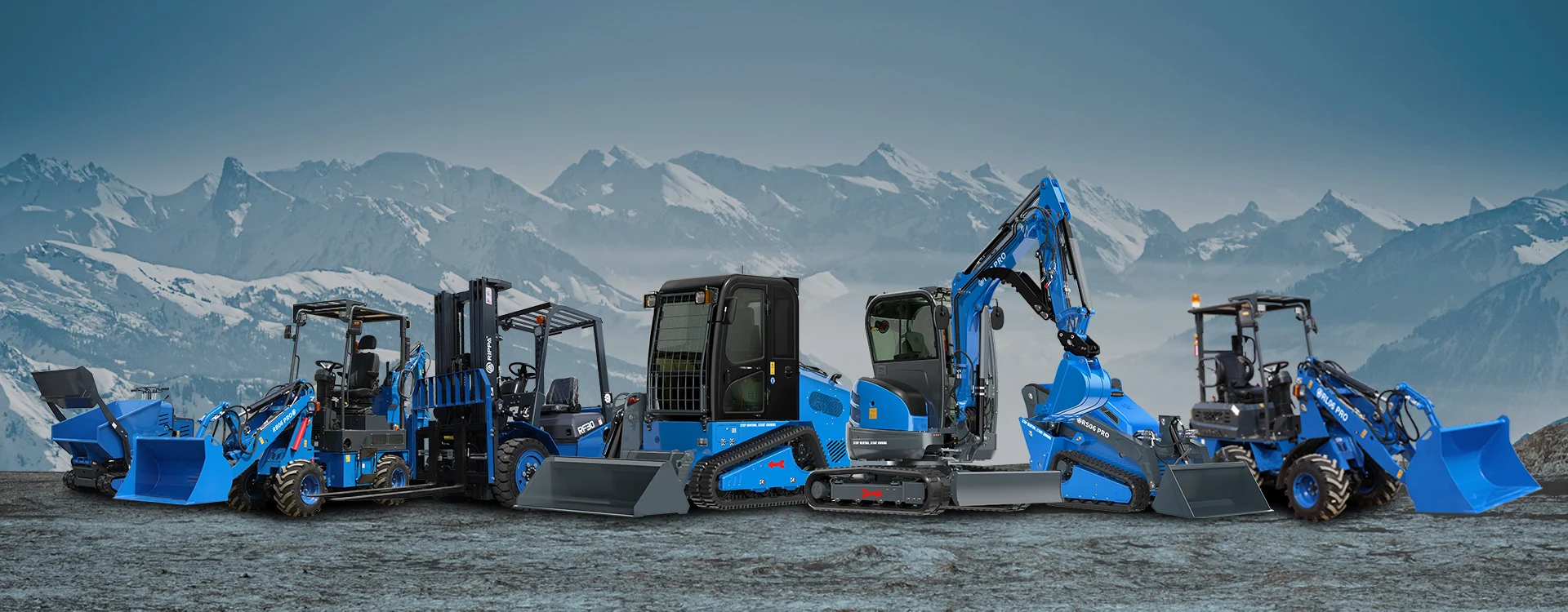
Sourcing a Chinese skid steer loader involves more than choosing a machine from a product catalog. International buyers also need to confirm product configurations, communicate order requirements, prepare export documentation, and coordinate transportation.
For importers, wholesalers, and equipment distributors, clear coordination between the buyer and manufacturer helps reduce misunderstandings throughout the export process.
This guide explains the key stages of organizing a Chinese skid steer loader export order.
1. Start with a Clear Equipment Requirement
Before requesting an export quotation, buyers should identify the equipment they intend to purchase and how it will be used.
A useful requirement list should include:
- Required skid steer loader model or product category
- Intended working applications
- Preferred machine configuration
- Attachment requirements
- Destination country
- Estimated order quantity
- Special documentation requirements
Providing this information helps the manufacturer understand the purchasing project and prepare a more relevant quotation.
If the buyer is unsure which configuration is suitable, describing the working environment and customer requirements can help make the initial discussion more productive.
2. Confirm Every Detail of the Machine Configuration
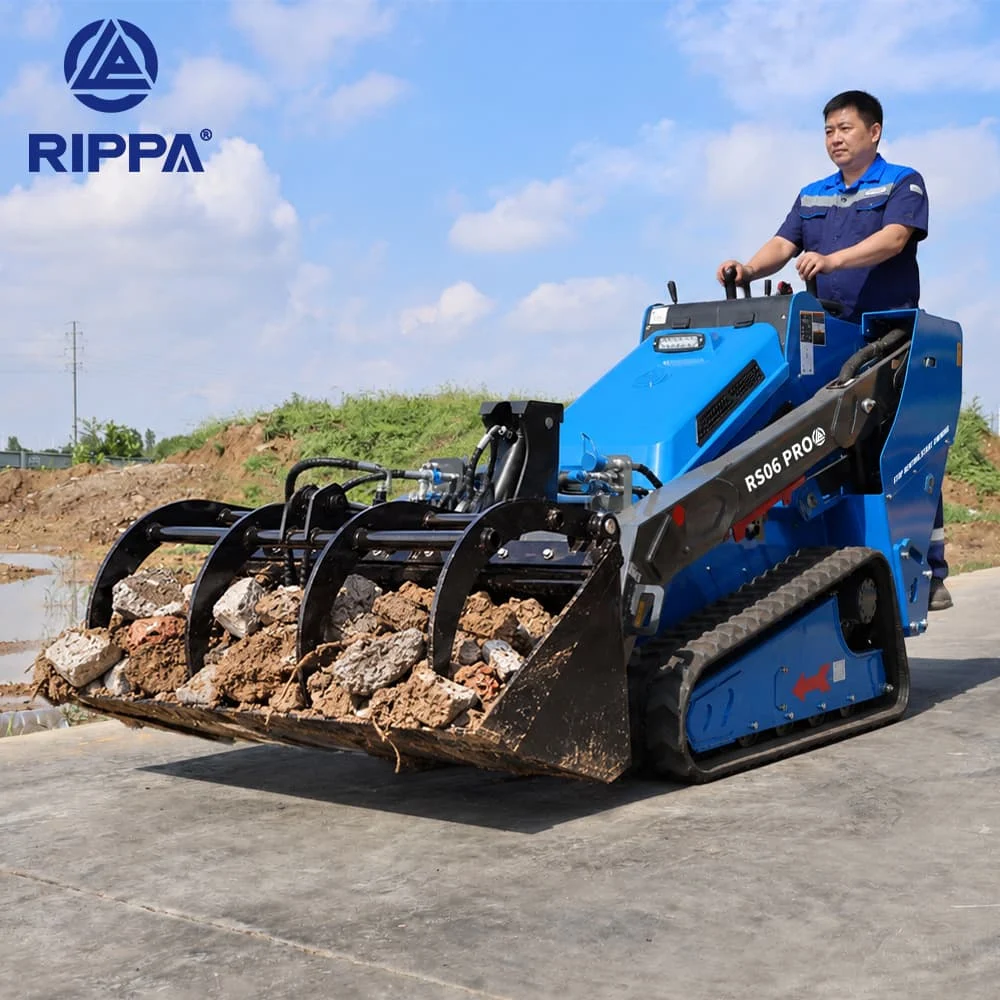
Product configuration should be confirmed before an order is finalized.
Two skid steer loaders from the same product category may have different engine arrangements, cab options, hydraulic configurations, or included accessories.
Buyers should review the following information:
Machine configuration: Confirm the exact model and selected options.
Engine information: Verify the engine manufacturer, model, and applicable documentation.
Cab arrangement: Clarify whether the selected equipment includes an enclosed cab or another operator arrangement.
Hydraulic system: Confirm the available hydraulic functions and their compatibility with intended attachments.
Included accessories: Check which components and accessories are included in the quotation.
Product documentation: Request the relevant specification sheet, operating manual, and other available documents.
Any differences between the requested and quoted configuration should be resolved before order confirmation.
3. Establish a Written Order Confirmation Process
For international transactions, verbal discussions alone are not sufficient for managing complex order details.
Buyers and manufacturers should maintain written records of the agreed commercial and technical requirements.
An order confirmation should clearly identify:
- Product model and quantity
- Confirmed machine configuration
- Included attachments and accessories
- Unit price and total order value
- Payment arrangements
- Production and delivery arrangements
- Packaging requirements
- Documentation responsibilities
If any detail changes after confirmation, both parties should acknowledge the revision in writing.
This is particularly important for distributors purchasing multiple machines with different configurations.
4. Prepare Export and Import Documentation
Export documentation is an essential part of international equipment transactions.
Depending on the transaction and destination, relevant documents may include:
- Commercial invoice
- Packing list
- Bill of lading
- Certificate of origin, where applicable
- Product and technical documentation
- Other documents required by the destination market
The exact requirements vary between countries and may depend on the machine configuration and applicable regulations.
Importers should consult their customs broker or relevant authorities before shipment to confirm the required documents, tariff classification, duties, taxes, and compliance obligations.
Manufacturers and buyers should also clarify who is responsible for preparing and checking each document.
5. Coordinate Packaging and Transportation
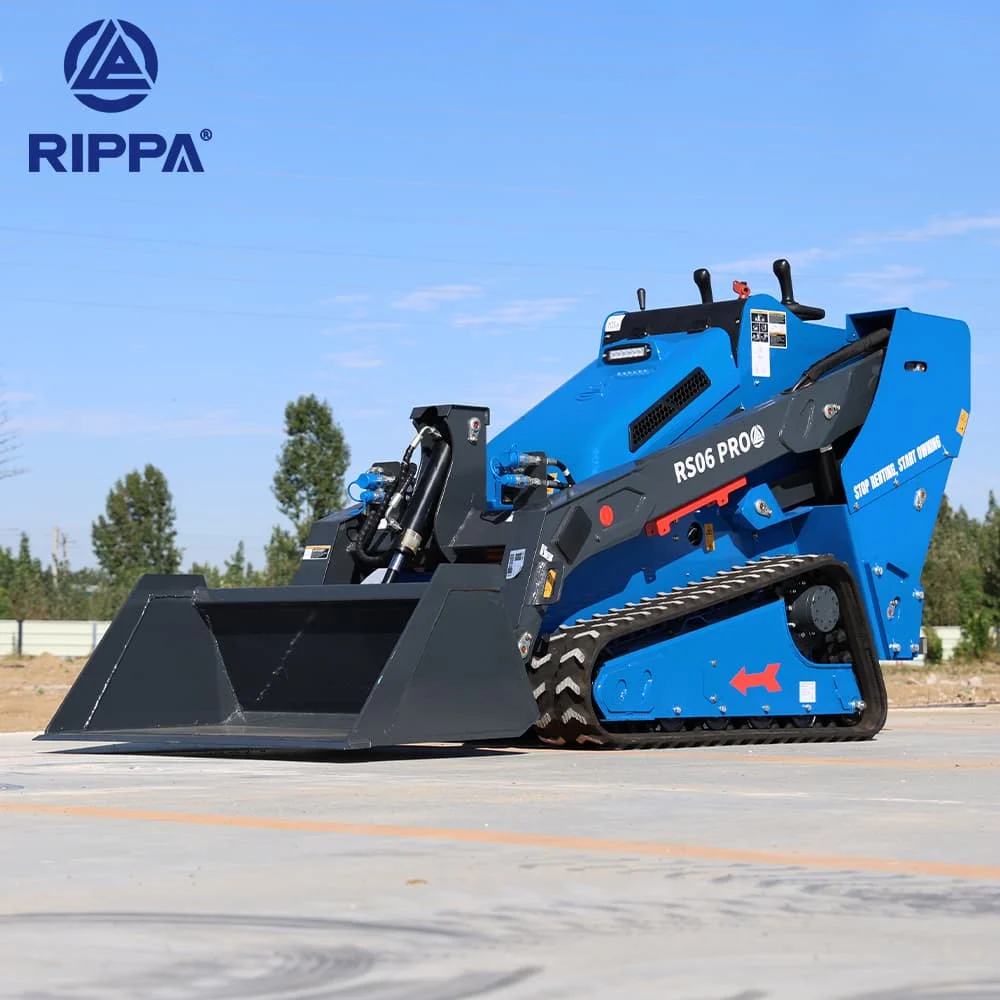
Construction equipment requires careful transportation planning.
Before shipment, buyers should discuss how the skid steer loader will be prepared for transportation and how the selected shipping method will affect packaging and loading arrangements.
Important considerations include:
Transportation dimensions: Confirm the dimensions of the actual shipment configuration.
Shipping weight: Verify the relevant equipment and packaging weight.
Loading arrangements: Clarify loading procedures and any special handling requirements.
Destination details: Confirm the receiving port or delivery location.
Shipping responsibilities: Establish which party arranges transportation and which costs are included in the commercial agreement.
These details should be discussed before shipment rather than left until the equipment is ready for dispatch.
6. Maintain Communication During Order Progress
Clear communication is important throughout the order process, especially when the buyer and manufacturer operate in different time zones.
Both parties should agree on how order updates will be shared and who will handle questions about product details, documentation, and transportation.
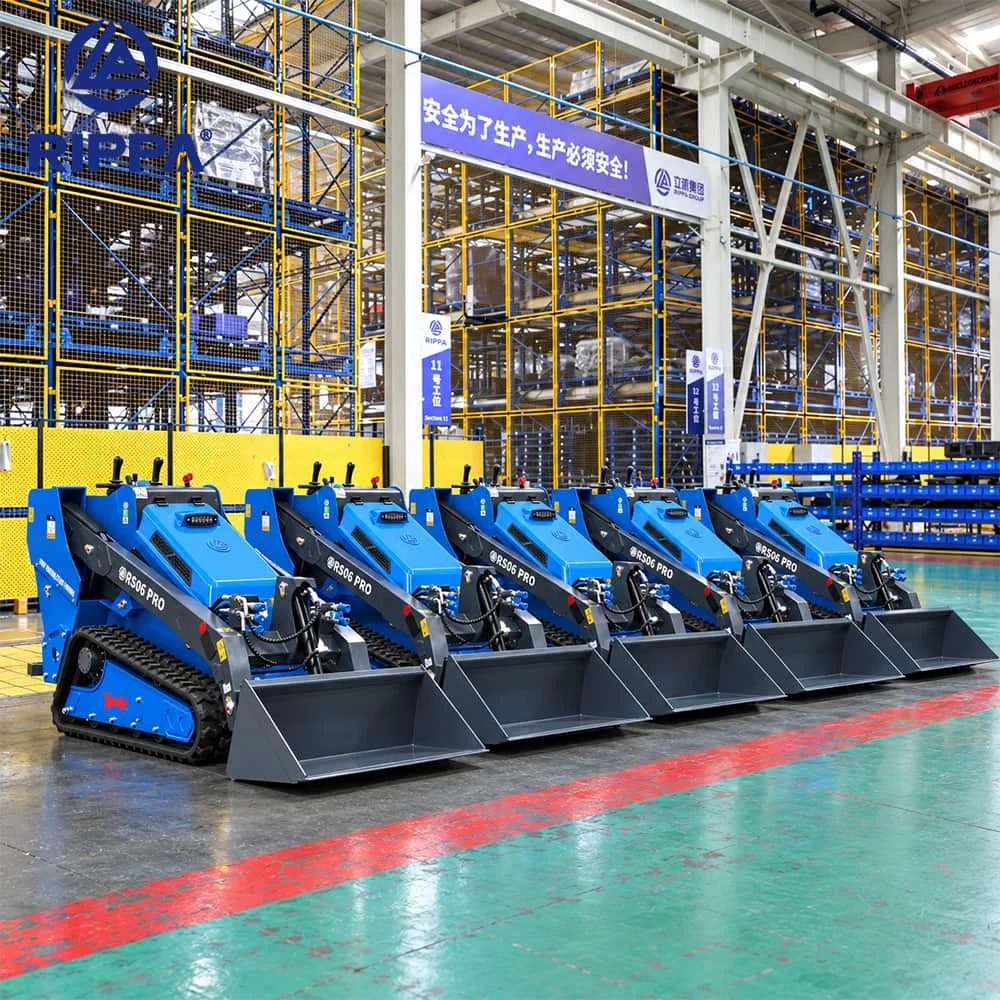
For multiple-unit orders, buyers may also request clear identification of each machine and its configuration.
A structured communication process helps distributors prepare their own inventory records and coordinate receiving arrangements.
7. Plan for Equipment Receiving and Inspection
The buyer’s responsibilities do not end when the shipment arrives.
Before equipment is accepted into inventory or delivered to an end customer, the receiving team should check the shipment against the confirmed order.
A practical receiving checklist includes:
- Confirm the number of machines received.
- Check model and product identification information.
- Review visible exterior condition.
- Verify included accessories and attachments.
- Check the accompanying documentation.
- Record any discrepancies or transportation damage.
- Contact the responsible supplier or carrier when issues are identified.
Any inspection should follow the relevant product documentation and agreed shipping procedures.
Keeping receiving records can help distributors manage inventory and resolve discrepancies more efficiently.
8. Prepare for Repeat Export Orders
For distributors and importers, the first order can provide useful information for future purchasing decisions.
After receiving the equipment, buyers should review which configurations generated the most customer interest, which accessories were requested, and whether the documentation and communication process met expectations.
This feedback can be used to improve future orders.
For example, distributors may adjust their product selection according to local demand or prepare a more standardized configuration list for repeat purchases.
A long-term supplier relationship becomes more effective when both parties understand the buyer’s market and maintain clear records of previous orders.
Frequently Asked Questions
What information should buyers provide when requesting a Chinese skid steer loader export quotation?
Buyers should provide the required model or product category, quantity, intended application, configuration preferences, destination country, and attachment requirements.
What documents are commonly involved in exporting skid steer loaders?
Common documents may include a commercial invoice, packing list, and bill of lading. Other documents depend on the destination country and transaction requirements.
When should the machine configuration be confirmed?
The configuration should be checked and documented before the order is finalized. Any later changes should be agreed upon in writing.
Who is responsible for import clearance?
Responsibility depends on the agreed commercial and shipping terms. Buyers should clarify the responsibilities of the exporter, importer, and logistics provider before shipment.
Conclusion
Exporting Chinese skid steer loaders requires coordination across product selection, configuration confirmation, order documentation, transportation, and equipment receiving.
For international importers and distributors, a structured process helps clarify responsibilities and reduce avoidable communication problems.
When evaluating a Chinese skid steer loader factory, buyers should consider not only the equipment itself but also the manufacturer’s ability to communicate clearly and coordinate the export order.
 Home
 Products
 Email
 WhatsApp

