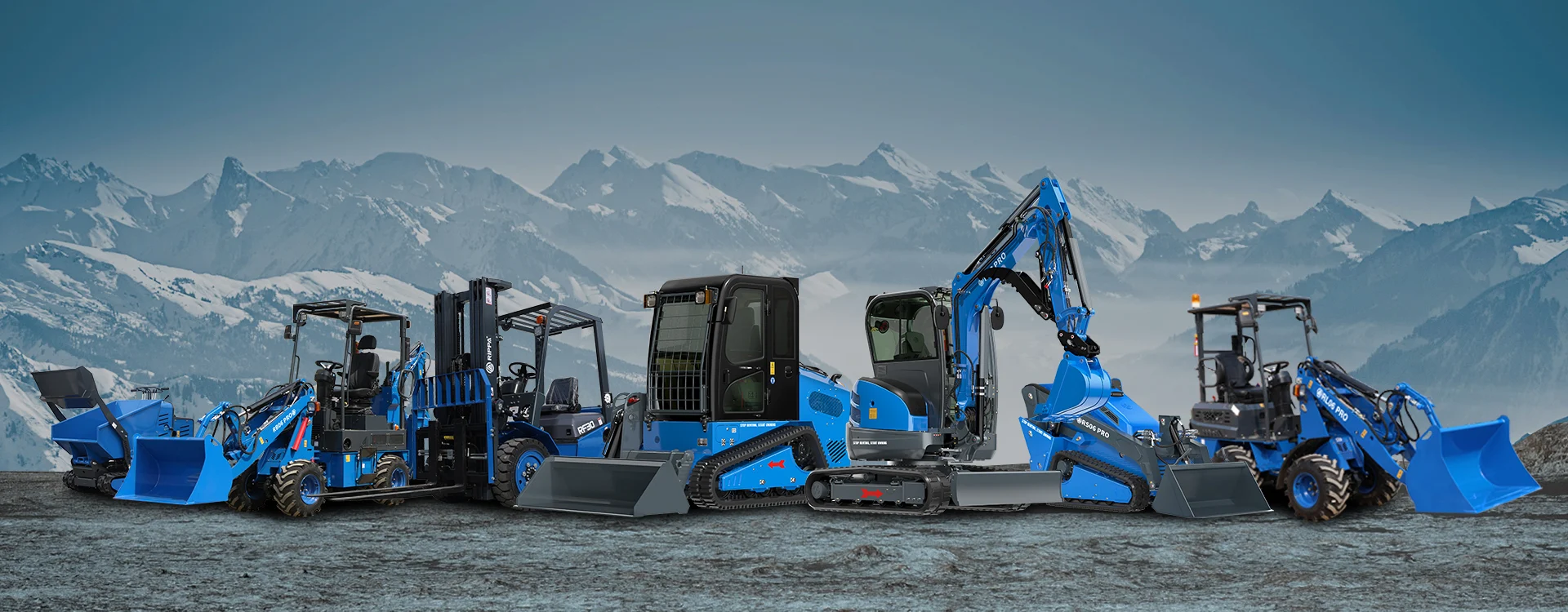
The powertrain landscape for mini excavators is diversifying. Understanding the strengths of diesel, hybrid, and electric is key to future-proofing your fleet.
Performance & Practicality
-
Diesel: The established benchmark. Offers consistent power for long, demanding shifts. Unmatched for remote sites and extreme conditions. Refueling is quick and universal.
-
Hybrid: A bridge technology. Uses a smaller diesel engine combined with an energy storage system (e.g., capacitors) to recapture energy, reduce fuel consumption (~20%), and lower emissions. Good for sites with variable loads.
-
Electric (Battery): Instant torque provides excellent responsiveness. Zero tailpipe emissions and near-silent operation make it ideal for indoor and urban sites. The limiting factor is battery capacity and recharge time (though fast charging is improving).
Total Cost of Ownership & Regulation
-
Diesel: Lowest purchase price, highest fuel/maintenance cost over time. Faces increasing regulatory scrutiny and potential access fees in low-emission zones.
-
Hybrid/Electric: Higher initial investment offset by significantly lower “fuel” and maintenance costs. Often eligible for grants, tax breaks, and mandatory for winning contracts in green-tendered projects.
RIPPA’s Powertrain Philosophy
RIPPA’s current documented strength lies in ultra-efficient diesel technology, being a leader in EPA/Euro V compliance. This focus ensures their diesel machines remain viable and competitive under the strictest current regulations. Their core R&D and patent portfolio position them to introduce hybrid and electric solutions as the market and infrastructure mature, aligning with their vision of innovation.
Verdict:
-
Choose Diesel for maximum versatility, range, and lowest upfront cost in traditional applications.
-
Consider Hybrid if you want meaningful fuel savings and emission reduction without the range anxiety of pure electric, especially in varied-load applications.
-
Invest in Electric if your business is concentrated in urban, indoor, or regulated zones where its operational and regulatory benefits provide a clear competitive edge and align with future trends.
 Pagrindinis
 Produktai
 El. paštas
 "WhatsApp"

