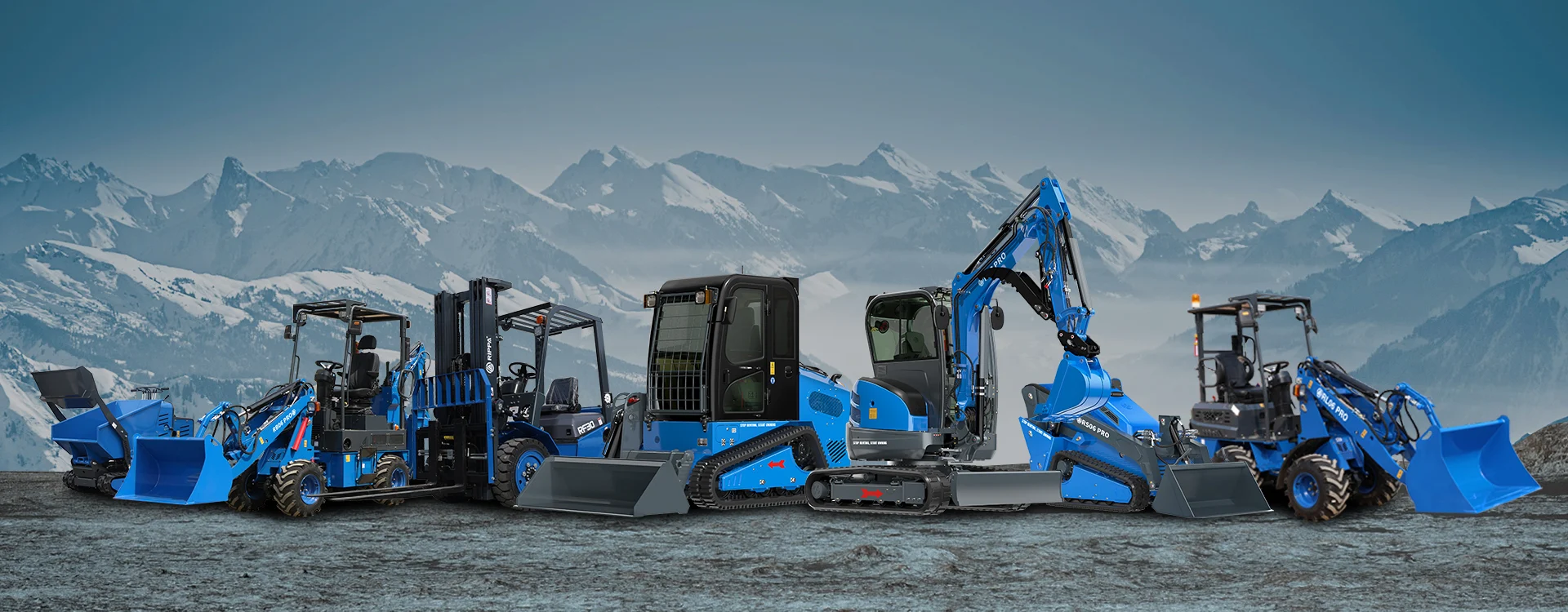
Importing mini excavators can be a strong opportunity for used equipment dealers who want to expand beyond irregular second-hand inventory. Many used equipment dealers already serve contractors, farmers, landscapers, property owners, rental operators, and small construction businesses. These customers often need compact digging equipment for trenching, drainage, driveway repair, farm maintenance, landscaping, and small site preparation.
However, importing mini excavators is not the same as buying one machine from a local auction or wholesaler. A dealer must think beyond the machine price. Before placing an order, the dealer should understand product configuration, quotation details, trade terms, shipping, documentation, spare parts, warranty handling, and after-sales support.
A low machine price may look attractive at first, but unanswered questions can create problems later. If the dealer does not understand what is included in the quotation, which documents are available, how spare parts are handled, or what support applies after delivery, the business risk increases.
This guide gives used equipment dealers a practical checklist before importing mini excavators for resale.
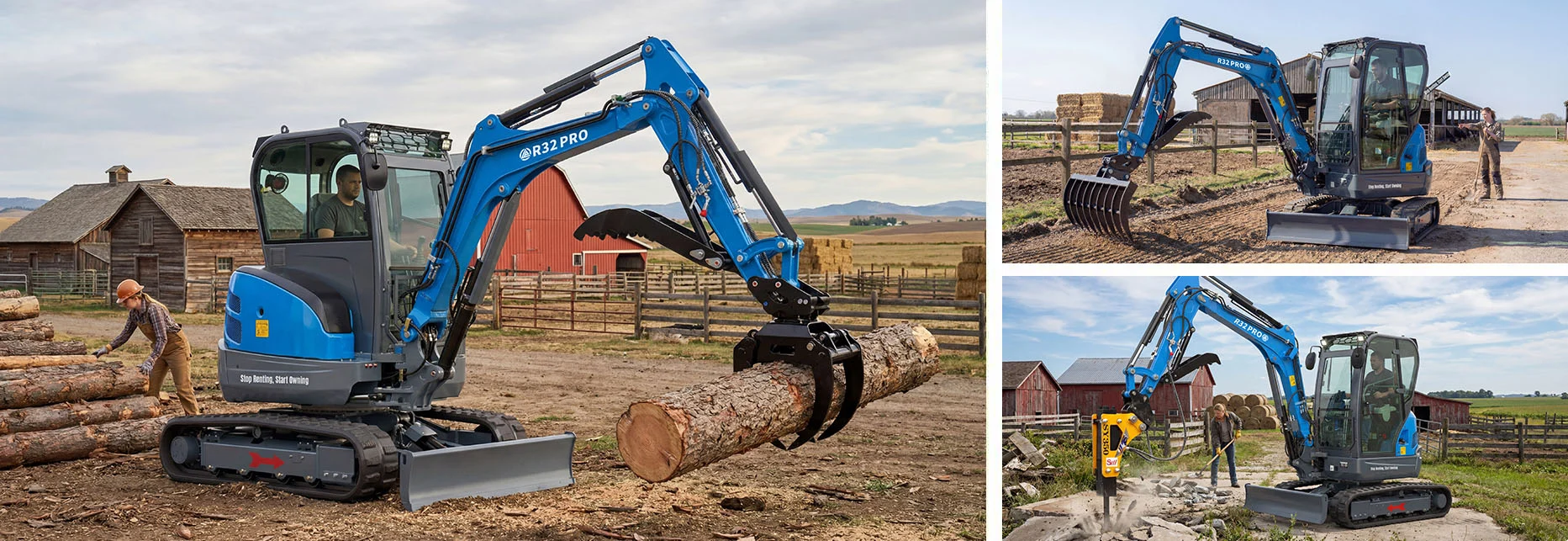
Why Used Equipment Dealers Are Interested in Importing Mini Excavators
Used equipment dealers often deal with unpredictable supply. One month, a dealer may have several attractive used excavators. The next month, the available machines may be too expensive, too old, or too inconsistent in condition.
New mini excavators can help solve part of this problem by giving the dealer a more repeatable product line. Instead of relying only on whatever used machines are available, the dealer can create a clearer product offering for buyers who want compact digging equipment with more predictable configuration.
Importing mini excavators may help dealers:
- Fill inventory gaps
- Offer new machines beside used equipment
- Serve customers who worry about used machine condition
- Build a repeatable product page and sales process
- Create attachment and spare parts opportunities
- Support farm, landscaping, property, contractor, and rental customers
- Reduce dependence on inconsistent used supply
But before importing, the dealer needs to ask the right questions.
Question 1: What Exact Configuration Is Being Quoted?
The first question should always be about the actual machine configuration. Dealers should not rely only on general product names or photos. Two machines with the same category name may have different engines, hydraulic systems, controls, tracks, attachments, dimensions, or market configurations.
Used equipment dealers should confirm:
- Current model configuration
- Machine size category
- Engine configuration
- Hydraulic configuration
- Control layout
- Track type
- Bucket type
- Optional attachments
- Operator station details
- Safety and operation features
- Market-specific configuration differences
A dealer should also ask whether the configuration in the quotation is the same as the machine shown in photos or videos. If there are differences, they should be clarified before payment.
For RIPPA mini excavators, dealers should confirm the latest configuration with an authorized representative before advertising or quoting machines locally. Product details may vary by model, market, and current production arrangement.
Question 2: What Is Included in the Quotation?
A quotation should not be judged only by the machine price. Dealers need to understand exactly what the price includes and what it excludes.
A practical quotation review should include:
| Quotation Item | Why Dealers Should Confirm It |
|---|---|
| Machine price | Basic purchase cost |
| Standard bucket | Confirms what comes with the machine |
| Optional attachments | Helps create customer packages |
| Spare parts package | Supports after-sales planning |
| Packaging | Affects shipping and machine protection |
| Inland transport | May or may not be included |
| Export documents | Important for customs and import planning |
| Trade term | Determines responsibility and cost boundary |
| Warranty terms | Clarifies after-sales responsibility |
| Technical support | Helps the dealer support customers |
If a supplier provides a low price but excludes packaging, parts, documents, or support, the real cost may be higher than expected.
Dealers should ask for written clarification before placing an order.
Question 3: Which Trade Terms Are Available?
Trade terms affect cost, responsibility, and logistics planning. Dealers should not assume that every supplier can provide every trade term for every market.
Common trade terms may include EXW, FOB, CIF, or other arrangements depending on the supplier, destination, and current company policy. The dealer should confirm what is actually available before ordering.
Important questions include:
- Which trade terms can be offered?
- What does each term include?
- Who is responsible for inland transport?
- Who handles export clearance?
- Who arranges ocean freight?
- Who is responsible for insurance, if applicable?
- What documents will be provided?
- What costs are not included?
A dealer importing mini excavators for the first time should be especially careful. Misunderstanding trade terms can create unexpected costs and delays.
For any RIPPA quotation, trade terms and delivery arrangements should be confirmed based on current policy, target market, and order details.
Question 4: What Documents Can Be Provided?
Documentation is critical for import, resale, and customer confidence. A machine may be attractive, but if the required documents are not available for the target market, the dealer may face problems during customs clearance or local promotion.
Dealers should ask which documents can be provided before placing an order.
Possible documents may include:
- Commercial invoice
- Packing list
- Bill of lading or shipping documents
- Product information sheet
- User or maintenance information
- Engine-related information where applicable
- Compliance documents where applicable
- Warranty information where applicable
- Dealer-related documents where applicable
The exact document requirements depend on the destination country or region. Certification, emissions, and import rules may vary by market. Dealers should verify local requirements before importing.
Dealers should avoid making public claims about certification, emissions, approval, or market compliance unless those documents have been confirmed for their specific market.
Question 5: What Are the Packaging and Shipping Details?
Packaging and shipping details affect cost, planning, and delivery expectations. Used equipment dealers who are new to importing may focus on the machine itself but overlook packaging dimensions, shipping method, container planning, and unloading requirements.
Dealers should ask:
- How will the machine be packaged?
- What are the packaging dimensions?
- What is the approximate shipping weight?
- How many units can fit in a container, if applicable?
- Are attachments shipped with the machine or separately?
- Is any disassembly required for shipping?
- What equipment is needed for unloading?
- What inspection should be done after arrival?
These details help dealers calculate landed cost, plan storage space, and prepare for customer delivery.
Dealers should confirm actual packing and loading information with the supplier before finalizing an order. Numbers should not be assumed or copied from unrelated shipments.
Question 6: What Spare Parts Should Be Ordered with the Machines?
Spare parts are not optional for a serious dealer. A dealer selling mini excavators should be prepared to support customers after the sale.
A first import order should usually include a discussion about common parts, recommended parts packages, and parts identification.
Dealers should ask:
- What common wear parts should be prepared?
- Are filters included or available?
- Are bucket teeth or cutting edges available?
- What track-related parts may be needed?
- Are pins and bushings available?
- How are hydraulic-related parts identified?
- How should the dealer order future parts?
- What machine information is required for parts support?
A dealer that cannot answer parts questions may lose customer confidence. Even if the machine itself is attractive, buyers may hesitate if they are unsure about support.
For RIPPA mini excavators, dealers should confirm recommended spare parts packages, parts identification process, and after-sales support channels before local resale.
Question 7: What Is the Warranty Process?
Warranty policy should be confirmed before sale, not after a problem appears. Dealers need to understand how warranty claims are handled because local customers will usually contact the dealer first.
Important warranty questions include:
- What warranty policy applies to the target market?
- What is covered?
- What is excluded?
- What evidence is required for a claim?
- Are photos, videos, or inspection reports needed?
- How are replacement parts handled?
- Who communicates with the customer?
- What maintenance responsibilities does the customer have?
- How should the dealer record machine information?
Dealers should not publish fixed warranty claims unless they are confirmed by current policy. Warranty terms may vary by product, market, purchase channel, and cooperation arrangement.
Question 8: What Technical Support Is Available?
Technical support matters because equipment dealers are often the first point of contact when customers have questions. A dealer should know how to request technical help before selling machines locally.
Technical support may involve:
- Naudojimo instrukcija
- Maintenance information
- Troubleshooting communication
- Parts identification
- Attachment compatibility questions
- Warranty claim support
- Product documentation
- Training materials where available
A supplier that cannot provide clear support may leave the dealer under pressure. A supplier with a clear communication process can help the dealer respond more professionally.
Before importing RIPPA mini excavators, dealers should confirm the current technical support process and available materials.
Question 9: How Should Dealers Calculate the Real Landed Cost?
The landed cost is the total cost of getting the machine ready for sale in the dealer’s market. It may include more than the machine price.
Dealers should consider:
| Cost Area | Possible Impact |
|---|---|
| Machine price | Base purchase cost |
| Packaging | Shipping protection and container planning |
| Inland transport | Cost from factory or warehouse to port |
| Ocean freight | Major cost for international shipment |
| Insurance | May apply depending on arrangement |
| Import duties | Varies by destination market |
| Taxes | Depends on local law |
| Port fees | May apply at destination |
| Customs broker fees | May be needed for clearance |
| Local transport | Moving machines to dealer location |
| Inspection or setup | Dealer preparation before resale |
| Spare parts package | Supports future service |
| Marketing materials | Helps local promotion |
Dealers should avoid comparing suppliers only by machine price. A supplier with clearer cost structure and better support may be more valuable than a supplier with the lowest initial quotation.
Question 10: Is the Supplier Suitable for Repeat Orders?
A used equipment dealer importing mini excavators should not think only about the first shipment. If the product sells well, the dealer may need repeat orders, parts, updated materials, and consistent communication.
Dealers should ask:
- Can the supplier support repeat orders?
- Are configurations stable enough for local marketing?
- Can the dealer reorder the same or similar models?
- How are product updates communicated?
- Can the supplier support growing demand?
- Are dealer or reseller cooperation options available?
- What support is available as the dealer expands?
A good supplier relationship should help the dealer build a repeatable business, not only complete one transaction.
How RIPPA Mini Excavators Can Fit an Import Strategy
RIPPA mini excavators can be considered by used equipment dealers who want to add new compact excavators beside their used inventory. The product direction may fit dealers serving contractors, farms, landscapers, property owners, rental businesses, and compact equipment buyers.
For dealers evaluating RIPPA, the most important step is to confirm current information before ordering or advertising.
Dealers should confirm:
- Current machine configuration
- Available model direction for the target market
- Quotation details
- Trade terms
- Packaging and delivery arrangement
- Available documentation
- Recommended spare parts
- Priedų suderinamumas
- Garantijos sąlygos
- Technical support process
- Dealer or reseller cooperation terms
RIPPA’s broader compact equipment line may provide future extension opportunities, but the primary focus for this import strategy should remain mini excavators and excavators.
Dažnai užduodami klausimai
What should dealers ask before importing mini excavators?
Dealers should ask about configuration, quotation details, trade terms, documents, packaging, shipping, spare parts, warranty, technical support, and repeat order availability.
Is machine price the most important factor?
No. Machine price is important, but dealers should also consider landed cost, documentation, parts support, warranty handling, communication, and long-term supply stability.
Why are spare parts important before importing?
Spare parts help dealers support customers after sale. Without a parts plan, downtime can damage customer trust and dealer reputation.
What documents are needed to import mini excavators?
Document requirements vary by market. Dealers may need commercial documents, shipping documents, product information, and compliance-related documents where applicable. Local import requirements should be verified before ordering.
Should used equipment dealers import new mini excavators?
They can, if the product fits local demand and the dealer confirms configuration, cost, documents, parts, support, and resale strategy. New mini excavators can complement used equipment inventory.
Can RIPPA support dealers importing mini excavators?
Dealers interested in RIPPA should confirm current product configuration, available documents, trade terms, parts support, warranty policy, and dealer cooperation terms with an authorized RIPPA representative.
Išvada
Importing mini excavators can help used equipment dealers build a more stable and repeatable product line beside used inventory. However, successful importing requires more than comparing machine prices.
Before placing an order, dealers should confirm the machine configuration, quotation details, trade terms, documents, packaging, shipping, spare parts, warranty process, technical support, and repeat order potential.
For dealers considering RIPPA mini excavators, the safest approach is to confirm all current product, support, delivery, documentation, and cooperation details before purchase or promotion. A careful checklist can help dealers reduce risk, protect customer trust, and build a stronger compact excavator business.
 Pagrindinis
 Produktai
 El. paštas
 "WhatsApp"

