Introduction
The undercarriage is one of the most important systems on a mini excavator.
It supports the machine’s weight, enables movement, and transfers power from the travel system to the tracks.
Its main components include:
- Rubber or steel tracks
- Track rollers
- Front idlers
- Drive sprockets
- Track guides
- Supporting undercarriage structures
Because these components operate together, wear in one area can affect the performance and service life of other parts.
A regular mini excavator undercarriage inspection helps equipment owners identify damage early, plan maintenance, and reduce unexpected downtime.
1. What Is a Mini Excavator Undercarriage?
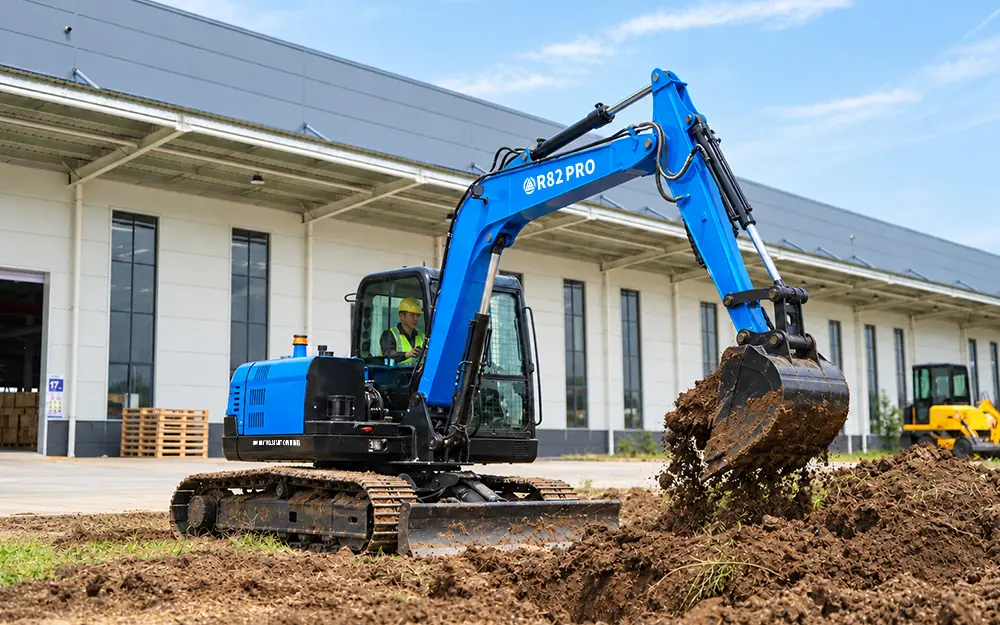
The undercarriage is the lower structure that supports and moves a tracked excavator.
It provides:
- Machine support
- Ground contact
- Traction
- Travel movement
- Load distribution
The design varies depending on the excavator’s operating weight and model.
Mini excavator owners should understand the major components and inspect them regularly.
2. How to Inspect Rubber Tracks
Start with the tracks themselves.
Check for:
- Deep cracks
- Cuts
- Missing tread
- Exposed reinforcement
- Rubber separation
- Uneven wear
Inspect the inside and outside surfaces where accessible.
If structural reinforcement is exposed or significant damage is present, have the track evaluated before further operation.
3. How to Inspect Track Rollers
Track rollers support and guide the track as the machine moves.
Inspect for:
- Uneven wear
- Oil leakage
- Damaged seals
- Abnormal noise
- Loose mounting
- Restricted rotation
A damaged roller may contribute to uneven track movement and accelerated wear.
Compare rollers across the same undercarriage to identify unusual differences.
4. How to Inspect Front Idlers
The front idler guides the track and works with the tensioning system.
Check for:
- Visible damage
- Uneven wear
- Misalignment
- Abnormal movement
- Leakage around related components
Idler problems can affect track alignment and tension.
5. How to Inspect Drive Sprockets
Drive sprockets engage with the track and transfer power to move the excavator.
Common warning signs include:
- Worn or pointed teeth
- Chipped teeth
- Uneven tooth wear
- Damage to mounting areas
- Unusual engagement noise
A worn sprocket may accelerate track wear.
If replacing a rubber track, inspect the sprocket rather than automatically reusing a severely worn component.
6. Why Are Track Guides Important?
Track guides help maintain correct track alignment.
Damaged or deformed guides may contribute to:
- Track misalignment
- Abnormal friction
- Increased wear
- Track derailment
Check for visible deformation and abnormal contact marks.
7. How Often Should You Inspect the Undercarriage?
A practical inspection schedule includes:
| Timing | Inspection |
|---|---|
| Before operation | General visual inspection |
| After muddy work | Clean and inspect for trapped debris |
| During routine maintenance | Check rollers, idlers and sprockets |
| After track derailment | Inspect alignment and related components |
| During scheduled service | Review overall wear and maintenance records |
Follow the manufacturer’s maintenance intervals for the specific excavator.
8. What Causes Uneven Undercarriage Wear?
Several factors can contribute:
- Incorrect track tension
- Frequent turning on hard surfaces
- Continuous operation in abrasive environments
- Accumulated mud and debris
- Misalignment
- Worn rollers or sprockets
- Incorrect operating practices
Identifying the cause is important.
Replacing one component without addressing the underlying problem may lead to repeated wear.
9. Should You Replace All Undercarriage Components at Once?
Not necessarily.
The replacement decision depends on:
- Actual wear
- Component compatibility
- Manufacturer recommendations
- Track condition
- Operating hours
- Repair economics
A qualified technician should evaluate the complete undercarriage before recommending a replacement plan.
10. Why Is Undercarriage Knowledge Important for Dealers?
Undercarriage components are important parts of the equipment aftermarket.
Dealers and parts suppliers should understand:
- Model-specific component identification
- Compatible replacement parts
- Routine wear items
- Maintenance documentation
- Technical support procedures
For rental businesses, undercarriage inspections are particularly important because machines operate across different customer sites and ground conditions.
RIPPA dealers should use current model-specific parts documentation when identifying replacement undercarriage components.
Frequently Asked Questions
What are the main mini excavator undercarriage components?
The main components include tracks, rollers, idlers, drive sprockets, track guides, and supporting structures.
How do I know if an excavator roller is damaged?
Look for leakage, abnormal wear, restricted rotation, visible damage, and unusual noise.
What causes excavator sprocket wear?
Normal operating friction, incorrect track tension, contamination, and worn mating components can contribute to sprocket wear.
Can worn sprockets damage rubber tracks?
Yes. Incorrect or worn engagement can accelerate track wear.
Should I clean the undercarriage regularly?
Yes. Removing mud and trapped debris helps inspection and reduces the risk of material interfering with moving components.
Conclusion
Mini excavator undercarriage inspection should cover the entire system rather than focusing only on rubber tracks.
Rollers, idlers, sprockets, track guides, and tensioning components all influence machine movement and durability.
Regular inspection helps identify problems early, improve equipment availability, and control maintenance costs.
For contractors, rental operators, and equipment dealers, understanding undercarriage components also creates opportunities to provide better maintenance and replacement-parts support.
 Home
 Products
 Email
 WhatsApp

