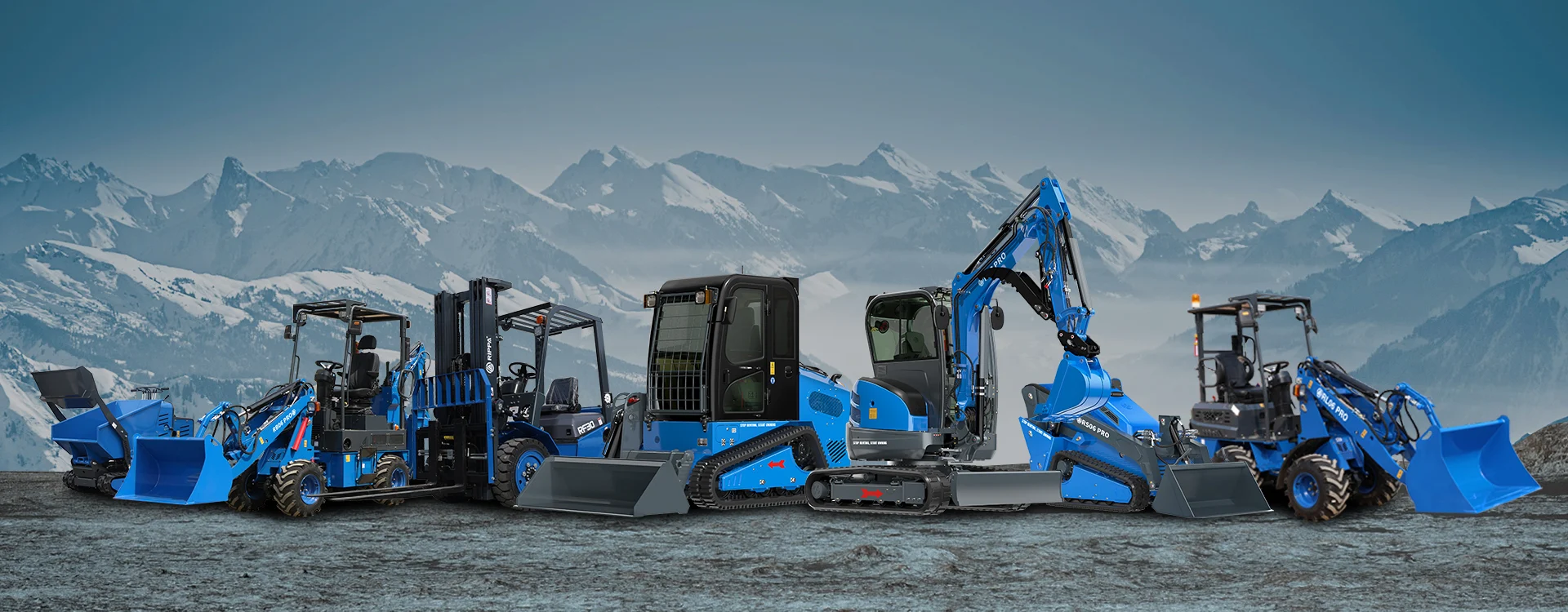
Looking for the Best Front End Loader for Sale?
A frontlaster is one of the most versatile machines used in construction, agriculture, landscaping, mining, and material handling. Whether you’re moving soil, gravel, sand, snow, or pallets, the right loader can significantly improve productivity while reducing labor costs.
Today, buyers can choose from compact loaders, articulated wheel loaders, and heavy-duty construction machines. However, selecting the right model depends on your work environment, lifting capacity, operating costs, and attachment requirements.
This guide explains everything you need to know before purchasing a front end loader for sale, including machine types, applications, key features, maintenance tips, and how to choose the right loader for your business.
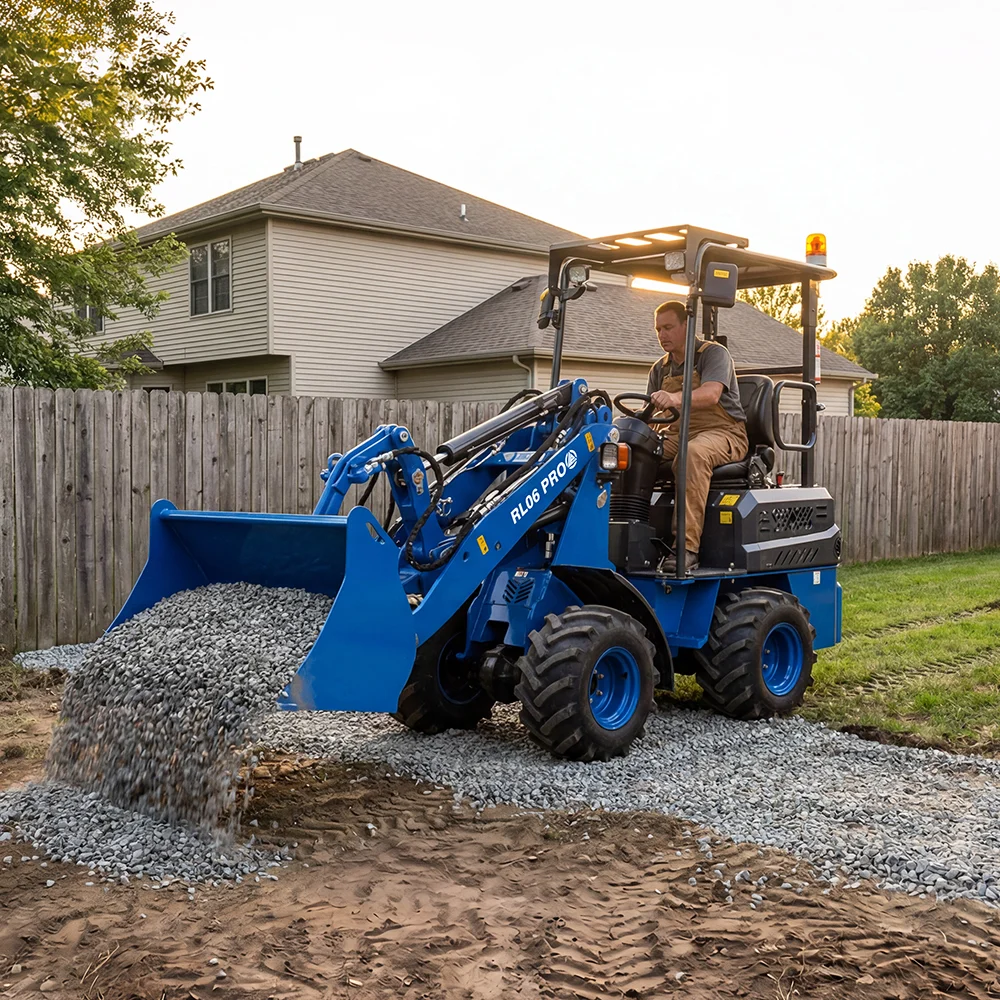
Hva er en frontlaster?
A frontlaster is a heavy-duty machine equipped with a hydraulic lift arm and a front-mounted bucket. Unlike excavators, which are designed primarily for digging below ground level, front end loaders focus on loading, transporting, lifting, and moving materials quickly and efficiently.
Modern front end loaders are widely used in:
- Byggeplasser
- Farms and ranches
- Landskapsprosjekter
- Lager
- Mining operations
- Municipal maintenance
- Road construction
Because of their versatility, they are among the most valuable machines in any equipment fleet.
Types of Front End Loaders
Choosing the right machine begins with understanding the different types available.
Compact Front End Loaders
Compact loaders are ideal for projects with limited working space.
Vanlige bruksområder er blant annet:
- Hageanlegg for boliger
- Vedlikehold av eiendom
- Små gårder
- Municipal parks
- Snørydding
Fordelene er blant annet:
- Enkel transport
- Excellent maneuverability
- Lavere drivstofforbruk
- Mindre forstyrrelse av jordlaget
- Lavere driftskostnader
Compact machines are especially popular with contractors who need a versatile loader that can work in confined spaces.
Articulated Front End Loaders
Articulated loaders feature a center-pivot steering system that allows tighter turning and improved stability on uneven terrain.
These machines are commonly used for:
- Landskapsarkitektur
- Landbruk
- Materialhåndtering
- Industrial yards
- Konstruksjon
Their flexible steering design makes them an excellent choice for operators working in narrow or obstacle-filled environments.
Heavy-Duty Front End Loaders
Heavy-duty loaders are designed for demanding applications requiring higher lifting capacities and larger bucket volumes.
They are commonly used in:
- Gruvedrift
- Steinbruddsdrift
- Infrastrukturprosjekter
- Næringsbygg
- Bulk material handling
These machines provide exceptional productivity for large-scale operations.
Vanlige bruksområder
Konstruksjon
Construction companies rely on front end loaders to:
- Lastebiler
- Move aggregate
- Transport building materials
- Prepare job sites
- Remove debris
- Backfill excavations
Their speed and lifting capability make them essential equipment on almost every construction project.
Landbruk
Farmers use front end loaders for daily operations including:
- Fôring av husdyr
- Loading hay bales
- Rengjøring av fjøs
- Transport av fôr
- Flytting av jord
- Handling fertilizer
Quick attachment changes allow one machine to perform numerous agricultural tasks throughout the year.
Landskapsarkitektur
Professional landscapers use compact front end loaders to:
- Transport decorative stone
- Level ground
- Load mulch
- Install retaining walls
- Remove tree stumps
- Prepare gardens
Compact machines minimize lawn damage while maintaining excellent productivity.
Kommunalt vedlikehold
Government agencies and contractors frequently use front end loaders for:
- Snørydding
- Street maintenance
- Park construction
- Waste handling
- Emergency cleanup
- Public works projects
Their versatility makes them valuable throughout all seasons.
Viktige egenskaper du bør vurdere før du kjøper
Not every front end loader is designed for the same type of work. Before purchasing, evaluate the following factors carefully.
Lifting Capacity
Choose a machine with enough lifting power to safely handle your daily materials without reducing productivity.
Bucket Size
A larger bucket improves loading efficiency, while a smaller bucket may provide better precision for landscaping and confined work areas.
Hydraulisk ytelse
Smooth hydraulic performance directly affects loading speed, attachment operation, and overall machine efficiency.
Brukerkomfort
Long operating hours require:
- Ergonomic controls
- Adjustable seating
- Utmerket sikt
- Low vibration
- Easy-to-read instrument panels
Comfortable operators are typically more productive and experience less fatigue.
Kompatibilitet med tilbehør
Many modern front end loaders support attachments such as:
- Pallegafler
- Gripere
- Snøskjær
- Feiemaskiner
- Hestespyd
- Buckets of different capacities
Attachment compatibility allows a single machine to perform multiple jobs, improving return on investment.
Front End Loader vs Wheel Loader
Many buyers use these terms interchangeably, but there are subtle differences.
A frontlaster refers to any loader equipped with a front-mounted bucket designed for lifting and loading materials. A hjullaster is a specific type of front end loader that operates on four wheels and is widely used in construction, agriculture, and industrial applications.
For most buyers, the two terms overlap, but understanding the distinction helps when comparing equipment and searching for the right machine.
How to Choose the Best Front End Loader
Before making a purchase, ask yourself the following questions:
- What materials will I handle most often?
- How much lifting capacity do I need?
- Will I work in tight spaces or open construction sites?
- Which attachments will I use?
- How often will the machine be transported?
- What level of after-sales support is available?
Answering these questions will help narrow your options and ensure you invest in a machine that matches your operational needs.
Why Choose RIPPA Front End Loaders?
RIPPA designs front end loaders to meet the needs of contractors, farmers, and equipment dealers around the world. The product lineup combines practical engineering, reliable hydraulic systems, and compatibility with a wide range of attachments to support diverse working environments.
De viktigste fordelene er blant annet:
- Compact and articulated loader options
- Efficient hydraulic performance
- Komfortable førerplasser
- Robust konstruksjon
- Enkelt vedlikehold
- Multiple attachment compatibility
- Suitable for construction, agriculture, landscaping, and municipal applications
Whether you’re expanding your fleet or purchasing your first loader, RIPPA offers solutions designed to improve efficiency and reduce operating costs.
Konklusjon
Choosing the right front end loader for sale is about more than selecting the largest machine. The best loader is one that matches your projects, work environment, and long-term business goals.
By understanding loader types, key features, applications, and attachment options, you can make a confident purchasing decision that delivers productivity and value for years to come.
Ofte stilte spørsmål
What is a front end loader used for?
Front end loaders are used to load, lift, transport, and move materials such as soil, gravel, sand, snow, and construction debris across industries including construction, agriculture, landscaping, and municipal maintenance.
What is the difference between a front end loader and a wheel loader?
A wheel loader is a type of front end loader that uses four wheels for mobility. While the terms are often used interchangeably, “front end loader” is a broader category that includes several loader configurations.
Can a front end loader use different attachments?
Yes. Most modern front end loaders support attachments such as pallet forks, grapples, snow blades, sweepers, bale spears, and specialized buckets, making them highly versatile.
Are compact front end loaders suitable for farms?
Yes. Compact loaders are widely used on farms for material handling, feeding livestock, moving hay, cleaning barns, and general property maintenance.
How do I choose the right front end loader?
Consider your lifting capacity requirements, job site conditions, attachment needs, transportation requirements, and the level of dealer support available before making your purchase.
 Hjem
Hjem
 Produkter
 E-post
 WhatsApp

