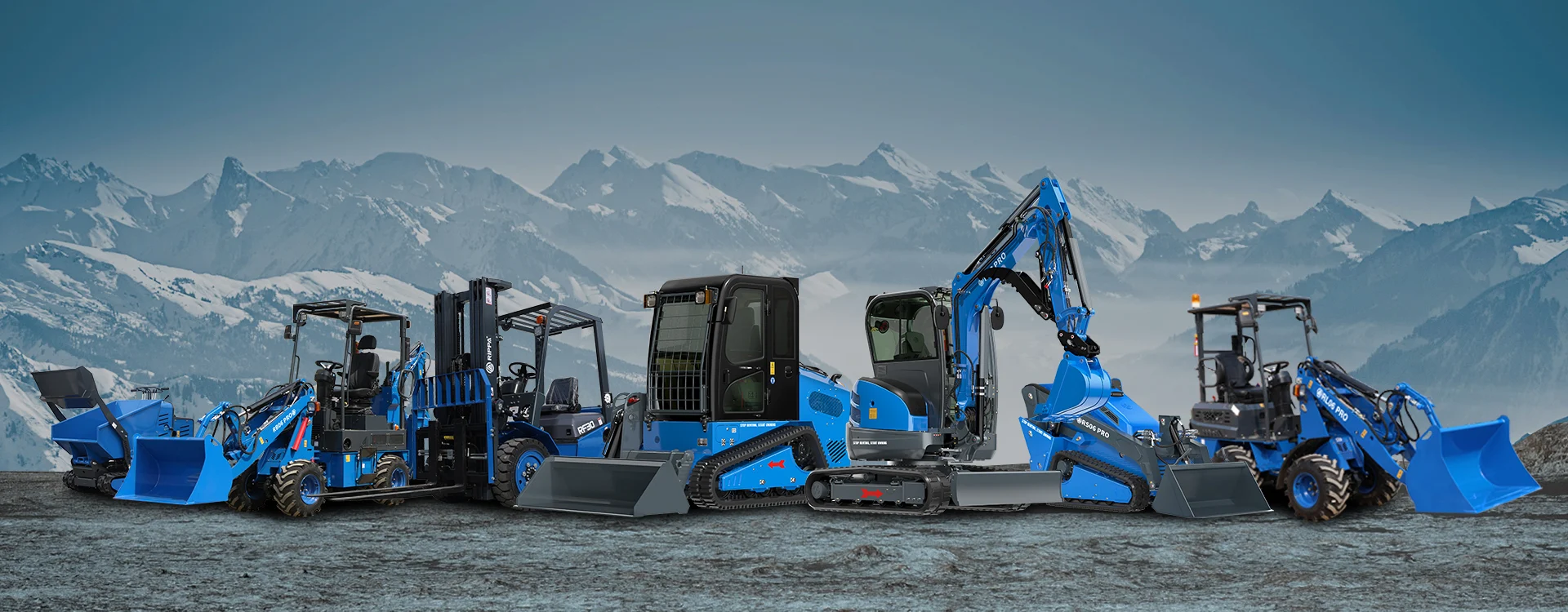
Finding a wholesale mini skid steer for sale requires more than negotiating a low unit price. Equipment dealers, importers and rental companies need a product range that fits local customers, reliable attachment options, spare-parts availability and a clear after-sales process.
A successful wholesale purchase should be built around market demand and long-term support. Ordering unsuitable machines at a low price can create slow inventory, customer complaints and additional service costs.
Understand the Local Mini Skid Steer Market
Before selecting machines, identify the main customer groups in the target market. Demand may come from landscaping companies, fencing contractors, farmers, rental users, builders and property-maintenance businesses.
Each group may require a different machine configuration. Landscapers often value narrow access and attachment versatility. Agricultural users may focus on traction and material handling, while rental customers usually need simple operation and clear inspection procedures.
Dealers should review existing inquiries, competitor products, customer budgets and common applications. This information helps determine which machines and attachments should be included in the first order.
Choose a Focused Product Range
Importers sometimes order too many similar models because they want to cover every possible customer. This can divide inventory and make parts stocking more complicated.
A focused product range is usually easier to launch. Dealers can select machines that cover the most common applications and combine them with frequently requested attachments.
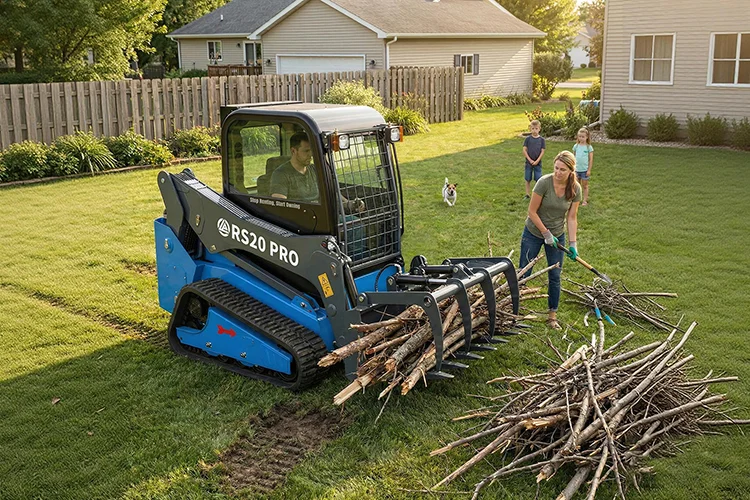
Buckets may support general material handling, while augers, trenchers and grapples can target specific contractor groups. Attachment compatibility must be verified for each machine rather than assumed across the entire product range.
The range can be expanded after sales and inquiry data reveal additional demand.
Evaluate the Manufacturer
A wholesale quotation should include clear information about machine configuration, attachments, packaging, delivery terms and payment conditions.
Dealers should request current specification sheets, operation and maintenance documents, warranty terms and spare-parts information. Technical communication is also important because customers may require support after delivery.
Ask how parts are identified, how warranty claims are processed and who provides troubleshooting guidance. A dependable manufacturing partner should support the dealer after the machines have been shipped.
Verify Market Requirements
Import requirements can vary by country and machine. Dealers should verify applicable engine, safety, labeling and documentation requirements for the exact model and destination.
General statements about certification are not sufficient. Current model-specific documents should be reviewed before placing an order or promoting compliance to customers.
Importers should also clarify customs classification, local taxes and registration requirements with qualified local parties. These costs should be included when calculating the final selling price.
Plan Spare Parts Before Delivery
After-sales preparation should begin before the first machines arrive. Dealers and rental fleets can identify filters, hoses, seals, wear components and other frequently serviced items for initial parts planning.
Technicians should become familiar with routine maintenance points and attachment connections. Sales staff also need enough product knowledge to recommend machines according to customer applications.
Parts availability improves customer confidence and helps reduce downtime. It can also create repeat business beyond the original machine sale.
Calculate the Real Wholesale Cost
The factory price is only one part of the investment. Freight, insurance, port handling, customs charges, inland transportation, dealer preparation, marketing and parts inventory may all affect the final cost.
Buyers should compare supplier quotations using the same delivery terms. A lower machine price may not represent better value if important attachments, documentation or support are excluded.
Rental companies should also estimate utilization, maintenance costs and expected service life. Dealers should calculate realistic margins after local selling and support expenses.
Build a Sustainable Dealer Program
A wholesale relationship should support repeat orders rather than one shipment. Dealers benefit from consistent products, responsive communication, attachment availability and practical marketing materials.
Sales performance should be tracked by customer type, application and attachment demand. This allows future orders to follow real market activity instead of assumptions.
RIPPA works with international machinery dealers, importers and rental businesses. Companies looking for a wholesale mini skid steer for sale can request current product information and a commercial proposal based on destination, expected quantity, target customers and required attachments.
 Home
Home
 Producten
 E-mail
 WhatsApp

