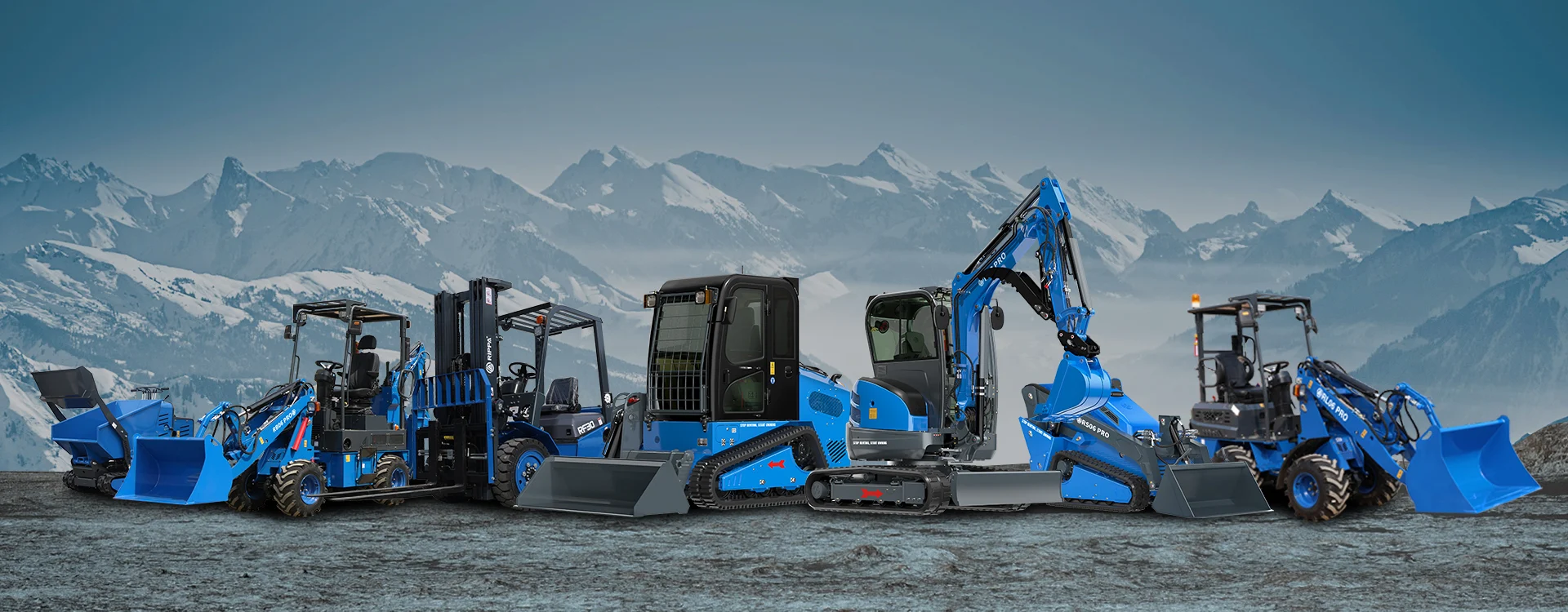
When searching for a skid steer loader dealer, buyers are usually looking for more than a machine. They need a supplier that can provide suitable equipment, reliable communication, parts support and a practical way to serve customers in their local market.
Search results for skid steer loaders show a mixture of local dealers, manufacturer networks, specialist distributors and used-equipment marketplaces. This means businesses should look beyond the machine itself when choosing a dealer or supplier.
What Does a Skid Steer Loader Dealer Do?
A skid steer loader dealer connects equipment manufacturers with local customers.
Depending on the business model, a dealer may:
- Sell new skid steer loaders
- Provide equipment demonstrations
- Supply attachments and replacement parts
- Handle customer inquiries
- Support local construction and landscaping businesses
- Provide service or coordinate after-sales support
- Maintain inventory for faster local delivery
For an established machinery company, becoming a skid steer loader dealer can also be a way to expand an existing product portfolio.
The key question is not simply “Which skid steer loader is available?” It is “Which supplier can support my business after the first machine is sold?”
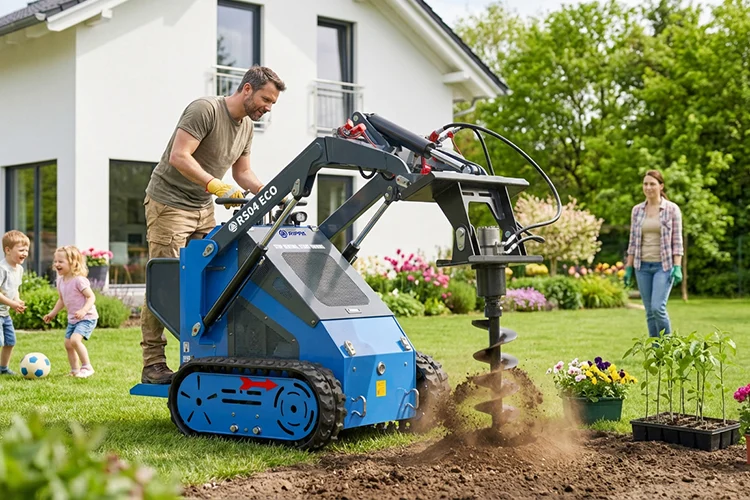
What Should You Check When Choosing a Skid Steer Dealer?
1. Product Range
A supplier should offer equipment that matches the applications in your market.
Skid steer loaders are used in construction, landscaping, agriculture, material handling, site preparation and other applications. Different customers may therefore require different machine sizes, configurations and attachment options.
A dealer with a broader product range can potentially serve more customer requirements without relying on several unrelated suppliers.
2. Dealer and Wholesale Support
If you are purchasing machines for resale, retail purchasing and wholesale dealer purchasing are very different.
Ask the supplier about:
- Dealer pricing
- Wholesale order procedures
- Minimum order requirements
- Product availability
- Lead times
- Shipping arrangements
- Marketing materials
- Technical documentation
- Spare parts support
These factors have a direct impact on how easily you can build a local skid steer business.
3. Parts Availability
Parts support is one of the most important factors for equipment dealers.
A customer may accept a competitive machine price, but downtime can quickly become a bigger concern. Before establishing a supplier relationship, ask how parts are supplied and how technical issues are handled.
A reliable dealer network should have a clear process for identifying parts, placing orders and solving service issues.
4. Delivery and Logistics
For dealers, logistics are part of the product.
You should understand:
- Where machines are shipped from
- Typical shipping arrangements
- Whether local or regional stock is available
- How spare parts are delivered
- How damaged shipments are handled
- Which documents are supplied with the equipment
For international B2B purchasing, these details should be confirmed before placing a commercial order.
Local Dealer or Direct Manufacturer?
When searching for a skid steer dealer, buyers may encounter both local distributors and direct manufacturers.
A local dealer can provide proximity, local market knowledge and face-to-face support. Manufacturer-direct purchasing may provide a different commercial structure and can be relevant for businesses looking to establish a dealership or purchase multiple machines.
The right approach depends on your role.
End users may prioritize local service and immediate availability.
Equipment dealers and resellers may place greater importance on wholesale pricing, product selection, shipping, parts and long-term cooperation.
This distinction is important because the same search term—“skid steer dealer”—can represent very different buying intentions.
Why Dealer Support Matters for a Growing Equipment Business
A skid steer is rarely sold as an isolated product.
Customers often ask about attachments, maintenance, replacement parts, delivery and application suitability. A dealer therefore needs a supplier capable of supporting the complete customer journey.
For a new dealer, supplier support can also reduce the amount of infrastructure that has to be built from scratch.
Instead of only comparing machine prices, evaluate the complete dealer relationship:
Machine → Order → Shipping → Parts → Customer Support → Repeat Sales
This is particularly important when introducing a new equipment brand into a local market.
Skid Steer Dealer Opportunities for Equipment Businesses
Companies already selling excavators, loaders, agricultural machinery or construction equipment may consider adding skid steer loaders to their portfolio.
The existing customer base can provide a starting point.
For example, a contractor who already purchases compact excavators may also have applications involving:
- Moving soil
- Loading materials
- Voorbereiding van het terrein
- Tuinaanleg
- Construction cleanup
- Attachment-based work
This creates potential opportunities for cross-selling.
However, a dealership should still evaluate local demand, competition, service capabilities and available capital before expanding its product range.
How to Compare Skid Steer Loader Suppliers
A simple supplier evaluation can focus on six areas:
| Factor | What to Check |
|---|---|
| Product | Range, applications and configurations |
| Pricing | Dealer and wholesale purchasing terms |
| Logistics | Shipping options and delivery process |
| Parts | Availability and ordering process |
| Support | Technical and after-sales communication |
| Business | Dealer cooperation and marketing support |
This gives buyers a more complete picture than comparing the advertised machine price alone.
Why Chinese Skid Steer Loader Manufacturers Are Getting Attention
Businesses searching for Chinese skid steer loaders may be looking for another sourcing option beyond traditional local dealer networks.
For B2B buyers, the attraction is often related to factory-direct communication, product variety and the possibility of developing a long-term supplier relationship.
However, the same due diligence should apply regardless of the manufacturer’s country:
- Verify the manufacturer
- Review product documentation
- Confirm export experience
- Understand parts support
- Check shipping arrangements
- Discuss dealer cooperation in advance
Price should be considered together with the complete supply chain.
Partner With RIPPA Group
For businesses looking to add compact construction equipment to their product portfolio, RIPPA Group provides a range of construction machinery for international markets.
A potential dealer should discuss its target market, product requirements, expected sales volume and local business model with the manufacturer before cooperation begins.
If you are looking for a skid steer loader dealer opportunity, wholesale supplier or long-term equipment partner, contact RIPPA Group to discuss your market and dealership requirements.
Veelgestelde vragen
What is a skid steer loader dealer?
A skid steer loader dealer sells or distributes skid steer loaders to customers in a specific market and may also provide parts, service and after-sales support.
How do I become a skid steer loader dealer?
Start by identifying your target market, evaluating competing brands, confirming your sales and service capabilities, and contacting manufacturers or distributors about their dealer programs.
Should I buy from a local dealer or directly from a manufacturer?
It depends on your purchasing purpose. End users may value local service and immediate availability, while dealers and resellers may need wholesale terms, logistics and long-term supplier support.
What should I ask a skid steer supplier?
Ask about product availability, dealer pricing, shipping, parts, technical support, documentation and the terms of long-term cooperation.
Ready to develop your skid steer loader business? Contact RIPPA Group to discuss dealer and wholesale opportunities.
 Home
Home
 Producten
 E-mail
 WhatsApp

