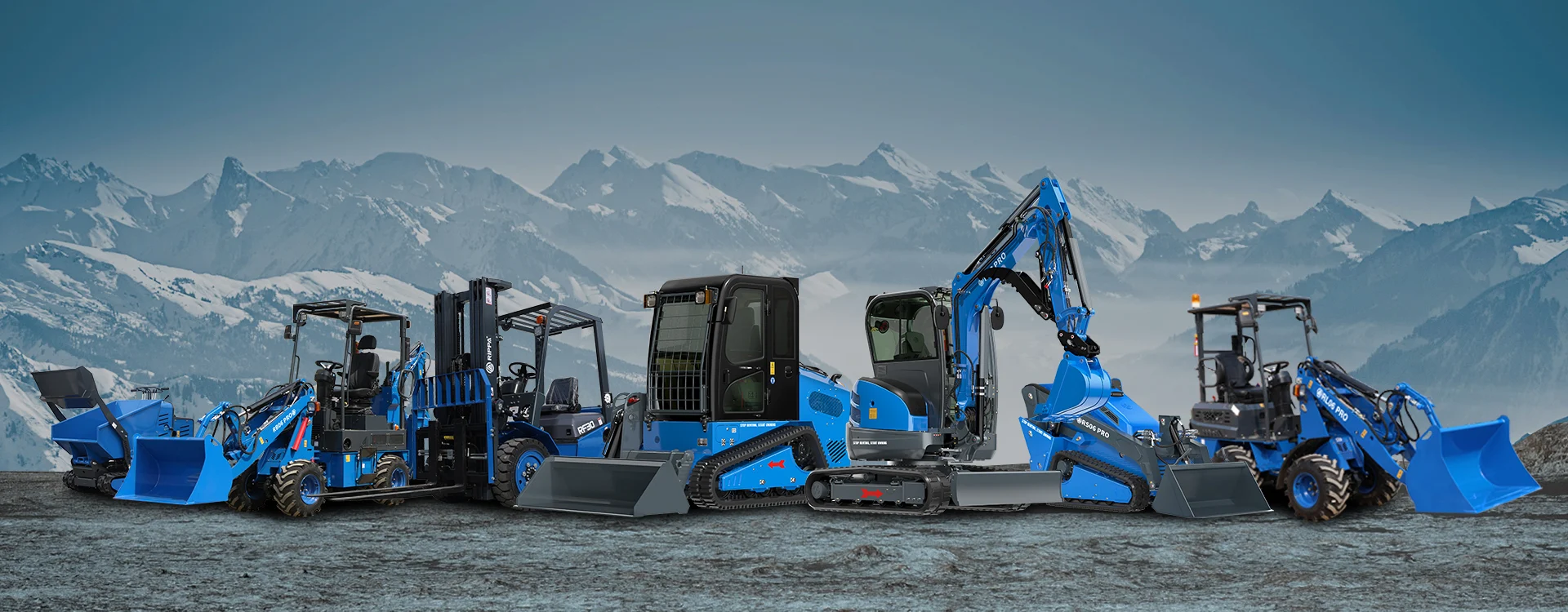
When evaluating best Chinese mini skid steer, the key is not identifying a single optimal machine, but understanding how different decision dimensions align with specific operating conditions. Purchase decisions are typically shaped by intended use scenarios, required performance parameters, operating frequency, en site constraints. Mini skid steers vary in capacity, size, power delivery, and attachment compatibility, which leads to trade-offs under different conditions. There is no unified optimal choice applicable to all users. Instead, suitability depends on how well the machine’s characteristics match practical needs, limitations, and long-term operating conditions.
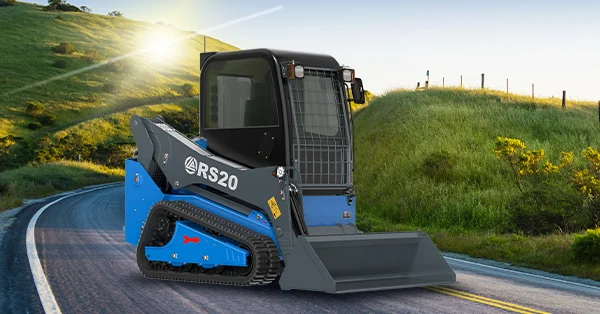
Core Needs to Clarify Before Purchase
Use Scenario
The first step in decision-making is clarifying where and how the mini skid steer will be used. Common scenarios include landscaping, light construction, property maintenance, agriculture, and indoor material handling. Each scenario places different demands on traction, maneuverability, lifting height, and attachment use.
Use Frequency
Use frequency directly affects durability and maintenance expectations. Occasional or seasonal use places different demands on components than daily or continuous operation. Machines intended for frequent use typically require more robust systems and higher tolerance for wear.
Basic Performance Requirements
Key baseline requirements usually include:
- Required lifting capacity
- Typical material type and density
- Operating space width and height
- Need for hydraulic attachments
Clarifying these factors helps define acceptable performance ranges rather than focusing on maximum specifications.
How Key Parameters Influence Selection
Role and Trade-Offs of Parameters
Mini skid steer parameters define capability boundaries, not absolute performance quality. For example:
- Nominale bedrijfscapaciteit determines safe lifting limits but increases machine weight as capacity rises.
- Machine width and height affect access to confined spaces while limiting stability at higher loads.
- Hydraulische doorstroming determines attachment compatibility but may increase system complexity.
- Engine or motor output affects pushing and lifting ability but also influences fuel or energy consumption trends.
Higher parameter values often improve capability in one area while introducing constraints in another, such as reduced maneuverability or increased maintenance demands.
Selection Focus Under Different Use Scenarios
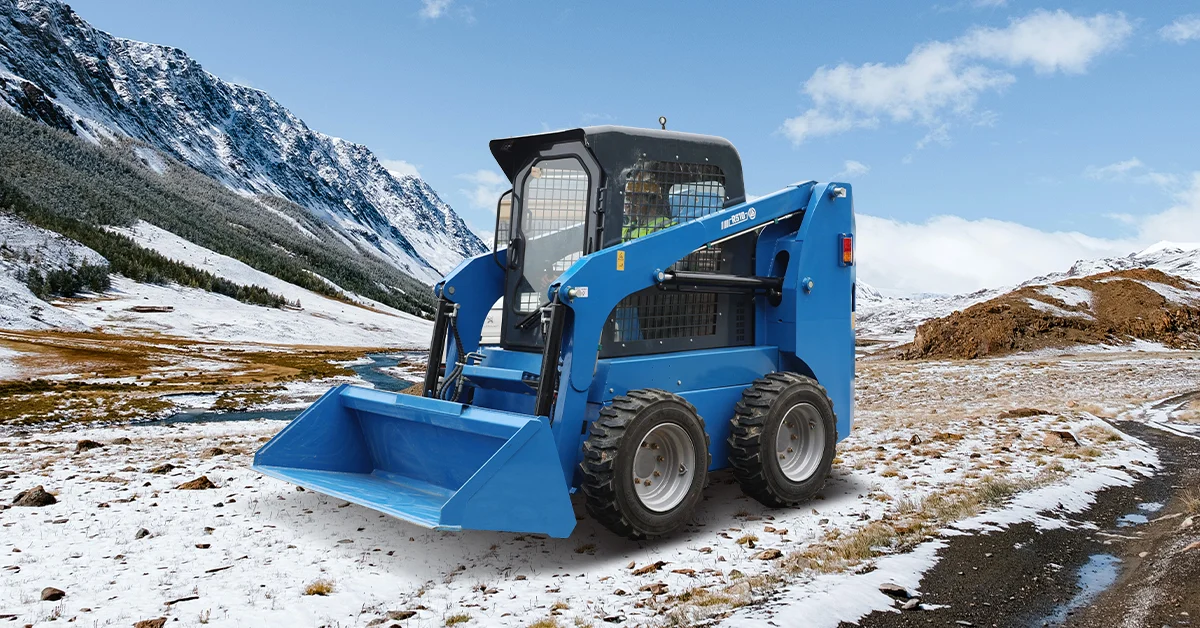
Outdoor and Landscaping Work
For outdoor ground work, emphasis is usually placed on:
- Stability on uneven surfaces
- Sufficient traction
- Compatibility with soil-handling attachments
Compact dimensions may be less critical than ground interaction.
Indoor or Confined-Space Use
Indoor applications prioritize:
- Overall machine width and turning radius
- Floor impact and maneuverability
- Controlled lifting and placement rather than raw power
Noise and emissions constraints may also influence suitability.
Mixed or Multi-Purpose Use
For mixed scenarios, balance is typically required between:
- Attachment versatility
- Moderate capacity
- Acceptable performance across varied surfaces
No single parameter dominates in this case.
Impact of Use and Maintenance Conditions on Purchase
Operating Constraints
Environmental conditions such as dust, moisture, temperature variation, and surface type influence wear patterns and system stress. Limited access to service facilities or spare parts can further constrain acceptable machine complexity.
Maintenance Considerations
Maintenance requirements scale with:
- Hydraulic system complexity
- Attachment usage intensity
- Operating hours accumulation
Understanding available maintenance resources is essential for sustainable operation.
Situations That May Not Be Suitable for Purchase
A mini skid steer may not be suitable in the following situations:
- Tasks requiring deep excavation or long reach
- Continuous heavy-load lifting beyond compact machine limits
- Long-distance material transport
- Operations requiring high travel speed
- Sites with insufficient space for skid steering movement
In such cases, alternative equipment categories may align better with functional needs.
Common Purchase-Related Questions
Does higher capacity always mean better suitability?
No. Higher capacity expands lifting range but may reduce access and maneuverability in confined areas.
Are all attachments universally compatible?
Attachment compatibility depends on hydraulic specifications and mounting standards, which must be verified independently.
Is a mini skid steer intended to replace larger equipment?
No. Mini skid steers are designed for compact-scale tasks and have defined performance limits.
Samenvatting
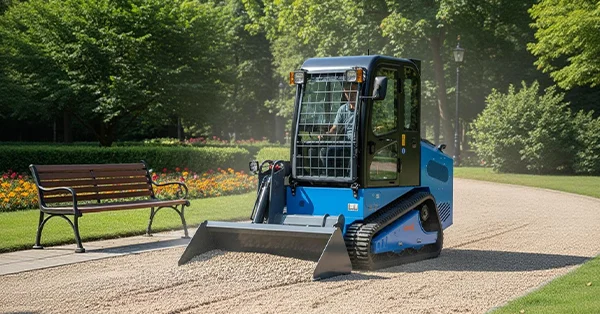
The concept of best Chinese mini skid steer should be understood as a decision framework, not a fixed answer. Effective purchasing depends on reasonable matching between use scenarios, parameter requirements, and operating constraints. Rather than seeking a single optimal option, the goal is to align machine characteristics with real-world conditions and limitations.
 Home
Home
 Producten
 E-mail
 WhatsApp

