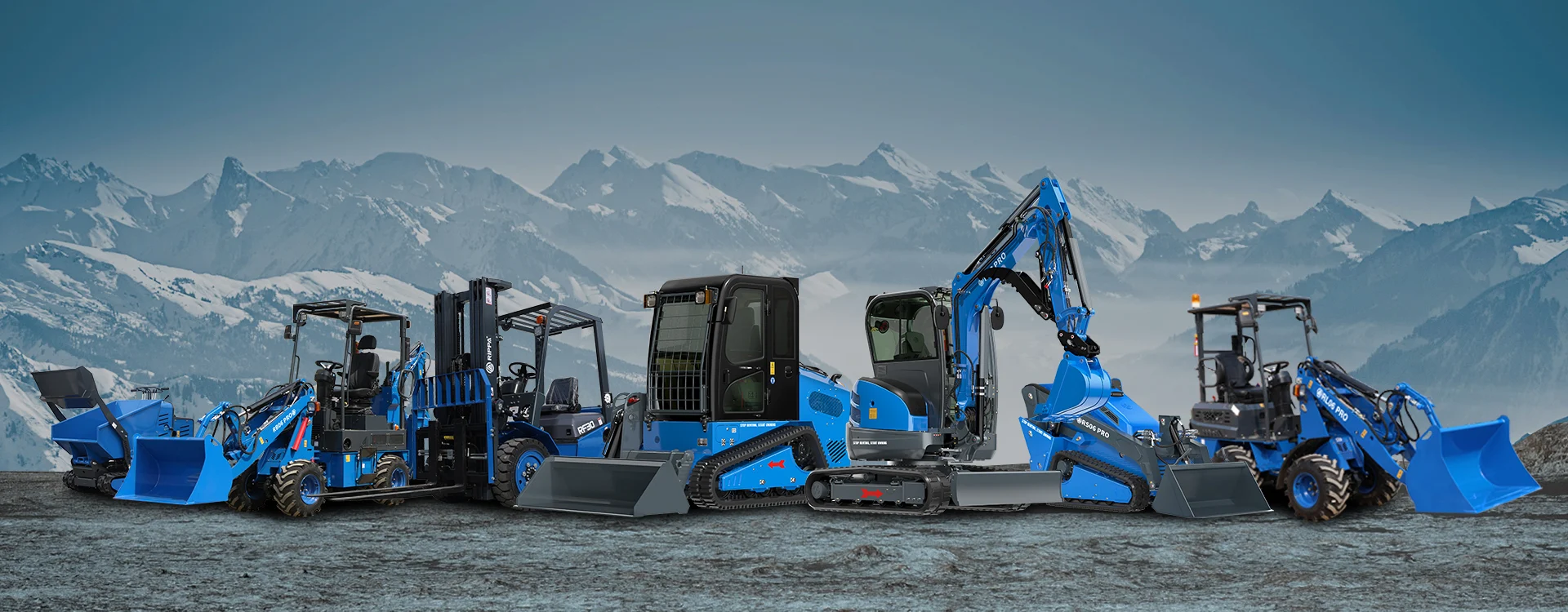
Skid steer loaders have become essential equipment in construction, agriculture, landscaping, and material handling industries. Their compact design, powerful performance, and ability to operate with multiple attachments make them one of the most versatile machines on any job site. However, with so many models available, choosing the perfect skid steer loader can be challenging. This guide will help you make the right investment.

Understand Your Application Requirements
The first step in selecting a skid steer loader is identifying the primary tasks you need the machine to perform. Whether you’re lifting pallets, digging trenches, clearing debris, or moving construction materials, your application will determine the ideal machine size and specifications.
For landscaping projects, a compact skid steer may be sufficient. For heavy-duty construction work, larger models with higher lifting capacities are often required.
Beoordeel de nominale bedrijfscapaciteit (ROC)
Rated Operating Capacity is one of the most important specifications when purchasing a skid steer loader. ROC refers to the maximum weight the machine can safely lift and transport.
Typical categories include:
- Small Frame: Up to 1,750 lbs
- Medium Frame: 1,750–2,200 lbs
- Large Frame: Over 2,200 lbs
Choosing a machine with the appropriate ROC improves productivity and reduces unnecessary strain on components.
Choose Between Radial and Vertical Lift
Modern skid steer loaders generally feature either radial lift or vertical lift designs.
Radiale lift
Radial lift machines excel at digging, grading, and pushing applications. Their simpler design often results in lower purchase costs and easier maintenance.
Verticale lift
Vertical lift loaders provide greater reach and lift height, making them ideal for loading trucks, stacking materials, and handling pallets.
Consider Hydraulic Performance
Many skid steer attachments rely heavily on hydraulic power. If you plan to use attachments such as augers, trenchers, brush cutters, or snow blowers, choose a machine with high-flow hydraulic options.
A powerful hydraulic system improves attachment performance and expands the machine’s versatility.
Focus on Operator Comfort
Operator comfort directly affects productivity. Features to consider include:
- Enclosed cab with climate control
- Suspension seat
- Ergonomic joystick controls
- Wide visibility
- Low noise levels
Comfortable operators can work longer hours with reduced fatigue and improved safety.
Review Maintenance Requirements
Maintenance accessibility can significantly impact ownership costs. Look for skid steer loaders that offer:
- Easy engine access
- Ground-level service points
- Durable filters
- Strong dealer support network
Regular maintenance helps maximize machine lifespan and reduce downtime.
Compare Attachment Compatibility
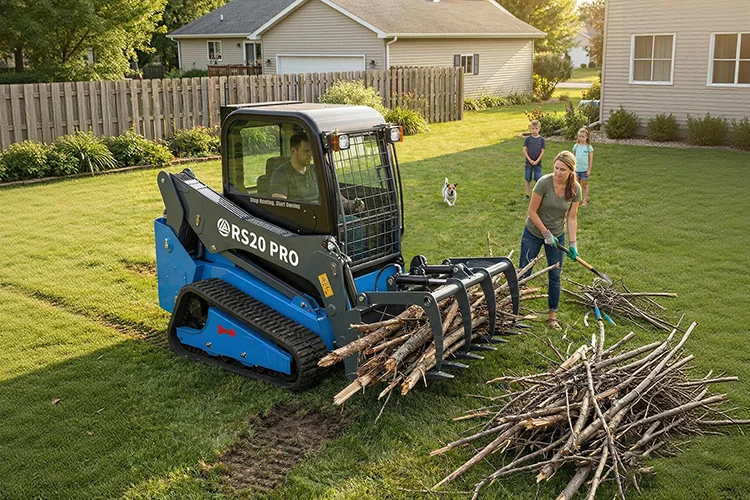
One of the biggest advantages of skid steer loaders is attachment versatility. Popular attachments include:
- Emmer
- Palletvorken
- Schroefboren
- Gravenmachines
- Veegmachines
- Grijpers
- Sneeuwblazers
Verify that your chosen machine supports the attachments necessary for your operations.
Conclusie
Choosing the perfect skid steer loader requires careful consideration of lifting capacity, hydraulic performance, attachment compatibility, operator comfort, and maintenance requirements. By evaluating your workload and selecting a machine that matches your needs, you can maximize productivity, reduce operating costs, and achieve long-term value from your investment.
Meta Description: Learn how to choose the perfect skid steer loader with this complete buying guide. Discover key factors including lifting capacity, hydraulic performance, attachments, and maintenance.
 Home
Home
 Producten
 E-mail
 WhatsApp

