
Why Proper Skid Steer Operation Matters
Learning how to operate a skid steer loader correctly is essential for safety, productivity, and equipment longevity. Skid steer loaders are compact but powerful machines, and improper operation can result in:
-
1)Reduced machine lifespan
-
2)Increased maintenance costs
-
3)Jobsite accidents and downtime
For contractors, rental users, and fleet operators, standardized operation procedures are critical.
Pre-Operation Checks Before Starting a Skid Steer
Visual Inspection
Before starting the machine, operators should inspect:
-
1)Tires or tracks for visible damage
-
2)Hydraulic hoses for leaks
-
3)Attachment locking mechanisms
-
4)Fluid levels (engine oil, hydraulic oil, coolant)
Safety Devices
Ensure that:
-
1)Seat belt is functional
-
2)Safety interlock system engages correctly
-
3)Emergency shutoff controls are accessible
Starting the Skid Steer Loader
Entering the Cab Safely
Always use designated handholds and steps. Never enter or exit the cab with raised lift arms.
Engine Start Procedure
1)Sit fully in the operator seat
2)Fasten the seat belt
3)Engage the parking brake
4)Start the engine and allow it to idle
Letting the engine warm up ensures stable hydraulic performance.
Basic Skid Steer Controls Explained
Drive Controls
Most skid steers use:
-
1)Joystick controls
-
2)Hand-and-foot control systems
Pushing both controls forward moves the machine forward. Independent control allows turning by varying wheel speed.
Understanding Skid Steering
A skid steer turns by rotating wheels on one side faster than the other, causing a controlled skid. Operators should avoid sharp turns on hard surfaces to reduce tire wear.

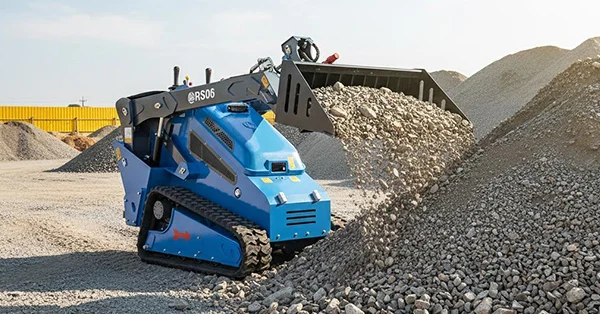
Operating the Loader Arms and Bucket
Lifting and Lowering
-
1)Raise the arms smoothly to maintain load stability
-
2)Avoid sudden movements with heavy loads
Bucket Control
-
1)Tilt forward to dump material
-
2)Tilt backward when carrying loads to prevent spillage
Proper bucket positioning improves balance and visibility.
Driving Techniques for Safe Operation
Traveling With a Load
Always carry loads low to the ground. Elevated loads raise the center of gravity and increase rollover risk.
Operating on Slopes
-
1)Drive straight up or down slopes
-
2)Avoid turning on inclines
-
3)Never exceed manufacturer-recommended slope limits
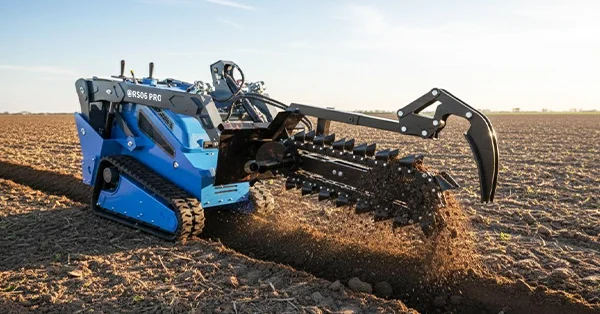
Using Attachments on a Skid Steer
Attachment Installation
Most skid steers use a quick-attach system:
1)Align the machine with the attachment
2)Engage the mounting plate
3)Lock attachment pins securely
Hydraulic Attachments
Before connecting hydraulic lines:
-
1)Shut off the engine
-
2)Relieve hydraulic pressure
Incorrect attachment installation is a common cause of operational failure.
Common Operating Mistakes to Avoid
Overloading the Machine
Exceeding rated operating capacity stresses the hydraulic system and frame.
Abrupt Direction Changes
Sharp turns at high speed accelerate tire and driveline wear.
Shutting Down the Skid Steer Loader
Proper Shutdown Procedure
1)Lower the lift arms fully
2)Set the parking brake
3)Idle the engine briefly
4)Turn off the engine and remove the key
Post-Operation Inspection
A quick inspection after operation helps identify early signs of wear or leaks.
Training and Operator Responsibility
Why Training Is Essential
Even experienced operators benefit from formal training, especially when using new models or attachments.
Final Conclusion
Operating a skid steer loader safely and efficiently requires understanding machine controls, respecting load limits, and following proper operating procedures. Operators who follow standardized practices achieve higher productivity, fewer breakdowns, and safer jobsites.
 Home
Home
 Producten
 E-mail
 WhatsApp

