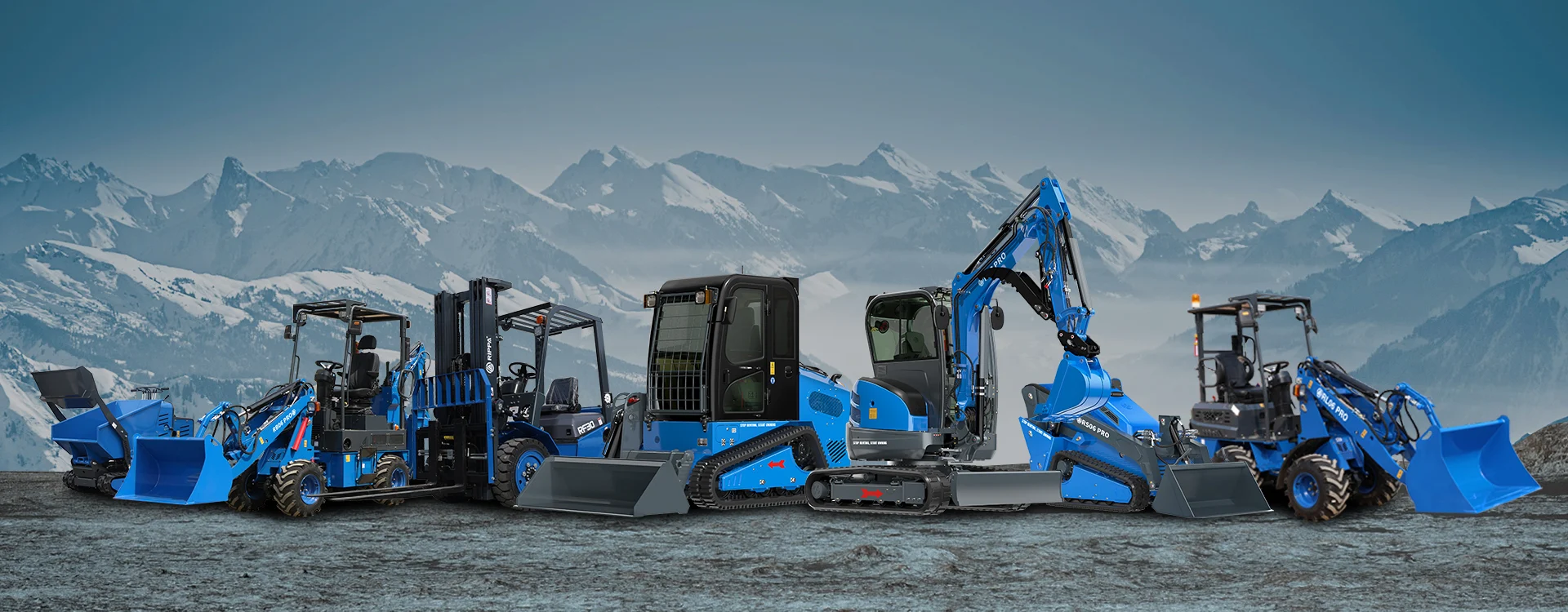
Starting a mini skid steer dealership requires a clear business model, a defined customer base, a reliable equipment supply source, and a realistic financial plan. Entrepreneurs can build a dealership around direct equipment sales, an online storefront, a physical location, or a combination of sales channels.
The first step is to understand who will buy your equipment and what those customers need. From there, you can choose a product range, evaluate manufacturers, estimate startup costs, and establish a process for fulfilling orders and supporting customers.
1. Develop a Mini Skid Steer Dealership Business Plan
A business plan helps turn the dealership idea into a workable operation. It should explain your target customers, product offering, sales channels, purchasing strategy, estimated costs, and customer support approach.
Define Your Customer Segment
Mini skid steer loaders may appeal to landscaping contractors, hardscaping businesses, property maintenance companies, small construction firms, and other commercial buyers working in restricted spaces.
Research the businesses in your target area. Learn which tasks they perform, how they currently source equipment, and which product features influence their buying decisions.
Use this information to identify a market segment you can serve effectively instead of attempting to sell every type of machine to every customer.
Choose Your Dealership Model
Consider how you will reach buyers and manage equipment orders.
| Business model | Main considerations |
|---|---|
| Online-first dealership | Product pages, inquiry handling, digital marketing, and delivery coordination |
| Physical equipment dealership | Premises, storage, customer visits, equipment handling, and local promotion |
| Regional distributor | Supplier agreements, market coverage, repeat orders, and customer relationships |
| Specialized compact-equipment seller | Focused product knowledge, compatible attachments, and targeted customer acquisition |
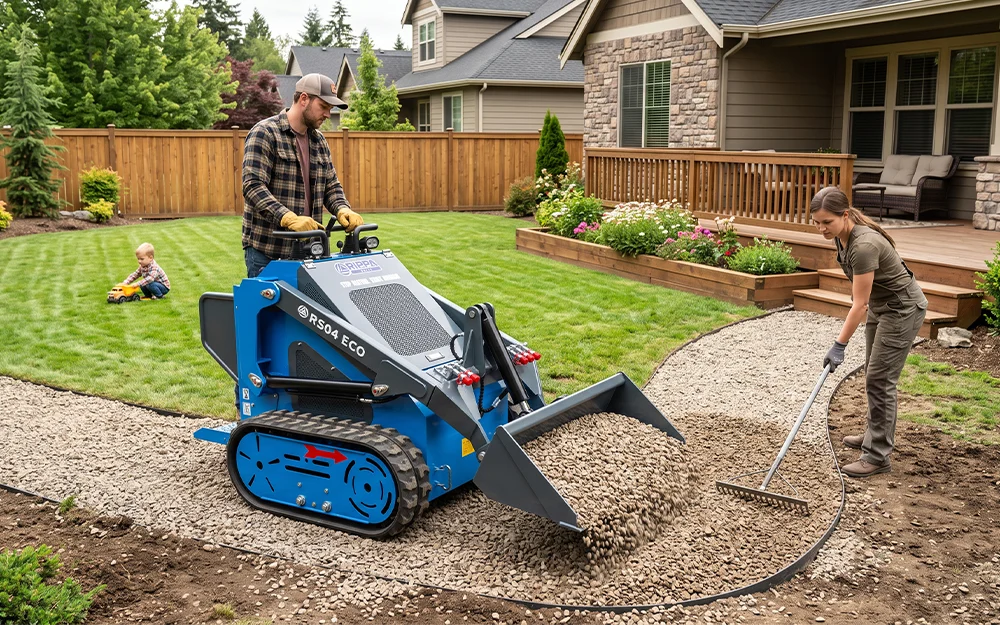
Each model has different financial and operational requirements. Choose one that fits your resources and the way your customers prefer to buy equipment.
2. Research Startup Costs and Cash Flow
One of the most important steps in starting a mini skid steer dealership is calculating the capital required to operate the business, not just the cost of buying machines.
Identify Your Initial Expenses
Depending on the business model, startup expenses may include:
- Business registration and professional services
- Initial equipment purchases
- Freight, import charges, and delivery
- Storage, premises, and equipment handling
- Insurance and accounting
- Website development and sales materials
- Marketing and customer acquisition
- Parts planning and customer support
- Working capital for routine operating expenses
Some costs are one-time expenses, while others recur monthly or with every shipment. Separate them in your budget so you can understand how much capital is required before sales revenue becomes consistent.
Build a Cash-Flow Forecast
Estimate when you will need to pay suppliers, when equipment is expected to arrive, and when customers are likely to pay. The timing may differ depending on your commercial terms and sales model.
Prepare conservative, expected, and optimistic sales scenarios. This helps you assess whether the business can cover its expenses if sales take longer than expected.
Avoid basing a startup decision on an assumed sales volume without supporting customer research or actual inquiry data.
3. Source Mini Skid Steer Loaders From Suitable Manufacturers
Your supplier determines which products you can offer and how you coordinate purchasing, documentation, and support.
Request Detailed Product Information
Ask potential suppliers for specifications for the exact models under consideration. Review intended applications, machine dimensions, operating characteristics, attachment compatibility, and maintenance requirements.
Request clear information about which accessories are included and which require additional payment. This makes it easier to compare quotations and prepare accurate product pages.
Compare Supplier Commercial Terms
Ask about order quantities, payment conditions, production lead times, shipment arrangements, and available support. Clarify how changes to an order are handled and who is responsible for each stage of delivery.
A supplier comparison should include the full commercial arrangement rather than just the machine’s unit price.
Check Product and Business Documentation
Verify the supplier’s business identity and ask what technical, product, and shipping documentation is available. Confirm applicable requirements for the equipment’s destination and intended use.
For imported machines, consult the relevant authorities or a qualified customs professional about import requirements and any applicable state-specific rules.
4. Select a Product Range That Fits Your Market
A new dealership does not necessarily need a large catalog from the beginning. A focused range can make product education, purchasing, and customer communication more manageable.
Match Products to Customer Applications
Think about the jobs your customers perform most often. Some may need machines for landscaping and material movement, while others may prioritize compatibility with particular attachments.
Organize your product offering around practical use cases. Explain what each configuration is intended to do, which accessories are included, and what buyers should confirm before ordering.
Create a Product Comparison System
Prepare a consistent comparison sheet that covers the relevant specifications, included attachments, maintenance information, delivery arrangements, and commercial terms.
A structured comparison helps sales staff answer questions consistently and makes it easier for customers to understand the differences between available options.
5. Plan Inventory, Delivery, and Order Fulfillment
Inventory decisions influence cash flow, storage needs, and the ability to meet customer expectations.
Decide Whether to Hold Inventory
Holding equipment may help you respond to demand when machines are available, but it also requires capital, storage, handling, and inventory management.
An order-based model may reduce the need to maintain a large stock, but customers must understand the actual production and shipping timelines. The best approach depends on demand, supplier arrangements, and available resources.
Establish a Delivery Process
Before accepting an order, confirm the destination, transportation arrangements, unloading requirements, and responsibilities for any import procedures.
Prepare a receiving checklist to compare delivered equipment against the purchase order. Record machine identification information, included attachments, and any visible damage, and follow the relevant procedures if a discrepancy occurs.
6. Create a Customer Support and Parts Strategy
A dealership needs a plan for handling questions after equipment has been delivered. Customers may ask about maintenance, component identification, compatible attachments, or technical issues.
Ask your supplier what manuals and parts information are available, how parts orders are processed, and how technical questions should be submitted.
Create a simple process for recording customer details, equipment identification, inquiry history, and follow-up actions. This helps your team respond consistently and provides useful information for future purchasing decisions.
Before offering any warranty statements, review the actual written terms for the product and make sure your sales materials reflect them accurately.
7. Market Your Mini Skid Steer Dealership
A dealership needs a clear way to attract qualified buyers and turn inquiries into sales.
Build Useful Website Content
Your website should help customers evaluate equipment, not simply display product photographs. Include accurate product specifications, intended applications, attachment information, purchasing steps, and a clear inquiry method.
Useful topic areas may include mini skid steer loader for sale, mini skid steer dealership, compact skid steer equipment, and mini skid steer attachments. Each page should have a distinct purpose and answer the searcher’s question directly.
Use Local and Industry Relationships
Build relationships with contractors, landscapers, agricultural businesses, and other commercial buyers. Relevant industry events and business networks may also help you understand customer needs and establish contacts.
If you create local landing pages, ensure they reflect a real service area or business presence. Do not imply that you operate a physical location or service facility where none exists.
Track Lead Quality
Measure the number of qualified inquiries, quotation requests, follow-ups, and completed sales. Also record which products attract serious buyers and which questions commonly prevent a purchase.
This information can guide product selection and marketing investment more effectively than website traffic alone.
8. Avoid Common Dealership Startup Mistakes
New equipment businesses can encounter difficulties when they underestimate costs or commit to products before validating demand.
Common issues include:
- Choosing suppliers based on price alone
- Ordering more inventory than cash flow can support
- Failing to confirm delivery costs and responsibilities
- Publishing incomplete or inaccurate product specifications
- Making unsupported claims about product performance or support
- Overlooking spare parts and customer service
- Spending on marketing without tracking qualified inquiries
A practical way to reduce these risks is to verify important information before placing orders, document agreements, and review actual sales and inquiry data regularly.|
Veelgestelde vragen
How do I start a mini skid steer dealership?
Research the market, choose your target customers, build a financial plan, compare manufacturers, select a product range, and establish sales, delivery, and support processes. Confirm the supplier’s terms before committing capital.
Is an online mini skid steer dealership possible?
Yes. An online-focused business can use product pages, digital marketing, and direct inquiry handling to reach buyers. It still needs accurate product information, reliable suppliers, clear delivery arrangements, and a customer support process.
How do I choose a wholesale supplier?
Compare the supplier’s business background, product information, commercial terms, order process, documentation, and parts support. Request written quotations for equivalent configurations before deciding.
How much inventory should a new dealership purchase?
The appropriate quantity depends on expected demand, available working capital, storage, delivery arrangements, and supplier requirements. Use market research and actual customer inquiries to guide the decision rather than assuming that a large opening order is necessary.
How can I attract B2B customers?
Develop useful product pages, build relationships with relevant contractors and commercial businesses, respond promptly to quotation requests, and track which channels produce qualified inquiries and sales.
Build Your Dealership Around a Sustainable Business Model
Starting a mini skid steer dealership involves balancing customer demand, supplier selection, purchasing costs, inventory, marketing, and ongoing support. A clear business plan can help you prioritize spending and build a product offering that matches the needs of your market.
Begin by validating demand, comparing supplier terms, and preparing a realistic cash-flow forecast. Once the core purchasing and delivery processes are clear, you can expand your product range and marketing activities according to actual business results.
 Home
Home
 Producten
 E-mail
 WhatsApp

