Skid Steer Loader Export Requirements: What International Buyers Should Prepare
Buying a skid steer loader from an overseas manufacturer involves more than selecting a machine and agreeing on a price. International buyers must also confirm destination-country requirements, product documentation, shipping responsibilities, and customs procedures before the equipment is dispatched.
For importers, distributors, and construction equipment dealers, preparing these details early can reduce delays and misunderstandings during international purchasing.
This guide explains the main skid steer loader export requirements that buyers should discuss with their suppliers before confirming an order.
1. Check the Import Requirements of Your Destination Country
The first step is to identify the requirements of the country where the skid steer loader will be imported.
Different markets may have different rules covering machinery safety, emissions, customs classification, labeling, and conformity documentation.
Before placing an order, buyers should check:
- Whether the machine category is permitted for import
- Which technical or conformity documents are required
- Whether engine emissions requirements apply
- Whether product labels or manuals need local-language information
- What customs classification and import duties may apply
- Whether additional inspections are required before clearance
Requirements can depend on the machine configuration, engine, intended use, and destination market.
Do not assume that a document accepted in one country will automatically satisfy another country’s import rules. Buyers should confirm requirements with local customs authorities, an experienced customs broker, or a qualified compliance professional.
2. Confirm the Exact Skid Steer Loader Configuration
Export documentation should match the actual equipment being shipped.
Before finalizing the order, confirm the exact model and configuration with the manufacturer.
Important details include:
Machine Model
Identify the specific skid steer loader model and make sure the quotation, order confirmation, and product documents refer to the same machine.
Engine Information
Confirm the engine brand, model, and relevant technical information. This is particularly important when the destination market has specific emissions or import requirements.
Hydraulic Configuration
Review the machine’s hydraulic system and confirm whether it supports the attachments required for your intended applications.
Attachments and Accessories
List all included attachments and optional accessories. Make sure the commercial documents clearly identify what is included in the shipment.
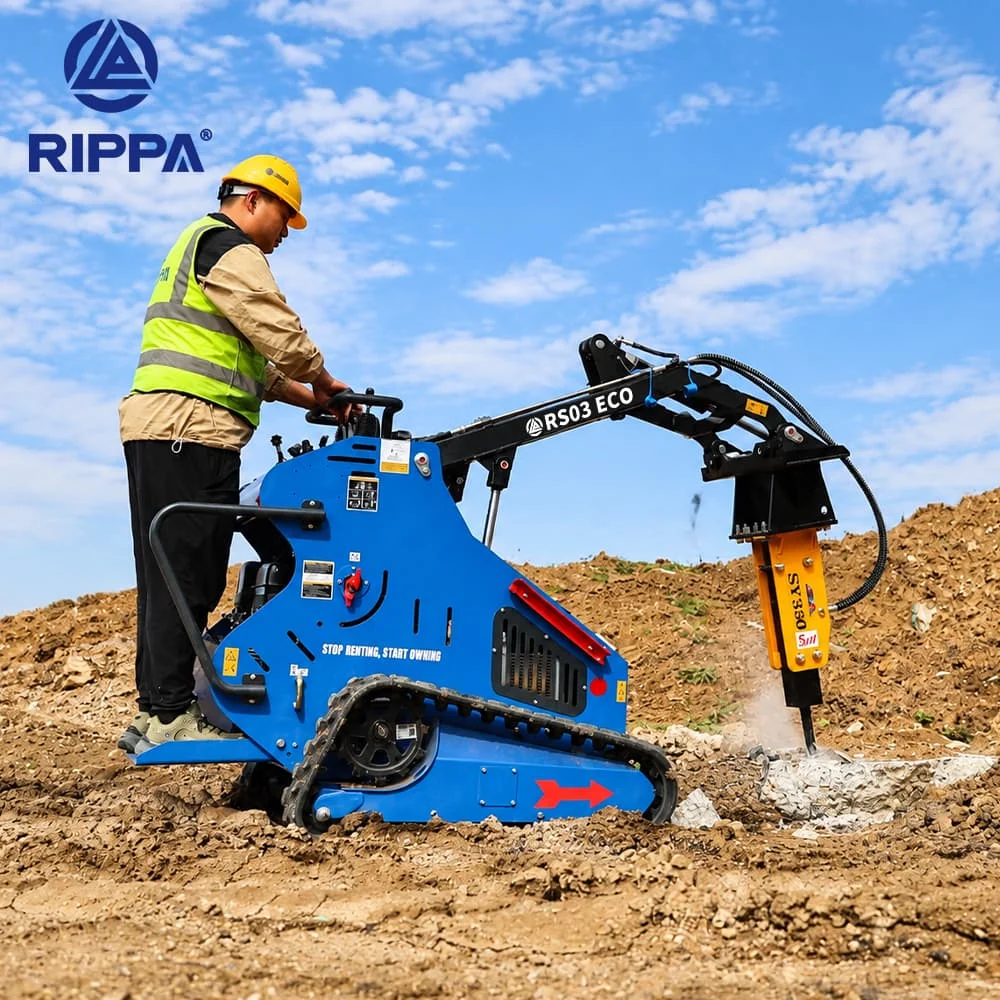
For example, RIPPA’s RS skid steer loader range includes RS03, RS04, RS06, RS07, RS10, and RS20. Buyers should review the individual model information and confirm the actual configuration before ordering.
3. Prepare the Main Export and Shipping Documents
International skid steer loader transactions commonly involve several commercial and transportation documents.
The exact document package depends on the destination country, shipping arrangement, and transaction terms.
| Document | Main Purpose |
|---|---|
| Commercial Invoice | Records the seller, buyer, goods, and transaction value |
| Packing List | Identifies the shipment contents and packaging details |
| Bill of Lading | Provides the main shipping document for ocean freight |
| Certificate of Origin | Establishes origin when required or requested |
| Product Specifications | Describes the machine and its configuration |
| Operation Manual | Provides operating and safety information |
| Conformity Documents | Supports applicable destination-market requirements |
Not every shipment requires every document listed above. Buyers should confirm the exact requirements before shipment.
It is also important to check that the model description, quantity, consignee information, and other relevant details are consistent across the documents.
4. Understand Shipping Terms and Responsibilities
Before the skid steer loader leaves the factory, both parties should understand who is responsible for each part of the transportation process.
Discuss the following:
- Export clearance
- Packaging and loading
- Inland transportation to the departure port
- International freight
- Cargo insurance
- Destination port handling
- Import customs clearance
- Final transportation to the buyer’s location
The agreed Incoterms should clearly define the responsibilities of the seller and buyer.
For example, buyers should not assume that a factory quotation includes destination customs clearance, import taxes, unloading, or final delivery.
Ask the supplier to explain which costs are included and which expenses need to be arranged separately.
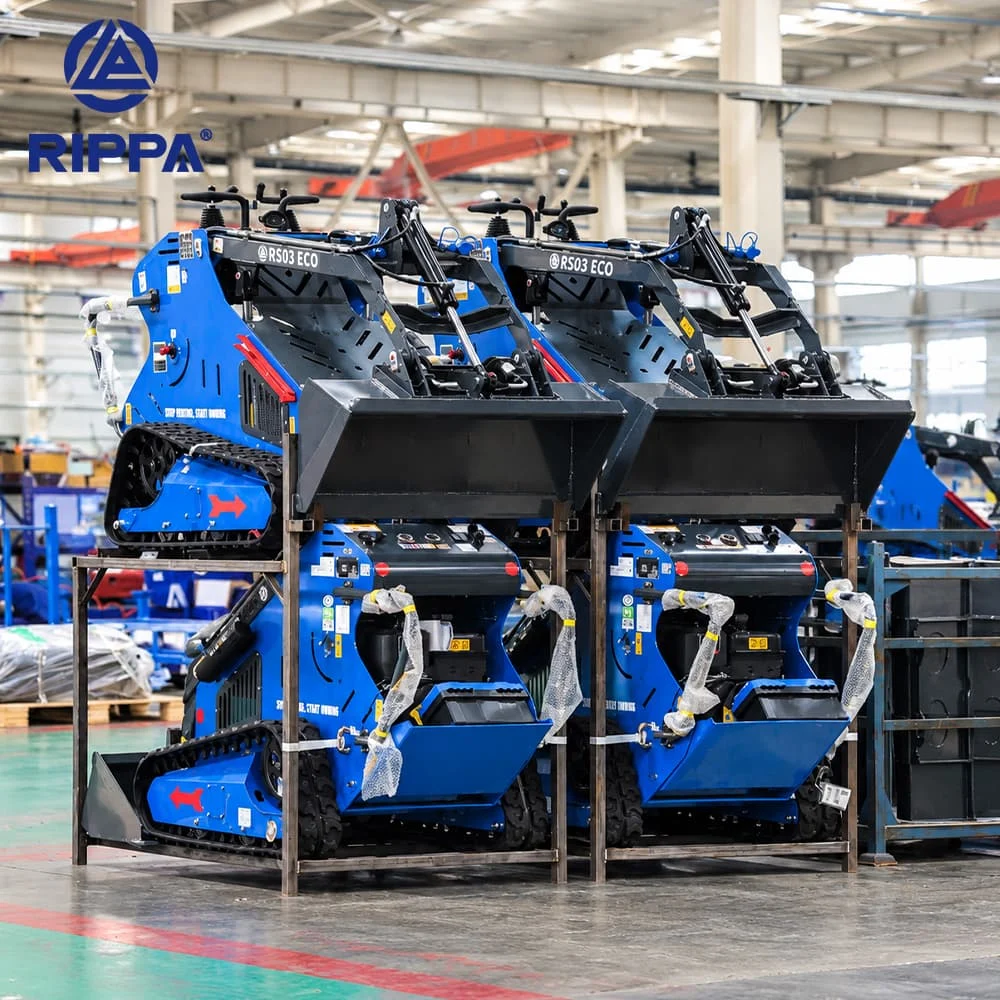
5. Confirm Packaging and Loading Arrangements
Construction equipment requires appropriate preparation for international transportation.
Before shipment, discuss how the skid steer loader will be prepared, protected, and loaded.
Questions to confirm include:
- What packaging method will be used?
- How will the machine be secured during transportation?
- Are attachments packed together with the loader or separately?
- Are dimensions and shipping weight available?
- Are loading photographs available before dispatch?
- Who confirms the final packing list?
For buyers importing multiple machines, packaging and loading plans should be confirmed for the complete order rather than handled through informal communication.
6. Calculate the Complete Import Cost
The factory price is only one part of the total purchasing cost.
International buyers should prepare a landed-cost calculation that considers the major expenses involved in bringing the equipment to its final destination.
A typical cost checklist includes:
- Skid steer loader purchase price
- Optional attachments and accessories
- Export packaging
- Inland transportation
- International freight
- Cargo insurance
- Customs duties and taxes
- Port handling and clearance
- Local transportation
- Any applicable inspection or compliance costs
Some expenses may be included in the supplier’s quotation, depending on the agreed shipping terms.
For equipment dealers, calculating the complete landed cost is essential when determining local selling prices and expected profit margins.
7. Prepare an Export Confirmation Checklist Before Shipment
Before authorizing shipment, buyers should review the following items with the supplier.
- Confirm the machine model and quantity.
- Verify the engine and hydraulic configuration.
- Confirm attachments and included accessories.
- Check product specifications and manuals.
- Verify the destination-country import requirements.
- Review the commercial invoice and packing list.
- Confirm the agreed shipping terms.
- Clarify freight and insurance responsibilities.
- Confirm packaging and loading arrangements.
- Agree on the process for receiving shipping documents.
For larger orders, maintain written records of all confirmed details. Any changes to the equipment configuration or shipping arrangements should be documented and acknowledged by both parties.
8. Discuss Skid Steer Loader Export Orders with RIPPA
RIPPA is a Chinese construction machinery manufacturer based in Jining, Shandong Province. Its product range includes skid steer loaders, mini excavators, excavators, wheel loaders, and other construction machinery.
International buyers interested in skid steer loaders can review the RIPPA RS Series and discuss their intended applications and purchasing requirements with the team.
To make an export inquiry more efficient, prepare:
- Destination country and preferred port
- Required skid steer loader model
- Intended working applications
- Engine or configuration preferences
- Attachment requirements
- Estimated order quantity
- Any known import or documentation requirements
These details help establish the basis for discussing the equipment, quotation, and export arrangements.
Frequently Asked Questions
What documents are needed to export a skid steer loader?
Common documents may include a commercial invoice, packing list, bill of lading, product specifications, and other documents required by the destination market. A certificate of origin or conformity documentation may also be needed depending on the transaction and country.
Can I import a Chinese skid steer loader into my country?
Import eligibility depends on the destination country’s customs, machinery, emissions, and conformity requirements. Buyers should verify these requirements before confirming an order.
Who is responsible for import duties and taxes?
Responsibility depends on the agreed Incoterms and commercial arrangement. Buyers should confirm all cost and clearance responsibilities before shipment.
Does every skid steer loader require the same export documents?
No. Requirements can vary according to destination, machine configuration, shipping method, and applicable regulations.
What information should I provide when requesting an export quotation?
Provide your destination country, required model, intended application, attachment requirements, order quantity, and preferred shipping destination.
Conclusion
Skid steer loader export requirements involve more than preparing a machine for transportation. Buyers must confirm destination-market rules, product configuration, commercial documents, shipping responsibilities, and the complete import cost.
For international importers and equipment dealers, preparing these details before ordering helps create a clearer purchasing process.
Explore the RIPPA skid steer loader range and contact the team to discuss product information and export purchasing requirements.
 Home
 Products
 Email
 WhatsApp

