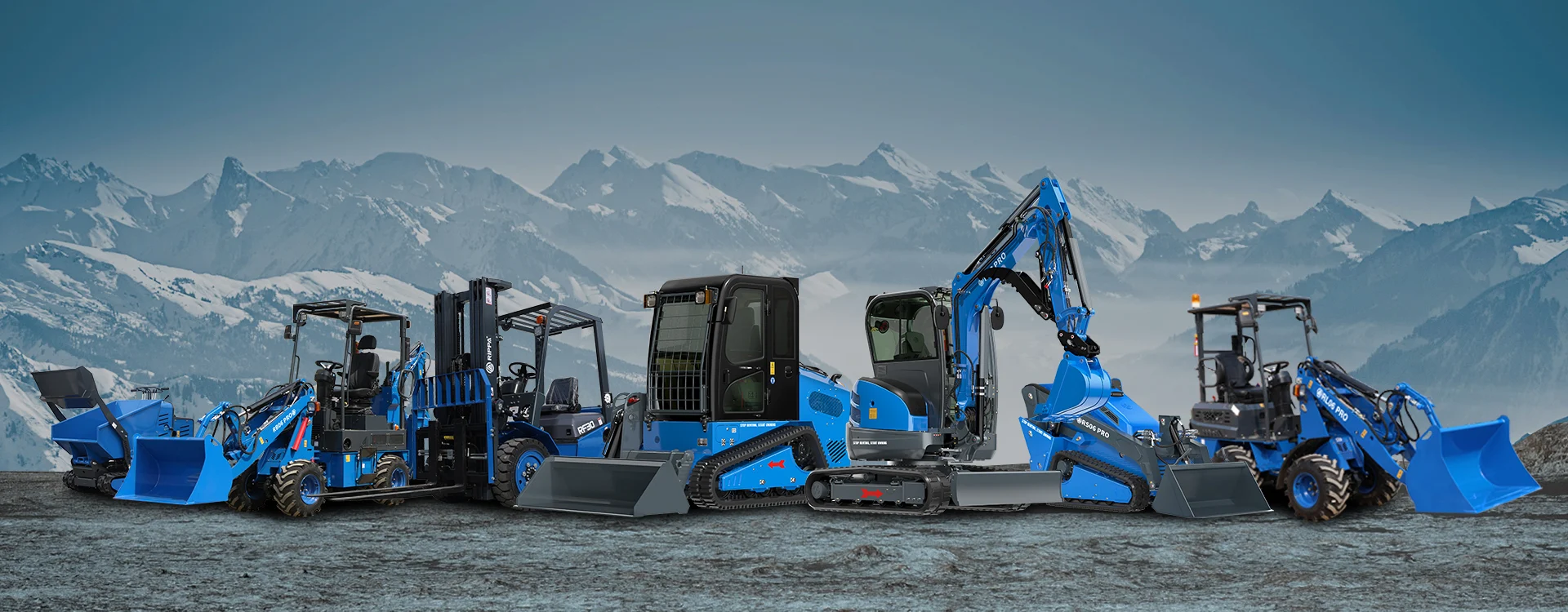
Skid steer loaders and compact track loaders (CTLs) are essential equipment in construction, agriculture, landscaping, roadwork, and mining. Although both machines share a similar compact body, strong power output, and exceptional maneuverability, they perform differently depending on jobsite conditions. Understanding their differences helps contractors choose the right machine and maximize productivity.

This guide provides a clear, practical comparison of skid steer loaders and compact track loaders, including strengths, weaknesses, operating costs, maintenance needs, and use-case recommendations.
Wat is een schranklader?
A skid steer loader uses wheels and a skid-steering mechanism—each side of the wheels moves independently, allowing the machine to turn by skidding one side. This gives skid steers a very tight turning radius and excellent agility in narrow or obstacle-dense areas.
Common Applications
With the right attachments, skid steer loaders can perform a wide variety of tasks:
-
Moving dirt, gravel, sand, and construction materials
-
Pallet loading and Distribution Center handling
-
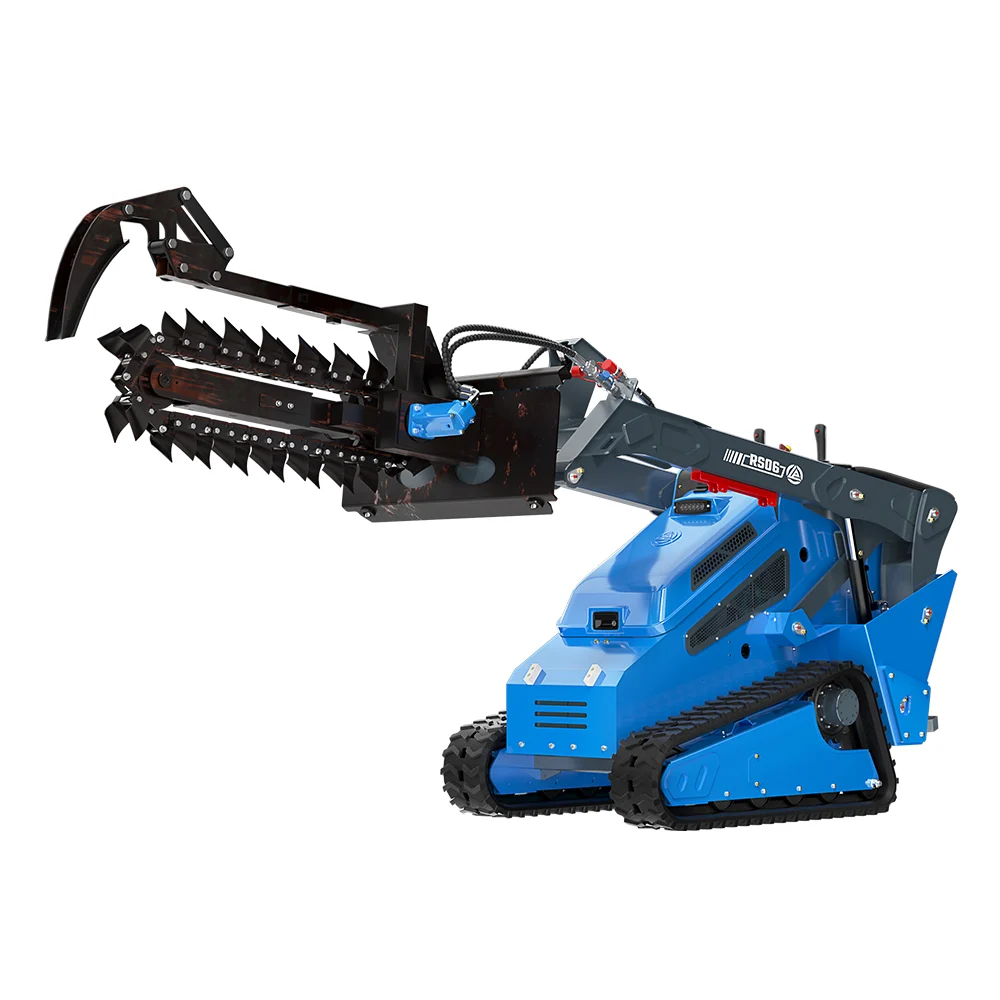
Trenching
-
Stump grinding
-
Fence building
-
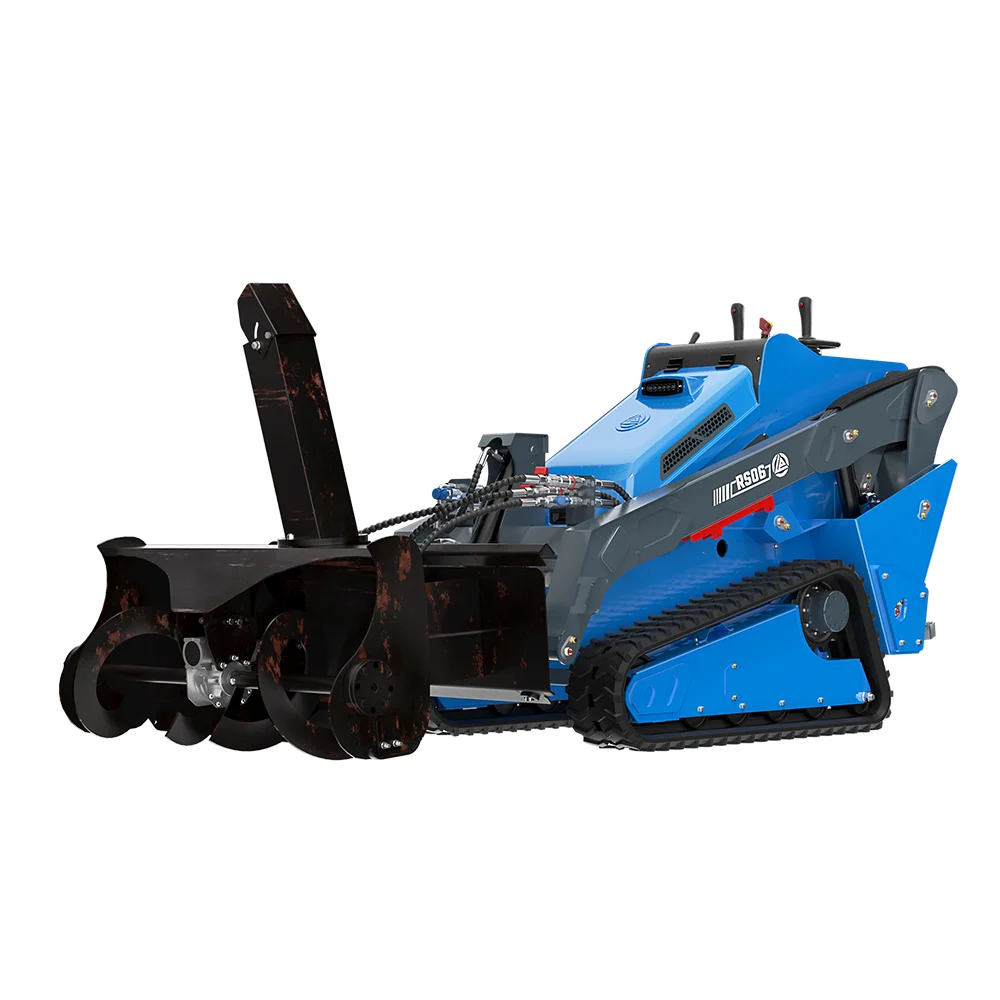
Sneeuwruimen
-
General earthmoving and landscaping
Their versatility makes skid steers one of the most widely used machines on modern jobsites.
What Is a Compact Track Loader (CTL)?
Unlike skid steers, compact track loaders use rubber tracks instead of wheels. This design helps the machine maintain stability and traction even on soft, muddy, snowy, or uneven ground. Operators also benefit from a higher seating position, giving them improved jobsite visibility.
A CTL can handle most tasks a skid steer does—but with more traction, stability, and lifting capacity. This explains why CTLs have become the dominant choice globally, with sales reaching 93,000 units in 2022, far surpassing the 30,000 units of skid steers.
Skid Steer vs. Track Loader: Pros and Cons
Below is a practical comparison across the key performance categories that matter most to buyers and contractors.
1. Speed
-
Skid Steer (Advantage):
Faster on hard, flat surfaces such as concrete, asphalt, developed work areas, or indoor job sites. -
CTL:
Slightly slower, but more consistent in rough terrain.
2. Maneuverability
-
Skid Steer:
Extremely quick and responsive. Ideal for tight, congested areas. -
CTL:
Turning response is a bit slower due to increased weight, but performs far better in mud, snow, and soft ground.
3. Power & Lifting Capacity
-
CTL (Advantage):
Tracks distribute weight evenly, increasing ground contact area and delivering more pushing force, stability, and lifting strength. -
Skid Steer:
Strong, but generally less stable under heavy loads on uneven surfaces.
4. Maintenance
-
Skid Steer (Advantage):
Simple chassis design, easier to maintain, and wheel maintenance is cheaper. -
CTL:
Tracks, sprockets, and undercarriage require frequent inspection and can be costly to repair or replace.
5. Operating Costs
Skid steer loaders have lower:
-
Fuel consumption
-
Daily operating costs
-
Preventive maintenance expenses
CTLs incur extra costs mainly from:
-
Track and undercarriage wear
-
Higher replacement part prices
CTLS used in harsh terrain may face increased repair frequency.
6. Durability & Service Life
Machine lifespan depends on workload, terrain, and maintenance quality.
-
Skid Steer: Usually lasts longer on hard, flat surfaces.
-
CTL: Designed for harsh ground but experiences faster wear because tracks constantly contact abrasive surfaces.
Regular replacement of tires (skid steer) or tracks (CTL) is crucial for maximizing lifespan.
Which Machine Performs Better for Earthmoving?
Skid Steer for Earthmoving
Best suited for:
-
Tight spaces
-
Hard ground
-
Fast loading cycles
Its quick travel speed and strong maneuverability improve productivity when material needs to be repeatedly transported short distances.
Attachments like buckets, trenchers, augers, and backhoe arms expand its capabilities for earthmoving tasks.
Compact Track Loader for Earthmoving
CTLs provide:
-
Superior traction
-
Greater pushing force
-
Better lifting capacity
-
Higher stability on slopes and soft ground
This makes CTLs the preferred choice in:
-
Muddy or sandy terrain
-
Snow and wet conditions
-
Heavy-duty earthmoving or grading
-
Jobs requiring more hydraulic power
The main limitation: slightly reduced maneuverability in very confined areas.

How to Choose the Right Machine for Your Project
Consider these key factors before purchasing or renting:
1. Job Requirements
-
Heavy loads, slopes, or unstable surfaces → Choose CTL
-
Tight spaces, paved ground, or fast cycle work → Choose skid steer
2. Ground Conditions
-
Hard and smooth → Skid steer performs better
-
Soft, muddy, snowy → CTL is the clear winner
3. Budget & Operating Costs
-
Lower purchase price and long-term cost → Schranklader
-
Higher upfront cost but higher capability → CTL
4. Attachment Compatibility
Both machines support a wide range of attachments, but CTLs typically handle larger, heavier, or high-flow hydraulic tools more effectively.
Conclusion: Which One Should You Buy?
Both skid steer loaders and compact track loaders offer impressive versatility and productivity. The correct choice depends on your jobsite conditions, operating budget, and types of tasks your business performs most often:
-
Choose a Skid Steer Loader if speed, maneuverability, and lower operating cost matter most.
-
Choose a Compact Track Loader if you need traction, lifting power, and stability on challenging terrain.
For contractors facing mixed terrains and heavy earthmoving tasks, a CTL may offer the most long-term value. For landscaping, construction in urban areas, Distribution Center , or indoor work, a skid steer remains an efficient and cost-effective solution.
 Home
Home
 Producten
 E-mail
 WhatsApp

