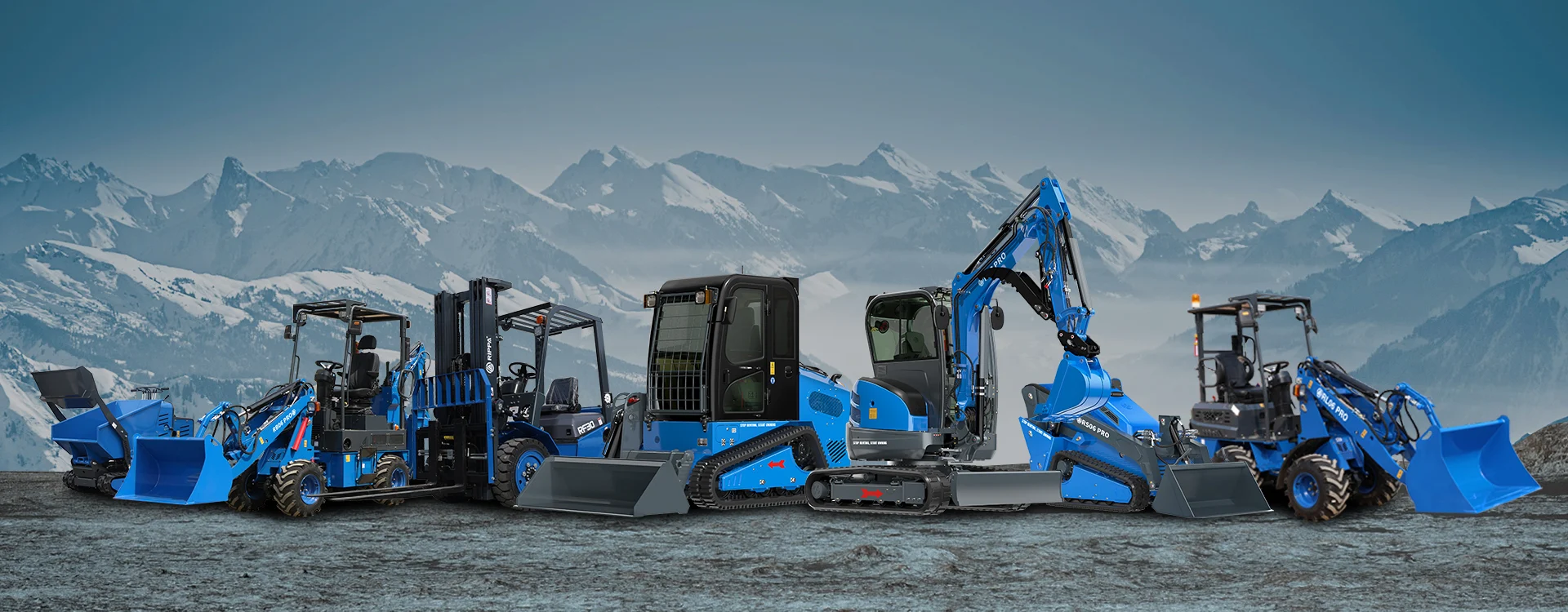
A skid loader is a compact construction machine that uses a skid-steering mechanism to lift, carry, and operate multiple attachments, allowing it to work efficiently in confined spaces.
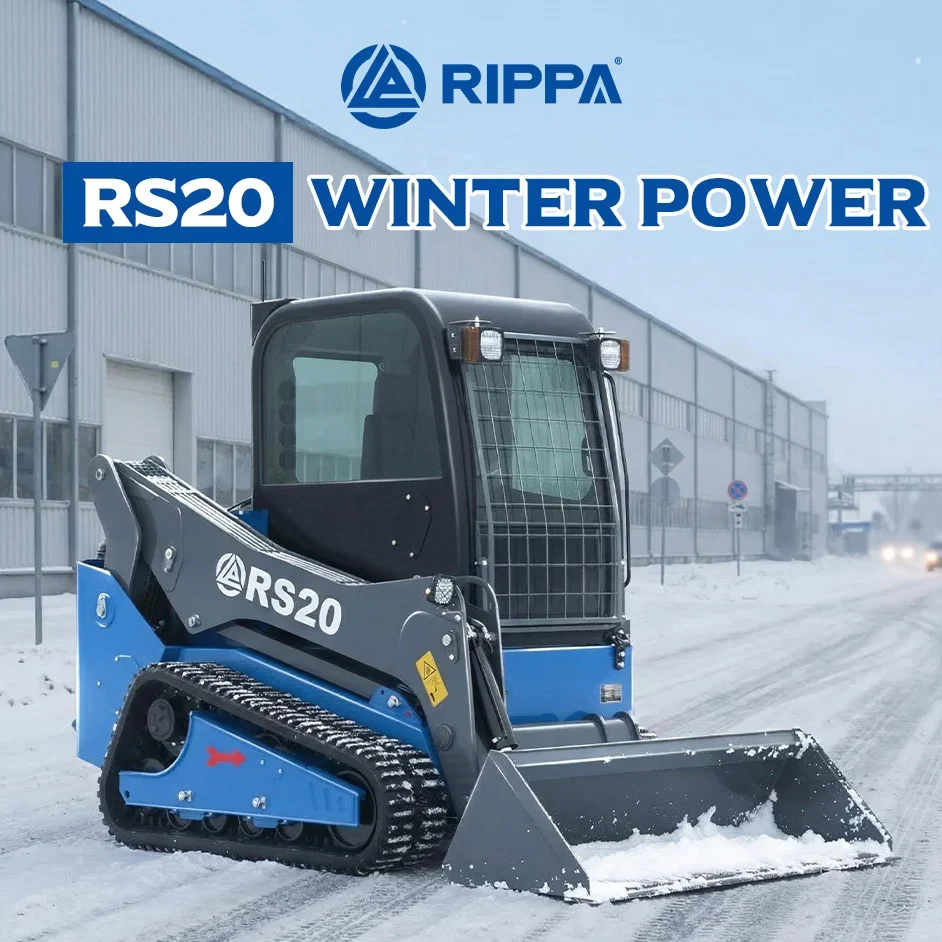
Wat is de definitie?
A skid loader is a small, engine-powered loader that turns by skidding its wheels or tracks across the ground rather than using a traditional steering axle.
The term skid loader is commonly used interchangeably with compacte shovel in construction, agricultural, and industrial contexts.
From a technical definition, a skid loader usually includes the following characteristics:
- ●Independent drive systems on the left and right sides
- ●Skid-steering or differential steering method
- ●Compact body dimensions
- ●Front-mounted lifting arms
- ●Compatibility with multiple hydraulic attachments
In terminology:
- ●“Skid” refers to the sliding motion created during turning
- ●“Loader” refers to its ability to lift and move materials
How It Works / Main Components
Werkingsprincipe
A skid loader operates by varying the speed and direction of the wheels or tracks on each side of the machine.
- ●When both sides move at the same speed, the machine travels straight
- ●When one side slows or reverses, the machine turns
- ●When sides rotate in opposite directions, the machine can pivot in place
Lifting, dumping, and attachment operation are typically controlled by a hydraulic system.
Main Components
A skid loader usually consists of the following systems:
- ●Engine system – commonly diesel-powered
- ●Hydraulisch systeem – powers drive motors and attachments
- ●Drive system – wheeled or tracked undercarriage
- ●Lift arms – vertical or radial configuration
- ●Quick-attach plate – enables fast attachment changes
- ●Operator station – open or enclosed cab
Geschikte toepassingsscenario’s
A skid loader is suitable for tasks that require high maneuverability and frequent tool changes.
Common application environments include:
Bouw
- ●Material loading and unloading on job sites
- ●Interior or underground construction work
- ●Light excavation and backfilling
Landbouw
- ●Feed handling
- ●Manure removal
- ●Farmyard material transport
Municipal and Landscaping
- ●Street and sidewalk cleaning
- ●Land grading and leveling
- ●Sneeuwruimen
Industrial and Warehouse Use
- ●Indoor material handling
- ●Pallet lifting with forks
- ●Maintenance support tasks
Mogelijkheden en beperkingen
What It Can Do
A skid loader kan doorgaans perform the following operations:
- ●Load, carry, and dump loose materials
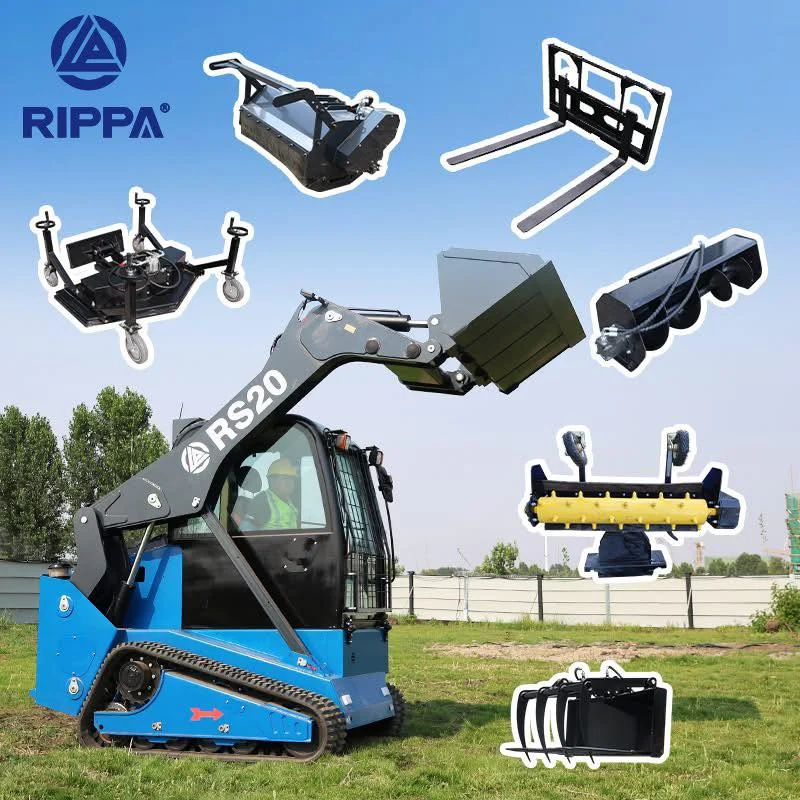
- ●Operate hydraulic attachments such as augers and sweepers
- ●Work efficiently in narrow or restricted areas
- ●Switch between tasks quickly using quick-attach systems
Typical performance ranges include:
| Parameter | Common Range |
|---|---|
| Nominale bedrijfscapaciteit | 300–1500 kg |
| Bedrijfsgewicht | 1,2–4,5 ton |
| Hefhoogte | 2,0–3,8 m |
| Rijsnelheid | 7–15 km/u |
What It Cannot Do
A skid loader is not designed for:
- ●Large-scale or continuous earthmoving
- ●Long-distance transportation
- ●Lifting loads beyond rated capacity
- ●Replacing large loaders or excavators in heavy-duty operations
Veelgestelde vragen
Is a skid loader the same as a skid steer loader?
Yes. In most industry and technical contexts, the two terms refer to the same type of machine.
What is the difference between wheeled and tracked skid loaders?
- ●Wheeled models are better suited for hard surfaces
- ●Tracked models offer lower ground pressure on soft terrain
Does a skid loader require operator training?
Yes. Skid loaders typically require basic operational training, with requirements depending on local regulations.

Samenvatting
A skid loader is a compact, skid-steered machine designed for versatile material handling and attachment-based tasks.
Its design emphasizes maneuverability and multi-function capability, while its load capacity and operating range remain clearly defined.
 Home
Home
 Producten
 E-mail
 WhatsApp

