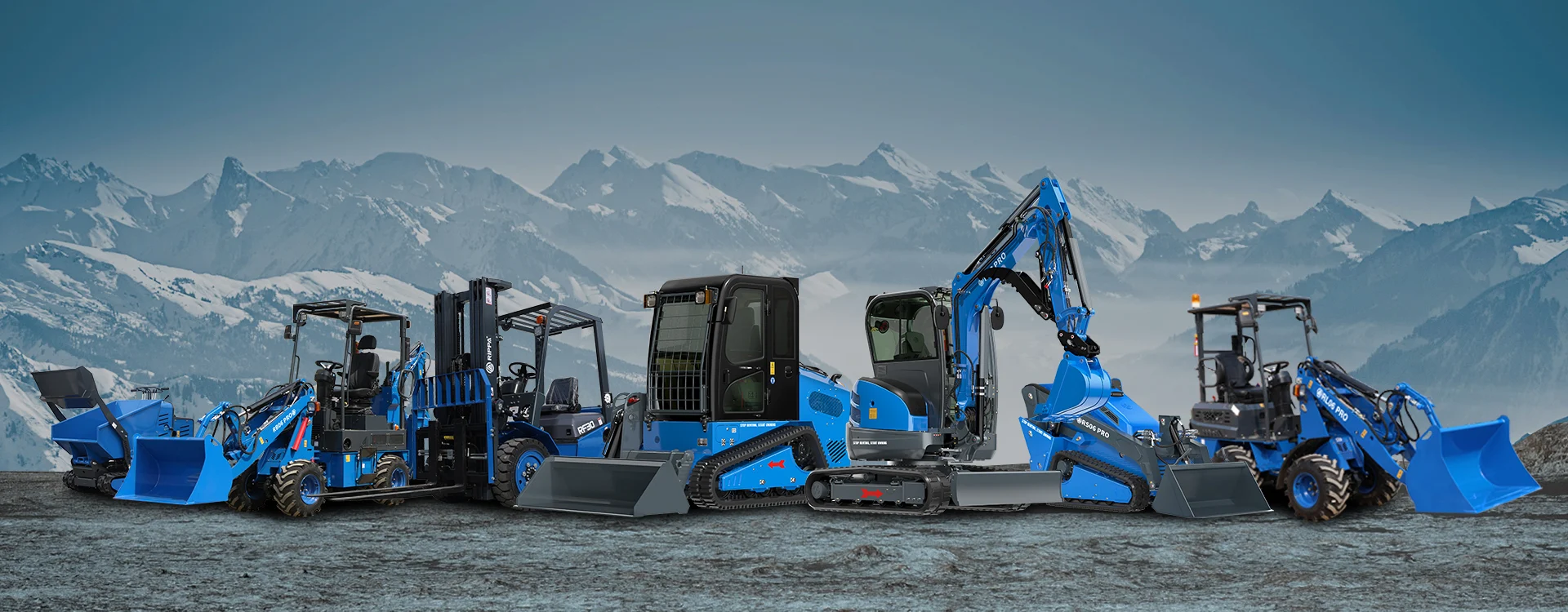
Rental companies need machines that can serve many customers, many project types, and many working environments. A strong rental fleet should not only include large machines for heavy construction. It should also include compact equipment that can be rented frequently by contractors, landscapers, farms, property owners, municipal teams, and small businesses.
Mini excavators are one of the most practical machines for a modern rental fleet because they match a wide range of local work. They can support trenching, drainage, landscaping, driveway repair, farm maintenance, fencing, planting, utility preparation, and small site work.
For rental companies, the value of mini excavators is simple: more applications can create more rental opportunities. But choosing the right mini excavator for rental use also requires attention to durability, parts availability, maintenance access, operator guidance, and support.
This article explains why mini excavators belong in a modern rental fleet and what rental companies should consider before adding them.
Why Mini Excavators Fit Rental Demand
A good rental machine should solve common problems for many types of customers. Mini excavators fit this requirement because digging and trenching needs appear across many industries.
Rental customers may need a mini excavator for:
- A one-day drainage project
- A driveway repair job
- A landscaping renovation
- A farm trenching task
- A fence line project
- A small contractor job
- A property maintenance project
- A utility preparation task
- A seasonal outdoor project
Not every customer wants to buy a machine. Some only need it for a short-term project. Rental gives them access to equipment when they need it, while allowing the rental company to earn revenue from the same machine repeatedly.
Multiple Customer Groups Can Use Mini Excavators
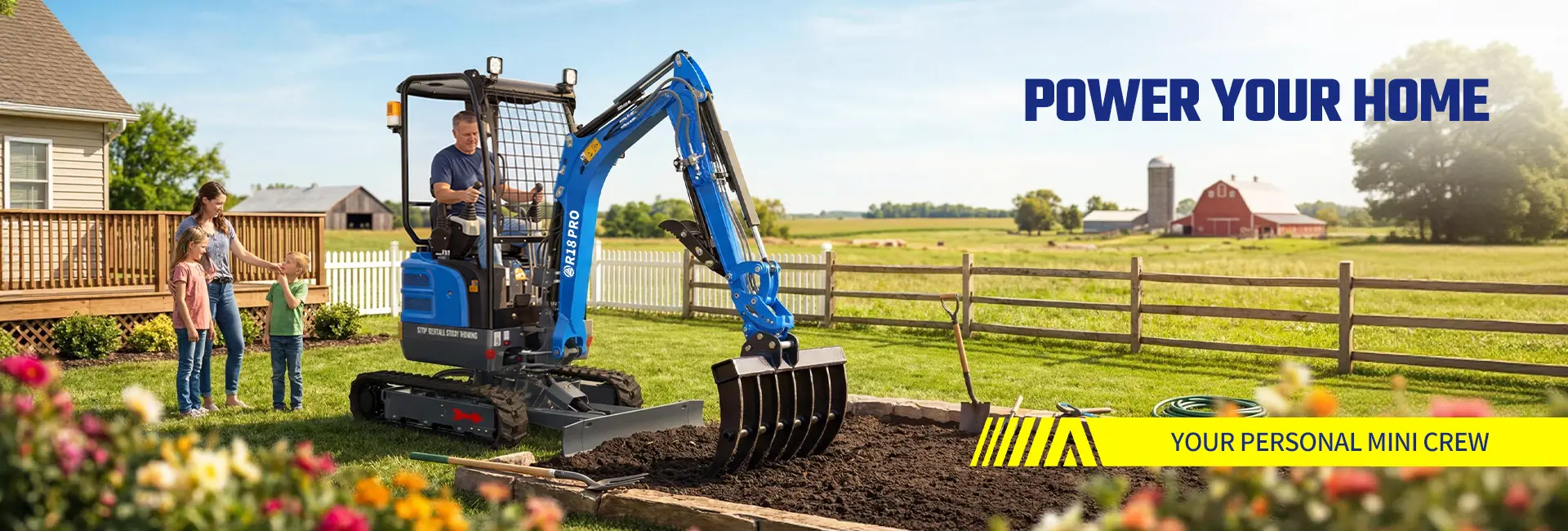
One reason mini excavators are valuable for rental fleets is that they serve many customer groups.
| Customer Group | Common Rental Application |
|---|---|
| Contractors | Trenching, repair work, utility preparation, site cleanup |
| Landscapers | Drainage, planting, grading, soil movement, hardscape preparation |
| Farms | Ditching, fencing, land maintenance, planting, path repair |
| Property owners | Driveway repair, drainage, yard shaping, root clearing |
| Municipal users | Light maintenance, public area repair, drainage support |
| Small businesses | Temporary site preparation and material handling support |
| Rental customers testing ownership | Trying equipment before future purchase |
This broad user base helps rental companies avoid relying on only one industry. If construction demand slows, landscaping or farm maintenance demand may still generate rentals. If landscaping is seasonal, contractors or property owners may still need the equipment for other work.
Mini Excavators Support High-Frequency Local Jobs
Rental companies should look for machines connected to repeatable local tasks. Mini excavators are useful because many communities have recurring needs for digging, drainage, repair, and land maintenance.
Common rental jobs include:
- Digging trenches for drainage
- Herstelwerkzaamheden aan grindopritten
- Preparing fence posts
- Planting trees
- Removing roots
- Cleaning ditches
- Preparing small foundations
- Supporting landscaping renovations
- Maintaining farm paths
- Repairing outdoor work areas
These jobs are practical and easy for customers to understand. A rental company can market mini excavators through real tasks rather than only machine specifications.
For example, instead of saying “compact excavator available,” a rental business can promote:
- Mini excavator rental for drainage projects
- Mini excavator rental for landscaping
- Mini excavator rental for farm maintenance
- Mini excavator rental for driveway repair
- Mini excavator rental for fence preparation
Application-based marketing can help customers connect the machine to their own project.
Why Compact Size Matters in Rental Fleets
Rental customers often work in smaller spaces than large construction sites. They may need to access residential yards, farms, narrow paths, landscaping sites, or existing properties. A compact machine can be more practical for these environments than a large excavator.
Mini excavators are useful in rental fleets because they can support:
- Smaller project sites
- Residential property work
- Onderhoud van de boerderij
- Landscaping projects
- Narrower access areas
- Local contractor jobs
- Short-term digging tasks
Rental companies should confirm the actual dimensions, transport needs, operating weight, and site suitability of each machine before offering it to customers. These details vary by model and configuration.
Rental Fleet Profit Depends on Uptime
For rental companies, a machine sitting idle because of repair issues does not generate rental revenue. Downtime affects profitability directly.
Mini excavators in rental fleets should be evaluated not only by purchase price, but also by maintenance access, parts availability, durability, and support.
Important uptime-related questions include:
- Are common maintenance points easy to access?
- Are replacement parts clearly identified?
- Is there a recommended spare parts package?
- How quickly can parts be ordered?
- Is technical support available?
- Are operators given basic guidance?
- Can the machine handle repeated rental use?
- Is the rental company prepared for inspections between rentals?
A rental company should consider the full operating cycle of the machine: purchase, delivery, rental, return inspection, maintenance, parts replacement, and re-rental.
Parts Support Is Critical for Rental Companies
Parts support is one of the most important issues for rental equipment. A contractor or landscaper may lose one project if a rented machine is unavailable. A rental company may lose repeated income if a machine stays down waiting for parts.
Rental companies should confirm:
| Parts Support Area | Waarom dit belangrijk is |
|---|---|
| Common wear parts | Helps prepare for regular maintenance |
| Filters | Supports basic service intervals |
| Track-related parts | Important for rental machines working on varied surfaces |
| Pins and bushings | Common wear areas in excavation work |
| Bucket teeth or edges | Supports digging performance |
| Hydraulic-related support | Helps with diagnosis and repair |
| Parts identification | Reduces ordering confusion |
| Warranty parts process | Clarifies responsibility when issues appear |
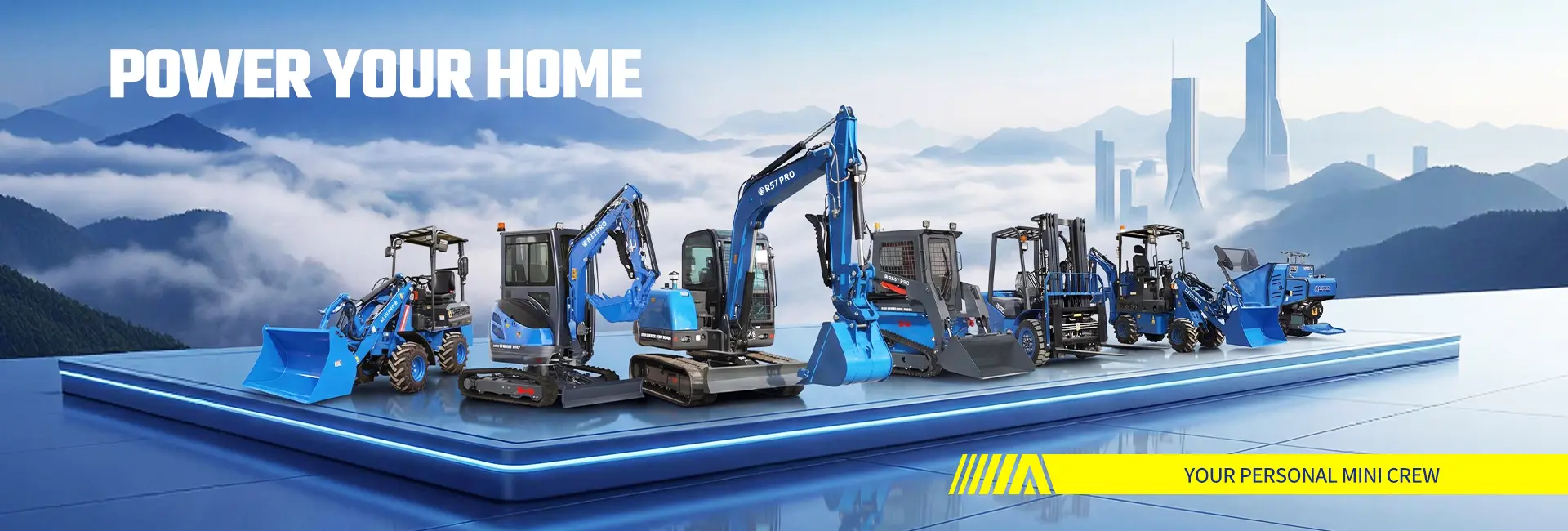
Before adding RIPPA mini excavators to a rental fleet, rental companies should confirm recommended spare parts, parts identification, warranty handling, and technical support channels according to current company policy.
Attachments Can Increase Rental Opportunities
Attachments can help rental companies serve more projects with the same machine. A customer may rent a mini excavator for digging, but another customer may need an auger for fence posts or planting work. Another may need a grading bucket for surface preparation.
Common excavator attachment directions include:
- Graafbak
- Sorteerbak
- Schroefboor
- Hydraulische duim
- Hark
- Schakelaar
- Grijper
- Snelkoppeling
Attachment compatibility should always be confirmed according to the current machine model and official product information.
Rental companies should build attachment packages carefully. They should confirm whether the machine can support the attachment, whether operators need additional guidance, and whether the attachment is suitable for rental use.
How Rental Companies Can Choose Mini Excavators
A rental company should choose mini excavators based on fleet use, not only customer preference. Rental machines may be used by different operators, returned in different conditions, and assigned to different projects.
Key selection questions include:
- What customer groups will rent the machine most often?
- What jobs will the machine do most frequently?
- What size range fits the local rental market?
- Can the machine be transported efficiently?
- Are basic maintenance points accessible?
- Are common parts available?
- What attachments will customers request?
- Is operation guidance available?
- What warranty and support process applies?
- Can the supplier support fleet expansion later?
These questions help rental companies avoid choosing a machine only because it looks attractive on price.
How RIPPA Mini Excavators Can Fit Rental Fleet Planning
RIPPA mini excavators can be considered by rental companies looking for practical compact digging equipment for local rental demand. They may fit applications such as trenching, landscaping, property maintenance, farm work, drainage, driveway repair, and small contractor support.
For rental companies evaluating RIPPA, the most important step is to confirm current machine information and support details before purchasing for fleet use.
Rental companies should confirm:
- Current machine configuration
- Recommended rental-use model direction
- Compatibiliteit van bijlagen
- Spare parts package
- Maintenance support process
- Garantiebeleid
- Leveringsregeling
- Technical support channel
- Available operation materials
- Future fleet expansion options
RIPPA’s broader compact equipment line may support future fleet growth, but mini excavators should remain the core focus when targeting compact digging demand.
How to Market Mini Excavators in a Rental Fleet
Rental companies should market mini excavators by application instead of only by machine category.
Useful rental marketing themes include:
- Mini excavator rental for drainage work
- Mini excavator rental for landscaping projects
- Mini excavator rental for farm maintenance
- Mini excavator rental for driveway repair
- Mini excavator rental for trenching
- Mini excavator rental for fence preparation
- Mini excavator rental for property cleanup
- Mini excavator rental for small contractors
Local photos, short videos, customer examples, and project-based descriptions can help customers understand what the machine can do.
A rental company can also create simple guides explaining what customers should know before renting:
- Working area
- Ground condition
- Project type
- Transport arrangement
- Attachment needs
- Operator responsibility
- Return inspection expectations
Clear communication reduces customer confusion and improves rental experience.
What Rental Companies Should Confirm Before Buying Mini Excavators
Before adding mini excavators to the fleet, rental companies should confirm practical business details.
| Te bevestigen item | Waarom dit belangrijk is |
|---|---|
| Current machine configuration | Ensures the machine fits rental applications |
| Compatibiliteit van bijlagen | Helps build correct rental packages |
| Maintenance access | Supports regular rental fleet service |
| Common spare parts | Reduces downtime risk |
| Garantiebeleid | Clarifies support responsibility |
| Technische ondersteuning | Helps solve issues faster |
| Gebruiksaanwijzing | Supports safer customer use |
| Leveringsregeling | Helps fleet planning |
| Future supply stability | Supports fleet expansion |
Rental companies should avoid making fixed public claims about warranty, certification, delivery time, or performance unless those details have been confirmed for the current product and market.
Veelgestelde vragen
Why are mini excavators good for rental fleets?
Mini excavators are useful for rental fleets because they serve many customer groups and applications, including contractors, landscapers, farms, property owners, municipal users, and small businesses.
What jobs can rental customers use mini excavators for?
Rental customers can use mini excavators for trenching, drainage, driveway repair, landscaping, farm maintenance, fence preparation, planting, root clearing, grading, and small site work.
What should rental companies consider before buying mini excavators?
Rental companies should consider customer demand, machine configuration, transport needs, maintenance access, parts support, attachment compatibility, warranty process, and technical support.
Are attachments important for mini excavator rentals?
Yes. Attachments can expand rental applications, but compatibility should always be confirmed before offering attachment packages.
Why does parts support matter for rental profitability?
Parts support affects uptime. If a rental machine is down waiting for parts, the company loses rental income and may disappoint customers.
Can RIPPA mini excavators be used in rental fleets?
Rental companies may consider RIPPA mini excavators for compact digging demand, but should confirm current configuration, parts support, warranty policy, attachment compatibility, and service terms before fleet purchase.
Conclusie
Mini excavators belong in a modern rental fleet because they support many practical applications across multiple customer groups. Contractors, landscapers, farms, property owners, municipal users, and small businesses may all need compact digging equipment for short-term projects.
For rental companies, the value of mini excavators comes from broad use cases, repeat rental opportunities, and strong local demand. However, profitability depends on more than purchase price. Fleet owners should evaluate uptime, parts support, maintenance access, attachment compatibility, technical support, and customer guidance.
RIPPA mini excavators can be considered as part of a compact equipment rental strategy for companies serving digging, trenching, landscaping, farm maintenance, drainage, and property work. Before purchase or promotion, rental companies should confirm all current product, support, warranty, delivery, and attachment details through official RIPPA channels.
 Home
Home
 Producten
 E-mail
 WhatsApp

