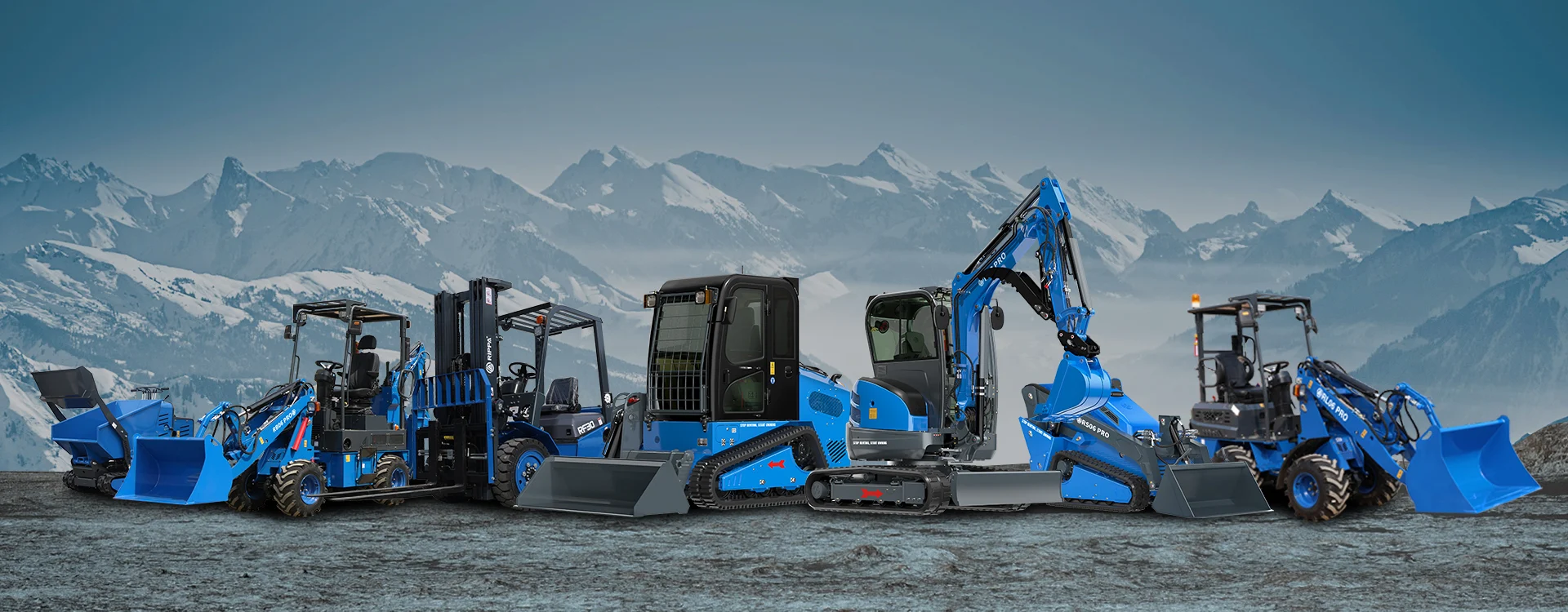
Renting equipment is common for contractors. It gives businesses access to machines without long-term ownership responsibility. For occasional jobs, renting a mini excavator can be practical and flexible.
However, when compact excavation work becomes frequent, rental dependence can begin to create problems. Contractors may face equipment availability issues, scheduling delays, repeated rental costs, transport coordination, and reduced project control.
This is why many contractors begin to evaluate whether buying a mini excavator makes sense.
Mini excavators are compact digging machines used for trenching, drainage preparation, driveway repair, landscaping support, hardscape preparation, fence work, rural property maintenance, and small construction projects. For contractors with repeated digging needs, ownership can reduce rental dependence and improve business flexibility.
RIPPA mini excavators can be considered by contractors, small construction companies, landscaping contractors, rural service businesses, rental companies, dealers, and resellers that need compact digging equipment for practical work applications. Before purchase, buyers should confirm current configuration, attachment compatibility, spare parts support, warranty policy, delivery arrangement, documentation, and service terms through official RIPPA channels.
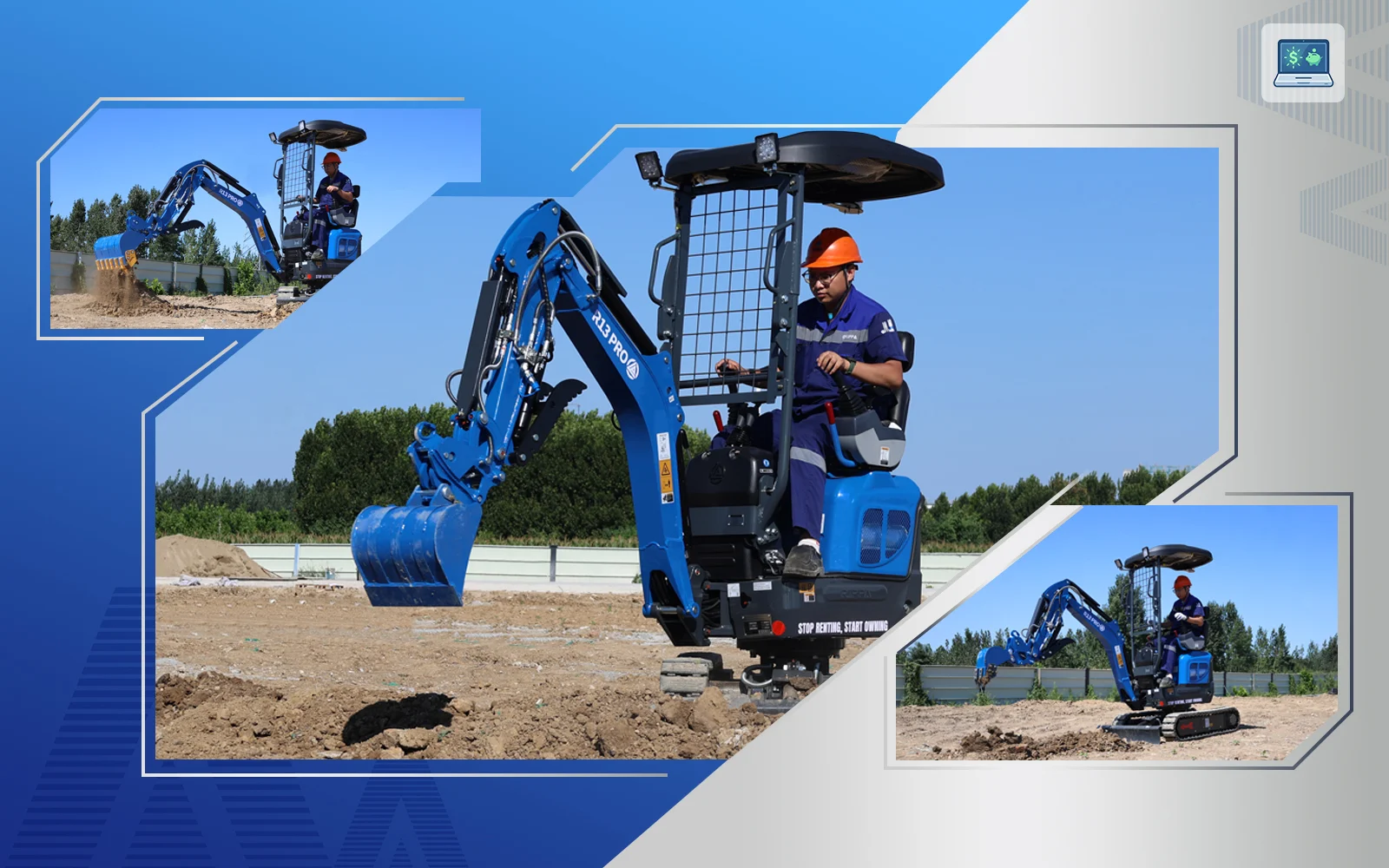
Why Contractors Depend on Rental Machines
Contractors often rent equipment because it is convenient for occasional work. Renting may be suitable when:
- Excavation work is rare
- The business is testing new services
- Storage space is limited
- Transport equipment is not available
- The contractor does not want maintenance responsibility
- The project requires a special machine size
- Cash flow needs to be protected
For some contractors, renting will remain the best choice. Ownership is not always necessary.
But when the same type of machine is rented repeatedly, the contractor should review whether rental dependence is limiting business growth.
Problems Caused by Too Much Rental Dependence
Rental dependence can affect contractors in several ways.
Common problems include:
- Machines are not available when needed.
- Rental pickup and return waste time.
- Short jobs become inefficient.
- Rental costs reduce project margins.
- Project schedules depend on rental yards.
- Customers may wait longer.
- Contractors may avoid bidding on work that needs excavation.
- Subcontractors may be needed for small digging tasks.
These problems become more serious when compact excavation work is common across projects.
Mini Excavators Improve Project Control
One of the biggest benefits of owning a mini excavator is project control.
Many contractor jobs require preparation work before the next stage can begin. If trenching, drainage, or site preparation is delayed, the entire project may slow down.
A mini excavator can help contractors control:
- When digging work starts
- How quickly preparation is completed
- How small job changes are handled
- Whether subcontractors are needed
- How soon customers can be served
- How many work steps can be handled internally
For contractors, project control often matters as much as machine cost.
Reducing Waiting Time Between Job Stages
Construction, landscaping, fencing, paving, and property improvement projects often happen in stages.
For example:
- Ground must be cleared before preparation.
- Drainage must be prepared before finishing.
- Trenches must be dug before the next work step.
- Old material must be removed before repair.
- Fence areas must be prepared before installation.
If equipment is not available, the project may pause.
Owning a mini excavator can help reduce waiting time between job stages, especially for small and medium-sized projects.
Reducing Outsourcing for Small Excavation Tasks
Contractors may hire subcontractors when they do not have digging equipment. This is necessary for many large or specialized jobs. But for small repeated excavation tasks, outsourcing may become inefficient.
A mini excavator can help contractors handle tasks such as:
- Short trenching
- Drainage preparation
- Fence line work
- Root removal
- Driveway edge repair
- Hardscape preparation
- Small site preparation
- Rural maintenance work
By handling selected tasks internally, contractors may improve scheduling and keep more control over project execution.
Expanding Services with One Machine
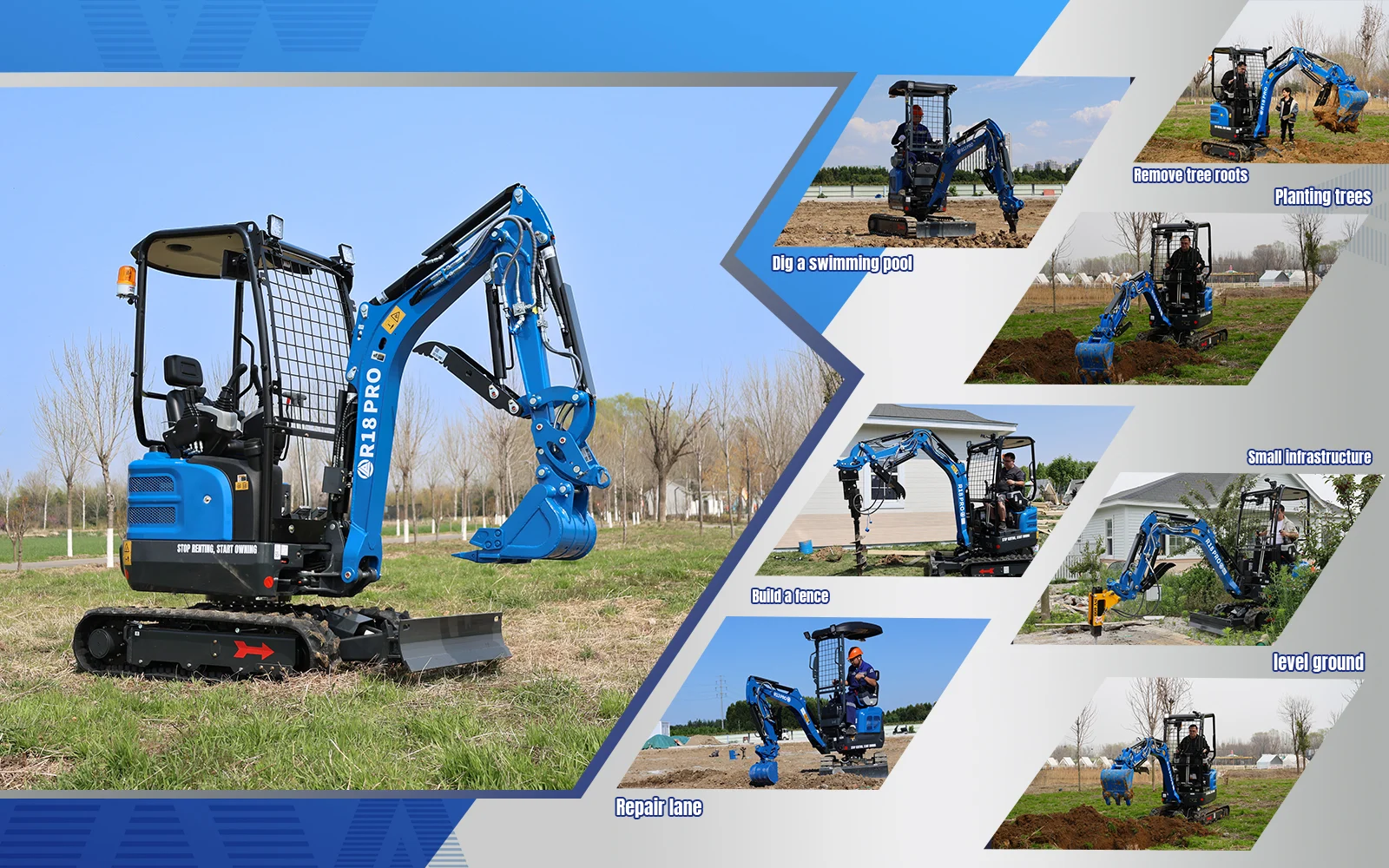
A mini excavator can help contractors offer more complete services.
Possible service expansion includes:
| Service Area | Mini Excavator Support |
|---|---|
| Drainage work | Trenching and water-flow preparation |
| Landscaping support | Grading, planting, root removal |
| Hardscape projects | Base preparation and soil removal |
| Fence work | Line preparation and post area support |
| Driveway repair | Removing damaged material |
| Rural property work | Ditch cleaning and path repair |
| Small construction | Site preparation and cleanup support |
This can help contractors quote larger projects and reduce the need to refer work to another company.
Attachments Help Replace More Rental Situations
Attachments can increase the number of jobs a mini excavator can handle.
Common attachment directions include:
- Digging bucket
- Grading bucket
- Świder
- Hydrauliczny chwytak
- Rake
- Grapple
- Breaker
- Quick coupler
If a contractor can use attachments across multiple projects, the machine becomes more valuable.
For example:
- A bucket supports trenching and digging.
- A grading bucket supports surface preparation.
- An auger may support fencing or planting where compatible.
- A thumb or grapple may support root or debris handling.
Attachment compatibility must always be confirmed according to the current machine model and official product information.
Buying Is Not Always the Right Choice
Although mini excavators can reduce rental dependence, buying is not always the best decision.
Contractors should not buy if:
- Excavation work is very rare
- Transport is not available
- Storage is not secure
- Maintenance cannot be managed
- Operators are not prepared
- Cash flow would be under pressure
- The machine does not match real project needs
A responsible purchase decision should consider both opportunity and responsibility.
What Contractors Should Confirm Before Buying
Before buying a mini excavator, contractors should confirm:
| Item to Confirm | Why It Matters |
|---|---|
| Current configuration | Keeps information accurate |
| Application suitability | Matches the machine to contractor work |
| Machine size and access | Important for compact job sites |
| Digging depth and reach | Supports project requirements |
| Transport requirements | Affects daily use |
| Kompatybilność załączników | Expands applications |
| Spare parts support | Reduces downtime risk |
| Maintenance access | Supports ownership |
| Warranty policy | Clarifies after-sales responsibility |
| Technical support | Helps solve problems faster |
| Delivery arrangement | Supports purchase timing |
| Documentation | Helps operation and maintenance |
The right mini excavator should support real job frequency, not only future expectations.
How RIPPA Mini Excavators Can Support Contractors
RIPPA mini excavators can be considered by contractors who want compact digging equipment for repeated project needs.
Potential uses include:
- Trenching
- Drainage preparation
- Driveway repair
- Hardscape preparation
- Fence preparation
- Root removal
- Landscaping support
- Rural property maintenance
- Small site preparation
- Small construction support
RIPPA mini excavators may also be considered by rental companies and dealers serving contractors who need compact excavation equipment.
Najczęściej zadawane pytania
How do mini excavators reduce rental dependence?
Mini excavators reduce rental dependence by giving contractors direct access to compact digging equipment for repeated trenching, drainage, preparation, and small excavation tasks.
Should contractors buy or rent a mini excavator?
Contractors should buy when digging work is frequent and ownership improves project control. Renting may be better when excavation work is occasional.
What contractor jobs can mini excavators support?
Mini excavators can support trenching, drainage, driveway repair, hardscape preparation, fence work, landscaping support, rural property work, and small construction tasks.
Can mini excavators replace subcontractors?
They can reduce subcontractor dependence for selected small digging tasks, but specialized or large jobs may still require subcontractors.
What should contractors confirm before buying RIPPA mini excavators?
Contractors should confirm current configuration, application fit, attachment compatibility, spare parts support, warranty policy, technical support, delivery arrangement, and documentation.
Wnioski
Mini excavators can help contractors reduce rental dependence by improving machine availability, project control, response speed, and service capability. For contractors who frequently need compact digging equipment, ownership may support long-term business growth.
However, buying should be based on real work demand, support capability, transport, maintenance, and storage conditions.
RIPPA mini excavators can be considered by contractors looking for practical compact excavation equipment. Before purchase, resale, rental use, or promotion, all current product, support, warranty, attachment, delivery, documentation, and service details should be confirmed through official RIPPA channels.
 Strona główna
 Produkty
 E-mail
 WhatsApp

