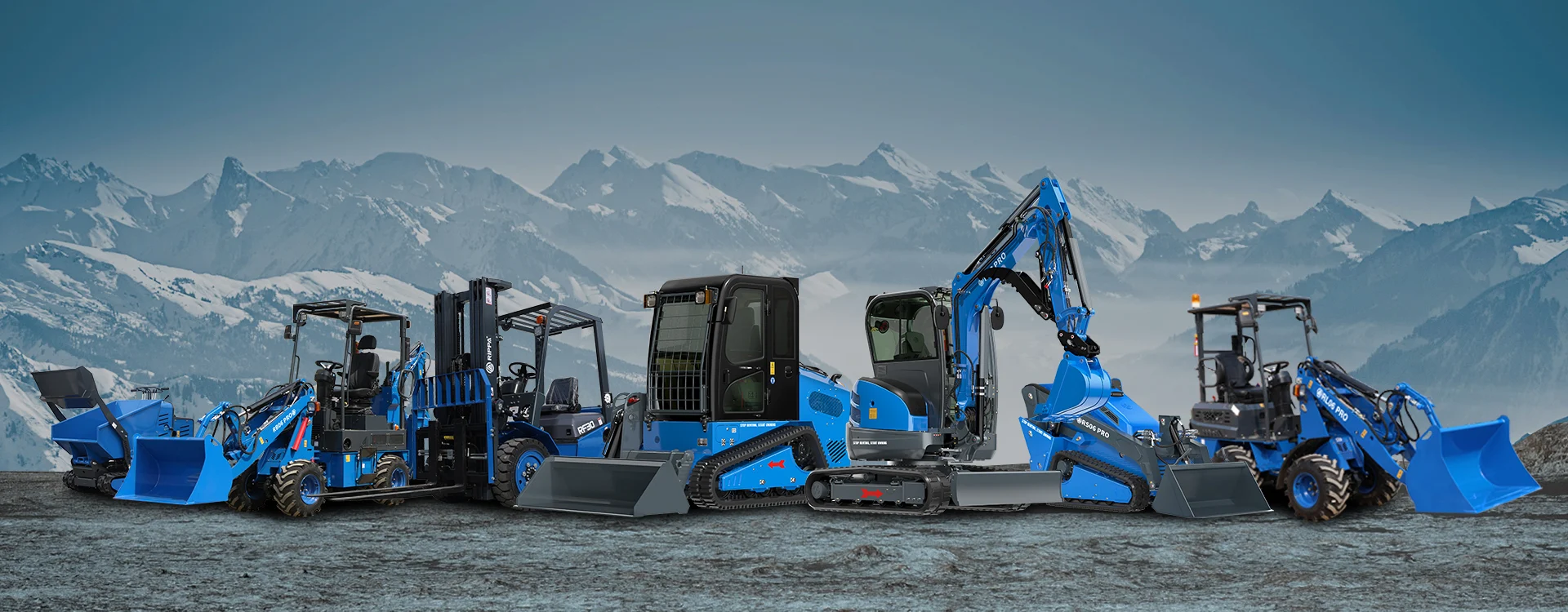
Mini skid steer loaders have become essential compact machines for landscaping, construction, agriculture, and small-scale infrastructure projects. Their compact size, maneuverability, and versatility make them ideal for jobs in tight spaces, urban environments, and rural areas. With the right attachments, a mini skid steer loader can handle digging, grading, lifting, clearing, and material handling efficiently. This guide provides a comprehensive overview of mini skid steer loaders, their benefits, applications, attachments, maintenance, safety, and tips for maximizing return on investment.

What is a Mini Skid Steer Loader?
A mini skid steer loader is a smaller, lighter version of a standard skid steer loader. It usually features rubber tires or tracks and a tight turning radius, making it perfect for confined spaces. Despite its small size, it can perform a wide range of tasks with high efficiency, especially when equipped with specialized attachments.
Benefits of Using Mini Skid Steer Loaders
Mini skid steer loaders offer numerous advantages:
-
Compact and maneuverable: Easily access narrow pathways, residential gates, and tight job sites.
-
Transport-friendly: Can be transported on standard trailers without special permits.
-
Cost-effective: Lower purchase, fuel, and maintenance costs compared to larger loaders.
-
Attachment versatility: One machine can perform multiple tasks, including digging, snow removal, landscaping, and material handling.
Applications and Industries
Mini skid steer loaders are widely used across different sectors:
-
Landscaping: Digging, grading, planting, and soil preparation.
-
Construction and renovation: Ideal for indoor projects and small-scale construction where space is limited.
-
Hardscape projects: Installing patios, retaining walls, and decorative stonework.
-
Snow removal: Clearing driveways, parking lots, and walkways in winter.
-
Agriculture and rural projects: Digging holes, moving soil, handling feed, and fencing.
Common Attachments and Their Uses
Earthmoving and Excavation Attachments
-
Buckets: Standard, rock, and 4-in-1 combination buckets for digging, lifting, and pushing materials.
-
Augers: Drill holes for posts, planting, or construction foundations.
-
Trenchers: Create narrow trenches for irrigation, utilities, or landscaping.
Vegetation and Clearing Attachments
-
Brush cutters: Remove tall grass, shrubs, and small trees.
-
Stump grinders: Clear stumps for landscaping or construction preparation.
Snow and Winter Maintenance Attachments
-
Snow blades: Push snow efficiently on driveways and parking lots.
-
Snow blowers: Remove large amounts of snow quickly.
-
Snow buckets and pushers: Lift and move snow efficiently.
Landscaping and Agricultural Attachments
-
Soil conditioners: Break up and prepare soil for planting.
-
Land levelers: Flatten and grade land surfaces.
-
Landscape rakes: Clear debris and prepare soil.
-
Post drivers: Drive fence posts, signposts, and supports.
-
Seeders: Spread seeds evenly for lawns or crops.
-
Pallet forks: Lift and move pallets, building materials, and equipment.
Choosing the Right Attachment
Selecting the correct attachment ensures productivity and safety:
-
Match the attachment to the specific task.
-
Check the loader’s hydraulic flow and pressure requirements.
-
Ensure attachment mounting compatibility with your machine.
-
Consider the weight of attachments and material to avoid exceeding machine capacity.

Maintenance and Care
Proper maintenance extends the lifespan of both the loader and its attachments:
-
Inspect tires, tracks, hydraulic lines, and mounts before and after use.
-
Maintain hydraulic fluid levels and use manufacturer-recommended fluids.
-
Lubricate pivot points, mounts, and moving parts regularly.
-
Check wear parts such as bucket edges, auger bits, and cutting blades.
-
Store attachments in dry, secure areas to prevent damage and corrosion.
Safety Guidelines
Safe operation is critical for operator protection and machine longevity:
-
Turn off the loader before installing or removing attachments.
-
Wear proper personal protective equipment, including gloves, helmets, and safety boots.
-
Avoid overloading the machine or operating on uneven terrain at high speed.
-
Operators should receive proper training for handling both the loader and attachments.
Return on Investment and Purchase vs. Rental
Mini skid steer loaders can provide excellent ROI when used effectively:
-
Buying is ideal for companies with frequent projects and long-term use.
-
Renting is cost-effective for short-term or seasonal projects.
-
Sharing multiple attachments across tasks reduces the need for multiple machines.
-
Consider logistics, spare parts availability, and service support when purchasing internationally.
Selecting a Reliable Manufacturer
A high-quality manufacturer ensures durable machines, reliable attachments, and efficient support:
-
Direct factory supply lowers costs and improves pricing flexibility.
-
Multiple model options cover various project requirements.
-
Overseas Distribution Center and support networks enable faster delivery and service.
-
Compliance with global standards (CE, UL, ISO) ensures safety and reliability.
-
Established dealers and customer support increase confidence for international buyers.
Wnioski
Mini skid steer loaders are versatile, compact, and cost-effective machines suitable for a wide range of industries. With the right attachments, they can handle multiple tasks efficiently. Proper maintenance, safe operation, and choosing a reliable manufacturer maximize productivity and return on investment. Investing in a high-quality mini skid steer loader and attachments ensures long-term value, flexibility, and performance across projects.
 Strona główna
 Produkty
 E-mail
 WhatsApp

