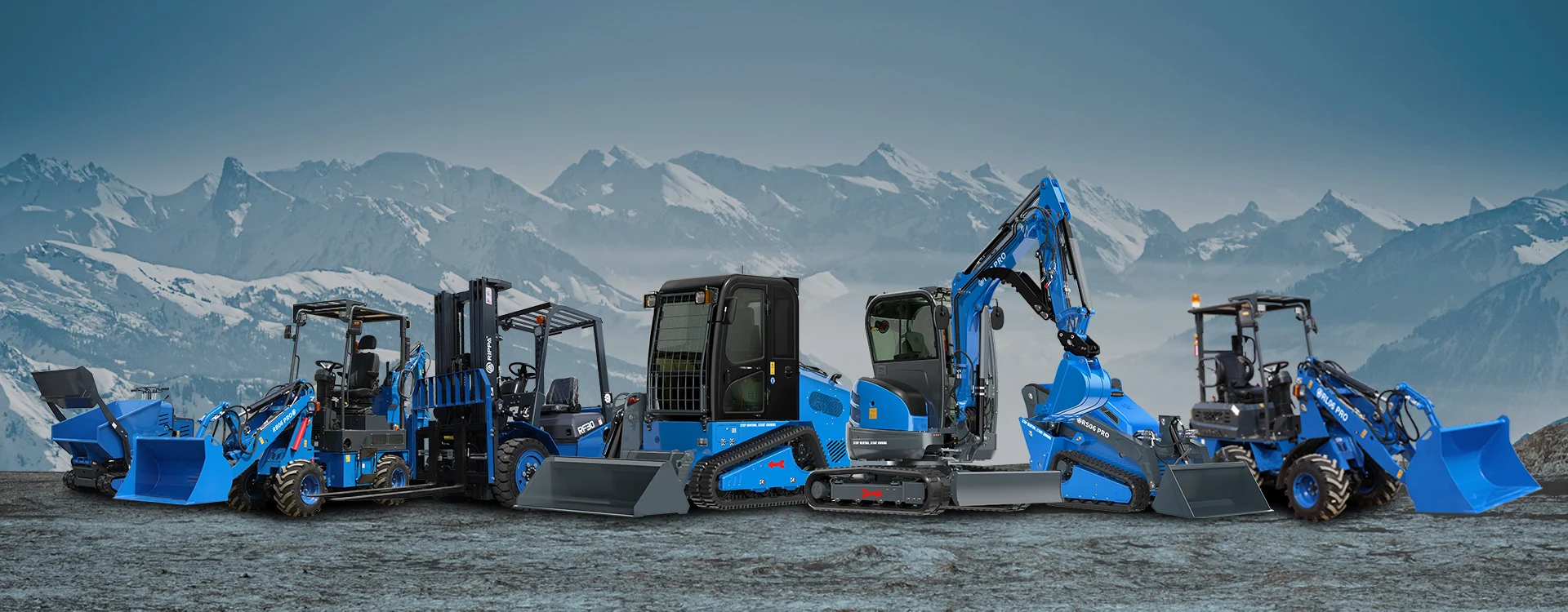
A skid steer loader is a compact piece of construction equipment designed to perform a wide range of material handling and site preparation tasks. With the appropriate attachment, it can move materials, clear debris, level surfaces, handle landscaping work, and support many daily construction operations.
For contractors, equipment dealers, agricultural businesses, and other commercial buyers, understanding skid steer loader applications is an important step before choosing a machine. The right combination of machine configuration and attachments can help businesses handle different jobs without relying on several specialized machines.
1. Material Handling and Loading
Material handling is one of the most common skid steer loader applications. On construction sites, farms, warehouses, and material yards, operators use skid steer loaders to move loose materials and organize work areas.
Typical tasks include:
- Moving soil, sand, gravel, and other bulk materials
- Loading materials into trucks or designated storage areas
- Transporting supplies across short distances
- Clearing accumulated materials from working areas
- Supporting general site organization
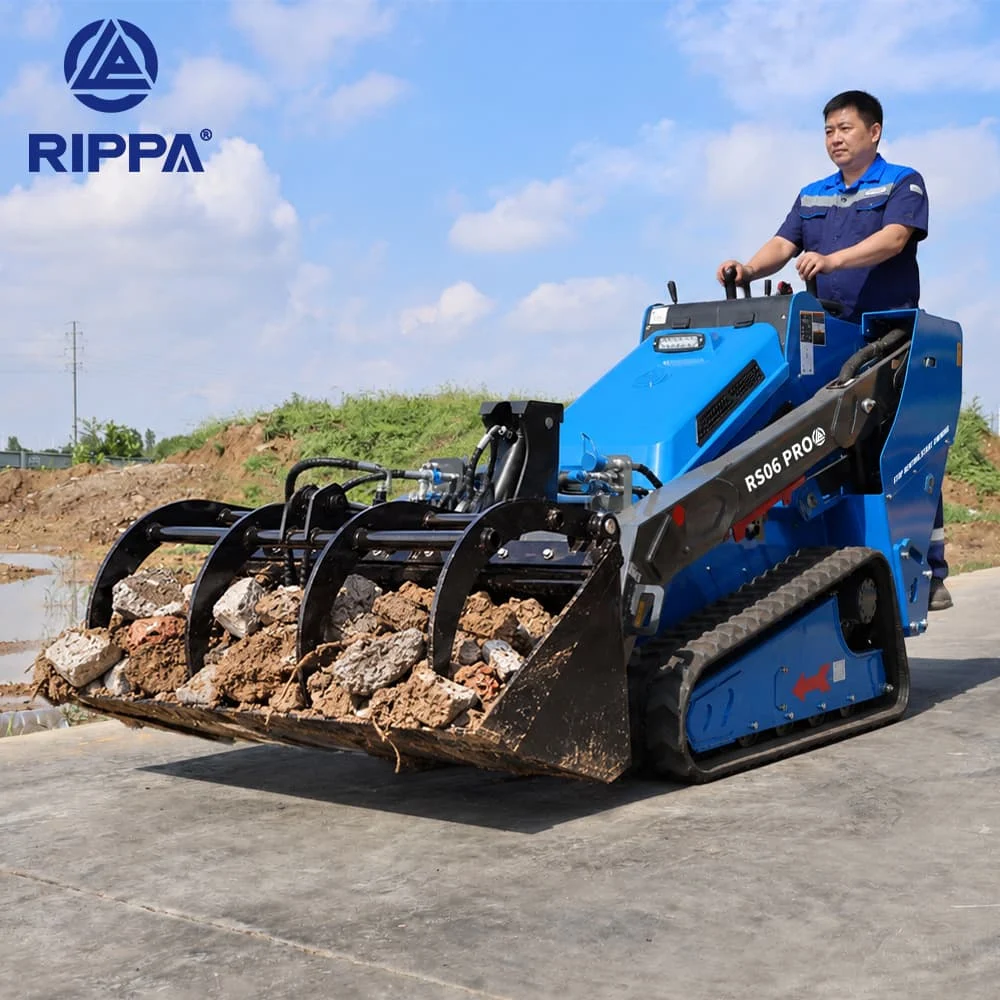
A general-purpose bucket is commonly used for these operations. When selecting equipment for material handling, buyers should consider the materials being moved, the required working capacity, and the conditions of the operating surface.
2. Construction Site Preparation
Skid steer loaders can support a variety of construction preparation tasks, particularly where a larger machine may be difficult to maneuver.
Common applications include:
- Clearing loose debris from construction areas
- Moving building materials
- Preparing work surfaces
- Distributing soil and aggregate
- Cleaning up after construction activities
For contractors working on residential developments, renovation projects, and smaller commercial sites, maneuverability and attachment compatibility are important purchasing considerations.
A skid steer loader does not replace every type of earthmoving machine. Its role is to support specific tasks that match its working capacity and configuration.
3. Landscaping and Ground Maintenance
Landscaping businesses often need equipment that can perform several different tasks throughout a project. A skid steer loader can assist with ground preparation, material movement, and site cleanup.
Depending on the machine and compatible attachments, applications may include:
- Moving soil and landscaping materials
- Distributing gravel and mulch
- Clearing branches and vegetation
- Preparing areas for planting
- Moving stones and other landscaping supplies
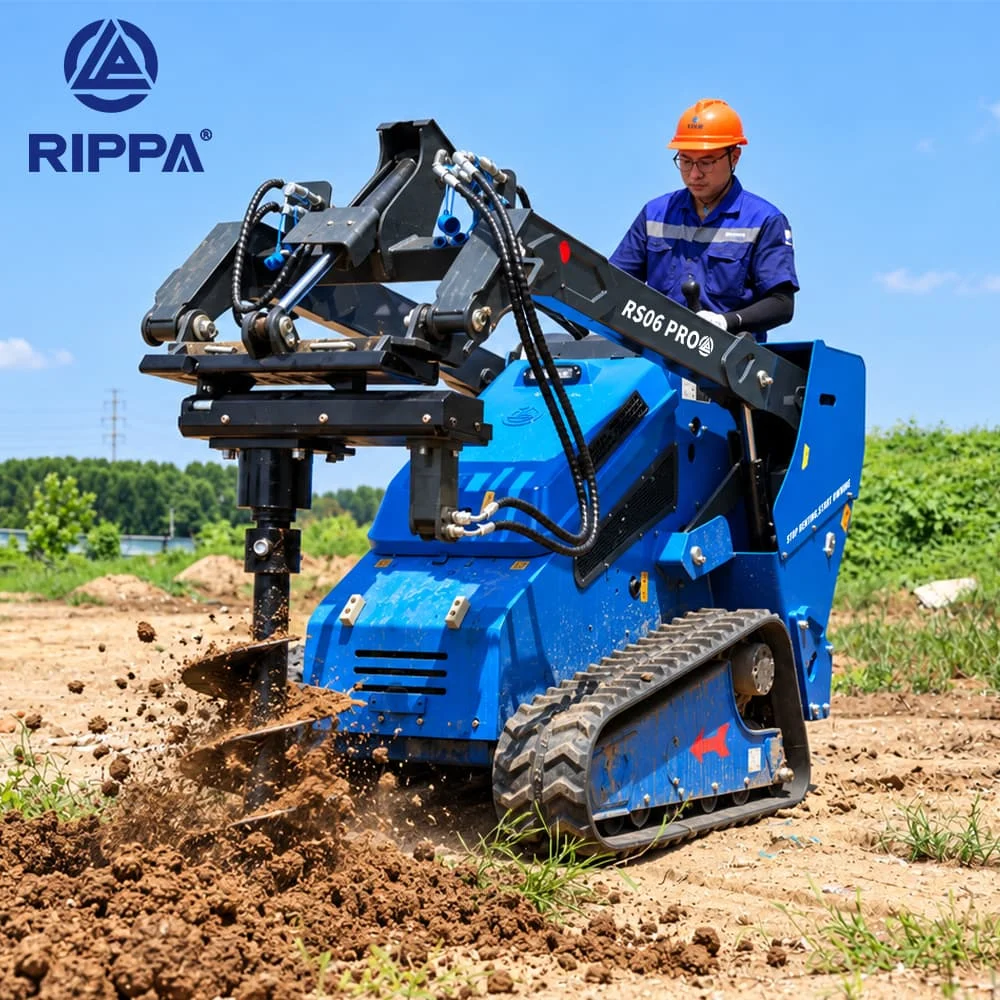
For landscaping contractors, the choice of attachments should be based on the actual work performed. A bucket may be sufficient for general material movement, while specialized attachments may be useful for more specific tasks.
4. Agricultural and Farm Operations
Skid steer loaders can also support everyday agricultural work. Their compact working format makes them useful for certain tasks around barns, storage areas, livestock facilities, and farmyards.
Potential applications include:
- Moving feed and agricultural supplies
- Cleaning and organizing farm work areas
- Handling loose materials
- Transporting equipment and supplies
- Supporting general property maintenance
Farm buyers should evaluate the working environment before selecting a machine. Doorway clearance, turning space, ground conditions, and the type of materials being handled can all influence equipment suitability.
5. Snow Removal and Property Maintenance
In regions with seasonal snowfall, skid steer loaders may be used for snow clearing when equipped with suitable attachments and configurations.
Possible tasks include:
- Clearing snow from private driveways
- Maintaining access roads
- Removing accumulated snow from work areas
- Supporting winter property maintenance
The attachment must be compatible with the machine and suitable for the expected working conditions. Buyers should also consider traction, surface conditions, operator visibility, and safe operating procedures.
6. How Attachments Expand Skid Steer Loader Applications
One reason skid steer loaders are widely used is their ability to work with different attachments. Instead of selecting equipment for only one task, businesses can evaluate a machine based on the range of compatible tools available.
Common attachment categories include:
| Attachment | Typical Application |
|---|---|
| General-purpose bucket | Moving soil, gravel, and loose materials |
| Pallet forks | Handling palletized goods and supplies |
| Grapple attachment | Handling branches, debris, and irregular materials |
| Snow attachment | Supporting snow removal operations |
| Specialized ground tools | Performing specific landscaping or site preparation tasks |
Not every attachment is suitable for every skid steer loader. Before purchasing, buyers should confirm the mounting system, hydraulic requirements, operating compatibility, and manufacturer recommendations.
Attachment selection should be based on the actual machine configuration rather than appearance alone.
7. How to Match a Skid Steer Loader to Your Business
The best skid steer loader for a business depends on the work it needs to perform. A contractor focused on material handling may have different requirements from a landscaping company or agricultural operator.
Before contacting a supplier, consider these questions:
What are the main applications?
List the tasks the machine will perform most frequently. Separate regular daily work from occasional applications.
What materials will the machine handle?
Soil, gravel, pallets, vegetation, and construction debris create different working requirements.
How much space is available?
Measure entrances, working lanes, storage areas, and turning spaces. This is particularly important for businesses operating in confined environments.
Which attachments are necessary?
Identify the attachments needed for regular operations and confirm their compatibility with the selected machine.
What support does the supplier provide?
Ask about product documentation, parts availability, technical communication, and the process for obtaining assistance after purchase.
These questions help commercial buyers compare equipment based on actual business requirements rather than choosing solely by appearance or purchase price.
8. Explore RIPPA Skid Steer Loader Options
RIPPA is a construction machinery manufacturer based in Jining, Shandong, China. Its skid steer loader range includes models such as the RS03, RS04, RS06, RS07, RS10, and RS20.
Different models may suit different operating requirements. Buyers should review the individual product pages to confirm the current specifications, configuration, attachment compatibility, and available documentation before making a purchasing decision.
For equipment dealers and businesses considering a new supplier, evaluating the product range as a whole can also help identify opportunities to serve different customer groups.
RIPPA welcomes inquiries from international buyers interested in its construction machinery products and skid steer loader range.
Frequently Asked Questions
What are the main uses of a skid steer loader?
Common uses include material handling, construction site preparation, landscaping, agricultural operations, property maintenance, and certain snow removal tasks.
Can a skid steer loader perform different jobs?
Yes. A skid steer loader can support different applications when equipped with compatible attachments. The machine’s configuration and operating capacity must match the intended task.
What attachments are commonly used with skid steer loaders?
Common attachment categories include general-purpose buckets, pallet forks, grapples, snow removal tools, and specialized ground-working equipment.
Is a skid steer loader suitable for landscaping?
It can be suitable for many landscaping operations, including moving soil, distributing materials, clearing vegetation, and preparing work areas. The appropriate machine and attachments depend on the project.
What should dealers check before purchasing skid steer loaders?
Dealers should review the product range, machine documentation, attachment compatibility, supplier communication, parts support, and the requirements of their local markets.
Conclusion
Skid steer loader applications extend across construction, landscaping, agriculture, material handling, and property maintenance. Their versatility comes from combining an appropriate machine configuration with compatible attachments.
For contractors and equipment dealers, the most effective purchasing decision starts with understanding the work that needs to be completed. By evaluating applications, operating conditions, and attachment requirements, buyers can identify equipment that better matches their business needs.
Explore the RIPPA skid steer loader range and contact the team to discuss product information and business inquiries.
 Home
 Products
 Email
 WhatsApp

