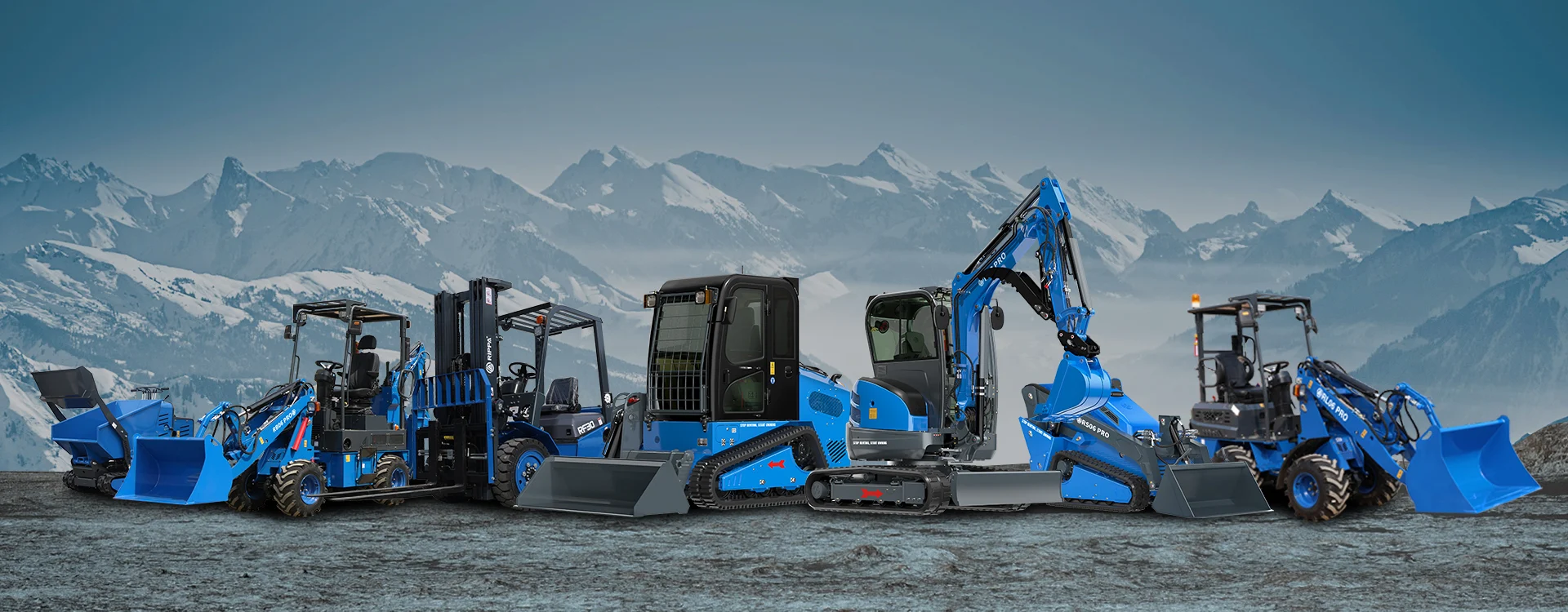
Landscape equipment dealers may be closer to the compact construction equipment market than they realize.
A dealership that currently sells lawn mowers, outdoor power equipment, landscaping tools, trailers, attachments, or professional maintenance equipment may already serve customers who regularly rent or purchase mini excavators.
The reason is simple: professional landscaping businesses often grow beyond mowing and routine maintenance.
As they take on larger projects, customers begin requesting:
- Drainage
- Hardscape preparation
- Tree installation
- Root removal
- Yard renovation
- Fence preparation
- Przygotowanie terenu
- Soil removal
These jobs increasingly require compact excavation equipment.
For that reason, a landscape equipment dealer does not necessarily need to find an entirely new customer base to enter mini excavator sales.
It may already have one.
Why Mini Excavators Fit the Landscaping Customer Base
Professional landscaping businesses perform much more than lawn care.
A growing landscaping contractor may offer:
- Lawn installation
- Planting
- Irrigation
- Drainage
- Retaining walls
- Patios
- Hardscape installation
- Tree work
- Fence work
- Property renovation
Many of these projects require ground preparation before the visible landscaping work begins.
A mini excavator can support tasks such as:
- Digging trenches
- Preparing drainage
- Removing roots
- Excavating planting areas
- Preparing hardscape bases
- Cleaning small ditches
- Performing compact site work
This makes compact excavation a natural extension of professional landscaping.
RIPPA’s current product catalog includes multiple mini excavator models designed for compact work, while its dealer content also identifies landscaping and light construction as important excavator applications.
Landscape Equipment Dealers Already Have the Right Customers
Customer acquisition is one of the hardest parts of starting an equipment dealership.
Landscape equipment dealers may already have relationships with:
- Landscaping contractors
- Property maintenance companies
- Hardscape businesses
- Tree service companies
- Lawn care businesses
- Irrigation contractors
- Fence businesses
- Rental companies
These customers may already purchase:
- Commercial mowers
- Trailers
- Power tools
- Outdoor equipment
- Załączniki
Some of them are also renting mini excavators from another company.
That creates an important question for the dealer:
If your existing customers already need excavators, why send that equipment sale to another business?
Landscaping Companies Often Grow into Equipment Buyers
Many landscaping businesses follow a predictable development path.
Stage 1: Basic Maintenance
Services may include:
- Mowing
- Trimming
- Cleanup
- Basic planting
Equipment needs are relatively small.
Stage 2: Larger Landscape Projects
The company begins offering:
- Sadzenie drzew
- Yard renovation
- Drainage
- Irrigation work
Equipment requirements increase.
Stage 3: Hardscape and Construction-Related Work
The business may begin performing:
- Patio preparation
- Retaining walls
- Driveway preparation
- Fence work
- Larger drainage systems
At this stage, compact excavation becomes much more relevant.
Stage 4: Equipment Ownership
The company may become tired of repeatedly renting machines.
It may start evaluating:
- Mini excavators
- Skid steer loaders
- Załączniki
- Trailers
A landscape equipment dealer that understands this growth path can continue serving the customer instead of losing the account when its machinery needs become larger.
Why Mini Excavators Can Be the First Machinery Category
A landscape dealer entering compact machinery does not need to offer every type of construction equipment immediately.
Mini excavators can be a practical starting point because their applications are easy to connect with landscaping work.
Customers understand the relationship:
Drainage requires digging.
Tree installation requires excavation.
Hardscape preparation requires ground work.
Root removal requires digging capability.
This makes the machine easier to position around real customer problems.
Which Landscaping Customers Are Most Likely to Buy?
Not every lawn-care business needs a mini excavator.
Dealers should focus on customers that already perform higher-value project work.
Potential buyers include:
Hardscape Contractors
They may need equipment for:
- Base preparation
- Drainage
- Soil removal
- Retaining-wall preparation
Landscape Construction Companies
They may use excavators for:
- Przygotowanie terenu
- Tree installation
- Grading preparation
- Drainage
Property Maintenance Businesses
They may handle:
- Ditches
- Drainage repairs
- Yard renovation
- Property improvement
Irrigation Contractors
They may need compact trenching capability for suitable applications.
Fence Contractors
They may need:
- Root removal
- Ground preparation
- Compatible auger applications
These customers are more attractive B2B prospects than purely residential mowing companies.
How Dealers Can Identify Excavator Demand
A landscape equipment dealer can begin by asking existing customers simple questions.
For example:
- How often do you rent mini excavators?
- What type of digging work do you subcontract?
- Do customers ask you for drainage or hardscape work?
- Which machine sizes do you normally rent?
- What attachments do you use?
- Would ownership help you complete more work internally?
These questions turn the dealer’s existing customer database into market research.
Rental Behavior Is an Important Signal
Repeated equipment rental can indicate future ownership potential.
Imagine a landscaping company renting a mini excavator:
- Twice in spring
- Three times in summer
- Twice in autumn
That customer may eventually ask whether ownership makes more sense.
A landscape equipment dealer that already has the relationship is well positioned to begin that conversation.
The dealer does not need to pressure the customer to buy.
It needs to recognize when customer behavior indicates increasing equipment dependence.
Mini Excavators Can Increase the Dealer’s Average Customer Value
A professional landscaper may originally purchase:
- Mower
- Trimmer
- Trailer
Later:
- Mini excavator
Then:
- Bucket
- Świder
- Hydrauliczny chwytak
- Other compatible attachments
Later again:
- Skid steer loader
This creates a much broader long-term relationship.
The customer evolves.
The dealer’s product offering can evolve with it.
Attachments Make the Opportunity More Attractive
Mini excavators can support different landscaping applications through compatible attachments.
Potential directions include:
- Digging buckets
- Grading buckets
- Hydraulic thumbs
- Świdry
- Chwytaki
- Rakes
- Quick couplers
- Breakers for suitable work
A landscaping contractor may begin with a standard bucket and later purchase additional attachments as the business adds services.
For the dealer, this creates repeat sales after the machine purchase.
Compatibility should always be verified for the exact excavator configuration.
Why Existing Landscape Dealers Have a Sales Advantage
A traditional construction equipment dealer may know machinery extremely well.
But the landscape dealer may know something equally valuable:
the customer.
It may already understand:
- How large the landscaping business is
- What type of projects it performs
- Which machines it rents
- What trailer it owns
- How quickly the business is growing
- Which equipment it purchased previously
This can make the equipment conversation highly targeted.
The dealer is not cold-selling machinery to strangers.
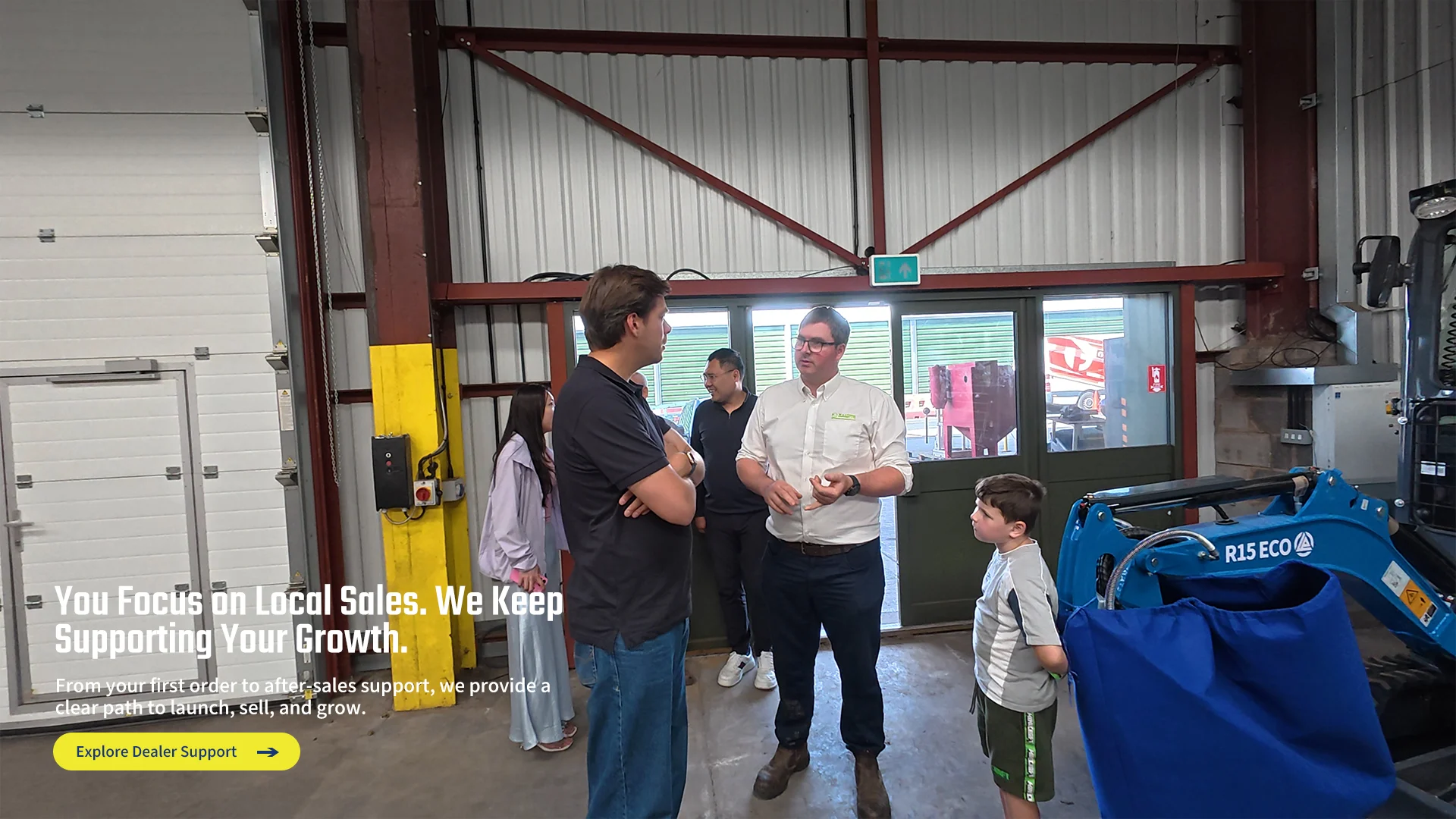
It is helping an existing customer move into the next stage of its business.
Does the Dealer Need Construction Equipment Experience?
Some new knowledge will be required.
The dealership should learn about:
- Machine applications
- Product differences
- Hydraulic attachments
- Transport
- Konserwacja
- Parts
- Technical support
- Customer handover
However, businesses that already sell commercial landscaping equipment are accustomed to:
- Machinery sales
- Maintenance questions
- Replacement parts
- Professional customers
The learning curve may therefore be more manageable than for a completely unrelated business.
Why After-Sales Capability Matters
Professional landscapers use equipment to generate revenue.
When a machine is unavailable, a project may be delayed.
The dealer should therefore prepare for questions involving:
- Routine maintenance
- Filters
- Wear components
- Załączniki
- Parts identification
- Technical support
- Warranty procedures
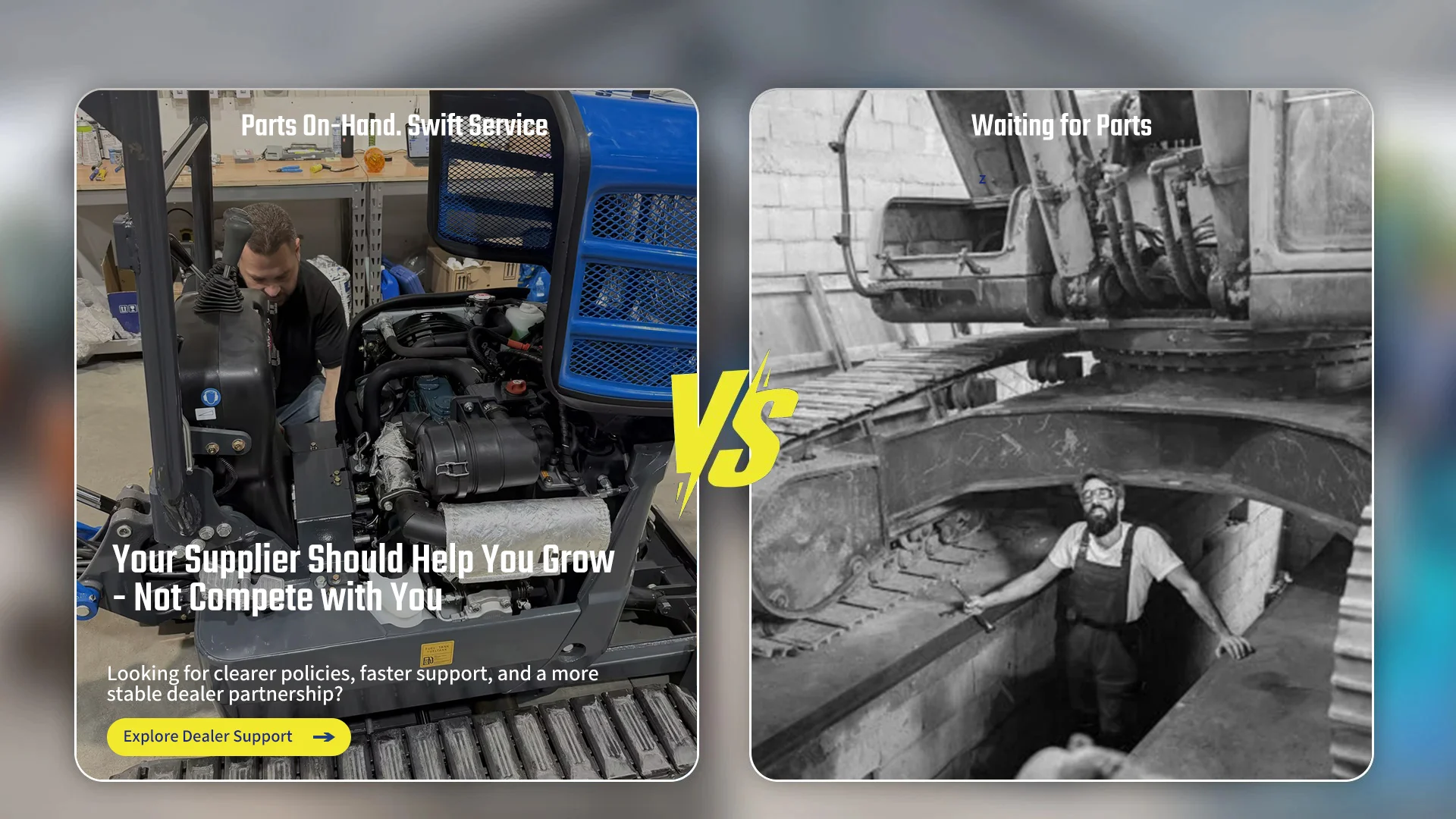
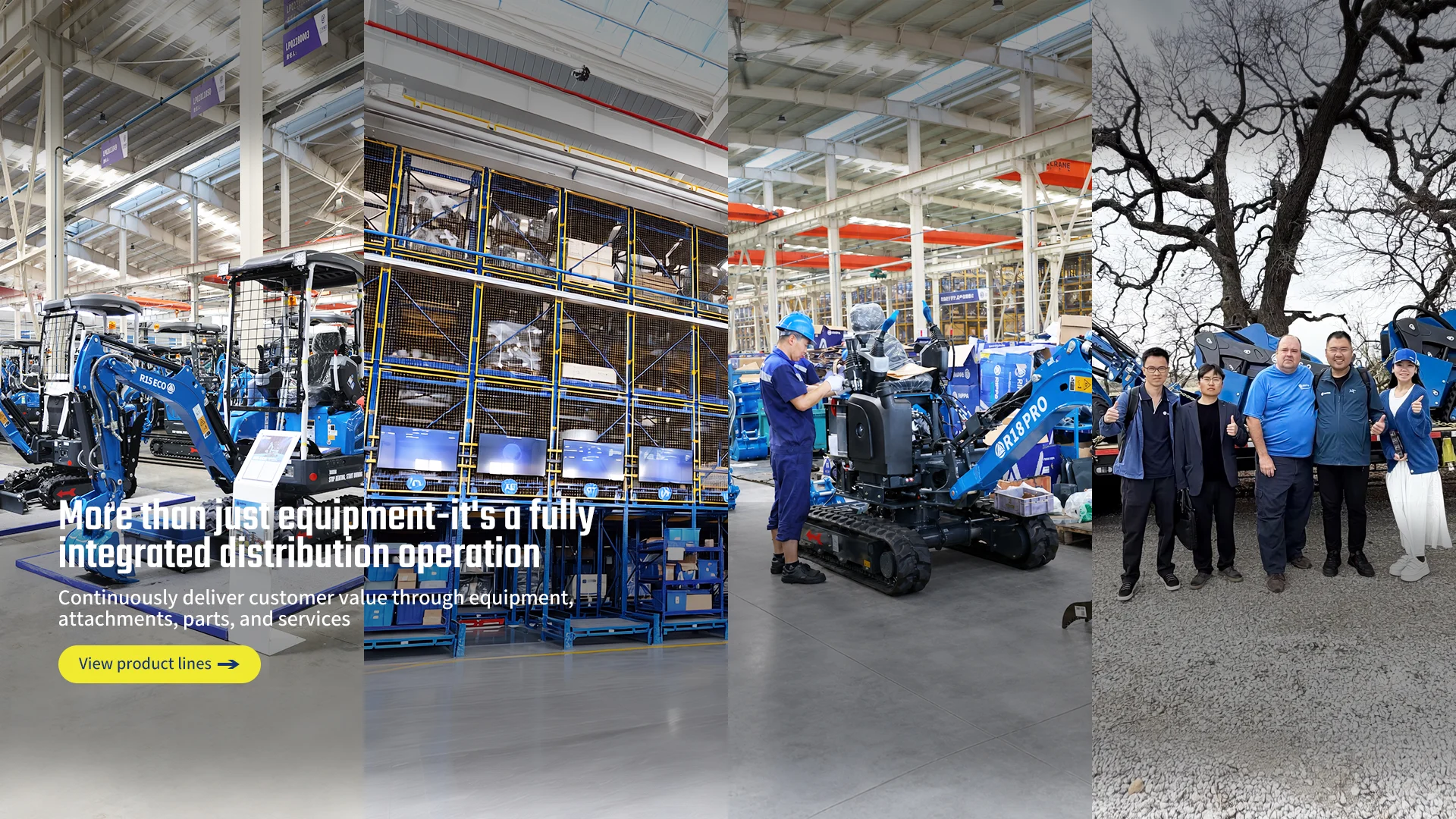
RIPPA’s published dealer program describes sales and technical training, parts support, and flexible stocking among the resources available to qualifying dealer partners. Actual current terms should be confirmed for each market.
How Much Inventory Should a Landscape Dealer Start With?
There is no universal answer.
A dealer should consider:
- Number of professional landscaping customers
- Local rental activity
- Common machine sizes
- Available capital
- Storage space
- Supplier lead time
A focused starting range may be more practical than stocking every model.
For example, the business could begin with:
- A demonstration machine
- One or more high-demand configurations
- Selected attachments
- Basic service parts
Then expand according to actual customer demand.
Should the Dealer Also Offer Trailers?
Some landscape equipment businesses already sell trailers.
This can create an even stronger equipment solution.
Customers may need:
- Machine
- Suitable transport solution
- Załączniki
However, transport compatibility, machine weight, trailer capacity, tow vehicle requirements, and applicable local rules should always be verified.
How Should Landscape Dealers Market Mini Excavators?
Generic messaging such as:
“Mini Excavator for Sale”
may attract broad traffic.
More targeted messages can reach better B2B customers.
Examples include:
- Mini Excavators for Landscaping Contractors
- Mini Excavators for Hardscape Businesses
- Compact Excavators for Drainage Projects
- Mini Excavators for Tree and Property Work
- Compact Equipment for Landscape Construction Companies
These topics connect the machine directly with the customer’s business.
Use Existing Customer Lists First
A dealer does not need to rely entirely on paid advertising.
It can begin with customers that already know the business.
Possible outreach may target:
- Commercial landscaping customers
- High-volume mower buyers
- Trailer customers
- Hardscape companies
- Property maintenance companies
The message can focus on business expansion:
“If your projects are moving into drainage, hardscaping, tree installation, or property excavation, we now offer compact excavation solutions.”
This is much more relevant than a generic machinery promotion.
When Should the Dealer Add Skid Steer Loaders?
After mini excavators, some landscaping customers may ask for equipment that handles:
- Soil movement
- Loading
- Grading
- Cleanup
- Debris
This may indicate demand for skid steer loaders.
The two machines can complement each other.
Mini excavator: digging and trenching.
Skid steer: loading, grading, and cleanup.
The dealer should add the second category when customer demand is proven.
What Should Landscape Equipment Dealers Confirm Before Starting?
Before adding RIPPA mini excavators, a potential dealer should confirm current information involving:
| Obszar | What to Confirm |
|---|---|
| Models | Which configurations fit landscaping customers? |
| Załączniki | Which tools are compatible? |
| Parts | How will routine parts be supplied? |
| Training | What product and technical information is available? |
| Gwarancja | What are the current terms and procedures? |
| Delivery | How will machines reach the dealership? |
| Stocking | What are the current dealer expectations? |
| Territory | What arrangements apply locally? |
| Support | How are technical issues handled? |
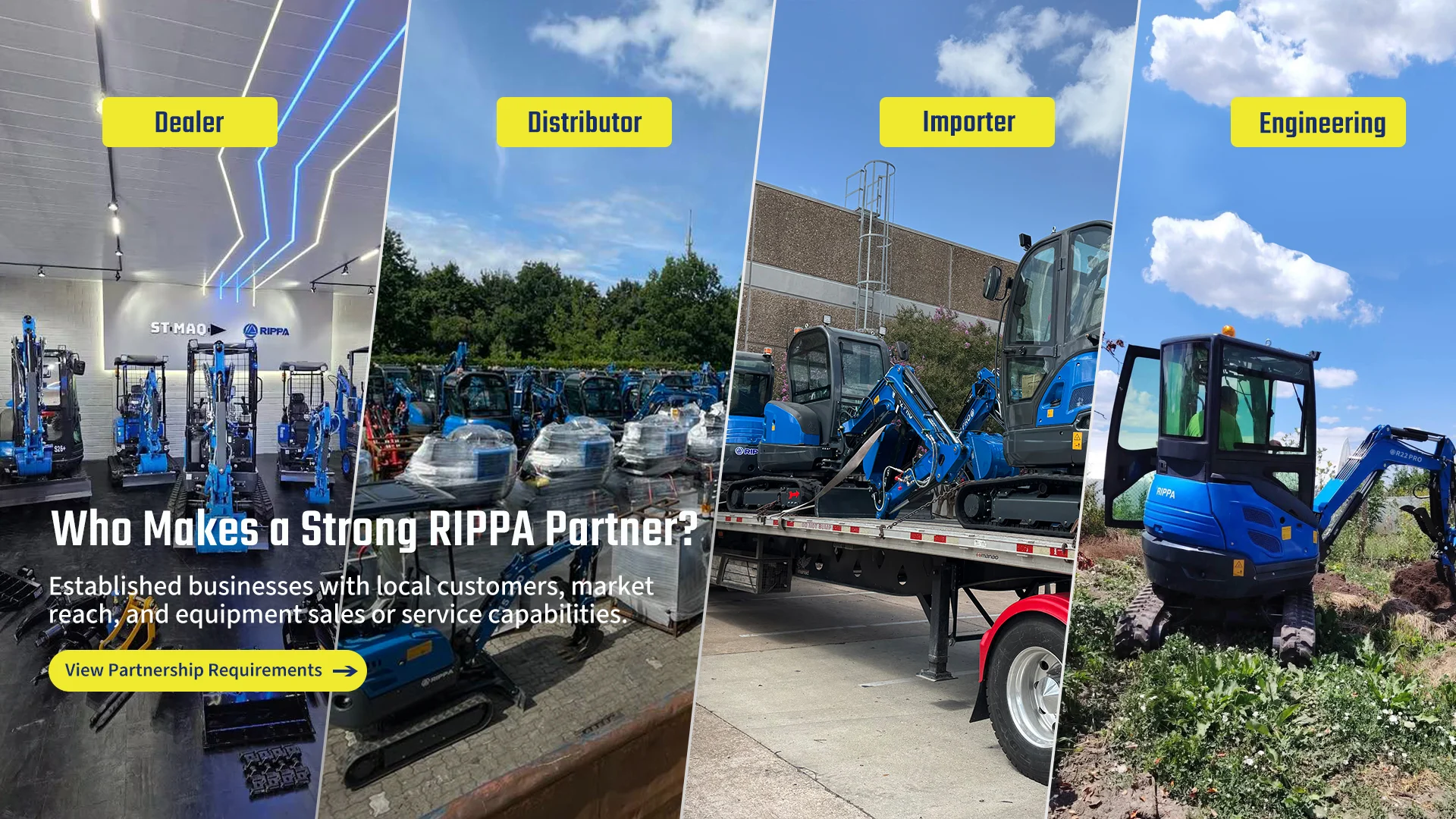
RIPPA currently publishes dealer opportunities for machinery distributors, rental businesses, agricultural sellers, and other regional equipment partners, while its product catalog includes mini excavators and related compact equipment categories.
Najczęściej zadawane pytania
Can landscape equipment dealers sell mini excavators?
Yes. Landscape equipment dealers may be strong candidates because their professional customers often need excavation for drainage, tree work, hardscaping, fencing, and property improvement.
Do lawn-care customers actually need excavators?
Basic mowing companies may not, but professional landscaping businesses performing project work often need compact excavation equipment.
Why are existing customer relationships important?
Because the dealership may already know which landscaping companies are growing, renting machinery, or taking on larger projects.
Should dealers stock many excavator models immediately?
Not necessarily. A focused range based on real local demand can reduce inventory complexity.
What should be sold with the excavator?
Depending on the customer, compatible buckets, augers, thumbs, grapples, or other attachments may be relevant.
Can a landscape dealer later add skid steers?
Yes, if customers repeatedly need loading, grading, and cleanup capability.
Wnioski
Landscape equipment dealers can be strong candidates for mini excavator dealerships because many already possess the hardest resource to build:
a professional customer base that needs machinery.
Their customers may be evolving from:
lawn maintenance → landscaping → hardscaping → drainage → construction-related outdoor work.
Mini excavators allow the dealer to evolve with them.
Instead of watching existing customers purchase or rent compact machinery elsewhere, the dealership can evaluate whether excavation equipment should become the next stage of its own product strategy.
 Strona główna
 Produkty
 E-mail
 WhatsApp

