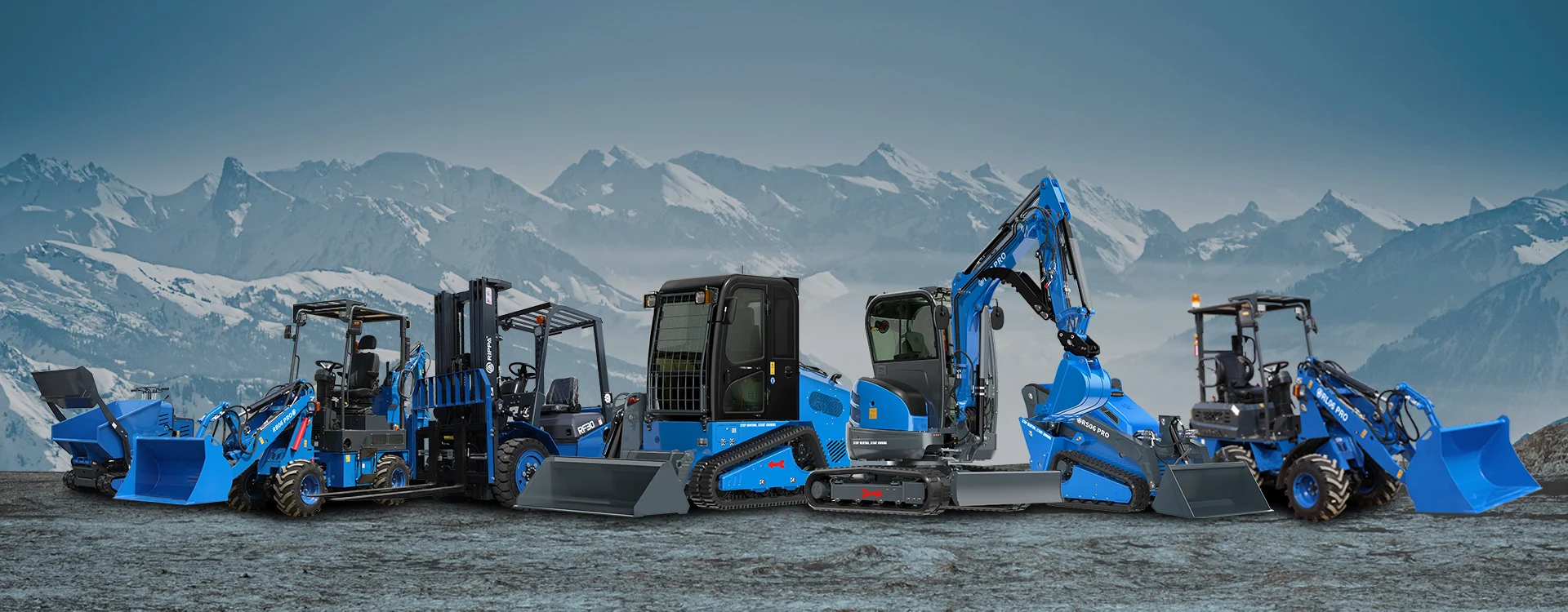
For equipment dealers, importers, and wholesale buyers, finding the best Chinese mini skid steer loader involves more than comparing machine prices. A suitable supplier should offer products that match local demand, consistent manufacturing quality, dependable parts support, and a clear process for repeat orders.
Mini skid steer loaders are used in landscaping, property maintenance, agriculture, construction, and material handling. Their compact design can make them suitable for projects where larger equipment is difficult to maneuver. For distributors, these machines can also complement an existing portfolio of compact construction equipment.
The key is to identify a manufacturer that can support the entire purchasing relationship, from product selection and export coordination to technical information and after-sales communication.
1. Why Consider Chinese Mini Skid Steer Loaders for Wholesale Purchasing?
Chinese manufacturers provide international buyers with another sourcing option in the compact equipment market. However, the value of a wholesale purchase depends on the specific supplier, product configuration, order terms, and destination market.
A Broader Range of Sourcing Options
Importers can compare different manufacturers, equipment configurations, and commercial arrangements before making a decision. This allows businesses to look for products that fit their customer base instead of relying on a single supplier or product category.
For an established equipment dealer, adding mini skid steer loaders may also create opportunities to serve landscaping contractors, agricultural businesses, construction companies, and property maintenance operators.
Opportunities for Repeat Orders
Wholesale purchasing is most effective when the supplier can support a repeatable ordering process. Buyers should discuss production schedules, minimum order quantities, configuration consistency, and shipping arrangements before committing to a long-term purchasing plan.
A dependable supply relationship helps distributors plan inventory and respond to customer demand more effectively.
Product Selection for Different Applications
Not every mini skid steer loader is suitable for every job. Buyers should assess the machine’s intended applications, operating environment, attachment compatibility, access requirements, and maintenance needs.
A clear understanding of local customer requirements makes it easier to select a suitable product range and avoid stocking equipment that does not match market demand.
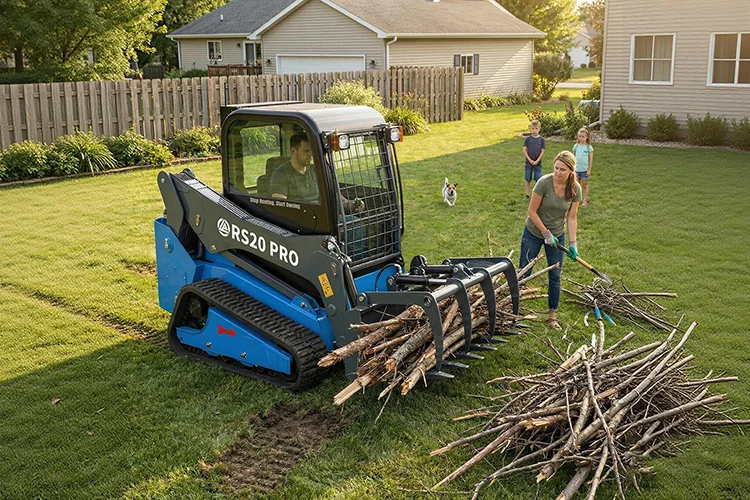
2. How to Evaluate a Chinese Mini Skid Steer Loader Manufacturer
The manufacturer’s capabilities can directly affect a dealer’s purchasing experience and long-term reputation.
Manufacturing and Quality Control
Ask the supplier about its production facilities, assembly procedures, component sourcing, inspection standards, and final testing process.
For wholesale orders, buyers should also confirm whether the manufacturer can maintain the agreed specifications across multiple machines. Written inspection criteria and pre-shipment checks can help reduce misunderstandings.
Where practical, request factory documentation or arrange an independent inspection before shipment.
Export Experience and Order Management
International equipment purchasing involves more than manufacturing. Buyers must coordinate shipping, export documentation, customs requirements, and delivery schedules.
A supplier with relevant export experience should be able to explain the ordering process, identify the documents it can provide, and clarify which responsibilities belong to the manufacturer, freight forwarder, and importer.
Destination-country certification and import requirements should be verified independently before an order is confirmed.
Communication and Technical Documentation
A supplier should provide clear product information and respond to questions about configurations, operating instructions, maintenance, and replacement parts.
Accurate documentation helps dealers train sales staff, answer customer questions, and communicate product capabilities without making unsupported claims.
When comparing manufacturers, evaluate the quality of their communication as well as the machines they offer.
3. What Should Wholesale Buyers Compare Before Placing an Order?
A structured comparison helps importers look beyond the initial quotation.
| Evaluation Factor | Questions to Ask | Business Benefit |
|---|---|---|
| Product range | Which configurations and applications are available? | Better fit with local demand |
| Quality control | What inspections and testing are performed? | More consistent purchasing standards |
| Order quantity | What are the minimum order requirements? | Easier purchasing and inventory planning |
| Production schedule | What is the confirmed lead time? | More reliable sales planning |
| Spare parts | How are parts ordered and dispatched? | Better after-sales preparation |
| Garantia | What coverage and claim procedures apply? | Clearer risk management |
| Export support | Which documents and shipping arrangements are available? | Smoother import coordination |
| Dealer cooperation | Are marketing resources or distribution arrangements available? | Better support for channel development |
Buyers should request written confirmation of important commercial terms. If several suppliers are under consideration, use the same comparison criteria for each one to make the differences easier to evaluate.
4. How to Calculate the Real Cost of a Mini Skid Steer Loader
A competitive factory quotation does not automatically mean a lower total procurement cost.
Importers should calculate the expected landed cost, including the machine price, shipping, insurance, applicable duties, customs clearance, inland transport, and any required preparation before resale.
For dealers, the calculation should also account for warehousing, sales expenses, spare parts inventory, warranty responsibilities, and customer support.
These costs can vary significantly by destination and purchasing arrangement. Buyers should therefore use their own shipping quotations and applicable import charges rather than relying on a general estimate.
It is also important to consider inventory turnover. Purchasing more machines may improve the commercial terms available from a supplier, but excess stock can tie up working capital. A smaller initial order may be more appropriate when testing a new product category or supplier relationship.
A practical purchasing plan balances unit cost, expected demand, cash flow, and the ability to support customers after delivery.
5. Why Spare Parts and After-Sales Support Matter for Dealers
A wholesale supplier should be evaluated on its ability to support equipment after shipment, not just its ability to deliver machines.
Before placing an order, ask about parts availability, ordering procedures, dispatch arrangements, technical documentation, and warranty claim requirements.
Dealers should establish a clear process for handling customer questions and troubleshooting requests. Depending on the business model, this may involve the dealer’s own technicians, local service partners, or technical assistance from the manufacturer.
Attachment compatibility also deserves attention. Buyers should confirm which attachments are supported by the selected machine and whether any additional connections, specifications, or installation requirements apply.
A well-planned parts and service process can help dealers reduce avoidable delays and maintain customer confidence. Any specific response times, warranty coverage, or parts delivery commitments should be confirmed in writing.
6. How to Build a Mini Skid Steer Loader Distribution Business
For distributors, selecting the right machine is only one part of building a successful equipment business.
Define Your Target Customers
Identify the customer groups most relevant to your market. These may include landscaping contractors, small construction companies, agricultural businesses, property maintenance firms, or existing compact equipment customers.
Their requirements will influence the product configurations, attachments, inventory levels, and sales materials you need.
Start With a Focused Product Range
Rather than stocking every available configuration, consider starting with products that address the clearest customer demand.
Evaluate inquiries, competitor offerings, local applications, delivery requirements, and purchasing budgets before expanding the range.
Establish a Repeatable Sales Process
A distributor should prepare clear product pages, quotations, application information, and a process for handling inquiries. Customers should be able to understand the machine’s intended use, purchasing terms, and available support before placing an order.
Dealers can also develop relationships with local contractors and relevant equipment businesses to generate qualified B2B leads.
Agree on Cooperation Terms With the Manufacturer
Before starting a dealership relationship, discuss purchasing conditions, delivery responsibilities, product documentation, parts support, warranty procedures, and marketing resources.
If territory protection or exclusivity is offered, ensure that the applicable conditions are written into the agreement. Do not assume that such arrangements are automatically available.
7. Is RIPPA a Supplier to Consider?
RIPPA is one manufacturer that international equipment buyers can evaluate when sourcing mini skid steer loaders and other compact construction machinery.
For businesses considering a new supplier, the next step is to confirm whether the available products suit their target customers and whether the commercial arrangements support their planned sales model.
Prospective wholesale buyers and dealers can discuss product selection, current quotations, order quantities, export arrangements, parts support, and potential distribution cooperation directly with RIPPA. Product availability and specific commercial terms should be confirmed with the company before purchasing.
A supplier evaluation should remain based on verifiable information, written terms, and the buyer’s actual market requirements rather than brand claims alone.
Conclusão
The best Chinese mini skid steer loader for a wholesale buyer is one that fits the intended application and can be supplied under reliable commercial terms. Product quality, manufacturing consistency, landed cost, parts availability, export coordination, and dealer support should all form part of the evaluation.
For importers and distributors, a careful supplier comparison can reduce procurement risks and provide a stronger foundation for repeat orders. By treating the purchase as a long-term supply decision rather than a one-time price comparison, businesses can build a more sustainable compact equipment portfolio.
 Início
 Produtos
 Correio eletrónico
 WhatsApp

