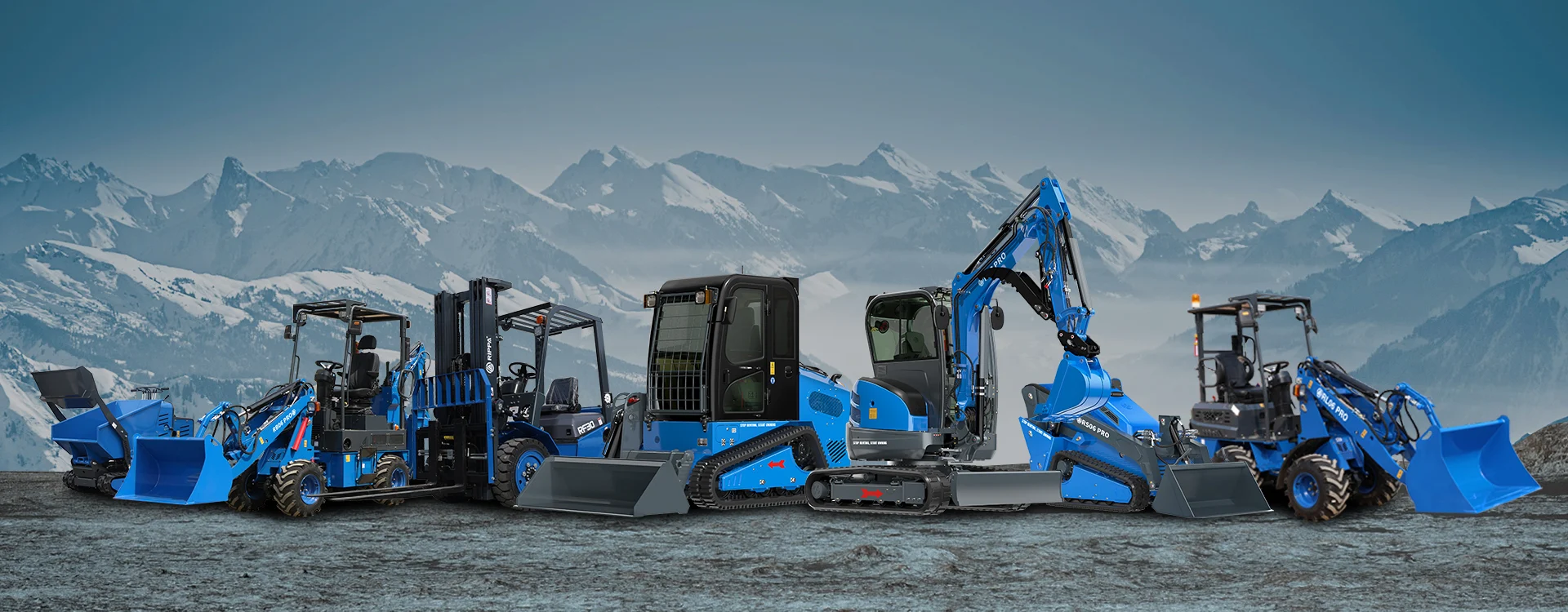
Operating a skid steer loader correctly is essential for safety, productivity, and machine longevity. Whether you are a first-time operator, a contractor training new staff, or a buyer researching compact equipment, understanding how to operate a skid steer properly will help you avoid costly mistakes and improve jobsite efficiency.
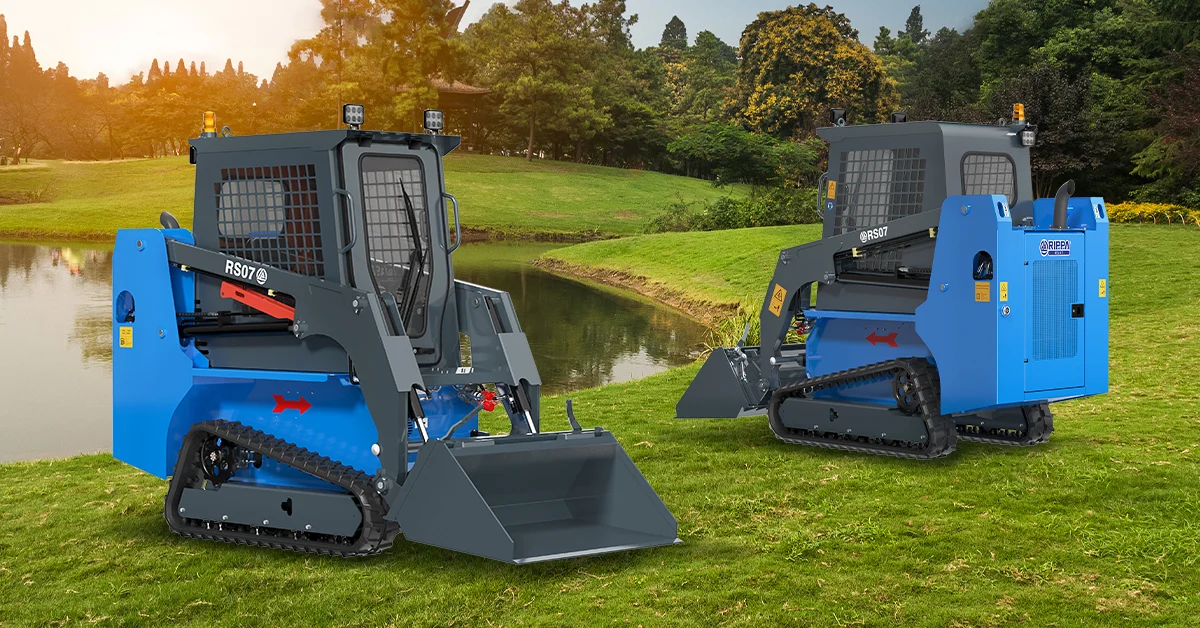
O que é uma minicarregadora?
A minicarregadora is a compact, engine-powered machine with lift arms used to attach a wide variety of tools and attachments. It is known for its zero-radius turning capability, achieved by independently controlling the left and right wheels or tracks.
Skid steers are widely used in:
-
●Construction
-
●Paisagismo
-
●Agriculture
-
●Snow removal
-
●Material handling
-
●Demolition
-
●Municipal work
Because of their compact size and versatility, skid steers are ideal for tight spaces where larger loaders cannot operate.
Before You Operate a Skid Steer: Basic Requirements
Before learning how to drive a skid steer, operators should meet the following basic requirements:
-
●Proper training or supervision
-
●Understanding of jobsite hazards
-
●Familiarity with the machine’s operator manual
-
●Use of appropriate personal protective equipment (PPE)
Even experienced equipment operators should never assume that all skid steers operate the same way. Control patterns, safety systems, and attachment couplers may differ by model.
Understanding Skid Steer Controls
1. Control Types: Joystick vs Hand-and-Foot
Skid steers generally use one of two control systems:
Joystick Controls
-
●Most modern skid steers use dual joysticks
-
●One joystick controls drive (forward, backward, turning)
-
●The other controls lift arms and bucket tilt
-
●Easier for beginners and more precise
Hand-and-Foot Controls
-
●Hand levers control lift and tilt
-
●Foot pedals control movement
-
●Common on older machines
Understanding your control type is critical before operating the machine.
2. Key Components You Should Know
Before starting, identify these essential components:
-
●Ignition switch
-
●Throttle
-
●Parking brake
-
●Lift arm controls
-
●Auxiliary hydraulic controls
-
●Safety interlock system
-
●Seat belt and lap bar
-
●Emergency stop
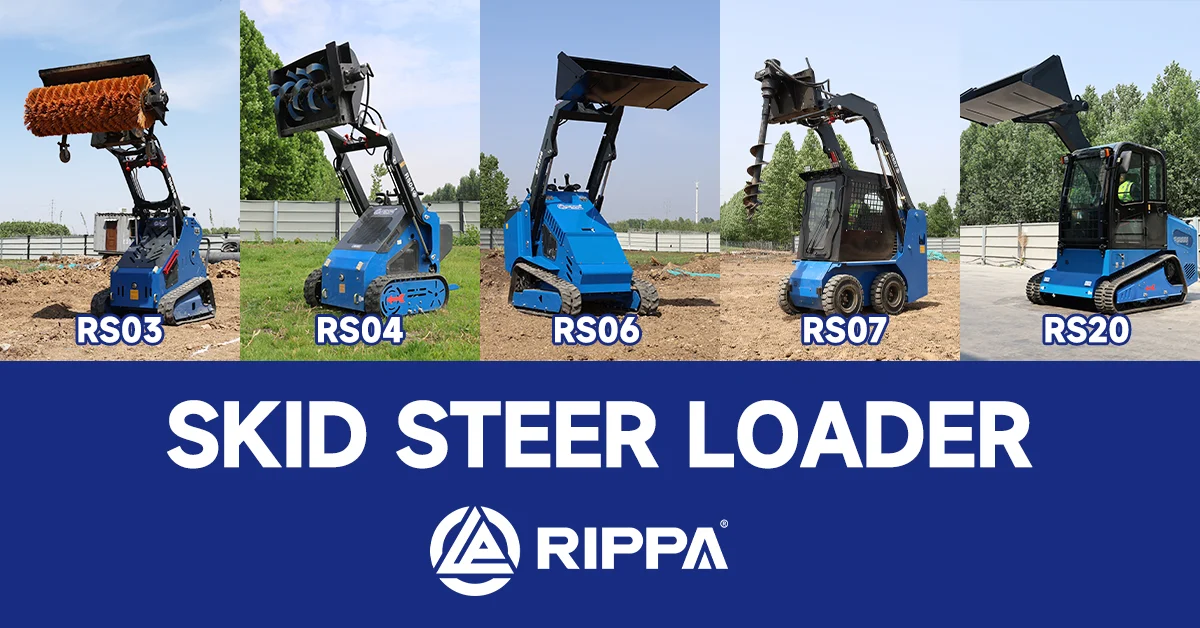
Step-by-Step: How to Operate a Skid Steer
Step 1: Perform a Pre-Operation Inspection
A pre-operation check helps prevent breakdowns and accidents.
Inspect the following:
-
●Engine oil level
-
●Hydraulic fluid level
-
●Coolant level
-
●Fuel level
-
●Tires or tracks
-
●Hoses and fittings
-
●Attachments and couplers
-
●Safety pins and locks
Check for visible leaks, loose bolts, or damaged components.
Step 2: Enter the Skid Steer Safely
-
●Use three points of contact
-
●Never step on controls while entering
-
●Sit fully in the operator seat
-
●Fasten the seat belt
-
●Lower the lap bar or engage the safety system
Most skid steers will not operate unless the safety system is engaged.
Step 3: Start the Skid Steer
-
●Ensure the parking brake is engaged
-
●Set throttle to idle
-
●Turn the ignition key
-
●Allow the engine to warm up (especially in cold weather)
Never rev the engine immediately after startup.
Step 4: Release the Parking Brake
Once the engine is running smoothly:
-
●Lower the lap bar completely
-
●Release the parking brake
-
●Confirm hydraulic controls are responsive
The machine is now ready to move.
How to Drive a Skid Steer
Forward and Reverse Movement
-
●Push both joysticks forward to move forward
-
●Pull both joysticks backward to reverse
-
●Smooth, gradual movements provide better control
Avoid sudden acceleration, especially on uneven ground.
Turning and Steering
Skid steers turn by varying wheel or track speed:
-
●Push one joystick forward and pull the other back to pivot
-
●Small joystick movements result in smoother turns
-
●Zero-radius turns should be used cautiously on hard surfaces
Excessive skidding can damage tires and ground surfaces.
Operating on Slopes
-
●Always travel up and down slopes, not across
-
●Keep heavy loads low to the ground
-
●Move slowly and steadily
-
●Avoid sudden turns on slopes
Operating sideways on slopes greatly increases rollover risk.
How to Use the Bucket Correctly
The bucket is the most common skid steer attachment.
Scooping Material
-
●Lower the bucket flat on the ground
-
●Drive forward slowly
-
●Curl the bucket upward while moving forward
-
●Lift only after the bucket is filled
Carrying a Load
-
●Keep the bucket low while traveling
-
●Avoid raising the load while moving
-
●Maintain clear visibility
Dumping Material
-
●Stop before dumping
-
●Raise the lift arms smoothly
-
●Tilt the bucket forward gradually
-
●Lower arms before moving again
How to Attach and Remove Skid Steer Attachments
One of the biggest advantages of a skid steer is attachment versatility.
Common Attachments Include:
-
●Buckets
-
●Pallet forks
-
●Augers
-
●Grapples
-
●Trenchers
-
●Snow blowers
-
●Brush cutters
Attaching an Attachment
1.Park on level ground
2.Lower lift arms completely
3.Drive slowly into the attachment
4.Engage the quick-attach system
5.Lock attachment pins
6.Connect hydraulic hoses if required
7.Test attachment function
Removing an Attachment
1.Lower attachment to ground
2.Release locking pins
3.Disconnect hydraulics
4.Back away slowly
Always relieve hydraulic pressure before disconnecting hoses.
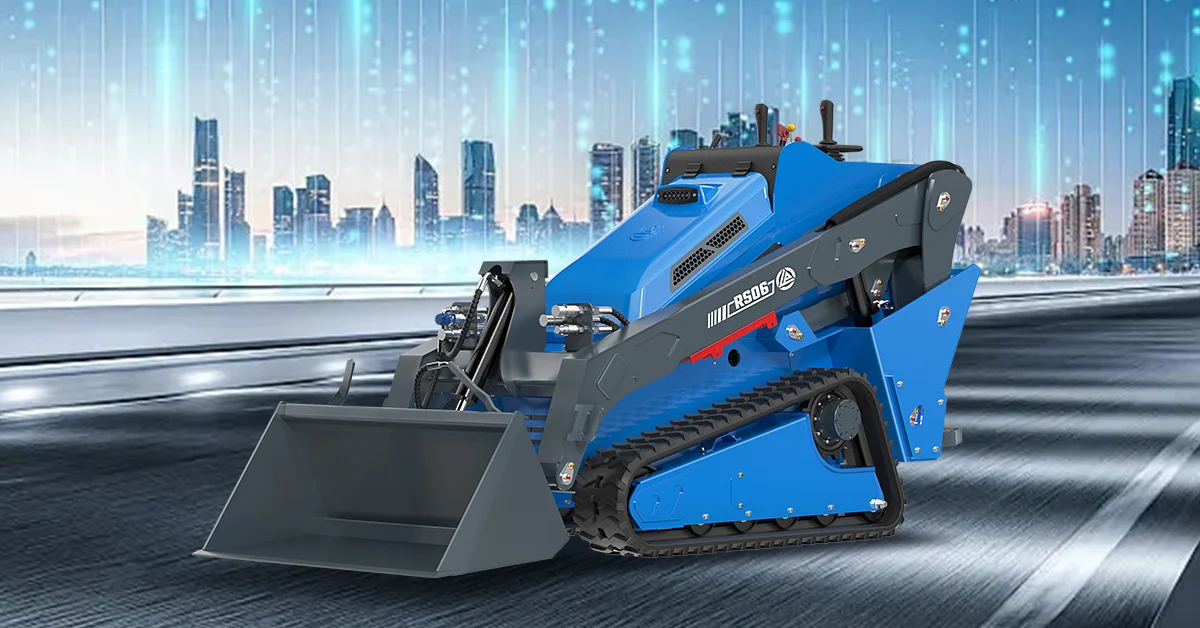
Skid Steer Safety Rules You Must Follow
Safety is critical when operating compact equipment.
Essential Safety Tips
-
●Always wear a seat belt
-
●Never operate without the lap bar down
-
●Keep bystanders away
-
●Do not exceed rated operating capacity
-
●Never carry passengers
-
●Avoid overhead hazards
-
●Shut down engine before exiting
Rollover Prevention
-
●Keep loads low
-
●Avoid sharp turns
-
●Travel slowly on uneven terrain
-
●Use counterweights if recommended
Operating a Skid Steer on Different Terrains
Hard Surfaces (Concrete, Asphalt)
-
●Avoid excessive pivot turns
-
●Reduce tire wear
-
●Use smooth steering inputs
Soft Ground (Mud, Sand, Soil)
-
●Use gradual throttle
-
●Avoid spinning tires
-
●Consider track loaders for better flotation
Snow and Ice
-
●Use proper snow attachments
-
●Reduce speed
-
●Maintain traction
-
●Avoid slopes when possible
Common Beginner Mistakes to Avoid
New operators often make these mistakes:
-
●Overloading the machine
-
●Raising loads too high
-
●Driving too fast
-
●Ignoring safety systems
-
●Skipping daily inspections
-
●Turning sharply on slopes
Avoiding these mistakes improves safety and machine lifespan.
Basic Skid Steer Maintenance for Operators
Daily maintenance keeps skid steers running efficiently.
Daily Checks
-
●Engine oil
-
●Hydraulic fluid
-
●Air filter
-
●Cooling system
-
●Tire pressure or track tension
Weekly Maintenance
-
●Grease pivot points
-
●Inspect hoses
-
●Check attachment wear
-
●Clean debris from engine bay
Proper maintenance reduces downtime and repair costs.
How Long Does It Take to Learn How to Operate a Skid Steer?
Most operators can learn basic skid steer operation within a few hours, but true proficiency takes days or weeks of practice.
Factors that affect learning speed include:
-
●Control system type
-
●Jobsite complexity
-
●Attachment variety
-
●Operator experience
Training under supervision is always recommended.
Skid Steer vs Other Compact Equipment
Understanding skid steer operation also involves knowing when it’s the right machine.
Compared to Compact Track Loaders (CTLs)
-
●Skid steers are faster on hard surfaces
-
●CTLs perform better on soft or muddy ground
-
●Skid steers cost less to maintain
Compared to Wheel Loaders
-
●Skid steers are more compact
-
●Wheel loaders offer better ride comfort
-
●Skid steers excel in tight spaces
Who Should Learn How to Operate a Skid Steer?
Skid steer operation is essential knowledge for:
-
●Construction workers
-
●Landscapers
-
●Farmers
-
●Snow removal contractors
-
●Rental customers
-
●Equipment dealers
-
●Property owners
Proper operation improves safety, efficiency, and return on investment.
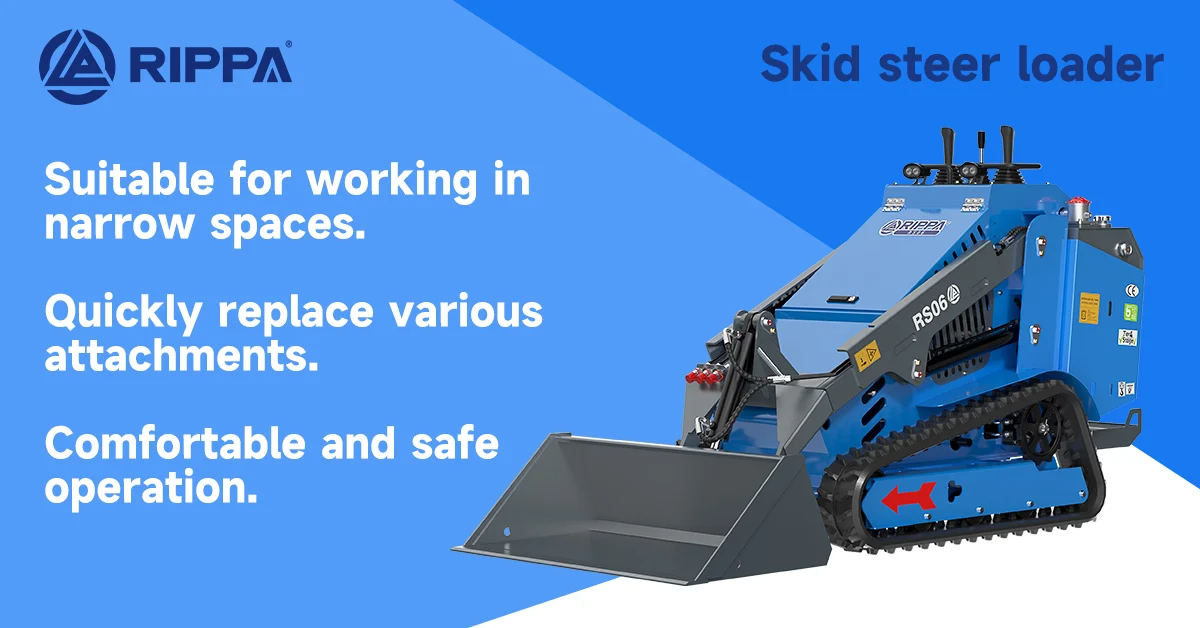
Final Thoughts: Mastering Skid Steer Operation
Learning how to operate a skid steer correctly is a valuable skill that pays off in productivity, safety, and machine performance. By understanding controls, following proper operating procedures, and respecting safety rules, operators can handle skid steers confidently across a wide range of applications.
Whether you are operating a skid steer daily or occasionally, continuous learning and practice are the keys to becoming a skilled and responsible operator.
 Início
 Produtos
 Correio eletrónico
 WhatsApp

