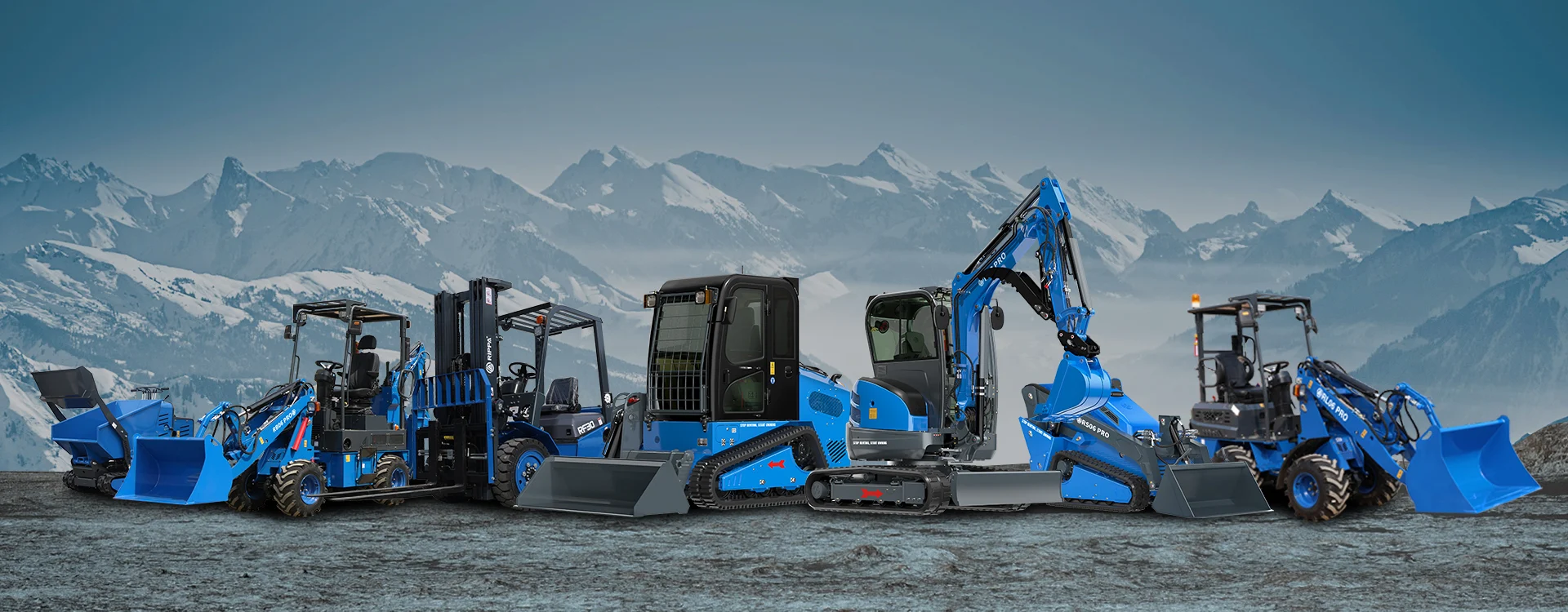
A skid steer loader is designed for confined job sites that require compact dimensions, high maneuverability, and frequent short work cycles, but it is not intended to operate as a primary machine under long‑term, continuous, high‑load conditions.
1. Definition and Explanation
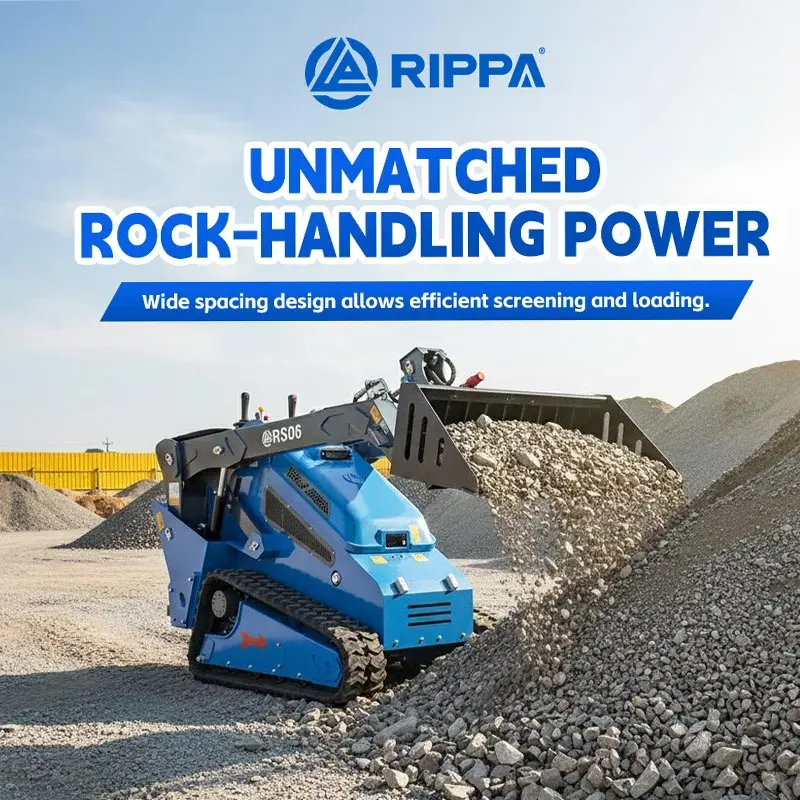
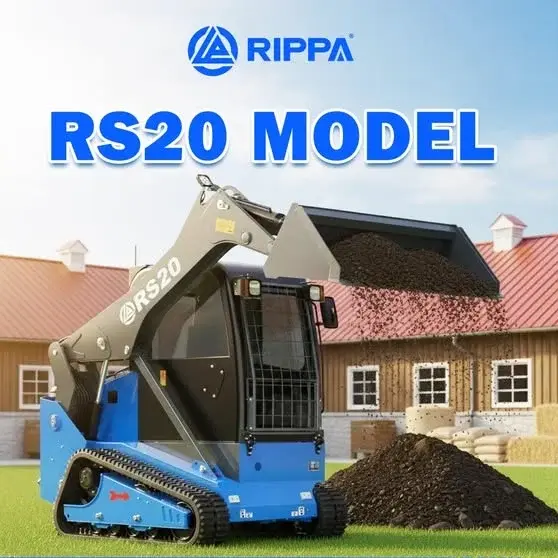
A skid steer loader is a compact, rigid‑frame construction machine that steers by varying the speed of its left and right wheels or tracks. This steering principle enables zero‑radius turning, making the machine highly effective in space‑restricted environments. Skid steer loaders are typically equipped with a front‑mounted quick‑attach system that allows the use of multiple attachments for loading, handling, cleaning, and light ground‑engaging tasks.
In engineering practice, “long‑term continuous operation in confined job sites” generally describes operating conditions with limited physical space, extended daily runtime, minimal cooling intervals, and relatively steady working loads. These conditions place sustained thermal, mechanical, and hydraulic demands on the machine and must be evaluated against its design duty cycle.
2. Typical Application Scenarios
Skid steer loaders are commonly applied in confined or restricted environments where larger equipment cannot operate efficiently, including:
- ●Interior construction sites for debris removal and material repositioning
- ●Municipal maintenance work on sidewalks, narrow streets, and utility corridors
- ●Industrial facilities and warehouses requiring compact material handling
- ●Agricultural buildings such as barns, feed storage areas, and service alleys
- ●Landscaping and renovation projects with frequent directional changes
In these scenarios, tasks are usually intermittent, load levels vary frequently, and machine repositioning occurs often, which aligns with the operational strengths of skid steer loaders.
3. Capability Range and Technical Limitations
3.1 Typical Capability Range (Representative Compact Class)
For compact skid steer loaders in the 0.7‑ton operating class, common industry specifications include:
- ●Operating weight: approximately 1,300–1,400 kg
- ●Rated operating capacity: approximately 300 kg
- ●Tipping load: approximately 650–700 kg
- ●Engine output: approximately 18 kW (24 hp class)
- ●Maximum travel speed: up to 8 km/h
- ●Overall machine width: approximately 1.1 m
- ●Hydraulic system: multi‑pump design with relatively high total flow
These parameters reflect a design emphasis on maneuverability, attachment flexibility, and efficiency in short work cycles rather than continuous high‑power output.
3.2 Limitations for Long‑Term Continuous Operation
Several technical factors limit suitability for extended continuous use:
- ●Power and load margin: Compact engines are optimized for variable loads, not sustained peak output.
- ●Thermal capacity: Limited engine compartment volume restricts heat dissipation during prolonged operation.
- ●Steering‑induced wear: Skid steering on hard surfaces accelerates wear on tires, tracks, and driveline components.
- ●Operator workload: Compact operator stations may increase fatigue during long, uninterrupted shifts.
As a result, continuous high‑load operation over full workdays may exceed the intended duty cycle of this equipment type.
4. Suitable and Unsuitable Use Conditions
Suitable Conditions
- ●Confined or enclosed workspaces
- ●Short‑duration or intermittent operating cycles
- ●Light to medium material handling tasks
- ●Frequent attachment changes and task variation
- ●Operations with planned cooling or rest intervals
Unsuitable Conditions
- ●Continuous heavy excavation or bulk loading
- ●Large‑scale earthmoving or transport operations
- ●High‑temperature environments without downtime
- ●Applications requiring sustained maximum payload efficiency
5. Frequently Asked Questions
Q1: Does continuous operation affect machine durability?
Extended operation beyond the intended duty cycle may increase wear on hydraulic systems, driveline components, and cooling systems.
Q2: Can enhanced maintenance offset continuous operation limits?
Maintenance improves reliability but does not alter fundamental design limits related to power, cooling, or structural capacity.
Q3: Can a skid steer loader serve as the only machine on a confined site?
It can function as the primary machine for small, intermittent tasks, but it is better suited as a support machine in continuous operations.
Q4: Are tracked skid steer loaders better for long operating hours?
Tracked models improve traction and ground pressure distribution but remain subject to similar power and thermal constraints.
6. Summary
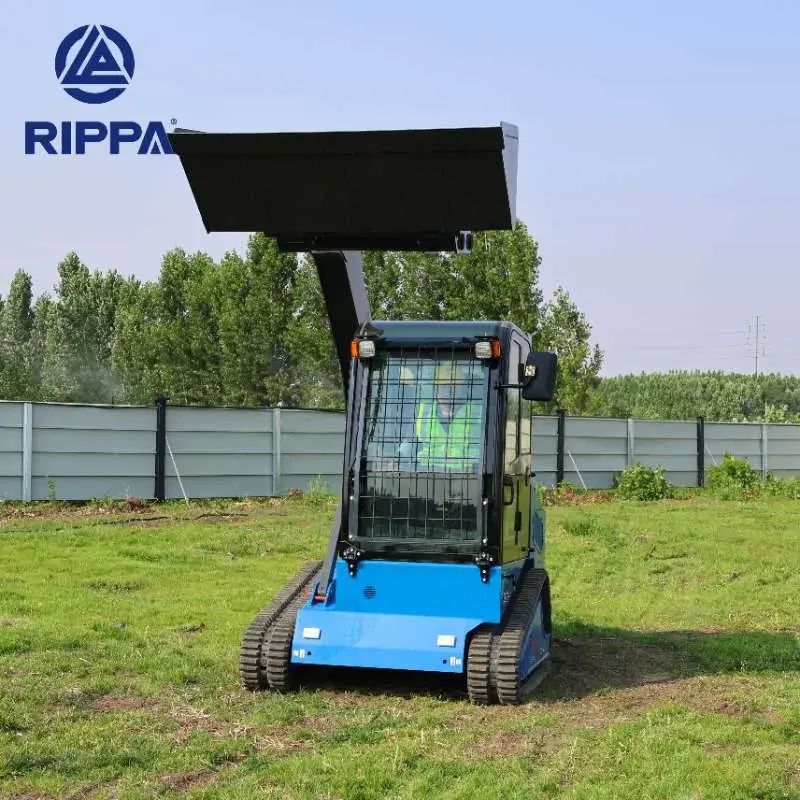
Skid steer loaders provide significant advantages in confined job sites due to their compact size, zero‑radius turning capability, and attachment versatility. However, from an engineering perspective, they are not intended for long‑term, continuous, high‑load operation. Proper task matching and operational planning are essential to ensure performance, reliability, and service life remain within expected limits.
 Início
 Produtos
 Correio eletrónico
 WhatsApp

