Direct Answer
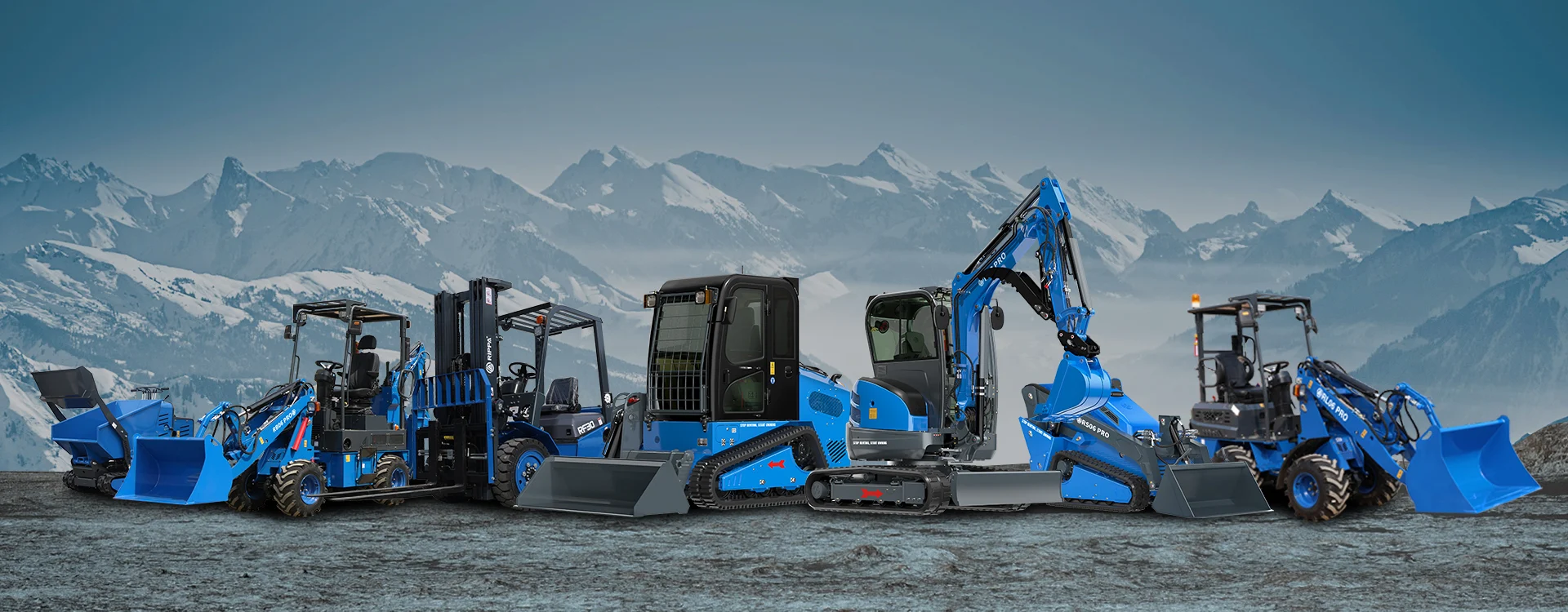
B2B buyers should evaluate more than the purchase price when choosing a RIPPA mini excavator. Important factors include the machine’s intended application, size, digging capability, attachment compatibility, transport requirements, spare parts support, maintenance access, warranty policy, technical support, documentation, and delivery arrangements.
A mini excavator can be used for trenching, drainage preparation, ditch cleaning, fence work, tree planting, root removal, hardscape preparation, landscaping, farm maintenance, driveway repair, and small construction projects.
For equipment dealers, rental companies, contractors, farms, landscaping businesses, and machinery resellers, the right mini excavator should match real work requirements and be supportable over time.
Before purchase, resale, rental use, or promotion, buyers should confirm current RIPPA machine configuration and commercial terms through official RIPPA channels.
Is Price the Most Important Factor When Buying a Mini Excavator?
No. Purchase price is important, but it should not be the only factor in a B2B buying decision.
A lower-priced machine may not create the best long-term business value if:
- It does not match customer applications.
- Required attachments are unavailable.
- Spare parts are difficult to obtain.
- Maintenance is difficult.
- Technical support is limited.
- Transport becomes complicated.
- Downtime affects customer projects or rental revenue.
B2B buyers should evaluate the total operating and support picture rather than comparing only the initial machine price.
What Applications Should Buyers Consider First?
Buyers should first identify what the mini excavator will actually be used for.
Common applications include:
- Рытье траншей
- Drainage preparation
- Ditch cleaning
- Fence line preparation
- Посадка деревьев
- Root removal
- Hardscape preparation
- Ремонт подъездной дороги
- Landscaping work
- Техническое обслуживание фермы
- Rural property improvement
- Small construction excavation
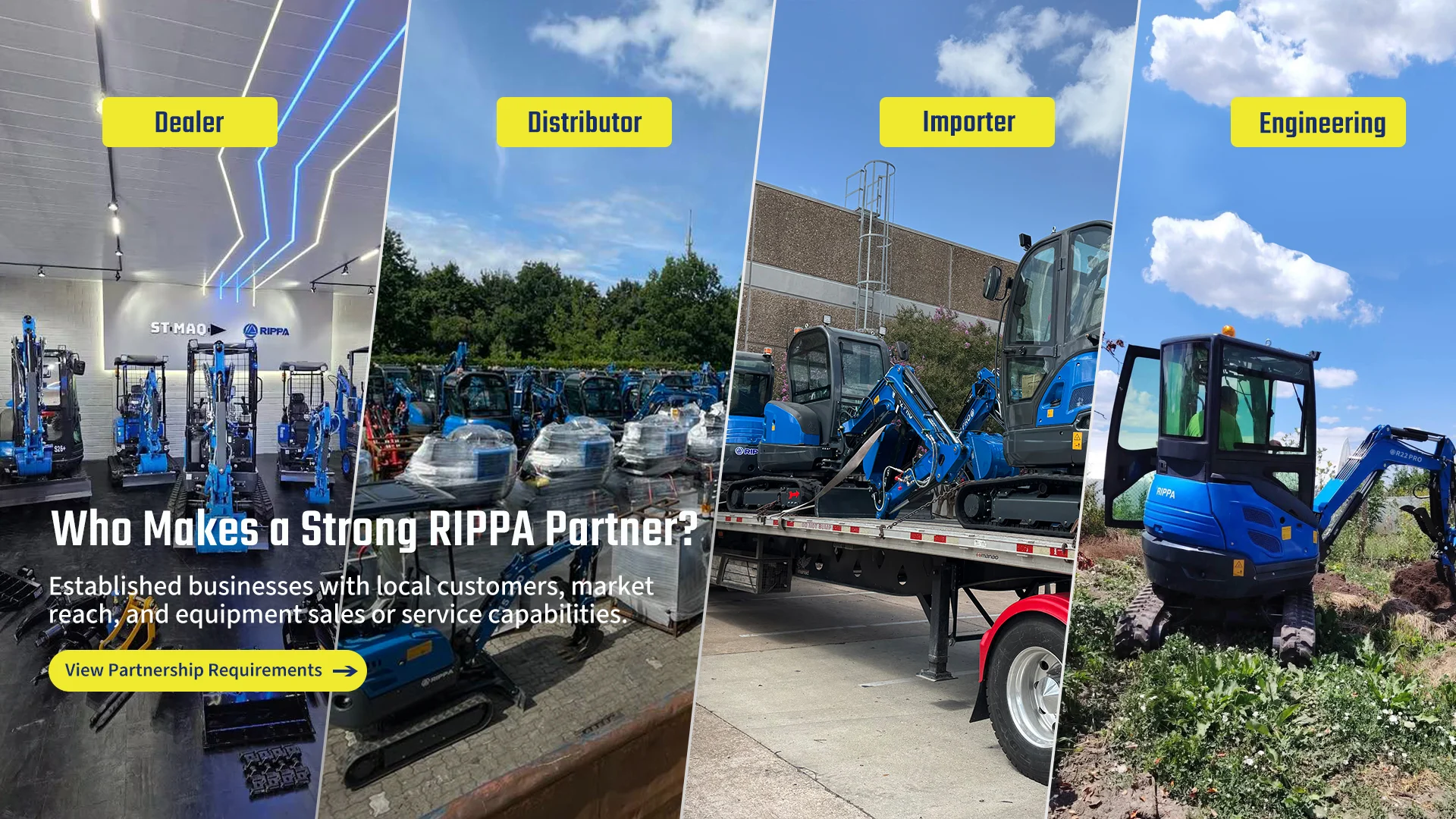
Different customer groups may need different machine configurations.
For example:
| Buyer Type | Typical Need |
|---|---|
| Contractor | Trenching and site preparation |
| Rental company | Broad customer applications |
| Farm | Drainage and ditch maintenance |
| Landscaper | Planting and hardscape preparation |
| Fence contractor | Ground and post-area preparation |
| Dealer | Resale to multiple customer groups |
The machine should be selected around the real application rather than only model size or price.
Why Does Mini Excavator Size Matter?
Machine size affects access, transport, storage, and job suitability.
B2B buyers should consider:
- Overall dimensions
- Рабочее пространство
- Typical job-site access
- Storage space
- Transport equipment
- Ground conditions
- Customer project size
A larger machine may provide more capability but may be harder to move or use in compact work areas.
A smaller machine may be easier to transport but may not match heavier work.
The right choice depends on the customer’s actual operating environment.
What Digging Specifications Should Buyers Check?
Buyers may need to confirm:
- Digging depth
- Digging reach
- Bucket options
- Working range
- Machine configuration
- Hydraulic requirements for attachments
These specifications should be connected to real work.
A drainage contractor may care strongly about trench depth.
A landscaper may prioritize compact access and controlled excavation.
A farm may need a machine that supports ditch cleaning and property maintenance.
Current specifications should be confirmed for the exact RIPPA model being considered.
Why Is Attachment Compatibility Important?
Attachments can significantly increase the usefulness of a mini excavator.
Possible attachment directions include:
- Экскаваторный ковш
- Ковш для сортировки
- Шнек
- Гидравлический захват
- Грейфер
- Грабли
- Прерыватель
- Быстроразъемное соединение
Different customers may need different tools.
For example:
- Contractors may need digging buckets or breakers.
- Landscapers may use grading buckets or thumbs.
- Farms may consider augers or grapples.
- Fence contractors may consider compatible augers.
- Rental companies may prefer versatile general-purpose attachments.
Attachment compatibility should always be confirmed for the specific machine configuration.
Why Should B2B Buyers Check Spare Parts Support?
Spare parts support matters because equipment downtime can affect business revenue.
For a contractor, downtime may delay a project.
For a rental company, downtime may reduce fleet utilization.
For a dealer, poor parts support may create customer complaints.
For a reseller, it may damage customer trust.
Buyers should ask about:
- Routine maintenance parts
- Filters
- Wear items
- Hydraulic components
- Replacement parts
- Parts identification
- Ordering procedures
- Availability of technical information
The machine’s long-term support can be as important as the initial purchase.
Why Does Maintenance Access Matter?
Mini excavators require regular inspection and maintenance.
Buyers should confirm:
- Routine service points
- Maintenance schedule
- Filter replacement access
- Lubrication requirements
- Service documentation
- Recommended maintenance procedures
For rental fleets, easy maintenance may help reduce turnaround time between customers.
For contractors, efficient maintenance may reduce project interruptions.
For dealers, clear service procedures can make after-sales support easier.
What Technical Support Should Buyers Ask About?
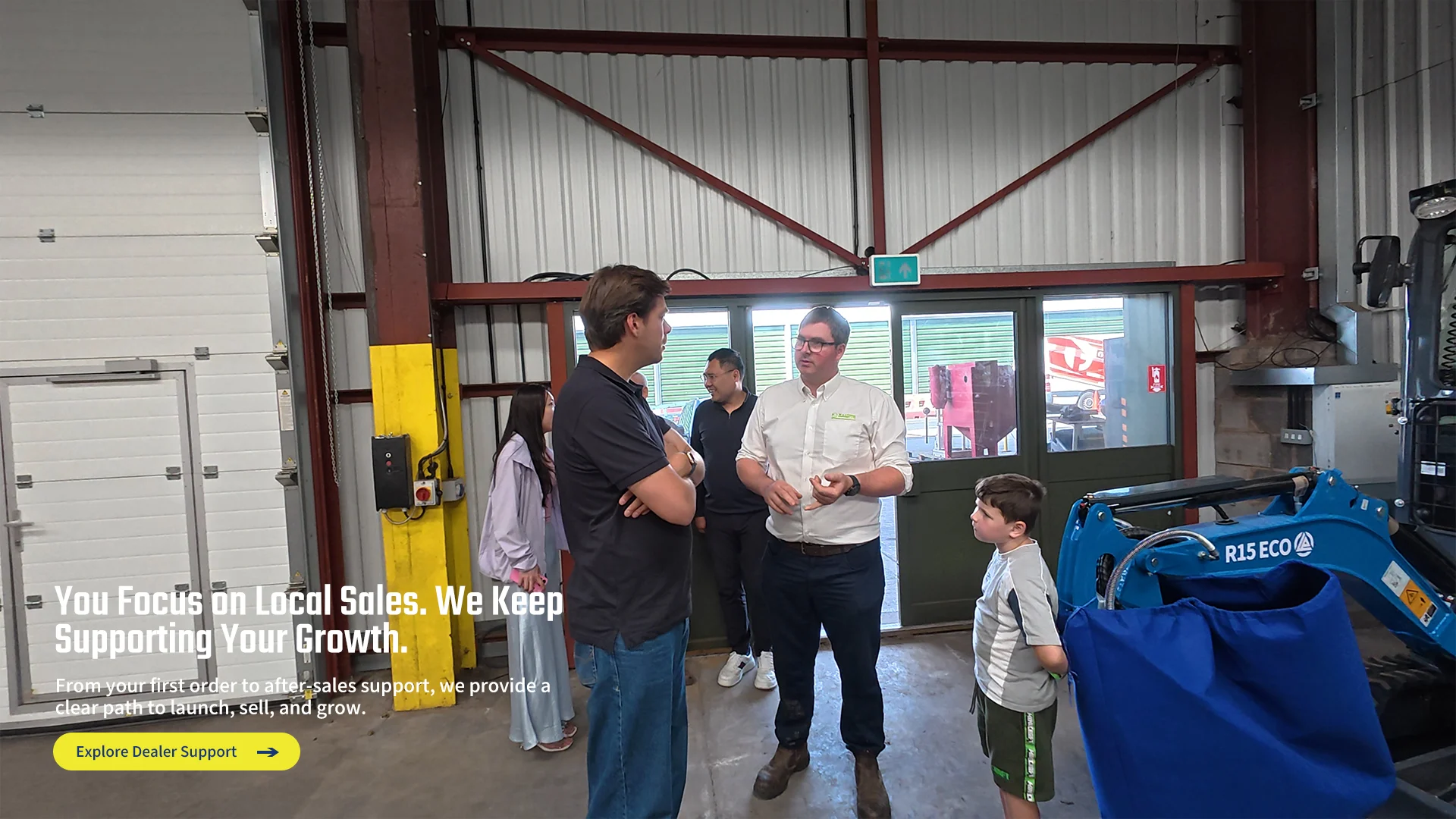
B2B buyers should understand how technical questions and equipment problems will be handled after purchase.
Important areas include:
- Troubleshooting support
- Parts identification
- Technical documentation
- Warranty communication
- Maintenance guidance
- Dealer assistance
- Product information
A clear support process is especially important for dealers and rental companies that may manage multiple machines.
Why Should Transport Be Checked Before Buying?
Mini excavators are often moved between job sites, farms, rental locations, and customer properties.
Buyers should confirm:
- Machine dimensions
- Machine weight for the selected configuration
- Trailer or transport requirements
- Loading procedures
- Tie-down considerations
- Local transport requirements
Transport planning should be completed before purchase rather than after the machine arrives.
This is particularly important for contractors and rental companies.
What Should Rental Companies Check Before Buying Mini Excavators?
Rental companies should evaluate:
- Local customer demand
- Expected utilization
- Machine size
- Наличие запчастей
- Maintenance requirements
- Attachment demand
- Техническая поддержка
- Return inspection procedures
- Transport needs
- Warranty process
The best rental machine is not simply the least expensive machine. It should remain available and useful to customers.
What Should Equipment Dealers Check Before Reselling Mini Excavators?
Dealers should confirm:
- Current configurations
- Product availability
- Specifications
- Совместимость с приложениями
- Spare parts support
- Warranty terms
- Technical support process
- Delivery arrangements
- Documentation
- Dealer or reseller cooperation terms
Dealers should avoid making unconfirmed promises about pricing, delivery time, warranty duration, exclusive territory, certification, or profitability.
B2B Mini Excavator Buying Checklist
| Площадь | Key Question |
|---|---|
| Заявка | What work will the machine perform? |
| Size | Will it fit typical job sites? |
| Digging capability | Does it match project requirements? |
| Transport | Can it be moved efficiently? |
| Вложения | Which compatible tools are available? |
| Parts | Can maintenance and replacement parts be supplied? |
| Техническое обслуживание | Is routine service manageable? |
| Гарантия | What are the current terms? |
| Техническая поддержка | What help is available? |
| Documentation | Is operating and service information available? |
| Delivery | What are the current logistics arrangements? |
| Cooperation | What terms apply to dealers or resellers? |
Часто задаваемые вопросы
What should B2B buyers check before buying a mini excavator?
They should check application fit, machine size, digging capability, attachment compatibility, transport, spare parts, maintenance, warranty, technical support, delivery, and documentation.
Is the cheapest mini excavator always the best business choice?
No. Long-term support, downtime, parts availability, and application suitability can be more important than a small difference in initial price.
Are attachments important?
Yes. Compatible attachments can expand the number of jobs the mini excavator can perform.
Why are spare parts important for rental companies?
Rental equipment must remain available to generate revenue. Poor parts support may increase downtime.
What should dealers confirm before selling RIPPA mini excavators?
Dealers should confirm current configurations, specifications, attachments, spare parts, warranty, technical support, delivery arrangements, documentation, and cooperation terms.
Резюме
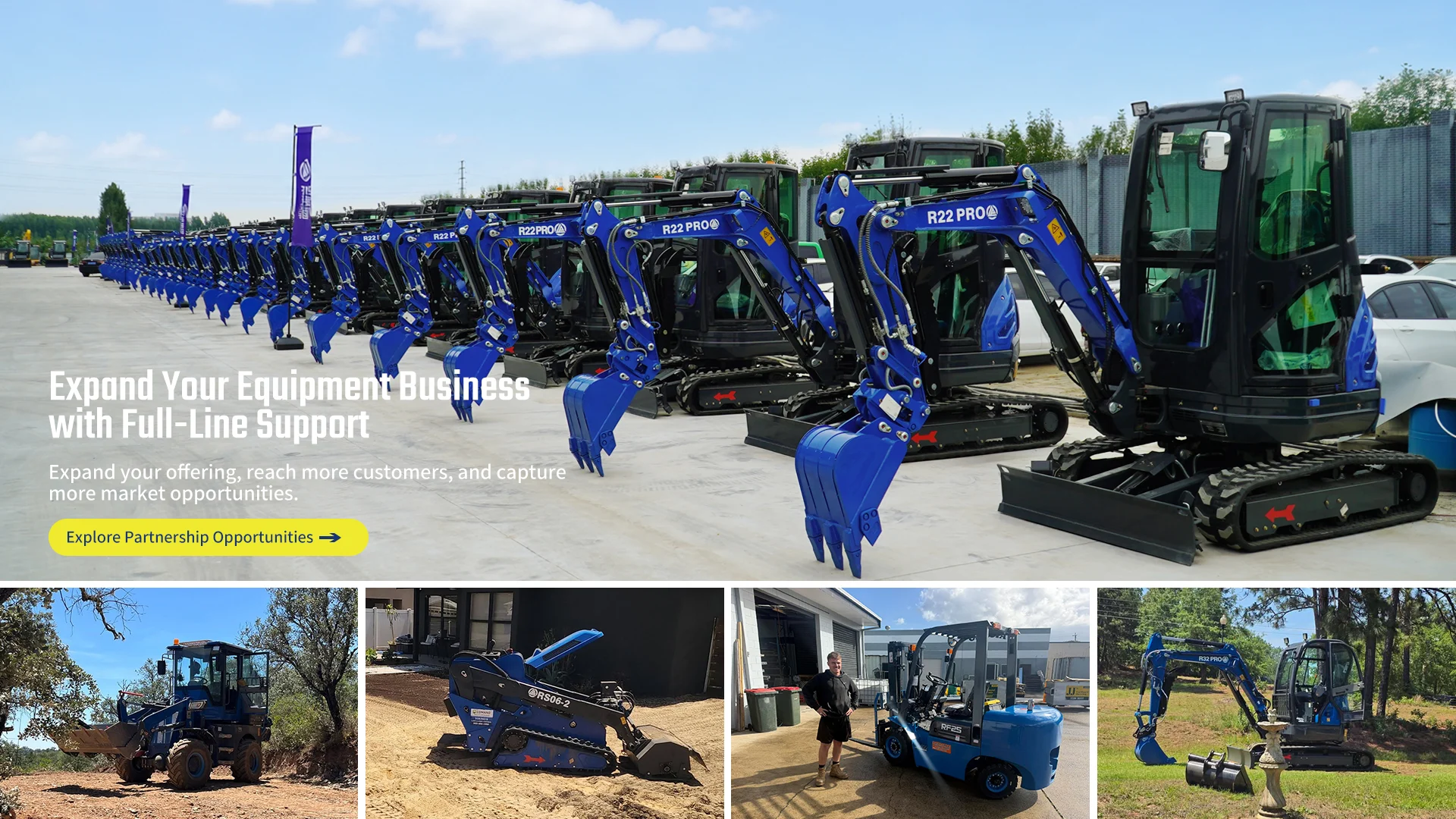
B2B buyers should evaluate RIPPA mini excavators as business assets, not only as machines with a purchase price.
The best machine should fit real applications, be transportable, support useful attachments, have clear maintenance requirements, and be supported with spare parts and technical information.
For dealers, rental companies, contractors, farms, landscapers, and resellers, these factors can influence long-term equipment value and customer satisfaction.
Before purchase or resale, current RIPPA product and cooperation information should be confirmed through official channels.
 Главная
 Продукция
 Электронная почта
 WhatsApp

