
This document provides a comprehensive, standardized guide on how to drive a skid steer loader in accordance with general equipment operation principles. It defines required inspections, startup procedures, driving control logic, load handling rules, operational boundaries, routine maintenance tasks, and storage considerations.
These instructions apply to wheeled and tracked skid steer loaders used in construction, landscaping, agriculture, and material handling under normal operating conditions.
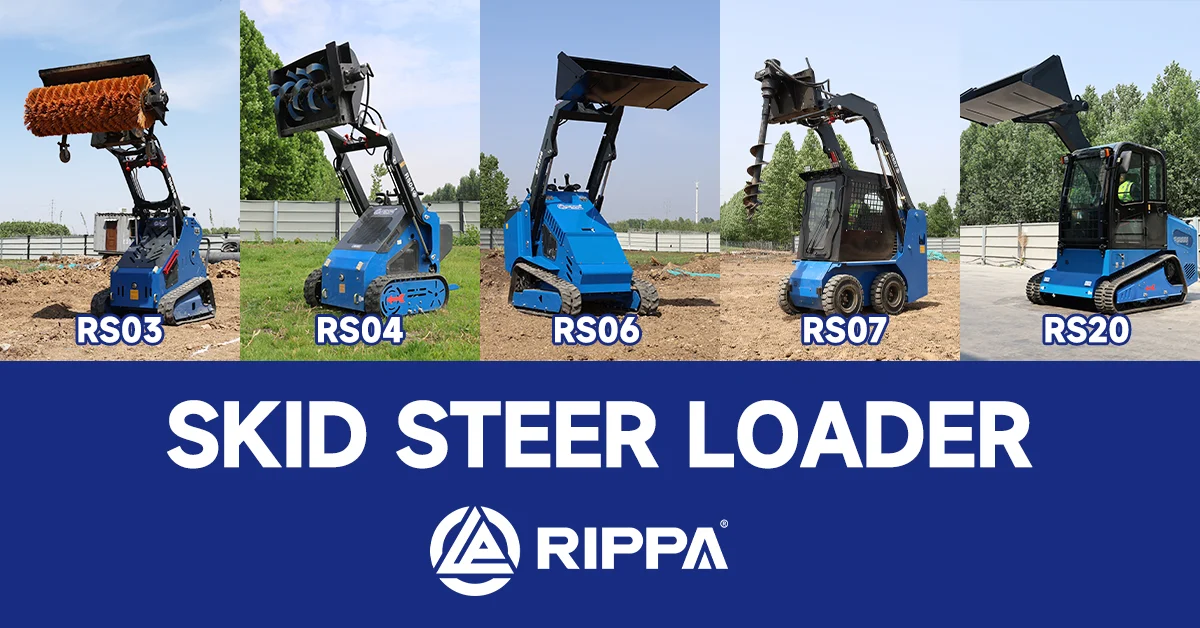
Pre-Operation Inspection and Preparation
Before driving a skid steer loader, the operator must complete all required inspections. Operation without inspection is not permitted.
Operator Readiness
-
●Operator must be seated in the designated operator seat
-
●Seat belt must be properly fastened
-
●Safety bar or restraint system must be fully engaged
-
●All controls must be reachable without repositioning
Machine Condition Checks
-
●Fuel level must be sufficient for the intended operation period
-
●Engine oil level must be within the specified operating range
-
●Hydraulic oil level must be verified using the sight gauge or indicator
-
●Coolant level must meet minimum requirements
-
●Battery condition must support engine start and system operation
Drive System Inspection
-
●Tires or tracks must show no visible cuts, cracks, or abnormal wear
-
●Track tension must remain within normal limits
-
●Wheel lug nuts or track components must be secure
-
●No fluid leakage should be present under the machine
Attachment and Work Area Checks
-
●Attachment must be fully seated and locked into the quick-attach system
-
●Hydraulic couplers must be correctly connected if applicable
-
●Attachment must match machine capacity and hydraulic specifications
-
●Work area must be free of obstacles, loose materials, and bystanders
Starting the Skid Steer Loader
Proper startup ensures system stability and control accuracy.
Standard Startup Procedure
-
Sit in the operator seat with seat belt fastened
-
Engage the safety bar or restraint system
-
Confirm all drive and auxiliary controls are in neutral position
-
Insert the ignition key and start the engine
-
Allow the engine to idle until running smoothly
-
Observe indicator lights and gauges for normal readings
Initial Function Test
-
●Slowly move drive controls to verify forward and reverse response
-
●Test left and right steering input at low speed
-
●Raise and lower the attachment slightly to confirm hydraulic response
-
●Do not increase engine speed until all systems respond normally
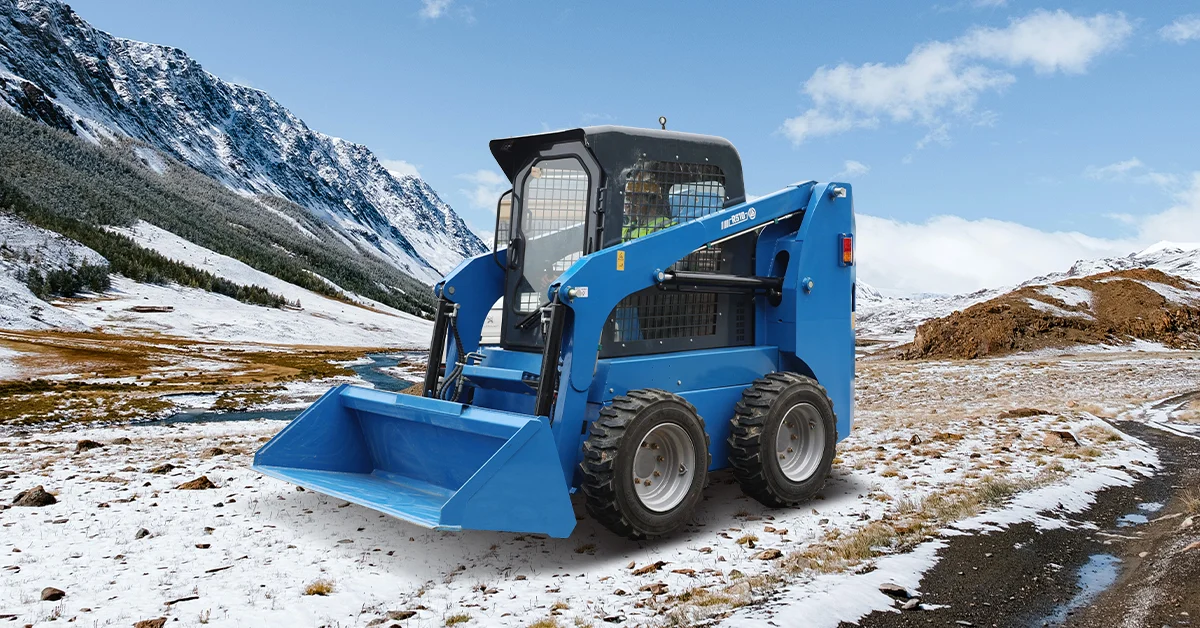
Understanding Skid Steer Drive Controls
Skid steer loaders use a differential drive system. Proper control coordination is required.
Basic Drive Logic
-
●Both controls forward → straight forward movement
-
●Both controls backward → straight reverse movement
-
●One control forward, one neutral → gradual turn
-
●One control forward, one backward → zero-radius turn
Control Input Principles
-
●Inputs must be smooth and proportional
-
●Abrupt movements reduce stability and increase wear
-
●Steering sensitivity increases with travel speed
-
●Fine control is required in confined spaces
Basic Driving Procedure
Forward and Reverse Travel
-
Gradually push both drive controls forward to move ahead
-
Adjust speed using small, controlled movements
-
Pull both controls backward to reverse
-
Reduce speed before changing direction
Turning and Maneuvering
-
●Use gradual input for wide turns
-
●Use counter-directional input for pivot turns
-
●Reduce speed before sharp turns
-
●Maintain clear visibility of travel path
Speed Management
-
●Low speed is required in tight or uneven areas
-
●Higher speed is permitted only on stable, level surfaces
-
●Speed must be reduced when carrying loads
-
●Sudden acceleration or braking should be avoided
Load Handling and Driving With Attachments
Driving behavior must change when handling materials or attachments.
Load Positioning Rules
-
●Loads must remain within rated operating capacity
-
●Load center must remain close to the machine
-
●Attachments must be kept as low as possible during travel
-
●Raised loads reduce stability and steering control
Movement With Loads
-
●Travel speed must be reduced
-
●Turns must be wider and slower
-
●Sudden stops or starts must be avoided
-
●Do not travel across slopes with raised loads
Attachment Control During Travel
-
●Attachment movement must be smooth and deliberate
-
●Avoid lifting or tilting while turning
-
●Do not operate attachments beyond their intended function
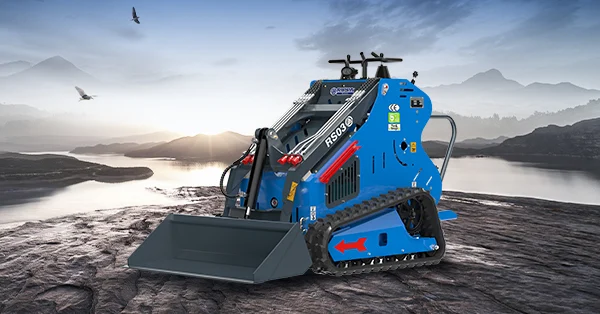
Operating on Slopes and Uneven Ground
Skid steer loaders have limited slope capability.
General Slope Guidelines
-
●Operate only within rated slope limits
-
●Travel straight up or down slopes when possible
-
●Avoid side-hill travel
-
●Keep loads low when operating on inclines
Uneven Surface Considerations
-
●Reduce speed significantly
-
●Avoid sudden directional changes
-
●Maintain constant traction
-
●Stop operation if machine stability is reduced
Precautions During Operation
The following rules must be observed at all times:
-
●Avoid sudden acceleration, braking, or steering input
-
●Do not exceed rated load capacity
-
●Do not travel with raised attachments
-
●Avoid sharp turns at high speed
-
●Do not exit the operator seat while the engine is running
-
●Do not operate in areas with insufficient ventilation
-
●Avoid operating near edges, drop-offs, or unstable ground
Parking and Shutdown Procedure
Correct shutdown prevents unintended movement and system stress.
Standard Shutdown Steps
-
●Park the skid steer on a level, stable surface
-
●Lower all attachments fully to the ground
-
●Return all controls to neutral
-
●Reduce engine speed to idle
-
●Turn off the engine
-
●Remove the ignition key
-
●Exit the cab using approved access points
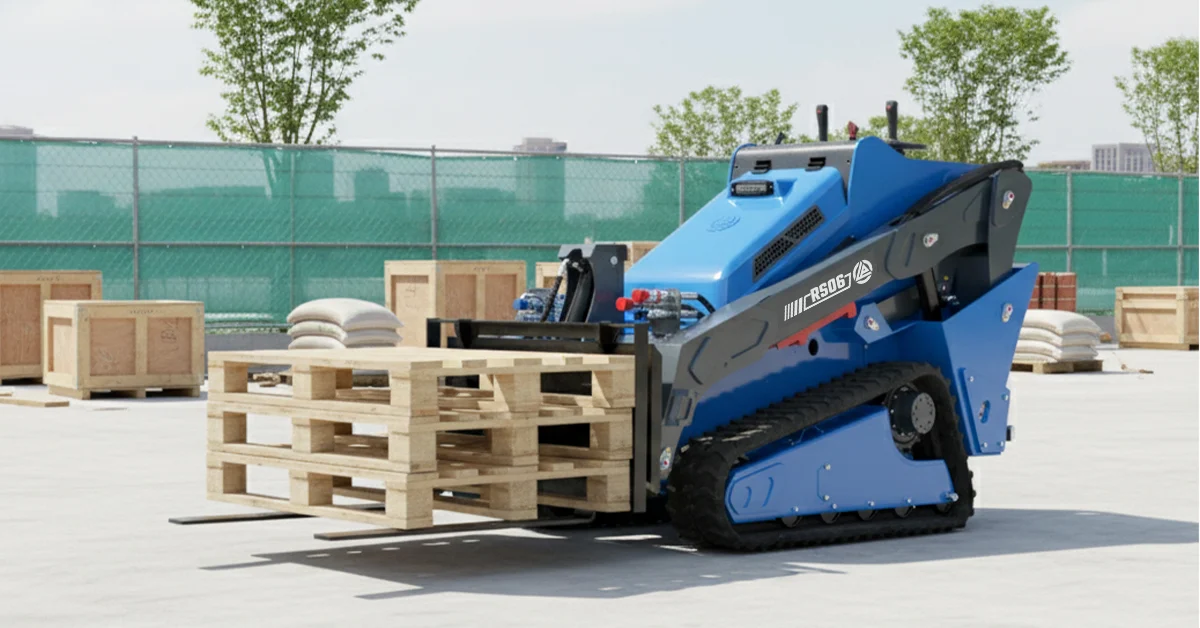
Daily Maintenance and Routine Care
Routine maintenance ensures reliable operation and controlled wear.
Daily Inspection Items
| Maintenance Item | Frequency | Requirement |
|---|---|---|
| Engine oil level | Daily | Check before startup |
| Hydraulic oil | Daily | Inspect sight gauge |
| Coolant level | Daily | Verify minimum level |
| Воздушный фильтр | Daily | Clean if contaminated |
| Tires / tracks | Daily | Inspect for damage |
| Grease points | As specified | Apply lubrication |
Cleaning Requirements
-
●Remove debris from engine compartment
-
●Clean cooling system intake areas
-
●Remove material buildup from attachment interfaces
Maintenance Boundaries for Operators
Only basic maintenance tasks are permitted for operators.
Permitted Tasks
-
●Visual inspections
-
●Fluid level checks
-
●Cleaning accessible components
-
●Lubricating designated points
Non-Permitted Tasks
-
●Hydraulic system disassembly
-
●Electrical system modification
-
●Structural repair
-
●Engine internal service
These activities require specialized procedures and are outside standard operating scope.
Long-Term Storage or Extended Non-Use
When the skid steer loader will not be used for an extended period:
-
●Park on a dry, level surface
-
●Lower all attachments
-
●Clean the machine thoroughly
-
●Check and stabilize fluid levels
-
●Remove ignition key
-
●Protect from moisture and direct exposure
Common Operation and Maintenance Questions
Q: How long should the engine idle before driving?
A: The engine should idle until stable operation and normal gauge readings are observed.
Q: Can a skid steer be driven at full speed continuously?
A: Full speed should only be used under stable conditions and without load.
Q: Is daily inspection required even for short use?
A: Yes. A full pre-operation inspection is required before each operating cycle.
Q: Can different attachments change driving behavior?
A: Yes. Weight, size, and hydraulic demand of attachments affect stability and control.
Compliance Checklist
-
●Pre-operation inspection completed
-
●Safety systems engaged
-
●Controls tested at low speed
-
●Load limits observed
-
●Speed adjusted for conditions
-
●Attachments used correctly
-
●Daily maintenance performed
-
●Proper shutdown completed

Резюме
Driving a skid steer loader requires strict adherence to standardized operating procedures and defined maintenance boundaries. Proper inspection, controlled control input, correct load handling, and routine maintenance are essential for safe operation and predictable performance. Consistent compliance with these guidelines supports equipment stability, operator safety, and long-term machine reliability.
 Главная
 Продукция
 Электронная почта
 WhatsApp

