Choosing a Chinese skid steer loader involves evaluating more than its purchase price or appearance. For equipment importers, distributors, and machinery dealers, the right purchasing decision depends on local customer requirements, equipment applications, attachment compatibility, supplier reliability, and long-term operating support.
Chinese manufacturers offer different compact equipment options for international markets. However, not every machine or configuration will be suitable for every business.
Understanding the following factors can help buyers make more informed sourcing decisions.
1. Start with Your Local Equipment Market
Before contacting Chinese suppliers, identify the main applications and customer groups in your target market.
A skid steer loader may serve several industries, but their purchasing priorities can differ.
Construction and Site Preparation
Construction contractors may require equipment for moving materials, clearing work areas, loading operations, and general site maintenance.
Landscaping and Property Improvement
Landscaping businesses often need compact machinery that can perform different tasks across residential and commercial properties.
Agriculture and Farm Operations
Agricultural customers may use skid steer loaders for moving feed, transporting materials, and maintaining farm facilities.
Industrial Material Handling
Warehouses and industrial businesses may require compact loading equipment to support daily material movement.
Understanding these applications helps buyers select suitable products instead of purchasing equipment without a clear target market.
2. Evaluate Equipment Versatility and Attachment Options
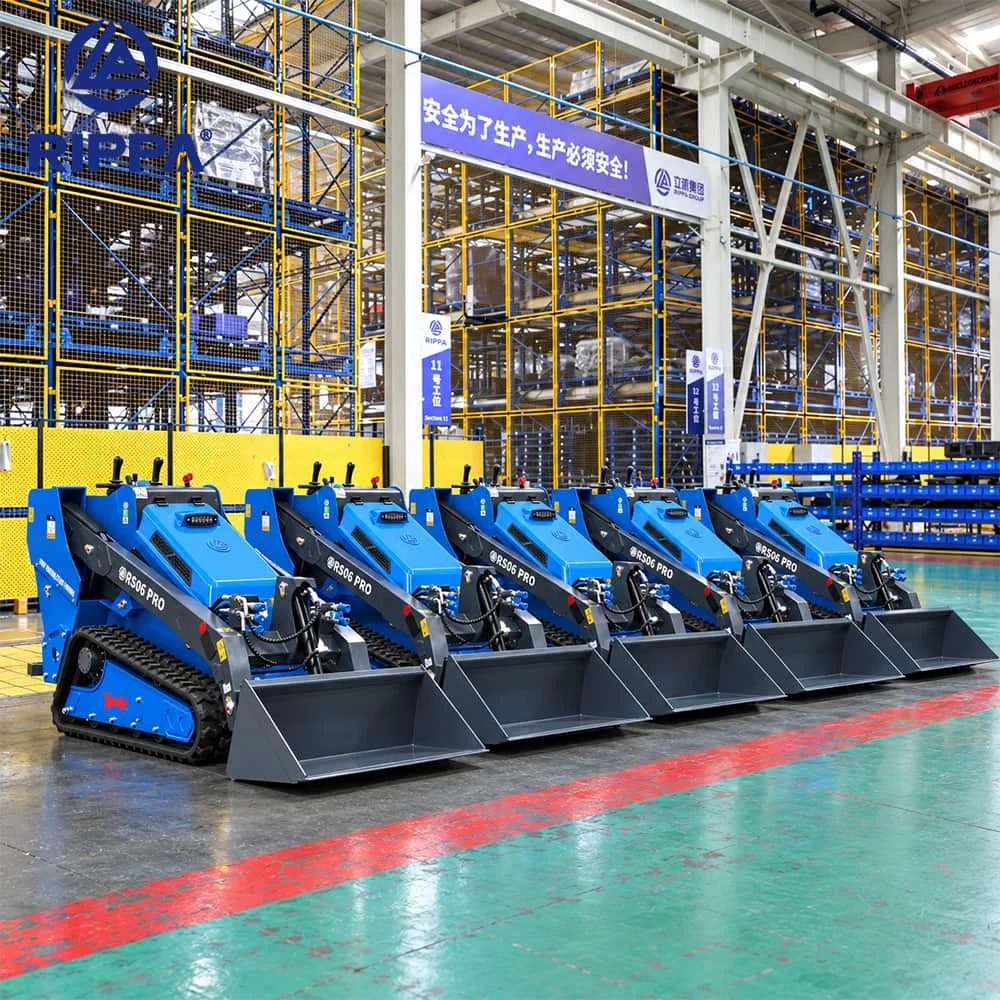
One of the main advantages of skid steer loaders is their ability to work with different attachments.
For distributors, attachment availability can influence product competitiveness and sales opportunities.
Common attachment categories include:
| Attachment | Typical Application |
|---|---|
| General-purpose bucket | Loading and material movement |
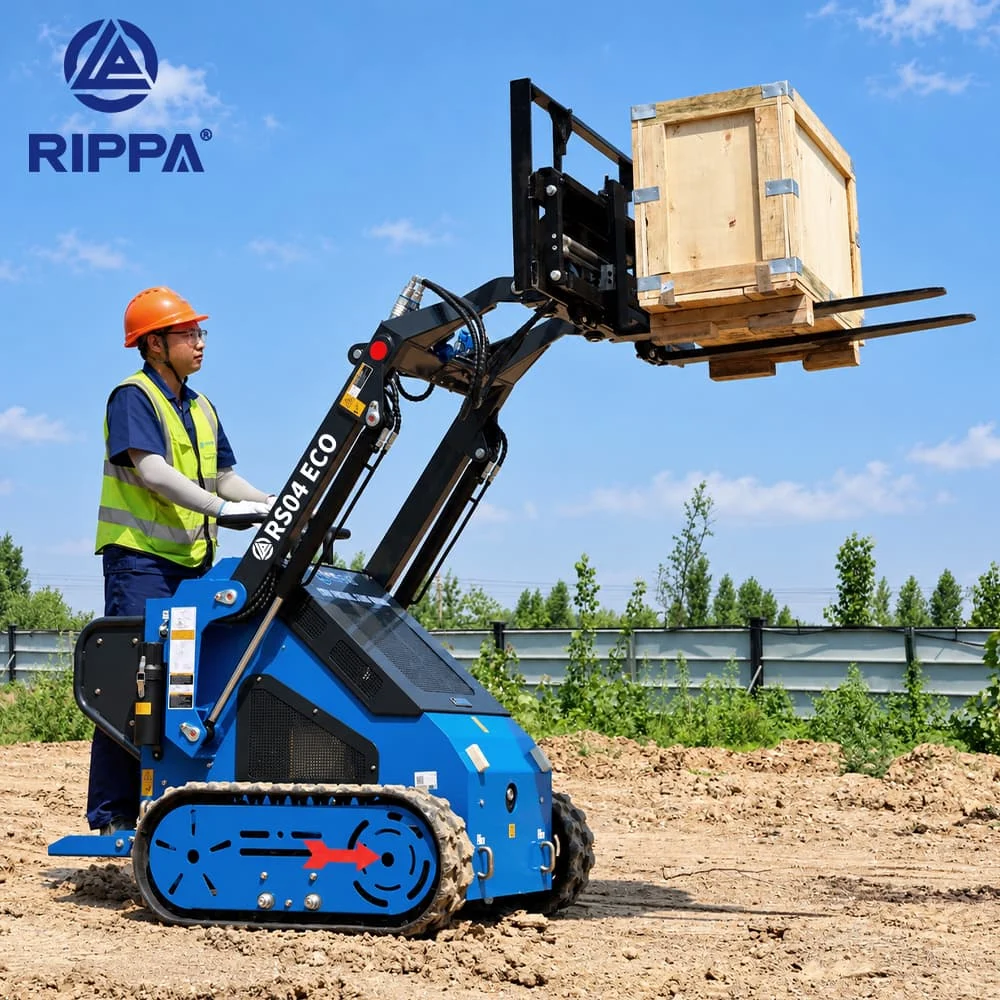
| Pallet forks | Handling palletized goods |
| Auger | Ground drilling |
| Trencher | Narrow trench excavation |
| Grapple | Handling irregular materials |
| Sweeper | Surface cleaning |
Before ordering, buyers should confirm compatibility between the loader and the selected attachments.
It is also important to understand whether attachments are supplied directly by the manufacturer or sourced separately.
3. Compare Machine Design and Manufacturing Quality
When sourcing Chinese skid steer loaders, buyers should pay attention to the equipment’s overall construction and manufacturing standards.
Important evaluation areas include:
Structural Construction
Review the frame, welding quality, protective components, and overall assembly.
Hydraulic System
Ask about component sourcing, system inspection, and maintenance documentation.
Operator Environment
Consider operator visibility, control layout, accessibility, and general operating comfort.
Maintenance Accessibility
Equipment designed for convenient inspection and routine maintenance can help simplify service operations.
Buyers should request detailed product information and, where possible, arrange equipment inspections before confirming an order.
4. Check Import Requirements Before Placing an Order
International equipment purchasing involves regulatory and logistics considerations.
For US importers, checking applicable requirements before shipment is especially important.
Areas to investigate include:
- Product classification and customs documentation
- Applicable import duties and taxes
- Emissions requirements where relevant
- Equipment safety and labeling obligations
- Shipping and packaging arrangements
- Destination port handling procedures
Requirements may differ depending on equipment configuration, engine specifications, intended application, and current regulations.
Importers should confirm the applicable requirements with qualified customs and compliance professionals rather than relying solely on supplier assurances.
5. Calculate the Total Cost of Ownership
A competitive purchase price does not automatically mean a competitive long-term investment.
Buyers should evaluate the complete cost of acquiring and supporting equipment.
Relevant expenses may include:
- Initial equipment purchase
- International freight
- Customs duties and applicable taxes
- Inland transportation
- Spare parts inventory
- Maintenance and service
- Local sales and marketing
For distributors, these costs should be considered when setting wholesale prices and retail margins.
A complete cost analysis provides a more realistic understanding of the business opportunity.
6. Evaluate the Supplier’s Long-Term Support
A Chinese skid steer loader supplier should be evaluated based on its ability to support equipment buyers after delivery.
For international distributors, important support capabilities include:
Spare Parts Availability
Ask about parts catalogs, ordering procedures, shipping arrangements, and the availability of commonly required replacement components.
Technical Documentation
Confirm whether the supplier provides operation manuals, maintenance guidance, and product documentation.
After-Sales Communication
Understand how technical questions, warranty requests, and product-related issues are handled.
International Logistics
Discuss shipping coordination, packaging, order tracking, and delivery communication.
These factors can directly influence the customer experience and the dealer’s reputation.
7. Why Consider RIPPA for Chinese Skid Steer Loader Sourcing?
RIPPA is a Chinese construction machinery brand with experience serving international markets.
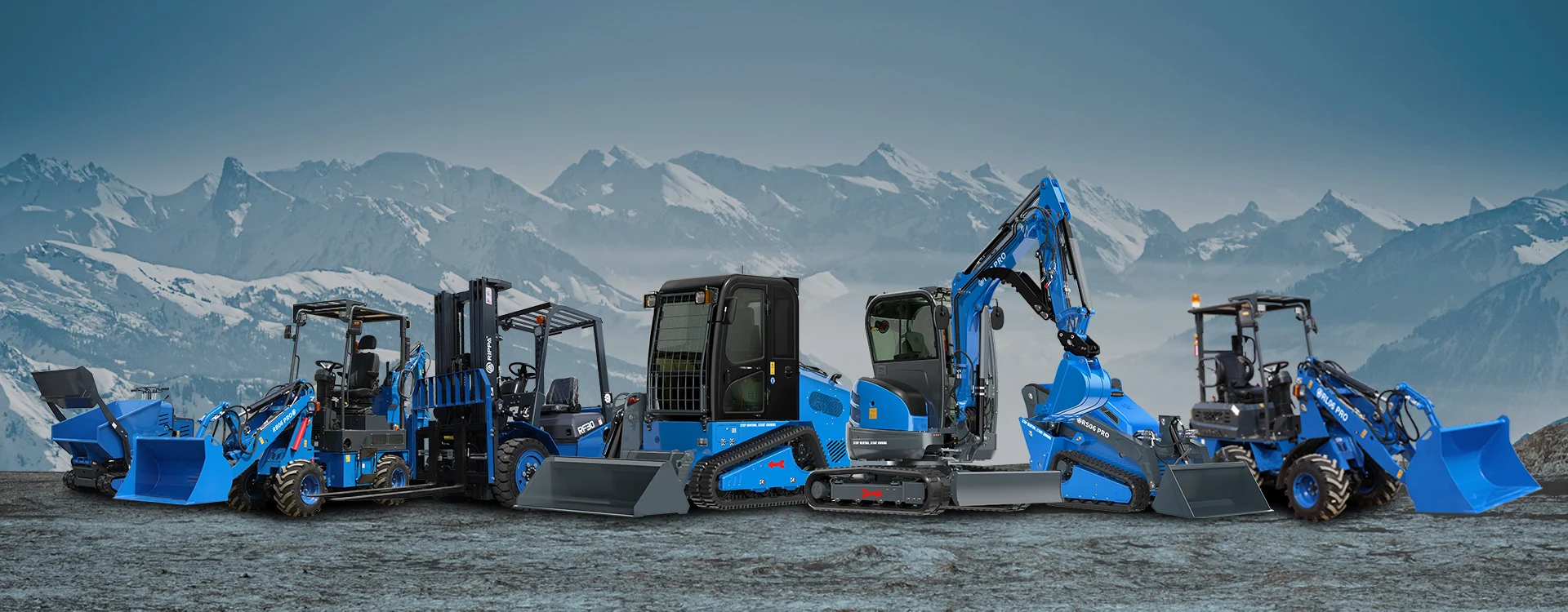
Its equipment portfolio includes skid steer loaders, mini excavators, wheel loaders, and other compact machinery.
For overseas distributors and importers, RIPPA offers opportunities to explore product sourcing and dealer cooperation.
When evaluating RIPPA or any other Chinese equipment brand, buyers should review product availability, equipment configurations, shipping arrangements, spare parts support, and applicable dealer policies.
Building a business relationship with a manufacturer that understands international market requirements can help distributors develop a more consistent equipment supply strategy.
8. Frequently Asked Questions
What is the most important factor when choosing a Chinese skid steer loader?
There is no single factor for every buyer. Equipment suitability, manufacturing quality, supplier reliability, parts availability, and local compliance should all be considered together.
Are attachments important when purchasing a skid steer loader?
Yes. Attachments expand the machine’s applications and can help dealers serve different customer groups. Buyers should confirm compatibility and availability before purchasing.
Can Chinese skid steer loaders be imported into the United States?
Importation may be possible, but buyers must verify applicable customs, emissions, safety, and documentation requirements for the specific equipment before shipment.
Should distributors purchase machines or attachments first?
This depends on local customer demand and the business model. Dealers should identify the most common applications in their market and select equipment and attachments accordingly.
How can I reduce purchasing risks when sourcing from China?
Verify the supplier, review manufacturing information, request detailed quotations, confirm payment and shipping terms, inspect equipment when possible, and establish clear after-sales arrangements.
Conclusion
Choosing the right Chinese skid steer loader requires a clear understanding of your market, customer applications, equipment quality, attachment options, and import requirements.
For international buyers, the best sourcing decision balances product suitability with dependable manufacturing and long-term supplier support.
By evaluating these factors before placing an order, equipment distributors and importers can make more informed purchasing decisions and build a stronger position in their local construction machinery markets.
 Home
 Products
 Email
 WhatsApp

