Starting an equipment dealership requires careful product selection.
A new dealer may be tempted to offer excavators, skid steer loaders, loaders, forklifts, attachments, and other machines immediately. A large product catalog may look impressive, but every product category also creates more inventory, training, parts, maintenance, and after-sales responsibilities.
For many new compact equipment dealers, a more focused approach can be practical:
Start with a strong core product, build customer relationships, learn the market, and expand gradually.
Mini excavators can be suitable for this role because they serve several industries and support a wide range of practical applications.
For dealers considering RIPPA equipment, mini excavators can form the starting point of a broader compact machinery business, while other categories are added later according to customer demand.
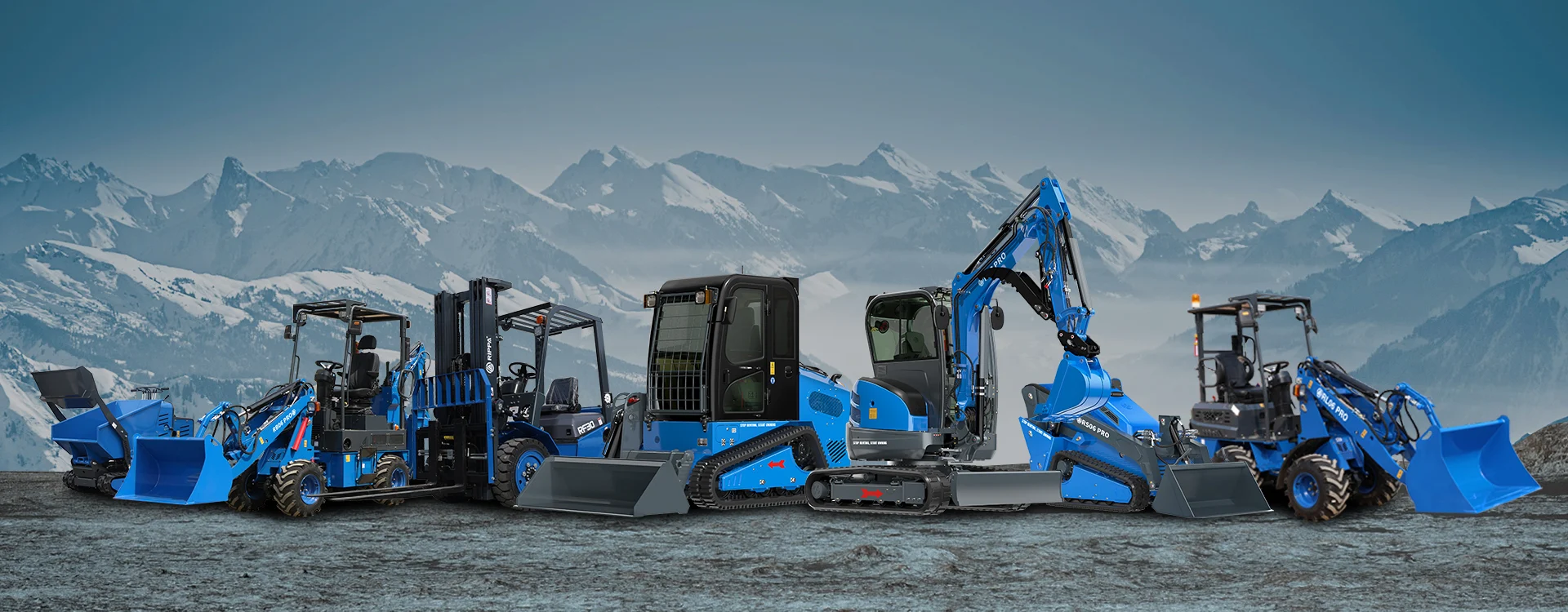
Why New Dealers Should Avoid Starting with Too Many Products
Every machine category requires knowledge.
A dealer selling several products must understand:
- Applications
- Specifications
- Вложения
- Техническое обслуживание
- Spare parts
- Warranty procedures
- Customer questions
- Transport requirements
A new business may struggle if it attempts to master too many categories simultaneously.
A focused product strategy allows the dealer to develop stronger expertise.
Why Mini Excavators Are a Practical Starting Category
Mini excavators can serve:
- Подрядчики
- Landscapers
- Фермы
- Rental companies
- Fence contractors
- Property maintenance businesses
- Rural contractors
- Small construction companies
These customers all have different businesses, but many share the need for compact excavation.
That gives the dealer a wider potential market from one product category.
What Applications Can Dealers Sell Around?
Rather than advertising only “mini excavator for sale,” new dealers can build marketing around applications.
Examples include:
- Mini excavator for trenching
- Mini excavator for landscaping
- Mini excavator for farm drainage
- Mini excavator for fence preparation
- Mini excavator for rental companies
- Mini excavator for rural property work
- Mini excavator for small contractors
This approach helps customers understand how the equipment connects with their work.
Start with Contractors
Contractors are an important customer segment because equipment purchases are tied directly to business operations.
A contractor may use a mini excavator for:
- Рытье траншей
- Drainage
- Small site work
- Hardscape preparation
- Подготовка забора
- Property renovation
A new dealer should understand these applications before discussing machine specifications.
Build Relationships with Rental Companies
Rental businesses may also provide growth opportunities.
Rental companies may need compact excavators for customers such as:
- Landscapers
- Подрядчики
- Фермы
- Fence businesses
- Property owners
If local utilization is strong, rental customers may eventually purchase several machines.
This creates the possibility of larger B2B accounts.
Reach Rural and Agricultural Customers
Rural businesses frequently need machinery for property maintenance.
Potential uses include:
- Drainage
- Ditches
- Подготовка забора
- Посадка деревьев
- Path repair
Farm equipment dealers entering mini excavator sales may already have many of these customers.
This reduces the need to build an entirely new market from zero.
Reach Professional Landscapers
Landscaping businesses may need excavators as they move into larger projects.
Applications may include:
- Drainage
- Посадка деревьев
- Hardscape preparation
- Root removal
- Yard renovation
The mini excavator can therefore help new equipment dealers target businesses that are themselves expanding.
Learn One Product Category Deeply
A new dealer should aim to understand:
- Current machine configurations
- Main applications
- Machine dimensions
- Digging capabilities
- Transport requirements
- Техническое обслуживание
- Вложения
- Parts
- Common customer questions
This product expertise can become a competitive advantage.
Customers may prefer a dealer that understands one category well over a dealer that lists many machines but cannot answer practical questions.
Build Attachments into the Sales Model
Mini excavators also create opportunities through attachments.
Possible attachment directions include:
- Digging buckets
- Grading buckets
- Шнеки
- Грэпплз
- Hydraulic thumbs
- Breakers
- Rakes
- Quick couplers
A new dealer can begin with the attachments most relevant to local customers rather than stocking every available option.
For example:
Rural Market
Consider demand for:
- Ведра
- Шнеки
- Грэпплз
Landscaping Market
Consider:
- Grading buckets
- Thumbs
- Шнеки
Contractor Market
Consider:
- Digging buckets
- Breakers
- Quick couplers
Compatibility should always be confirmed.
Develop Spare Parts from the Beginning
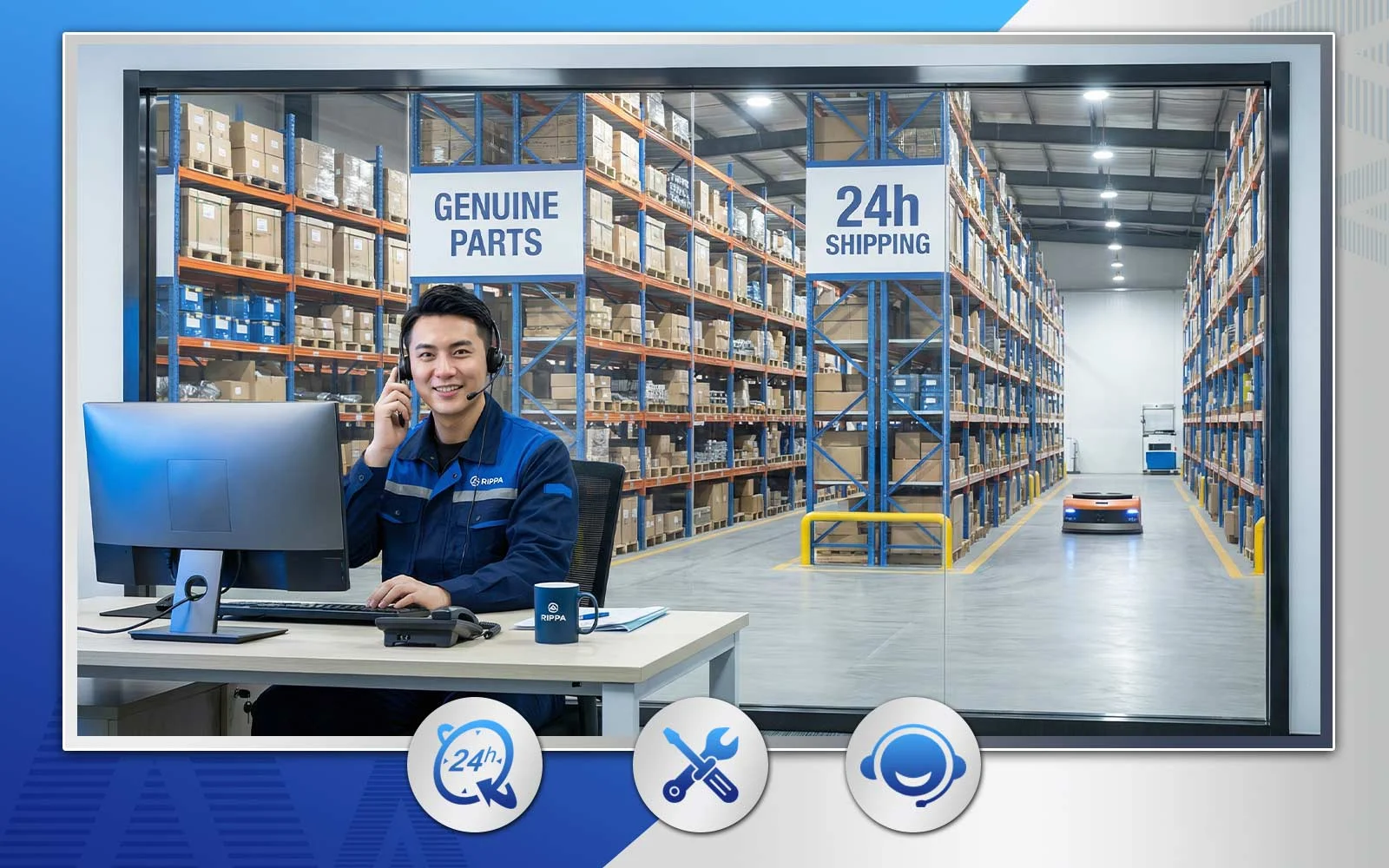
A new equipment dealer should not wait until the first machine problem to think about parts.
A basic parts strategy may involve understanding:
- Routine filters
- Wear parts
- Maintenance items
- Parts identification
- Ordering process
As more machines are sold, the dealer can evaluate which commonly requested items deserve local stock.
Build an After-Sales Process
A dealer should have a clear process for:
- Customer questions
- Parts requests
- Warranty communication
- Technical questions
- Maintenance information
The process does not need to be complicated.
What matters is that customers know who to contact and how their issue will be handled.
Build Local Reputation Before Expanding
For a new dealer, reputation can be more valuable than product quantity.
Positive customer experiences can support:
- Referrals
- Repeat sales
- Local contractor relationships
- Rental company relationships
- Farm customer referrals
This makes strong support around the first product category especially important.
When Should a Dealer Add More Excavator Models?
Expansion may make sense when customers repeatedly ask for:
- Different machine sizes
- Different digging capabilities
- Different access characteristics
- Additional attachments
Dealers should expand according to actual inquiries rather than assumptions.
When Should a Dealer Add Skid Steer Loaders?
Consider skid steer loaders when existing customers frequently need:
- Загрузка
- Оценка
- Уборка
- Material movement
Contractors and landscapers that already buy excavators may create natural demand.
When Should a Dealer Add Compact Wheel Loaders?
Consider compact wheel loaders when customers frequently handle:
- Gravel
- Soil
- Sand
- Mulch
- Other loose materials
Farm and landscaping customers may create demand for this category.
When Should a Dealer Add Forklifts?
Forklifts can be considered when the dealer has customers that need:
- Pallet handling
- Погрузка грузовика
- Warehouse organization
- Packaged-material movement
This may include farms, material suppliers, warehouses, and equipment businesses.
Forklifts should be added because of real customer demand, not simply to increase catalog size.
A Practical Growth Path for a New Equipment Dealer
Stage 1: Core Product
Start with:
- Мини-экскаваторы
Stage 2: Application Expansion
Add:
- Ведра
- Шнеки
- Грэпплз
- Breakers
- Other compatible attachments
Stage 3: Customer Expansion
Target:
- Подрядчики
- Rental companies
- Фермы
- Landscapers
Stage 4: Complementary Equipment
Add where demand exists:
- Skid steer loaders
- Compact wheel loaders
Stage 5: Additional Markets
Consider:
- Вилочные погрузчики
- Other relevant equipment categories
This allows the business to grow in a controlled way.
What Should New Dealers Confirm with RIPPA?
Before ordering machines, confirm:
- Current models
- Current configurations
- Technical specifications
- Совместимость с приложениями
- Spare parts process
- Maintenance information
- Гарантийная политика
- Техническая поддержка
- Documentation
- Delivery arrangements
- Current cooperation terms
The dealer should understand these areas before communicating commitments to customers.
Часто задаваемые вопросы
Why should a new equipment dealer start with mini excavators?
Because mini excavators can serve several customer groups and applications through one core product category.
Should a new dealer offer many models immediately?
Not necessarily. A focused starting range can make product knowledge, inventory, and support easier to manage.
Are attachments important for new dealers?
Yes. Attachments can expand applications and create additional sales without immediately adding another machine category.
What customers can a new mini excavator dealer target?
Contractors, rental companies, farms, landscapers, rural service businesses, fence contractors, and property maintenance companies may all be relevant.
When should the dealer add other machinery?
When existing customers repeatedly request equipment for loading, material movement, pallet handling, or other applications.
Заключение
Мини-экскаваторы can provide a strong starting point for new equipment dealers because one product category can serve multiple industries while allowing the dealer to develop product expertise, attachment sales, parts support, and repeat customer relationships.
The dealer does not need to build the entire product catalog on the first day.
A more sustainable path is to begin with a core category, support customers well, learn what the market is asking for, and expand accordingly.
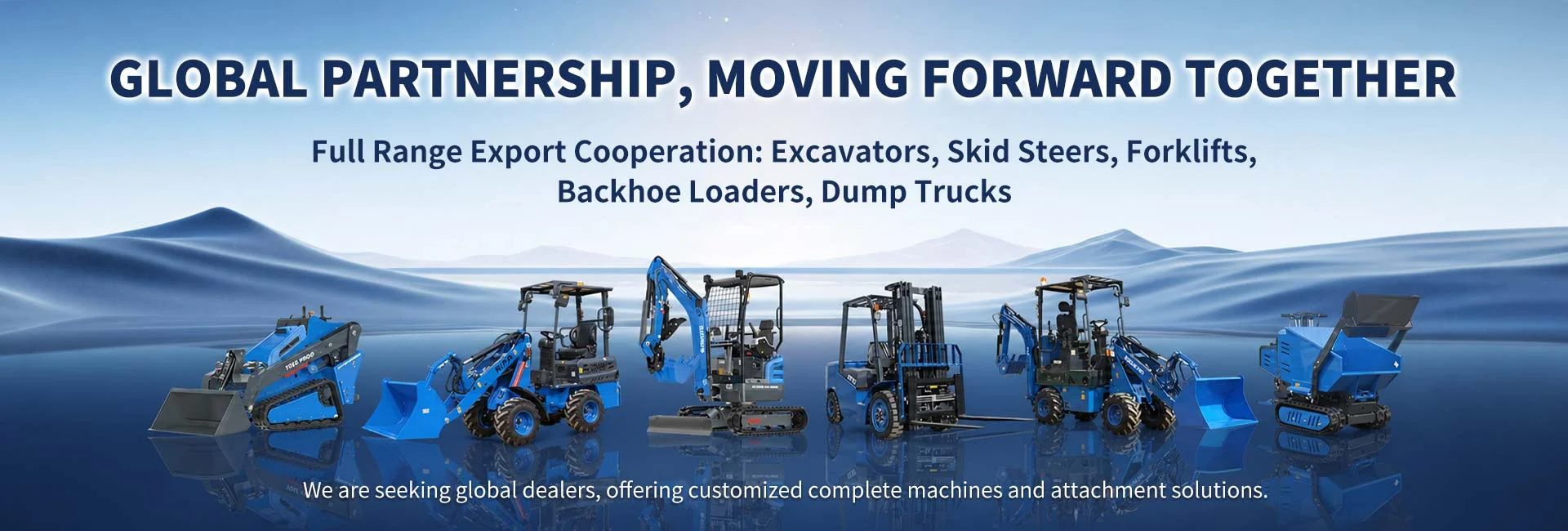
For dealers working with RIPPA, mini excavators can form that foundation while other compact equipment categories are introduced as customer demand grows.
 Главная
 Продукция
 Электронная почта
 WhatsApp

