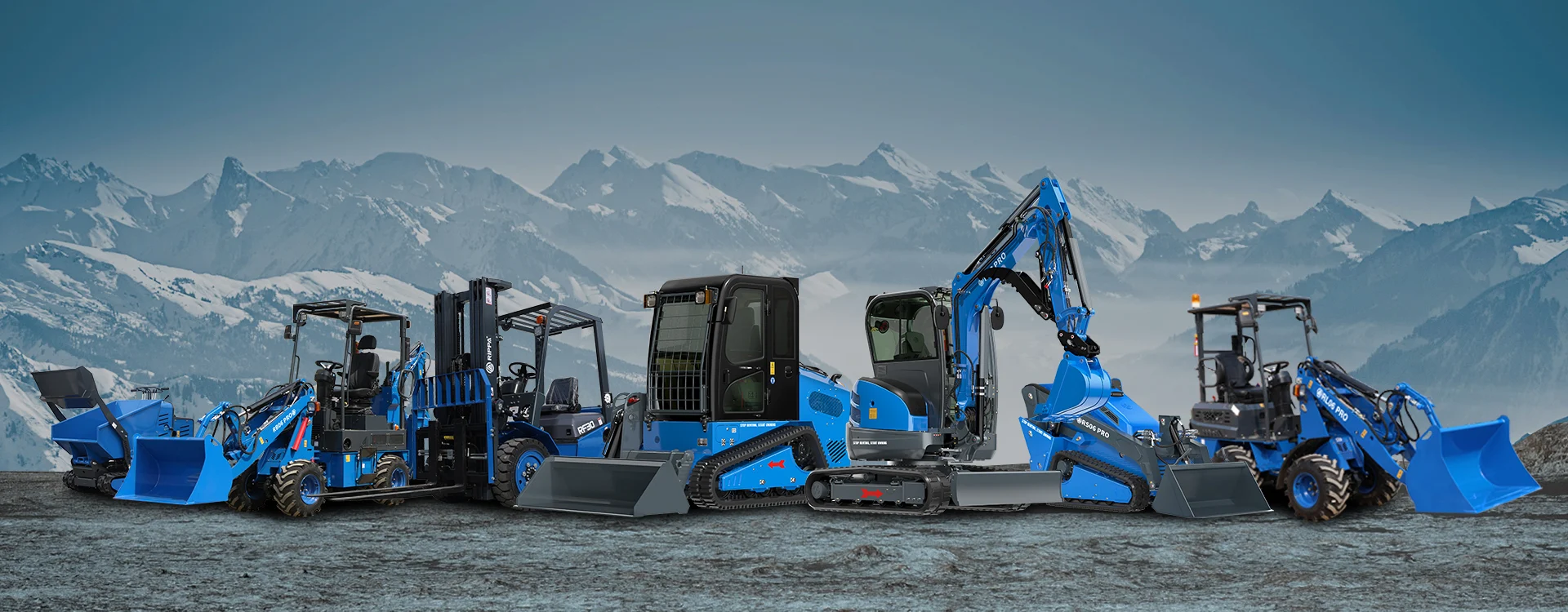
A skid steer loader is one of the most versatile and cost-effective machines in the construction, landscaping, agricultural, and industrial sectors. However, choosing the right skid steer loader for your business requires evaluating your workload, application needs, budget, and long-term return on investment. This guide explores how to select the ideal skid steer for your operations.

Čo je to nakladač s bočným posunom?
A skid steer loader is a compact, highly maneuverable machine equipped with lift arms for multiple attachments. It can handle construction, excavation, grading, lifting, snow removal, material handling, and more. With the right attachment package, one machine can replace several specialized tools.
Step 1: Identify Your Primary Application
Before purchasing, define the main tasks your machine will perform:
-
Construction & Demolition
-
Landscaping & Site Preparation
-
Agriculture & Farming
-
Roadwork and municipal maintenance
-
Logistics and material handling
-
Snow management
Knowing your primary use ensures you choose the correct horsepower, operating capacity, and hydraulic features.
Step 2: Wheel vs. Track Skid Steer
-
Wheeled loaders: Best for hard, smooth surfaces and urban sites.
-
Track loaders: Better for mud, uneven terrain, slopes, and soft soil.
If you will frequently operate in wet or off-road conditions, a track machine may deliver higher productivity.
Step 3: Determine the Right Size
Skid steers come in multiple sizes:
-
Mini/compact skid steers:
Ideal for confined areas, landscaping, and small construction sites. -
Medium-sized skid steers:
The most common commercial category, offering a balance of power and maneuverability. -
Large skid steers:
Suitable for heavy construction, mining, roadwork, and industrial applications.
Match machine size with your typical load weight, job site space, and required lift height.

Step 4: Engine Power and Hydraulics
Key performance indicators:
-
Engine horsepower
-
Pump flow rate (standard vs high-flow)
-
Breakout force
-
Rated operating capacity (ROC)
Businesses that use heavy attachments (mulchers, augers, trenchers) should consider high-flow hydraulic systems.
Step 5: Attachment Compatibility
Modern skid steers can support over 100 different attachments, including:
-
Vedrá
-
Šneky
-
Chapače
-
Vidličky
-
Mulchers
-
Rýpadlá
-
Snow plows
Choose a brand with good attachment availability and global support.
Step 6: Consider Ownership Costs
Before buying, factor in:
-
Kúpna cena
-
Fuel consumption
-
Maintenance schedule
-
Dostupnosť náhradných dielov
-
Hodnota pri ďalšom predaji
Výrobcovia ako RIPPA, for example, offer high-performance skid steers with competitive pricing and excellent service support, making them attractive for business investment.
Step 7: Evaluate After-Sales Support
Ensure the manufacturer provides:
-
Záruka
-
Spare parts supply
-
Local or dealer support
-
Fast delivery
-
Technical assistance
This ensures long-term working uptime.

Záverečné úvahy
Choosing the right skid steer loader for your business is a strategic investment that directly impacts productivity and profit. Evaluate your job requirements, terrain, budget, and attachment needs to ensure you select a machine that delivers optimal performance and long-term value.
 Domov
Domov
 Produkty
 E-mail
 WhatsApp

