Farm equipment dealers do not always need to find completely new customers to grow. Often, the strongest sales opportunity is already inside the existing customer base.
Farmers, rural property owners, agricultural contractors, land maintenance businesses, and countryside service companies often buy tractors, implements, loaders, trailers, utility equipment, and maintenance tools from local dealers. Many of these same customers also need machines for drainage, trenching, ditch cleaning, fencing, planting, farm path repair, and property improvement.
This means farm equipment dealers can sell mini excavators to customers they already know.
The key is not to present a mini excavator as an unrelated product. The key is to connect it to the work these customers already do.
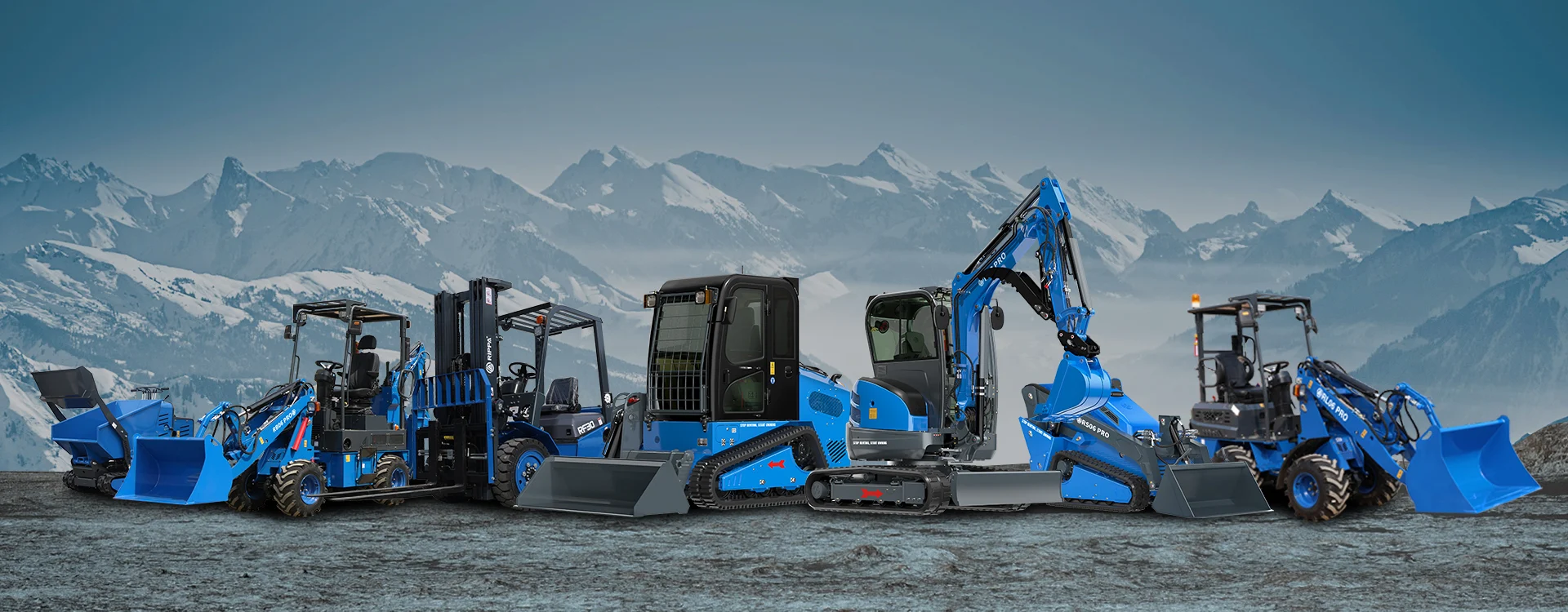
RIPPA mini excavators can be considered by farm equipment dealers who want to expand their product line around compact digging demand. Before promoting or selling machines, dealers should confirm current machine configuration, attachment compatibility, spare parts support, warranty policy, delivery arrangement, documentation, service process, and dealer cooperation terms.
Start with the Existing Customer Base
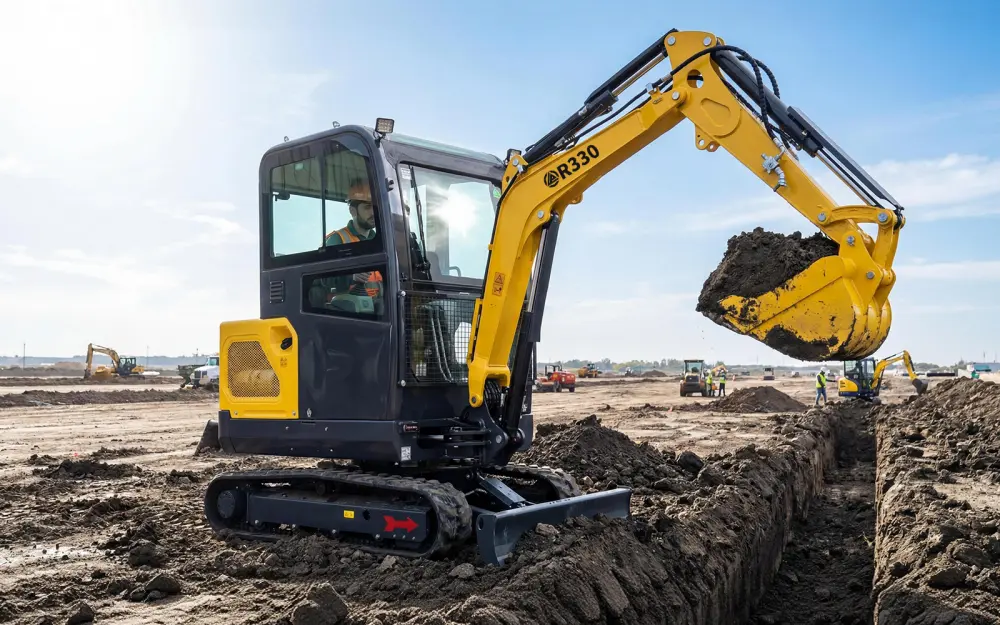
A farm equipment dealer’s customer base may already contain strong mini excavator prospects. These customers trust the dealer, understand machinery, and may already visit the dealership for equipment purchases, parts, or service.
Potential buyers may include:
| Existing Customer Type | Possible Mini Excavator Need |
|---|---|
| Poľnohospodári | Drainage, ditch cleaning, fencing, planting, land maintenance |
| Rural property owners | Driveway repair, yard work, drainage, property improvement |
| Agricultural contractors | Trenching, land work, farm service jobs |
| Fence contractors | Post line preparation and ground clearing |
| Orchard owners | Tree planting, root work, irrigation support |
| Livestock farms | Drainage, path maintenance, fence repair |
| Small construction users | Site prep, trenching, repair work |
| Rental customers | Repeated short-term digging needs |
The dealer should begin by identifying which existing customers already face excavation-related problems.
Sell by Job, Not by Machine
Many customers do not wake up thinking, “I need to buy a mini excavator.” They think, “I need to fix this drainage problem,” or “I need to prepare a fence line,” or “I keep renting equipment for small digging jobs.”
This is why farm equipment dealers should sell mini excavators by job.
Instead of starting with machine specifications, salespeople can start with practical questions:
- Do you have drainage problems on your land?
- Do you clean ditches every season?
- Do you install or repair fences?
- Do you plant trees or maintain orchard areas?
- Do you repair farm access paths?
- Do you rent excavators more than once a year?
- Do you outsource small trenching jobs?
- Do you have property projects delayed by lack of equipment?
These questions help the customer realize where a mini excavator fits.
Use Application-Based Sales Conversations
A strong mini excavator sales conversation should connect the machine to customer work.
For farmers
The conversation may focus on drainage, ditch cleaning, path repair, fencing, and seasonal land maintenance.
For rural property owners
The conversation may focus on driveway repair, yard shaping, drainage, planting, and property improvement.
For agricultural contractors
The conversation may focus on expanding service capability, reducing outsourcing, and responding faster to customer jobs.
For fence contractors
The conversation may focus on ground preparation, post hole work with compatible attachments, root removal, and fence line clearing.
For orchard or tree-related customers
The conversation may focus on planting, root work, water management, and land preparation.
When the dealer sells by application, the customer can understand the value faster.
Identify Customers Who Already Rent Excavators
One of the best ways to find potential buyers is to identify customers who already rent mini excavators.
A customer who rents once for a special project may not be ready to buy. But a customer who rents repeatedly may be a strong ownership prospect.
Useful questions include:
- How often do you rent mini excavators?
- What projects do you rent them for?
- Are rental machines always available when you need them?
- Do rental costs add up during busy seasons?
- Do rental schedules delay your projects?
- Would owning a machine help you respond faster?
- Do you have enough work to justify ownership?
- Would a compact machine create new service opportunities?
These questions allow the dealer to compare renting versus buying in a practical way.
The goal is not to pressure every rental customer into ownership. The goal is to identify customers whose work frequency makes ownership worth considering.
Show How Mini Excavators Complement Existing Equipment
Farm equipment customers may already own tractors, loaders, implements, trailers, or utility vehicles. The dealer should explain that a mini excavator does not replace those machines.
Instead, it fills a different role.
| Existing Equipment | Main Role | How a Mini Excavator Complements It |
|---|---|---|
| Tractor | Pulling, mowing, hauling, implement work | Adds digging and trenching capability |
| Front loader | Moving loose materials | Supports excavation before material movement |
| Trailer | Transporting equipment | Helps move compact machines between work sites |
| Implements | Field or land maintenance | Adds excavation-specific function |
| Utility vehicle | Light transport | Supports heavier digging-related projects |
| Skid steer loader | Loading, grading, cleanup | Mini excavator adds precise digging ability |
This helps reduce customer confusion. The mini excavator is not competing with the tractor. It solves different problems.
Use Demonstrations to Build Understanding
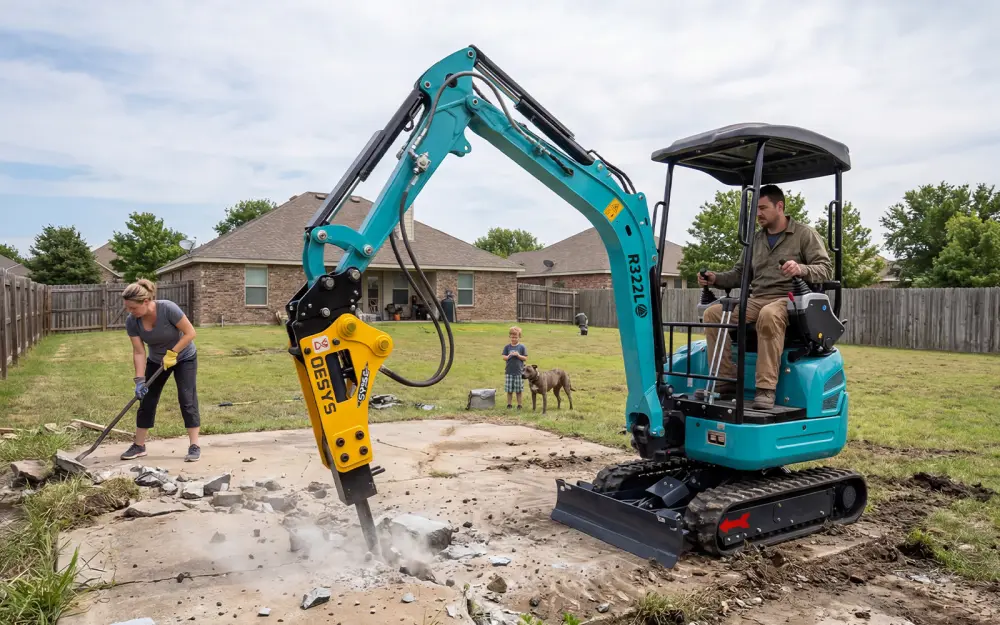
Mini excavators are easier to sell when customers see them working. A short demonstration can explain more than a long specification sheet.
Useful demonstration themes include:
- Digging a drainage trench
- Cleaning a ditch
- Príprava trasy oplotenia
- Digging planting holes
- Moving soil from a small work area
- Repairing a rural path
- Handling roots or debris with suitable attachments
- Showing basic operation and access
Dealers can use on-site demonstrations, short videos, customer project examples, or event days.
For farm customers, the demonstration should be practical. The goal is not to show extreme performance. The goal is to show how the machine solves familiar rural problems.
Prepare a Simple Ownership Comparison
Some customers may be unsure whether to rent, outsource, or buy. Dealers can help by asking practical business questions.
| Decision Factor | Rent | Outsource | Buy |
|---|---|---|---|
| Occasional one-time job | Often suitable | Often suitable | May not be necessary |
| Repeated seasonal work | Costs may add up | Scheduling may be difficult | Worth evaluating |
| Urgent drainage or repair | Availability may be limited | Contractor timing may delay work | Ownership gives more control |
| Multiple farm tasks | Requires repeated rentals | Multiple service calls | Machine can serve many jobs |
| Business expansion | Limited by rental access | Limited by subcontractors | Can support new services |
The dealer should avoid making universal claims. Buying makes sense only when the customer has enough repeated work, maintenance ability, budget, and support access.
Build Product Pages Around Customer Problems
Farm equipment dealers should not create only one generic mini excavator page. They can build pages or content around real rural search demand.
Useful content topics include:
- Mini excavator for farm drainage
- Mini excavator for ditch cleaning
- Mini excavator for fence preparation
- Mini excavator for tree planting
- Mini excavator for rural property maintenance
- Mini excavator for farm road repair
- Mini excavator for agricultural contractors
- Mini excavator for small farms
These pages help attract customers who are searching by job, not only by product name.
The dealer can also connect these pages to RIPPA mini excavator product information after confirming current configurations and support details.
Train Salespeople to Ask Better Questions
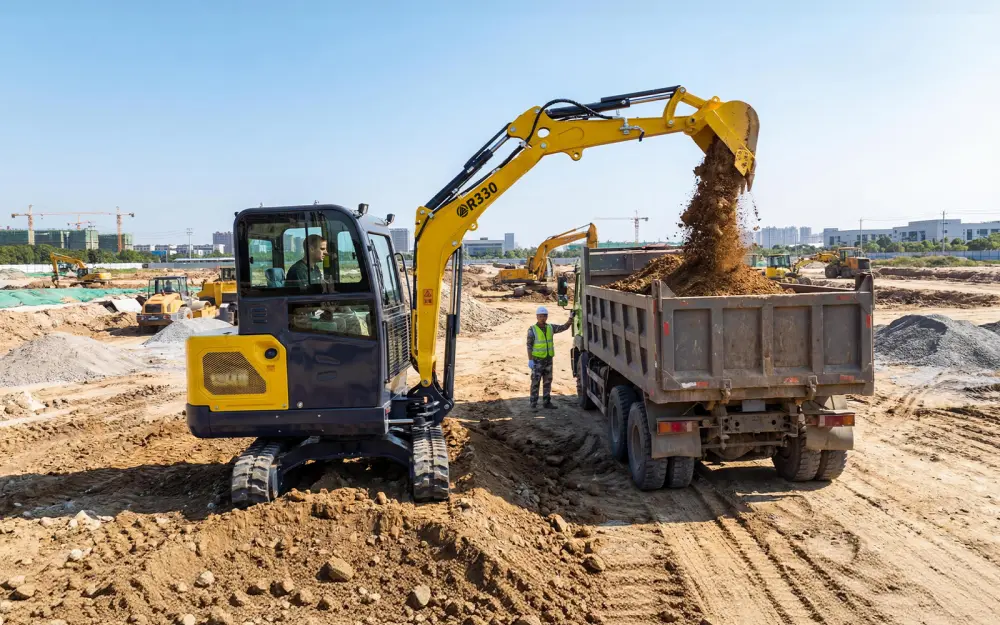
Sales training is important when adding a new product category. Salespeople may be comfortable selling tractors or implements, but mini excavators require a slightly different conversation.
Good sales questions include:
- What digging jobs do you handle most often?
- Do you have drainage or ditch maintenance needs?
- Do you rent or outsource excavation work?
- What equipment do you currently use for these jobs?
- What problems do you face with rental availability?
- Potrebujete nejaké prílohy?
- How often would you use a compact excavator?
- Who would operate and maintain the machine?
- Do you need parts and service support locally?
- Are you buying for your own work or for business expansion?
These questions turn the conversation from “Do you want a mini excavator?” into “Which farm jobs are costing you time or money?”
Prepare Attachment and Parts Conversations
Farm customers often ask what else the machine can do. Attachments can help answer that question, but dealers must be careful to confirm compatibility.
Possible attachment directions include:
- Lopata na kopanie
- Káda na triedenie
- Šnekový dopravník
- Hydraulický palec
- Hrabačka
- Chapač
- Rýchlospojka
- Breaker where suitable
Attachment compatibility should always be confirmed according to the current machine model and official product information.
Parts support is equally important. Customers may ask:
- Can I get filters?
- What parts wear most often?
- How do I order replacement parts?
- What happens if I need service?
- What is covered under warranty?
- Who do I contact for support?
Dealers should prepare clear answers before selling.
How RIPPA Mini Excavators Can Support Existing Customer Sales
RIPPA mini excavators can be positioned by farm equipment dealers as practical compact digging machines for rural customer applications.
Relevant sales angles include:
- Farm drainage
- Ditch cleaning
- Príprava oplotenia
- Výsadba stromov
- Farm path repair
- Rural property maintenance
- Agricultural contractor work
- Small trenching
- Land improvement
- Seasonal farm projects
Before selling RIPPA machines to existing customers, dealers should confirm:
- Current product configuration
- Suitable applications
- Kompatibilita príloh
- Spare parts support
- Záručné podmienky
- Technical support process
- Podmienky dodania
- Documentation
- Podmienky spolupráce s predajcami
- Marketing materials if available
This ensures the dealer’s sales message is accurate and supportable.
Follow Up After the Sale
Selling a mini excavator should not end at delivery. Follow-up can create long-term customer value.
Dealers can follow up by asking:
- How is the machine performing in your farm work?
- What applications are you using it for most?
- Potrebujete nejaké prílohy?
- Do you need maintenance parts?
- Are there other projects the machine could support?
- Do you know other customers with similar needs?
Follow-up can lead to attachment sales, parts orders, referrals, customer stories, and repeat business.
Najčastejšie kladené otázky
Can farm equipment dealers sell mini excavators to existing customers?
Yes. Many existing farm equipment customers already need compact digging equipment for drainage, ditch cleaning, fencing, planting, path repair, and property maintenance.
How should dealers identify potential mini excavator buyers?
Dealers should look for customers who rent excavators, outsource digging work, maintain drainage, repair farm paths, install fences, plant trees, or manage rural property projects.
Should dealers sell mini excavators by specification or application?
Application-based selling is usually stronger. Customers understand value faster when the machine is connected to real jobs such as drainage, trenching, fencing, and ditch cleaning.
Do mini excavators replace tractors?
No. Mini excavators complement tractors by adding digging and trenching capability. Tractors and mini excavators serve different roles.
Are attachments important for farm mini excavator sales?
Yes. Attachments can expand machine usefulness, but compatibility must always be confirmed by model and configuration.
Can RIPPA mini excavators be sold through farm equipment dealers?
RIPPA mini excavators may fit farm equipment dealer channels. Dealers should confirm current product configuration, attachment compatibility, parts support, warranty policy, delivery arrangement, and cooperation terms before promotion.
Záver
Farm equipment dealers can sell mini excavators to existing customers by focusing on real rural work. Farmers, rural property owners, agricultural contractors, fence contractors, orchard owners, and land maintenance businesses often need machines for drainage, ditch cleaning, fencing, planting, path repair, trenching, and property improvement.
The strongest sales approach is application-based. Dealers should ask better questions, identify customers who already rent or outsource excavation work, demonstrate real farm uses, prepare attachment and parts information, and follow up after the sale.
RIPPA mini excavators can be considered as a compact digging product line for farm equipment dealers who want to serve existing customers more completely. Before purchase, resale, or promotion, all current machine, support, warranty, delivery, documentation, and dealer cooperation details should be confirmed through official RIPPA channels.
 Domov
Domov
 Produkty
 E-mail
 WhatsApp

