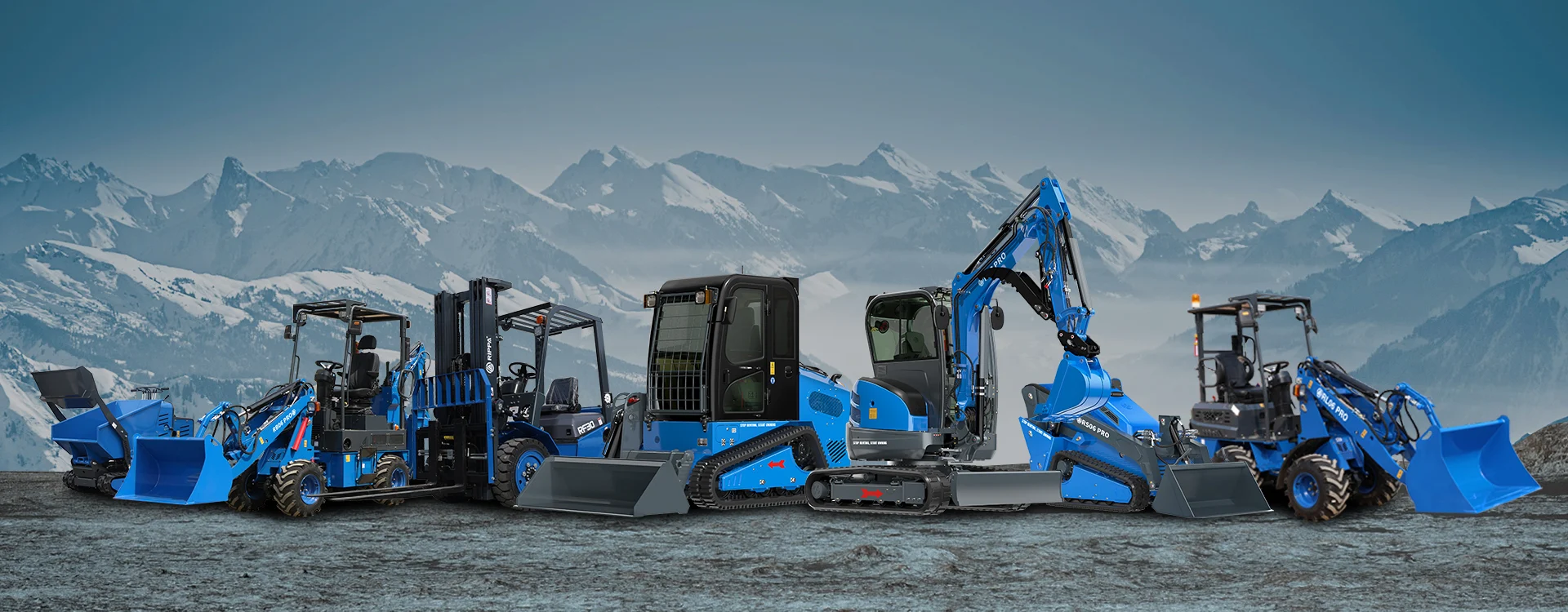
Becoming a wheel loader dealer requires more than buying machines at a wholesale price. A successful dealer must understand local demand, choose a dependable manufacturer, control landed costs and prepare after-sales support. A program can create revenue from machines, attachments, parts and service.
Evaluate Your Local Wheel Loader Market
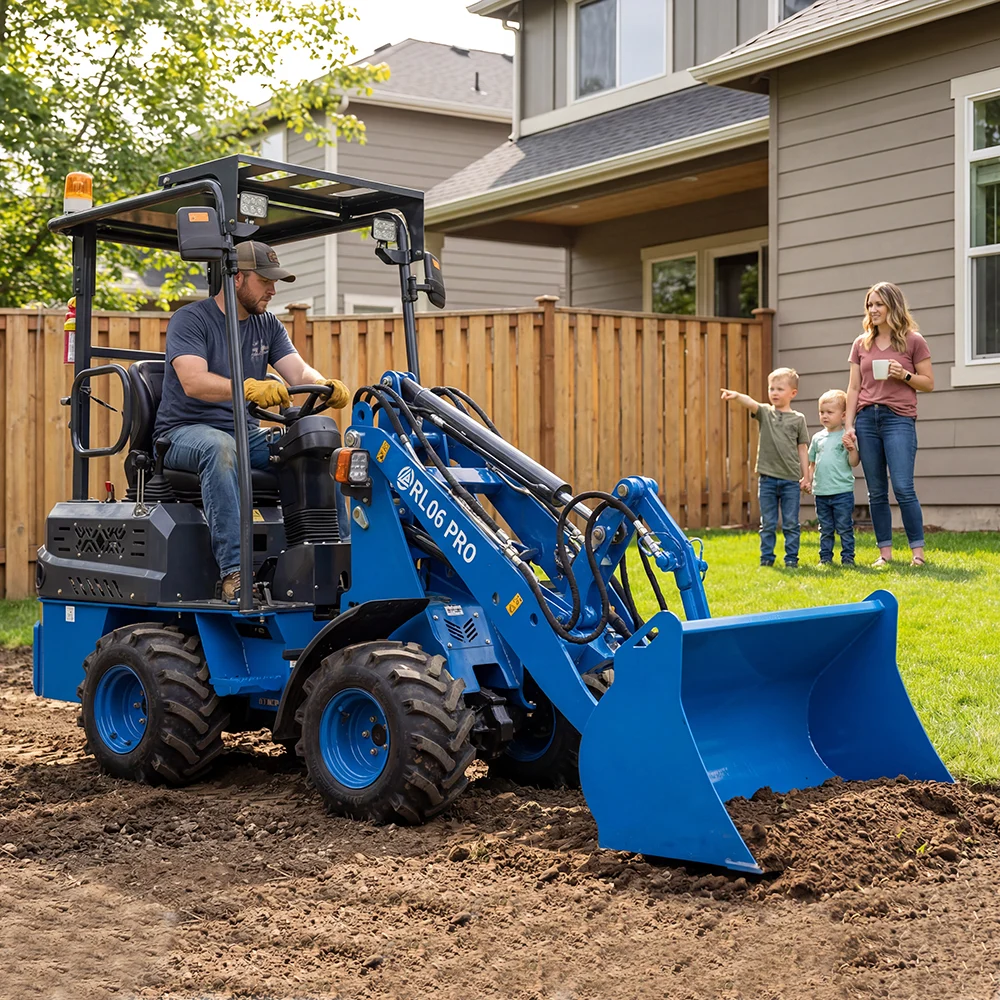
Start by identifying who will buy or rent the equipment. Contractors may prioritize productivity, operator comfort and fast parts supply, while farms, landscaping companies and material yards may value compact dimensions, attachment flexibility and manageable ownership costs. Review local job sites, transport limits and service expectations before choosing inventory.
Choose the Right Manufacturer and Program
Assess the manufacturer as a long-term supply partner. Request current product documents, order terms, lead times, warranty procedures and parts information. Confirm that each selected configuration suits the destination market. Certification and regulatory requirements vary by country, so compliance must be verified for the specific model and region.
Review the dealer agreement carefully. Clarify territory, minimum orders, payment terms, training, marketing support and warranty responsibilities. If exclusivity is offered, make sure the territory and sales expectations are realistic.
Prepare Inventory, Sales and Service
Avoid filling a warehouse before learning which applications create qualified enquiries. Focused starter inventory, popular attachments and essential parts provide better market feedback.
Plan after-sales service before the first delivery. Staff need manuals, parts identification, troubleshooting guidance and a dependable technical contact. Dealers should stock frequently required filters and wear items where practical while creating a clear ordering process for less common components.
Calculate Dealership Profit Correctly
Profit must be based on total landed cost, including freight, customs, storage, financing, preparation and warranty reserves. Income may also come from attachments, maintenance, rentals, parts and fleet orders. Track conversion rate, inventory age and service response before expanding.
To become a wheel loader dealer with sustainable growth, match products to local work, confirm commercial terms in writing and make service readiness part of the launch. RIPPA works with machinery businesses seeking wheel loader supply and dealer cooperation. Prospective partners can discuss regional demand, product selection and support before committing to inventory.
 Domov
Domov
 Produkty
 E-mail
 WhatsApp

