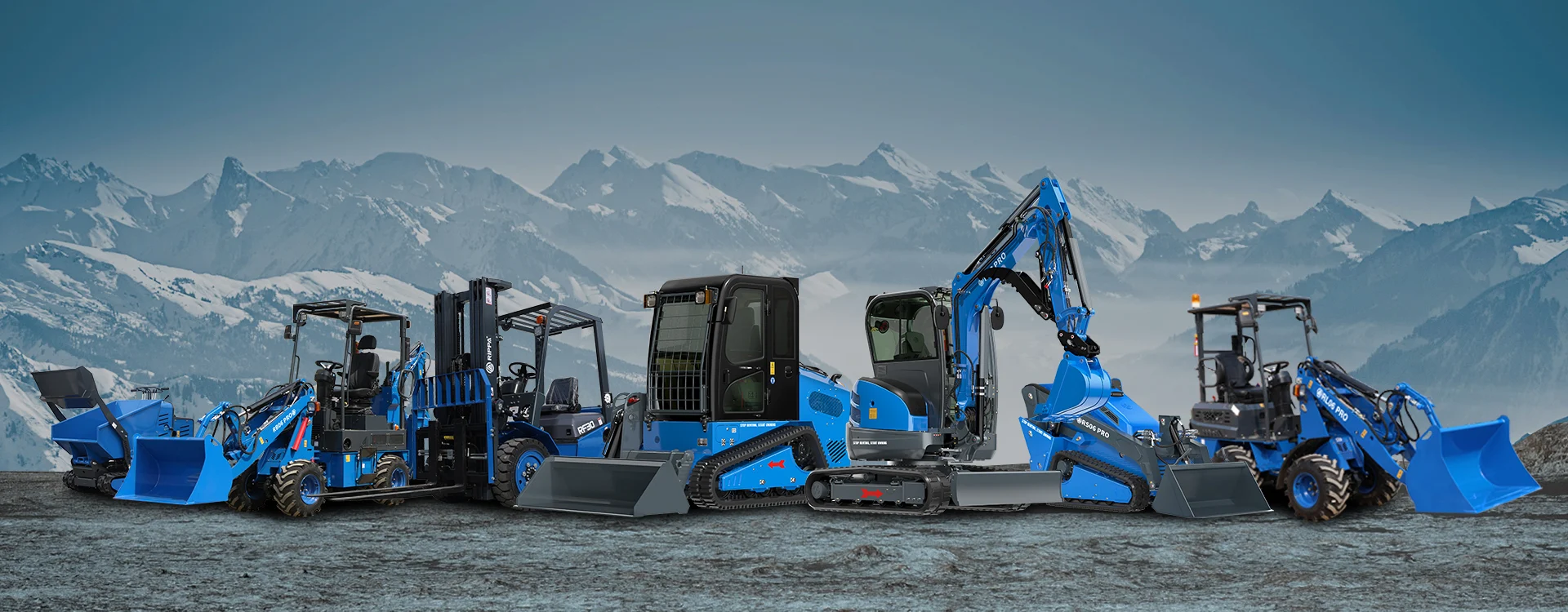
Choosing the right skid steer loader is a critical decision for contractors, rental companies, dealers, and fleet buyers. The right machine can significantly improve productivity, reduce operating costs, and adapt to a wide range of applications.
RIPPA skid steer loaders are designed to meet global market demands, offering compact size, strong performance, reliable components, and excellent cost efficiency. Based on the RIPPA skid steer loader product catalog, this guide explains how to choose the perfect RIPPA skid steer loader for your business.
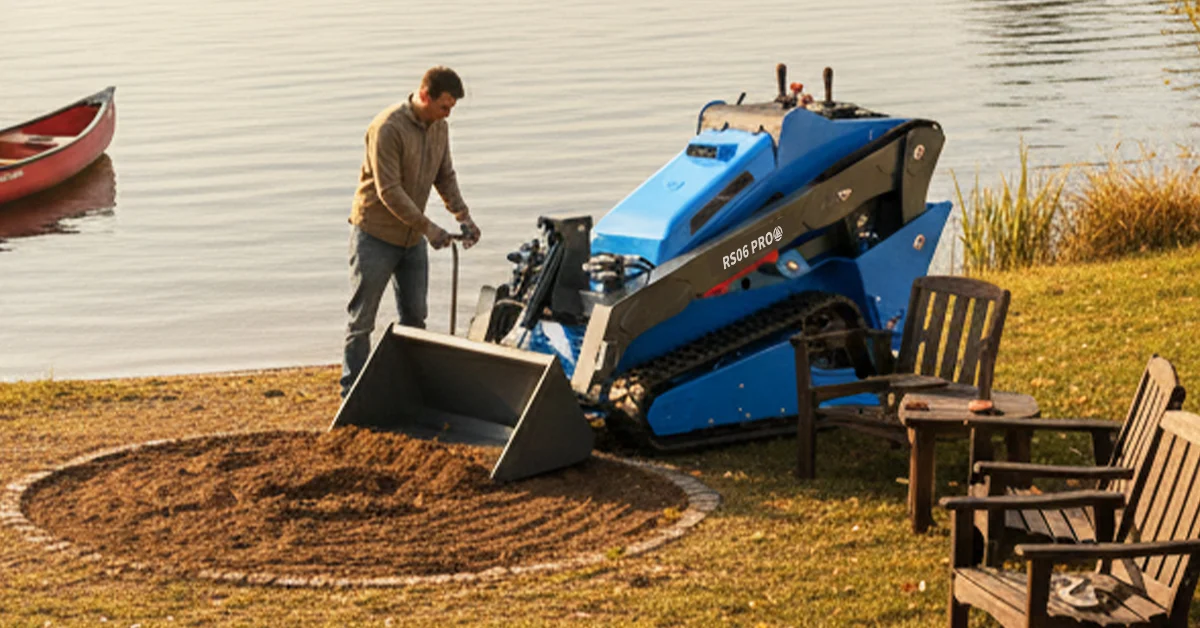
Why RIPPA Skid Steer Loaders Are Worth Considering
RIPPA is a professional manufacturer of compact construction machinery, with skid steer loaders engineered for durability, versatility, and ease of maintenance. According to the RIPPA skid steer loader product catalog, RIPPA machines are widely used in:
-
1)Construction and demolition
-
2)Landscaping and municipal projects
-
3)Agriculture and farm operations
-
4)Material handling and warehouse work
-
5)Rental and fleet operations
RIPPA skid steer loaders are built with compact frames, strong hydraulic systems, and multi-attachment compatibility, making them suitable for both small job sites and demanding daily use
Step 1: Define Your Primary Application
The first step in choosing the perfect RIPPA skid steer loader is understanding how the machine will be used.
Common Skid Steer Applications
-
1)Earthmoving and site preparation
-
2)Loading and transporting materials
-
3)Snow removal and road maintenance
-
4)Trenching, drilling, and grading
-
5)Farm cleaning and feed handling
If your work involves frequent attachment changes, a RIPPA skid steer loader is ideal due to its standardized quick-attach system, allowing operators to switch tools efficiently
Step 2: Choose the Right Size and Capacity
Not all skid steer loaders are the same size. Selecting the correct size improves efficiency and reduces unnecessary costs.
Key Factors to Consider
-
1)Rated operating capacity
-
2)Machine width and height
-
3)Turning radius for tight spaces
RIPPA offers multiple skid steer loader configurations to meet different lifting and space requirements, making it easier to match the machine to your actual workload rather than overbuying
Step 3: Evaluate Engine Performance and Reliability
Engine performance directly affects productivity and fuel efficiency.
What to Look For
-
1)Stable power output
-
2)Fuel efficiency for long working hours
-
3)Proven engine brands used in global markets
RIPPA skid steer loaders are equipped with reliable power systems designed for consistent performance and reduced fuel consumption, which is especially important for rental fleets and high-usage contractors
Step 4: Hydraulic System and Attachment Compatibility
One of the biggest advantages of skid steer loaders is their versatility.
Important Hydraulic Considerations
-
1)Hydraulic flow capacity
-
2)Compatibility with high-demand attachments
-
3)Smooth and responsive control
According to the RIPPA skid steer loader catalog, RIPPA machines are compatible with a wide range of attachments, including buckets, forks, augers, grapples, sweepers, and trenchers, allowing one machine to replace multiple pieces of equipment
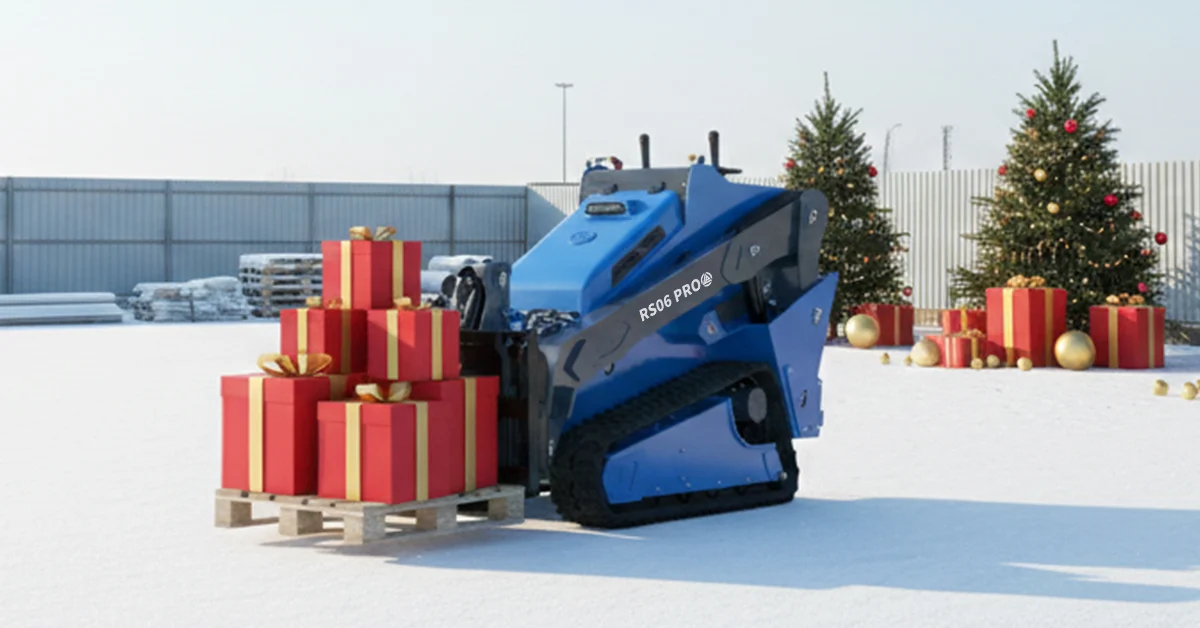
Step 5: Operating Environment and Terrain
Your jobsite conditions play a major role in selecting the right skid steer loader.
Typical Work Environments
-
1)Urban construction sites with limited space
-
2)Farms and rural properties
-
3)Muddy or uneven terrain
-
4)Indoor or warehouse environments
RIPPA skid steer loaders are designed with compact dimensions and balanced weight distribution, helping maintain stability and traction across different working conditions
Step 6: Operator Comfort and Safety Features
Comfort and safety directly impact productivity, especially during long workdays.
Key Comfort & Safety Features
-
1)Clear visibility from the operator position
-
2)Ergonomic control layout
-
3)Easy entry and exit design
-
4)Safety protection structures
RIPPA skid steer loaders emphasize operator-friendly design, reducing fatigue and improving daily efficiency while meeting international safety standards
Step 7: Maintenance, Service, and Parts Availability
A machine that is easy to maintain will save money over its lifecycle.
Maintenance Considerations
-
1)Easy access to filters and service points
-
2)Simple daily inspection procedures
-
3)Availability of spare parts
RIPPA skid steer loaders are engineered for straightforward maintenance, making them ideal for overseas markets where fast servicing and affordable parts are essential
Step 8: Cost Efficiency and Long-Term Value
Price alone should not be the deciding factor. Instead, focus on total cost of ownership.
Total Cost of Ownership Includes
-
1)Purchase cost
-
2)Fuel and maintenance expenses
-
3)Downtime and reliability
-
4)Resale or fleet replacement value
RIPPA skid steer loaders are positioned as high-value machines, offering competitive pricing without compromising durability or performance, making them attractive to dealers and bulk buyers
Step 9: Dealer, OEM, and Fleet Purchase Considerations
For dealers and B2B buyers, scalability matters.
Why RIPPA Is Suitable for Dealers
-
1)Stable factory supply
-
2)Multiple model options
-
3)Consistent quality control
-
4)Support for global distribution
This makes RIPPA skid steer loaders well-suited for dealership programs, fleet sales, and long-term partnerships
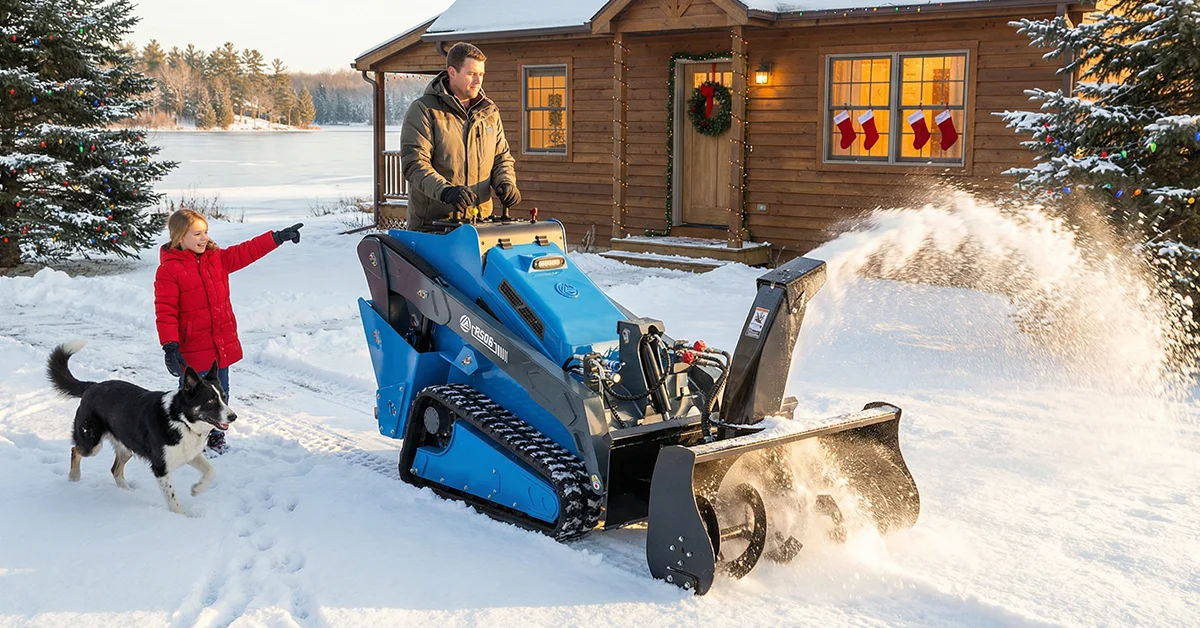
Final Thoughts: Choosing the Perfect RIPPA Skid Steer Loader
To choose the perfect RIPPA skid steer loader, focus on:
-
1)Matching the machine to your actual application
-
2)Selecting the right size and capacity
-
3)Ensuring attachment compatibility
-
4)Prioritizing reliability, serviceability, and long-term value
With its strong design philosophy, versatile configurations, and competitive positioning, RIPPA offers skid steer loaders that meet the needs of contractors, rental companies, and global distributors alike.
 Domov
Domov
 Produkty
 E-mail
 WhatsApp

