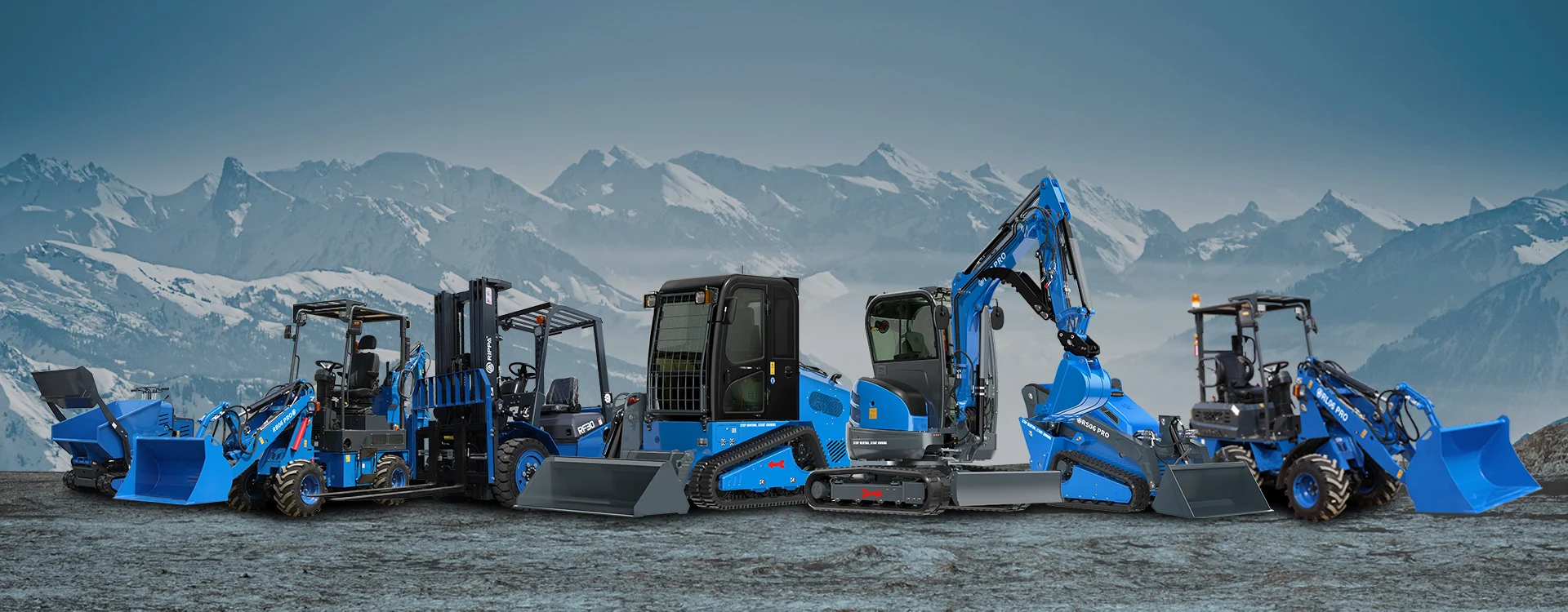
The skid steer loader market provides business opportunities for machinery dealers, construction equipment distributors, and agricultural equipment suppliers. As customers look for versatile compact machinery, dealers can expand their product portfolios by offering equipment suitable for construction, landscaping, agriculture, and material handling.
However, building a successful skid steer loader dealership requires more than purchasing machines and listing them for sale.
A competitive dealership needs reliable suppliers, a clear customer strategy, effective marketing, and a dependable after-sales service process.
1. Understand the Skid Steer Loader Market
Before entering the market, dealers should research local customer demand and competing equipment brands.
Important research areas include:
- Existing equipment dealerships
- Local construction activity
- Landscaping and agricultural demand
- Customer purchasing preferences
- Competitor product portfolios
- Local equipment service capabilities
This information helps determine which customer segments offer the strongest business opportunities.
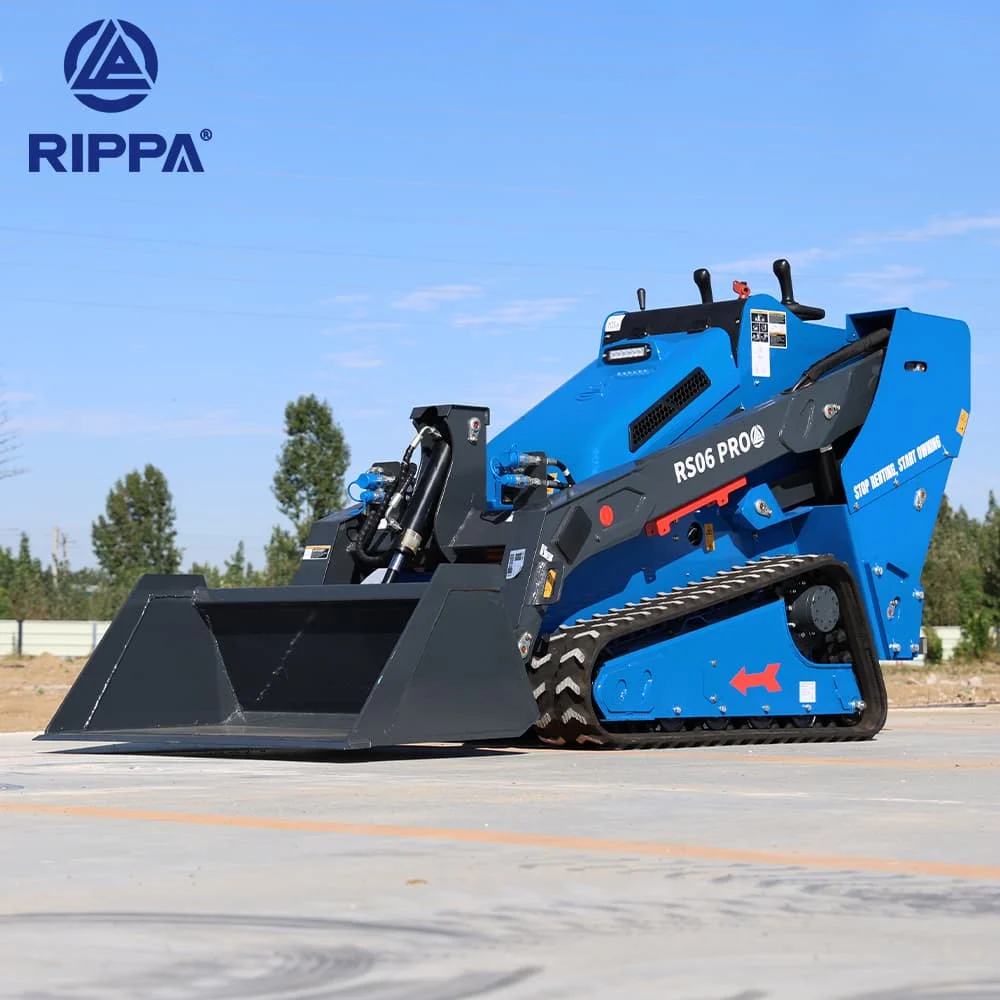
2. Identify Your Target Customers
A skid steer loader dealership can serve several different customer groups.
Construction Equipment Buyers
Construction contractors may need equipment for material movement, jobsite preparation, and general construction tasks.
Landscaping Contractors
Landscaping businesses may purchase compact machinery for property improvement, ground preparation, and outdoor maintenance.
Agricultural Equipment Customers
Farm operators may need equipment for moving supplies, handling materials, and maintaining agricultural facilities.
Machinery Resellers
Smaller equipment dealers may purchase from distributors to expand their local product offerings.
Understanding these customer groups allows dealers to develop more focused sales strategies.
3. Find a Reliable Skid Steer Loader Manufacturer
Supplier selection directly affects product availability, purchasing costs, and customer satisfaction.
Dealers considering overseas manufacturers should evaluate several factors.
Production Capabilities
Determine whether the company manufactures its own equipment and whether it can support repeat orders.
Product Consistency
Review quality inspection procedures, manufacturing standards, and component sourcing.
Export Experience
An experienced export supplier should understand international shipping, commercial documentation, and logistics coordination.
Spare Parts Support
Reliable parts supply is essential for maintaining customer confidence.
Dealer Cooperation
Discuss regional distribution opportunities, purchasing requirements, marketing resources, and after-sales responsibilities.
A supplier should be able to explain its cooperation policies clearly.
4. Develop a Competitive Product Strategy
Dealers should select products based on customer requirements rather than simply following market trends.
Offer Complementary Equipment
Businesses already selling mini excavators may consider adding skid steer loaders to their portfolios.
This allows them to serve customers who need both excavation and material handling equipment.
Create Application-Based Packages
Different customers may need different attachments.
For example:
- Construction packages with buckets and pallet forks
- Landscaping packages with suitable ground preparation attachments
- Agricultural packages with material handling accessories
Offering application-based solutions helps customers understand the value of the equipment.
Maintain Balanced Inventory
Inventory planning should consider local demand, available warehouse space, purchasing budgets, and supplier delivery schedules.
A balanced approach helps reduce unnecessary inventory pressure.
5. Build Your Skid Steer Loader Sales Channels
A strong distribution network needs consistent customer acquisition.
Dealers can develop several marketing channels.
Search Engine Optimization
Create useful website content targeting keywords such as:
- Skid Steer Loader
- Skid Steer Loader for Sale
- Compact Skid Steer Loader
- Skid Steer Loader Dealer
- Skid Steer Loader Manufacturer
Product pages, application guides, comparison articles, and dealer information can help attract relevant search traffic.
Google Advertising
Paid search campaigns can help reach customers actively researching equipment purchases.
Dealers should separate high-intent purchasing keywords from general informational searches and evaluate leads based on actual business value.
Social Media Marketing
Equipment demonstration videos, customer applications, product introductions, and jobsite content can help establish brand awareness.
Local Industry Networking
Construction exhibitions, agricultural events, and contractor networks can create opportunities to meet potential customers directly.
6. Build a Dependable After-Sales Service System
After-sales support is an important part of equipment distribution.
Dealers should establish procedures for:
- Product inquiries
- Maintenance guidance
- Replacement parts requests
- Warranty communication
- Technical assistance
- Customer feedback
A clear service process can improve customer confidence and encourage repeat purchases.
When working with an overseas manufacturer, clarify which services are handled by the factory and which responsibilities belong to the local dealer.
7. RIPPA and International Dealer Cooperation
RIPPA is a Chinese construction machinery brand supplying compact equipment to international markets.
Its product portfolio includes skid steer loaders, mini excavators, wheel loaders, and other construction machinery.
For equipment businesses seeking to expand their product categories, RIPPA offers opportunities to explore international distribution and dealer cooperation.
Potential cooperation areas include wholesale equipment sourcing, regional dealer development, product information support, spare parts coordination, and international shipping arrangements.
Interested distributors can contact RIPPA to discuss product availability and potential business cooperation.
8. Frequently Asked Questions
Is a skid steer loader dealership a good business opportunity?
It can be an opportunity for businesses with access to construction, landscaping, agricultural, or material handling customers. Success depends on market demand, supplier reliability, sales capabilities, and after-sales service.
How do I become a skid steer loader dealer?
Research your local market, identify suitable manufacturers, review dealer requirements, prepare an inventory and marketing plan, and establish a customer service process.
Can I become a dealer for a Chinese skid steer loader brand?
Some Chinese manufacturers accept international dealers and distributors. Applicants should confirm territory availability, purchasing conditions, product support, and cooperation requirements.
How can skid steer loader dealers attract more customers?
Dealers can use SEO, Google Ads, social media, equipment demonstrations, industry events, and partnerships with local contractors to generate qualified inquiries.
Should equipment dealers also sell attachments?
Offering compatible attachments can increase product value and help dealers serve customers with different working requirements.
Conclusion
Building a competitive skid steer loader dealership requires a combination of market research, suitable product selection, reliable manufacturer partnerships, and effective customer service.
Dealers who understand local customer needs and establish a dependable supply network are better positioned to develop long-term business opportunities in the compact construction equipment market.
 Home
 Products
 Email
 WhatsApp

