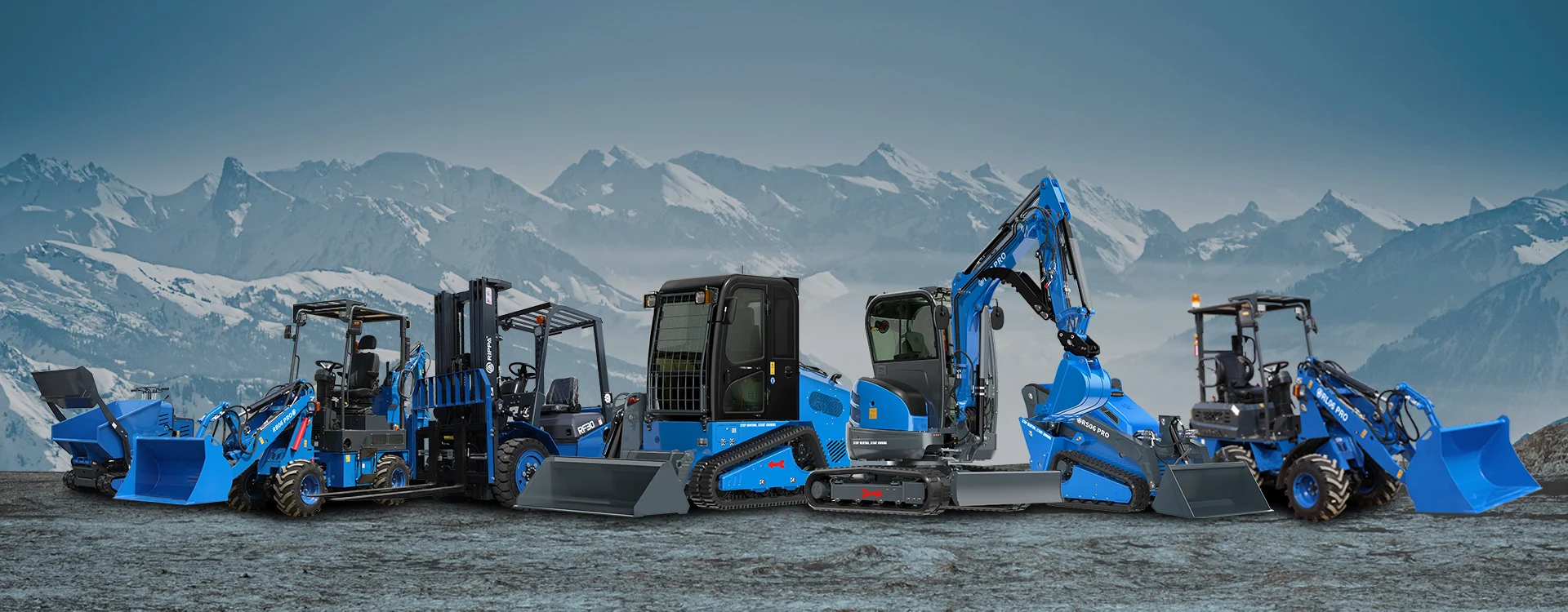
Importing a Chinese skid steer loader into the United States requires careful planning beyond selecting a machine and agreeing on a price. Buyers need to evaluate the supplier, confirm import requirements, calculate transportation costs, and prepare for delivery and after-sales support.
For US equipment dealers and importers, a structured purchasing process can help reduce unexpected expenses and make it easier to manage future orders.
Why Consider Chinese Skid Steer Loaders?
Chinese manufacturers and suppliers offer a range of compact equipment for construction, landscaping, agriculture, and material handling. Depending on the supplier, buyers may be able to choose among different configurations, attachment options, and purchasing arrangements.
For dealers, adding Chinese skid steer loaders may create opportunities to serve customers looking for compact equipment for specific applications. However, product suitability, build quality, and supplier reliability should be verified individually.
Step 1: Identify a Suitable Export Supplier
Begin by identifying suppliers with relevant products and experience in international transactions.
Request a product catalogue, written quotation, company information, and details of the manufacturing or sourcing process. Confirm whether the supplier sells directly from a factory or operates as an exporter or distributor.
Before placing a substantial order, consider checking business credentials, requesting a live video inspection, or arranging a third-party factory or pre-shipment inspection.
Step 2: Check US Import and Compliance Requirements
Import requirements depend on the product, its configuration, its intended use, and the rules in effect when it enters the country.
Before shipment, confirm the appropriate tariff classification, applicable duties and taxes, country-of-origin marking, and required customs documentation with a qualified customs broker or other appropriate professional.
Depending on the equipment and its components, additional requirements may apply. Do not assume that a supplier’s general statement about compliance automatically satisfies every US requirement.
If the machine will be used commercially, also verify applicable workplace, environmental, and local operating requirements. Keep copies of product documentation and any relevant declarations or certificates.
Step 3: Calculate the Landed Cost
The factory quotation does not necessarily reflect the final cost of an imported machine.
Build a landed-cost estimate that includes:
-
Equipment purchase price.
-
Inland transport in the country of origin.
-
Export packing and handling.
-
International freight and insurance.
-
Customs duties, taxes, and applicable fees.
-
Port handling, customs brokerage, and domestic delivery.
-
Inspection, storage, and other potential charges.
Ask the supplier and freight forwarder to identify which services are included in their quotations. Confirm the agreed delivery terms and which party is responsible for each stage.
A realistic landed-cost calculation helps importers set dealer pricing and assess the commercial viability of an order.
Step 4: Confirm Shipping and Delivery Arrangements
Before production or shipment, agree on the shipping method, packaging requirements, loading arrangements, estimated schedule, and required documents.
Confirm who will prepare the commercial invoice, packing list, transport documents, and other paperwork relevant to the transaction. The importer should coordinate with the customs broker to ensure that the documentation matches the actual goods.
Plan for unloading and final delivery at the destination. Equipment dimensions, weight, packaging, and local access conditions can affect transportation arrangements.
Step 5: Inspect the Equipment Before and After Delivery
A documented inspection process can reduce disputes and help identify problems early.
Before shipment, agree on the inspection scope and acceptance criteria. Keep inspection reports, photographs, serial-number records, and relevant shipping documents.
After delivery, check the equipment for visible damage, missing items, and consistency with the purchase order. Document any discrepancies promptly and follow the agreed process for reporting claims.
Step 6: Prepare Parts and After-Sales Support
Importers and dealers should plan for maintenance and customer support before the first machine is sold.
Ask the supplier about replacement-part ordering, technical documentation, troubleshooting support, warranty conditions, and procedures for handling claims. Confirm which parts are available and what lead times may apply.
For a dealership, after-sales arrangements are part of the product offering. Clear procedures can help protect customer relationships and encourage repeat business.
Zaključek
Importing Chinese skid steer loaders into the USA can create sourcing opportunities for equipment businesses, but successful purchasing depends on more than factory price. Supplier verification, import compliance, landed-cost planning, shipping coordination, inspection, and after-sales preparation all matter.
Before confirming an order, consult the appropriate customs professionals, obtain complete supplier documentation, and make sure the commercial and delivery terms are clear.
 Domov
 Izdelki
 E-pošta
 WhatsApp

