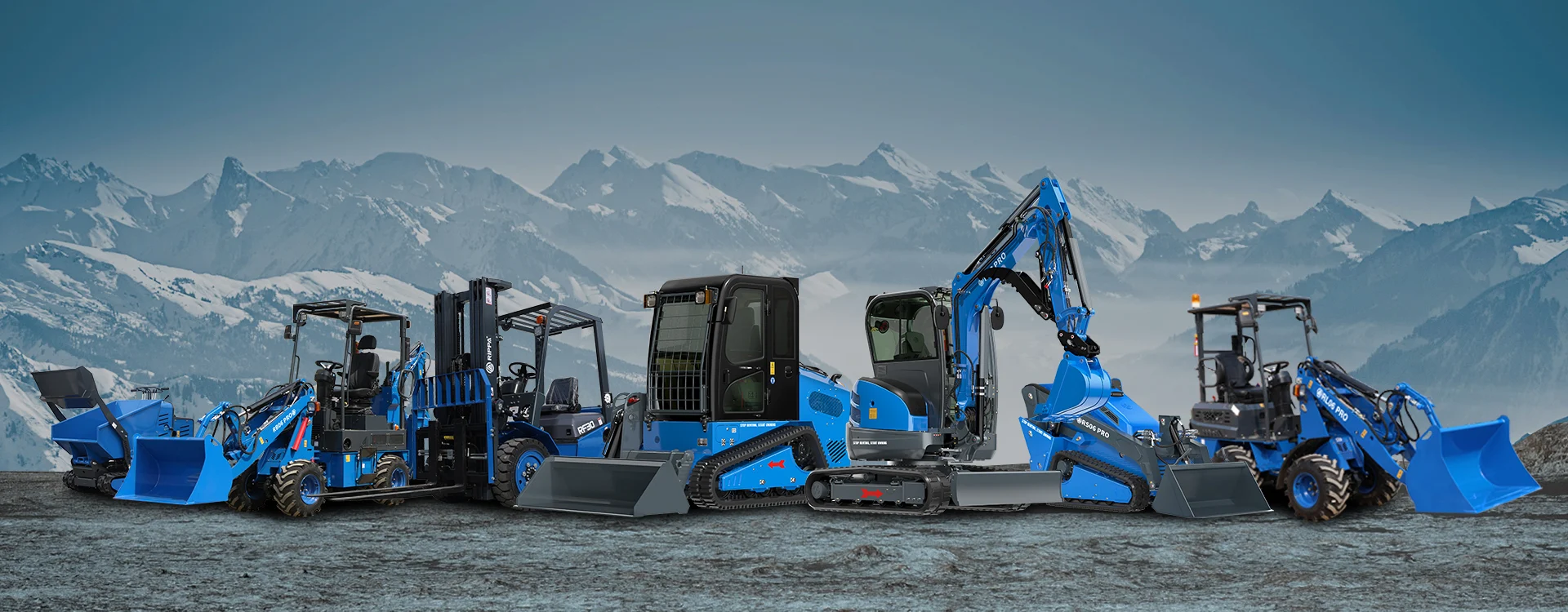
A wheel loader dealer factory should be evaluated as a long-term production and support partner, not simply as a source of low-cost machines. Importers and regional distributors need stable quality control, clear communication, repeatable supply, and service resources that protect both their reputation and their customers’ productivity.
Why Direct Factory Cooperation Matters
Working with a factory can shorten the communication path between the buyer and the production team. This is useful when confirming configurations, attachments, labeling, packaging, documentation, or market-specific requirements. It may also give distributors better visibility into production schedules and future inventory planning.
However, “factory direct” alone does not guarantee a successful purchase. Buyers should confirm the manufacturer’s actual production capability, inspection process, export experience, parts system, and response procedure. A serious wheel loader dealer factory should be willing to explain how orders move from specification confirmation to assembly, inspection, packing, and shipment.
Quality Control Questions Dealers Should Ask
Before placing a volume order, ask which components and functions are checked during production and before dispatch. Inspection should cover the areas relevant to safe, reliable operation, such as hydraulic performance, steering, braking, electrical functions, fasteners, fluid levels, leakage checks, and attachment connection. The exact procedure may differ by model, so request current records or inspection details for the machine under consideration.
A sample order or factory visit can help the buyer assess build consistency and serviceability. Dealers should also review maintenance access, parts identification, manual quality, and packaging protection. These details influence customer satisfaction long after the machine reaches the local market.
OEM, Branding, and Market Adaptation
Some distributors need OEM wheel loaders, private labeling, localized decals, manuals, color schemes, or attachment packages. Confirm which changes are available, what quantities apply, and whether customization affects lead time or warranty coverage. Never assume that one configuration or certification is suitable for every country; requirements should be checked for the destination and the specific model.
RIPPA can discuss dealer and OEM requirements based on the buyer’s sales territory, application mix, and order plan. Available options should be confirmed in writing before production.
Build a Factory Relationship That Can Scale
The right wheel loader dealer factory helps importers manage repeat orders, parts replenishment, technical questions, and product updates. Prepare a purchasing brief covering market, applications, expected volume, preferred attachments, compliance needs, and delivery port. Share it with RIPPA to receive a targeted wheel loader proposal instead of a generic quotation.
 Domov
Domov
 Izdelki
 E-pošta
 WhatsApp

