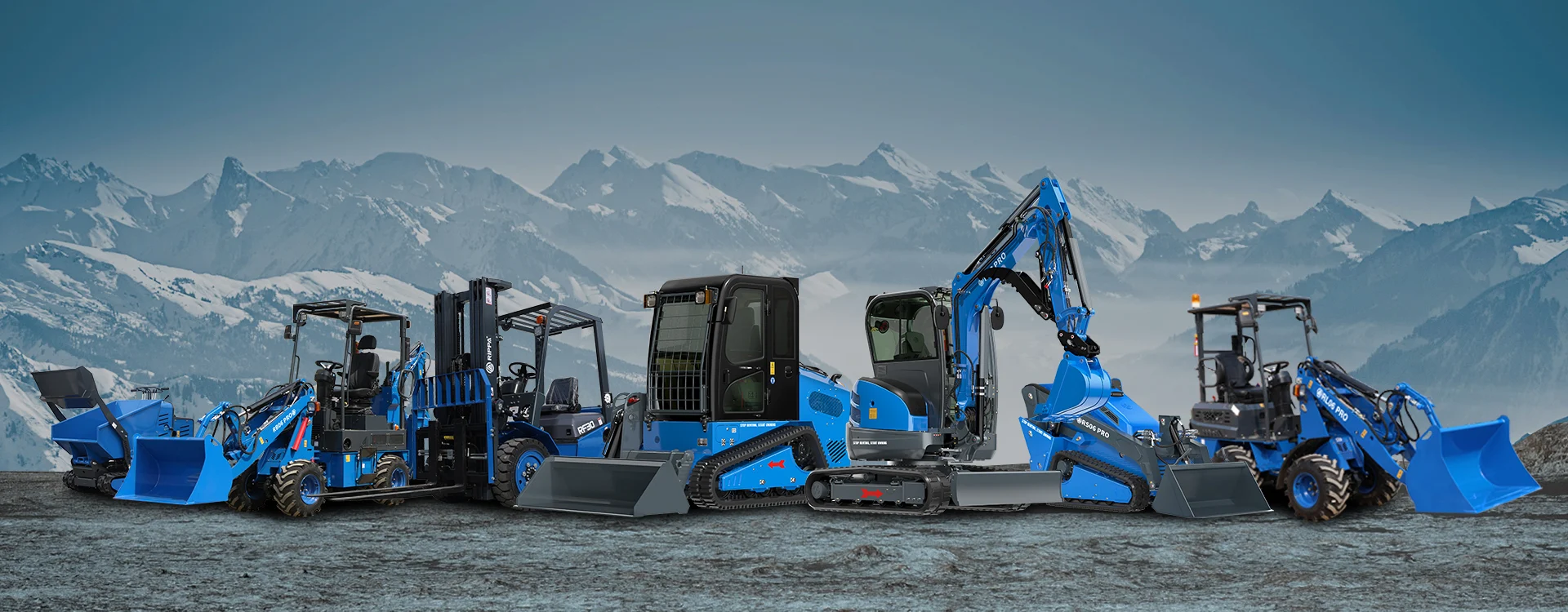
Becoming a skid steer loader dealer can create opportunities for machinery distributors, equipment rental companies, agricultural suppliers, and construction equipment businesses. Demand for compact loading equipment comes from a range of applications, including landscaping, material handling, farm maintenance, and small construction projects.
However, building a successful dealership requires more than finding a machine at an attractive wholesale price. Dealers need a dependable manufacturing partner, a suitable product range, access to replacement parts, and a clear strategy for reaching customers in their local market.
RIPPA Group works with international equipment buyers and businesses interested in construction machinery supply. Understanding the following factors can help prospective dealers evaluate whether a manufacturer is the right fit.
What Does a Skid Steer Loader Dealer Do?
A skid steer loader dealer connects equipment manufacturers with end users in a defined market. Depending on the business model, a dealer may import machinery, maintain local inventory, sell equipment, coordinate delivery, supply attachments, and arrange maintenance or technical support.
Some dealers operate physical equipment yards and service facilities. Others focus on online lead generation, regional distribution, or a combination of sales channels.
A skid steer dealership may serve:
- Construction contractors and general builders
- Landscaping and property maintenance companies
- Farmers and agricultural businesses
- Equipment rental companies
- Material handling and site preparation operators
Identifying the most relevant customer groups helps dealers select appropriate machine configurations, inventory levels, and marketing channels.
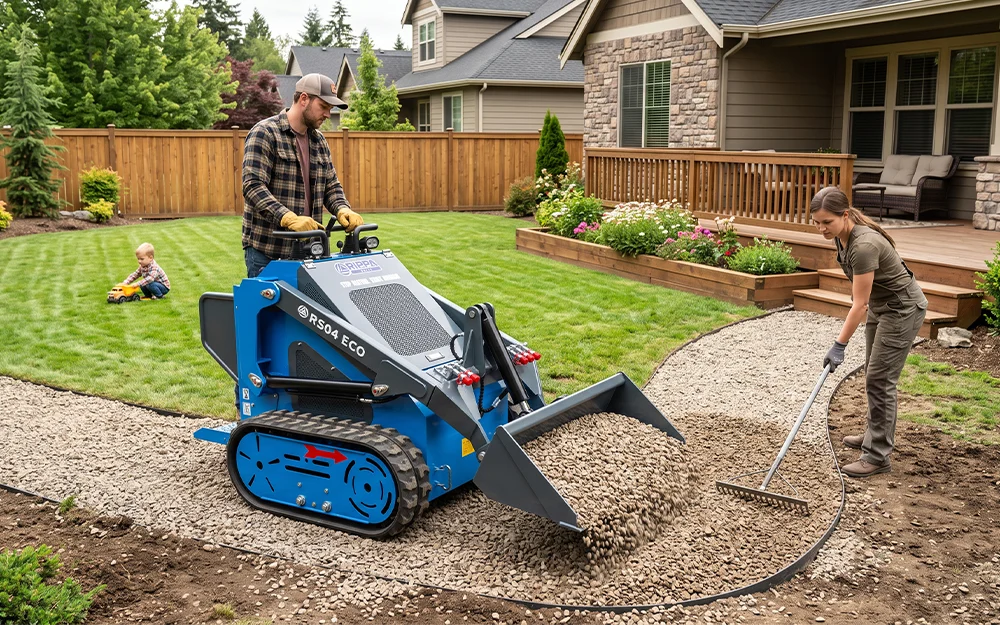
How to Choose a Skid Steer Loader Manufacturer
1. Review Manufacturing Experience and Product Range
A reliable supplier should be able to explain its manufacturing operations, product portfolio, production arrangements, and quality control procedures.
For dealers planning to expand, a manufacturer with multiple equipment categories may offer additional opportunities to serve existing customers. For example, businesses selling skid steer loaders may also encounter demand for compact excavators, wheel loaders, and related construction machinery.
Request current product catalogs, configuration information, photographs, and relevant compliance documentation. Verify that the products meet the regulations applicable to your market.
2. Compare Wholesale Terms and Order Requirements
Before signing a dealership agreement, understand the supplier’s commercial terms.
Discuss minimum order quantities, pricing structure, payment arrangements, production lead times, packaging, shipping methods, and responsibilities for import clearance. Ask whether the supplier can accommodate trial orders before you commit to larger inventory purchases.
Dealers should calculate the landed cost of each machine rather than comparing factory prices alone. Freight, duties, taxes, inland transportation, storage, and local preparation can materially affect profitability.
3. Confirm Spare Parts and After-Sales Support
After-sales service plays an important role in customer retention. A machine that remains out of service while waiting for a replacement part can create problems for both the end user and the dealer.
Ask the manufacturer how parts are identified and ordered, which components are commonly stocked, how technical questions are handled, and what support is available for troubleshooting.
Dealers should also clarify their own responsibilities for customer service, maintenance coordination, and warranty administration. Any warranty coverage should be confirmed in the written agreement rather than assumed.
4. Evaluate Marketing and Territory Arrangements
Some manufacturers work with regional dealers to develop local market coverage. Before entering a partnership, clarify whether territories are exclusive, how customer leads are allocated, and whether sales targets or other performance requirements apply.
A practical dealership plan should identify target customer groups, local competitors, promotional channels, inventory capacity, and the service resources needed to support customers.
Why Consider Becoming a Chinese Skid Steer Loader Dealer?
Working with a Chinese construction machinery manufacturer may provide dealers with another sourcing option when building or expanding their equipment portfolios.
Potential advantages include direct communication with the manufacturing team, opportunities to discuss different product configurations, and the possibility of developing repeat purchasing arrangements.
Nevertheless, dealers should perform independent due diligence. Verify the supplier’s business identity, product documentation, export experience, commercial terms, and ability to support customers in the destination market.
A successful partnership depends on the complete supply relationship, not simply on the country of manufacture or the initial wholesale price.
RIPPA Group: A Potential Partner for Skid Steer Loader Dealers
RIPPA Group is headquartered in Jining, Shandong, China, and supplies construction machinery to international markets. Its product portfolio includes skid steer loaders, excavators, loaders, and other equipment used in construction, agriculture, landscaping, and material handling.
For businesses seeking a skid steer loader dealer opportunity, RIPPA can be contacted to discuss product availability, purchasing requirements, and potential cooperation in a target market.
Prospective partners should provide information about their operating region, current equipment business, customer base, sales channels, and expected purchasing volume. This helps establish whether the proposed cooperation matches the market’s needs.
Specific dealership benefits, territory arrangements, order requirements, and support policies should be confirmed directly with RIPPA before making business commitments.
How to Start a Skid Steer Dealership
Step 1: Define Your Target Market
Identify the industries and customer groups most likely to purchase compact loading equipment. Research competitor offerings, customer budgets, local regulations, and service expectations.
Step 2: Contact Potential Manufacturers
Request product information and a commercial quotation. Compare suppliers based on product suitability, communication, documentation, delivery, and after-sales arrangements.
Step 3: Build a Sales and Service Plan
Decide whether to hold inventory, sell against customer orders, or combine both approaches. Establish a process for quotations, delivery coordination, spare parts, and customer inquiries.
Step 4: Confirm the Partnership in Writing
Review pricing, order terms, territory rights, lead allocation, marketing responsibilities, and applicable service obligations before signing an agreement.
Vanliga frågor
How do I become a skid steer loader dealer?
Start by researching your local market, identifying potential manufacturers, and assessing your sales and service capabilities. Contact suppliers to discuss commercial terms and confirm the requirements for becoming an authorized dealer.
Can a small equipment business become a skid steer loader distributor?
Potentially, yes. Eligibility depends on the manufacturer’s requirements and the business’s financial, sales, and service capabilities. Ask about initial order requirements and whether a smaller trial order is possible.
What should a skid steer loader dealer look for in a supplier?
Prioritize consistent product information, transparent pricing, reliable communication, parts availability, suitable shipping arrangements, and clearly documented commercial terms.
Is factory-direct sourcing suitable for equipment dealers?
It can be suitable for businesses that can manage international purchasing, import procedures, inventory, and customer support. Compare the complete landed cost and service responsibilities before choosing this model.
Explore Skid Steer Loader Dealer Opportunities with RIPPA
Are you an equipment distributor, machinery importer, rental company, or construction equipment business looking to expand your product range?
Kontakt RIPPA Group to discuss skid steer loader sourcing and potential dealer cooperation. Share your target market, current business activities, and purchasing plans to help the team understand your requirements.
 Hem
Hem
 Produkter
 E-post
 WhatsApp

