
dec 04, 2025
Choosing between a tractor and a skid steer can be confusing—especially when both machines handle lifting, hauling, and land-working tasks. If you run a farm, landscaping business, or construction company, selecting the right equipment directly impacts efficiency and long-term ROI.
This guide explains the key differences, ideal applications, costs, and how to decide which machine suits your needs.
A skid steer loader is a compact, highly maneuverable machine known for its agility and attachment versatility.
Key characteristics:
Tight turning radius for small or crowded job sites
Powerful hydraulic system
Excellent compatibility with dozens of attachments
Ideal for construction, landscaping, demolition, and snow removal
A tractor is designed primarily for agricultural tasks such as tilling, plowing, mowing, and pulling implements.
Key characteristics:
Strong pulling power
Wide range of PTO-driven attachments
Excellent for large farms and open fields
More stable on uneven or soft ground
Skid Steer:
Superior turning ability
Works efficiently in tight spaces
Ideal for urban projects, small yards, construction sites
Tractor:
Requires more space to maneuver
Performs best in wide, open areas
Winner: Kompaktlastare—if your workspace is limited.
Skid Steer:
Strong lifting and hydraulic power
Excellent for heavy-duty attachments (breaker, auger, grapple)
Tractor:
Better for pulling implements
Excellent for soil preparation and agricultural work
Winner:
Kompaktlastare for construction tasks
Tractor for agricultural tasks
Both machines support multiple attachments, but they differ in purpose.
Skid Steer Attachments:
Bucket
Pallet forks
Hydraulic hammer
Trencher
Grapple
Snow blower
Tractor Attachments:
Rotary tiller
Plow
Seeder
Mower
Bale spear
Winner: Tie — Each machine handles its own specialized attachments.
Skid Steer:
Great for paved or firm surfaces
Can be rough on soft soil (unless using a compact track loader)
Tractor:
Performs well on soft, uneven, or muddy ground
Designed for off-road agricultural environments
Winner: Tractor for challenging terrain.
Skid Steers:
Typically higher initial cost but very versatile
Maintenance varies based on hydraulic use
Tractors:
Wide price range
Repairs are often simpler
Lower hydraulic complexity
Winner: Depends on task frequency and budget.
Work in construction, landscaping, or demolition
Need to switch attachments frequently
Operate in narrow or confined spaces
Want a versatile machine that can dig, lift, grade, and load
Run a farm or agricultural operation
Need strong pulling power for field implements
Work on soft ground regularly
Perform mowing, plowing, planting, or field maintenance
| Feature | Kompaktlastare | Tractor |
|---|---|---|
| Best Use Case | Construction & landscaping | Farming & field work |
| Maneuverability | Excellent | Moderate |
| Hydraulic Power | Strong | Moderate |
| PTO Power | Lower | Strong |
| Attachments | Construction-focused | Agriculture-focused |
| Terrain | Hard ground | Soft, uneven ground |
For growing businesses that handle mixed tasks—material handling, grading, digging, and snow removal—a skid steer is increasingly the preferred choice.
Its compact size + attachment flexibility make it valuable for multi-industry use.
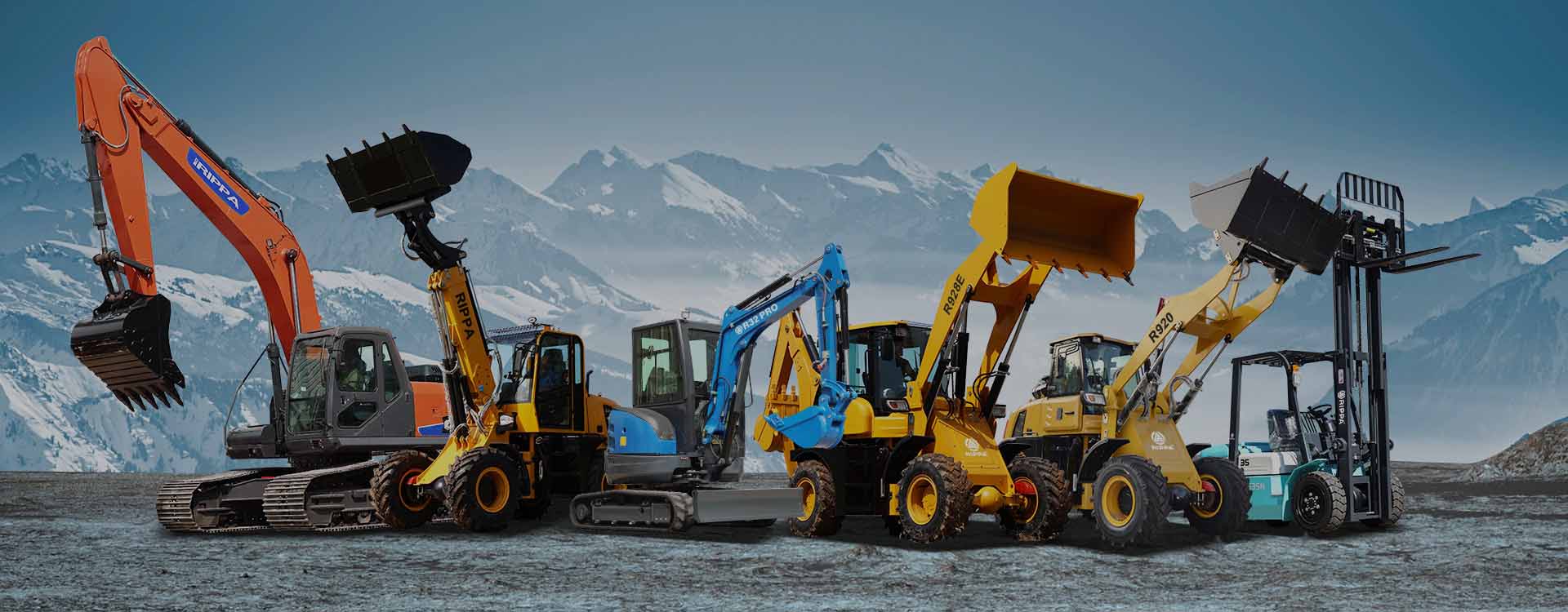
Brands like RIPPA offer high-performance models built for global B2B buyers:
Powerful hydraulic systems
Competitive pricing for dealers
Fast delivery from overseas warehouses
Factory-direct support and spare parts
If your goal is versatility and ROI, a skid steer often delivers more value.
If your work is primarily agricultural, choose a tractor.
If you need a multi-purpose machine for construction, landscaping, or general business operations, choose a skid steer.
Still unsure? Tell me your work scenario (farm size, job type, load requirements), and I’ll help recommend the best machine.


 Hem
Hem
 Produkter
 E-post
 WhatsApp