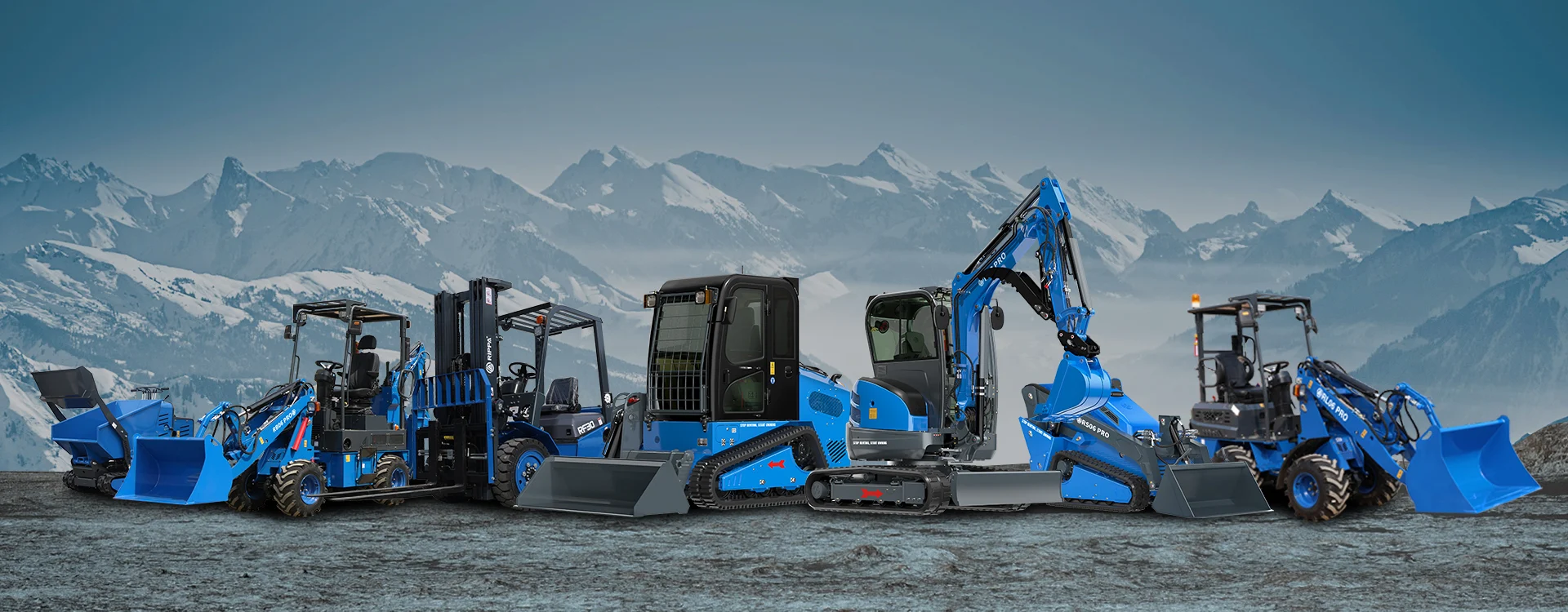
Becoming a wheel loader dealer can expand an equipment business into agriculture, construction, landscaping, rental, and industrial material handling. Success depends on choosing a factory supplier that fits local demand and gives the dealer enough product, parts, logistics, and technical support to serve customers after the sale.
Assess Your Market Before Choosing Products
Dealers should first identify their core customer group and the jobs those customers need to complete. Review local industries, common bucket materials, job-site access, transport rules, attachment demand, competitor coverage, and seasonal buying patterns. This information helps determine whether the initial inventory should focus on compact, versatile machines or other wheel loader categories.
Avoid ordering too many configurations at the beginning. A focused range can simplify sales training, spare-parts stocking, marketing, and service. Once customer feedback becomes available, the dealer and supplier can adjust future orders more confidently.
What Dealer Support Should Include
A wheel loader dealer needs more than product photos and a price list. Ask whether the supplier can provide current specifications, manuals, parts references, warranty terms, product images, training materials, and clear contact channels for technical questions. Where market authorization or certification is required, verify the documents for the exact model and destination.
Discuss how warranty cases will be documented and resolved. Both parties should understand which information is required, who provides replacement parts, and how labor or freight costs are handled. Clear written terms reduce disputes and help the dealer respond professionally to end users.
Plan Inventory, Parts, and Local Promotion
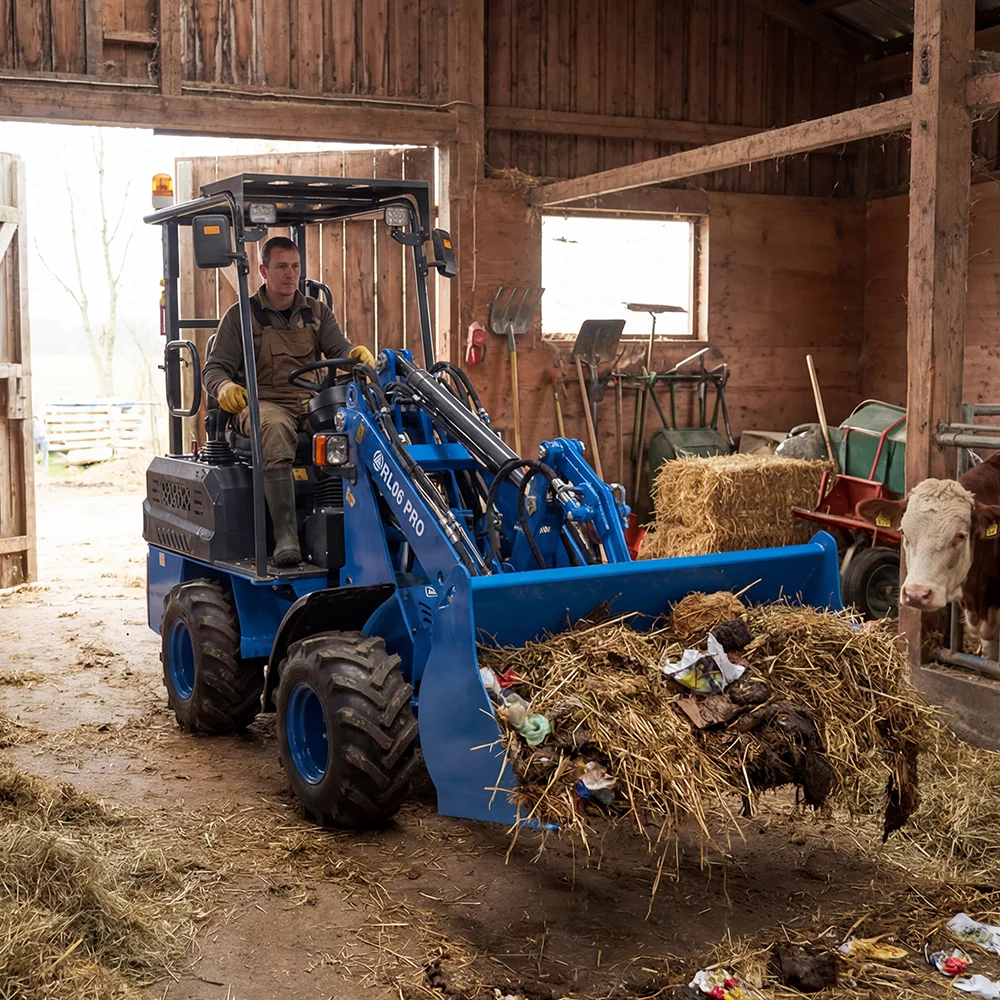
Initial machine inventory should be supported by filters, service items, wear parts, and any attachments likely to sell with the loader. Dealers can then promote complete application solutions instead of a standalone machine. Demonstrations, job-site videos, operator guidance, and local case studies can help buyers understand how the equipment fits their work.
RIPPA welcomes discussions with qualified machinery distributors and equipment businesses. Cooperation details may depend on market conditions, order volume, product selection, and service capability, so each proposal should be reviewed individually.
Apply for a Wheel Loader Dealer Cooperation Plan
Prepare a short company profile with your territory, sales channels, customer base, service capacity, annual purchasing estimate, and product interests. Contact RIPPA to discuss a wheel loader dealer arrangement, factory supply options, available attachments, spare-parts planning, and delivery requirements. A detailed application gives both sides a stronger basis for building sustainable local sales.
 Ev
Ev
 Ürünler
 E-posta
 WhatsApp

