Choosing among Chinese loader manufacturers requires more than comparing quotations. Importers, equipment dealers, rental businesses, and contractors must determine whether a supplier can provide consistent machines, suitable configurations, dependable spare parts, and ongoing technical support.
A low purchase price may attract attention, but long-term profitability depends on product reliability, market suitability, and the manufacturer’s ability to support equipment after delivery.
What Do Chinese Loader Manufacturers Offer?
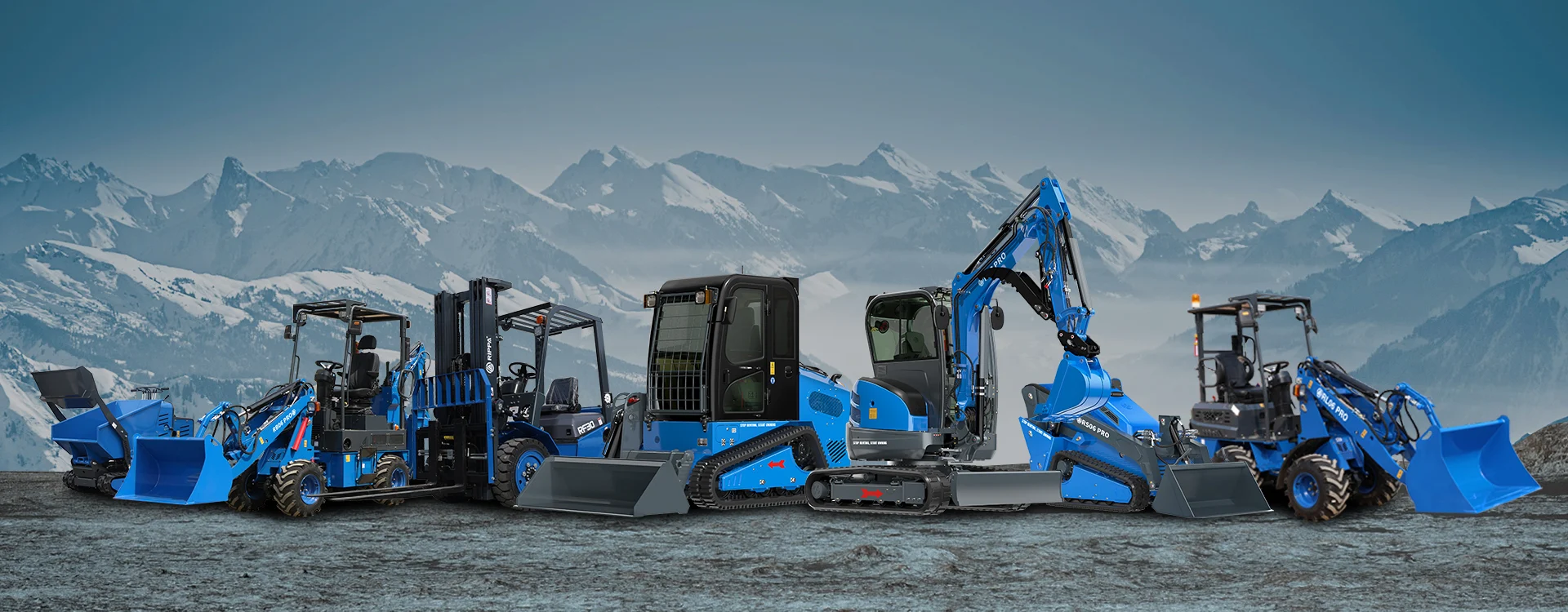
China’s loader industry covers wheel loaders, compact loaders, skid steer loaders, track loaders, and specialized material-handling equipment. This broad selection allows buyers to source machines for construction, agriculture, landscaping, warehousing, mining support, and municipal maintenance.
Many manufacturers also offer different attachments and configuration choices. This can help distributors create product packages suited to local customers instead of competing only on the price of a standard machine.
How to Evaluate a Loader Manufacturer
Confirm Manufacturing Capability
A professional supplier should be able to explain its production process, inspection procedures, component sourcing, and quality-control system. Buyers can request factory videos, inspection records, current product documents, and pre-shipment test information.
When possible, arrange a factory visit or third-party inspection. This helps verify that the company has genuine production and service capabilities rather than acting only as a trading intermediary.
Check Product-Market Compatibility
Engine requirements, emissions rules, electrical systems, tires, couplers, safety equipment, and documentation may differ between markets. Reliable Chinese loader manufacturers should help buyers match machine configurations to their destination and intended applications.
Never assume that one configuration is approved for every country. Request model-specific compliance documents and confirm local import requirements before placing a bulk order.
Review Parts and Technical Support
Replacement-parts availability directly affects customer satisfaction. Ask whether the supplier provides illustrated parts books, maintenance manuals, diagnostic guidance, warranty procedures, and recommended spare-parts packages.
Dealers should also evaluate communication speed. A technically capable service team can reduce downtime and help local distributors resolve problems without unnecessary delays.
Avoiding Common Sourcing Risks
Buyers should be cautious when a quotation does not clearly define the machine configuration, included attachments, warranty coverage, delivery terms, or optional components. Compare offers on the same basis and document all agreed specifications in the purchase contract.
A sample order can help evaluate assembly quality, operating comfort, attachment compatibility, packaging, and documentation before expanding to container quantities. For dealers, local customer feedback from the first machines can guide future inventory decisions.
Building a Long-Term Loader Partnership
The strongest supplier relationship goes beyond a single transaction. Manufacturers and distributors should cooperate on product training, spare-parts planning, market feedback, promotional materials, and service development.
RIPPA works with international equipment buyers and distributors across compact construction machinery categories. When comparing Chinese loader manufacturers, focus on verified production capability, configuration accuracy, service response, and long-term parts support. These factors determine whether an attractive quotation can become a sustainable and profitable equipment business.
 Ev
Ev
 Ürünler
 E-posta
 WhatsApp

