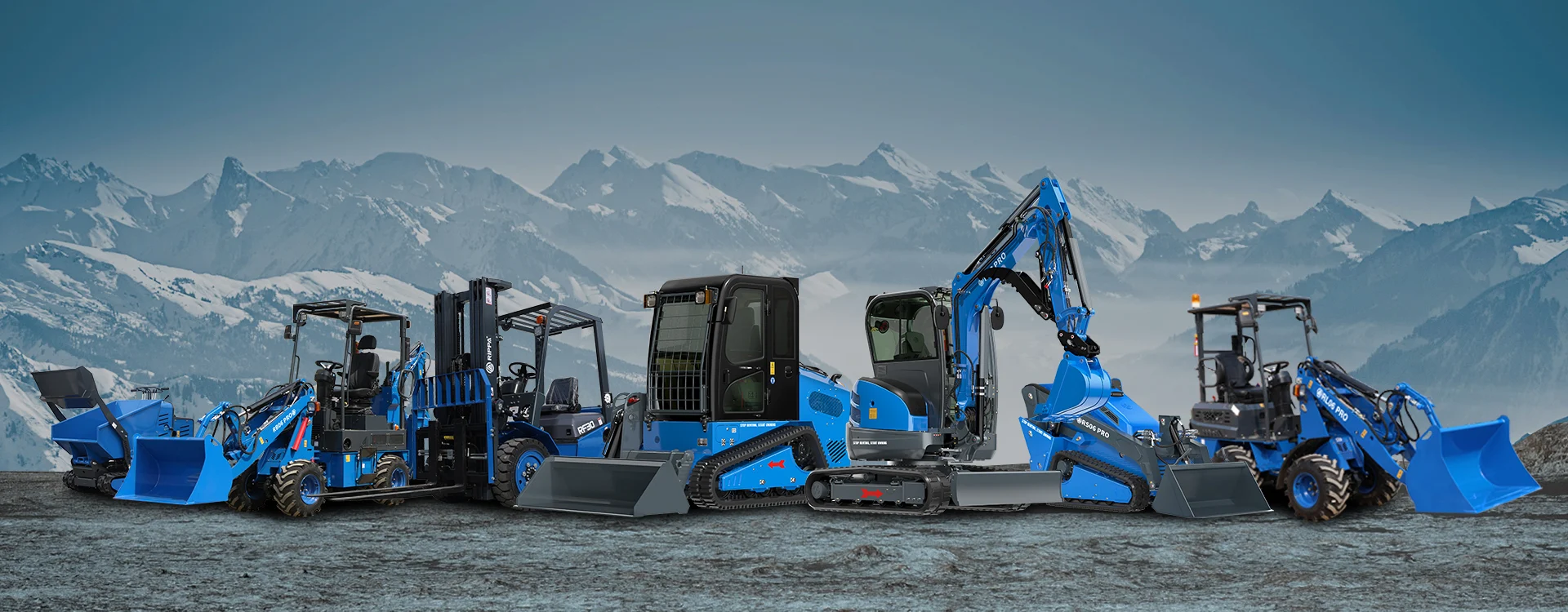
Selecting the appropriate tonnage for a compact wheel loader is one of the most important decisions equipment buyers face. Choosing a machine that is too small can limit productivity, while an oversized loader may increase costs unnecessarily.
This guide explains how to determine the ideal compact wheel loader tonnage based on your work requirements, operating environment, and budget.
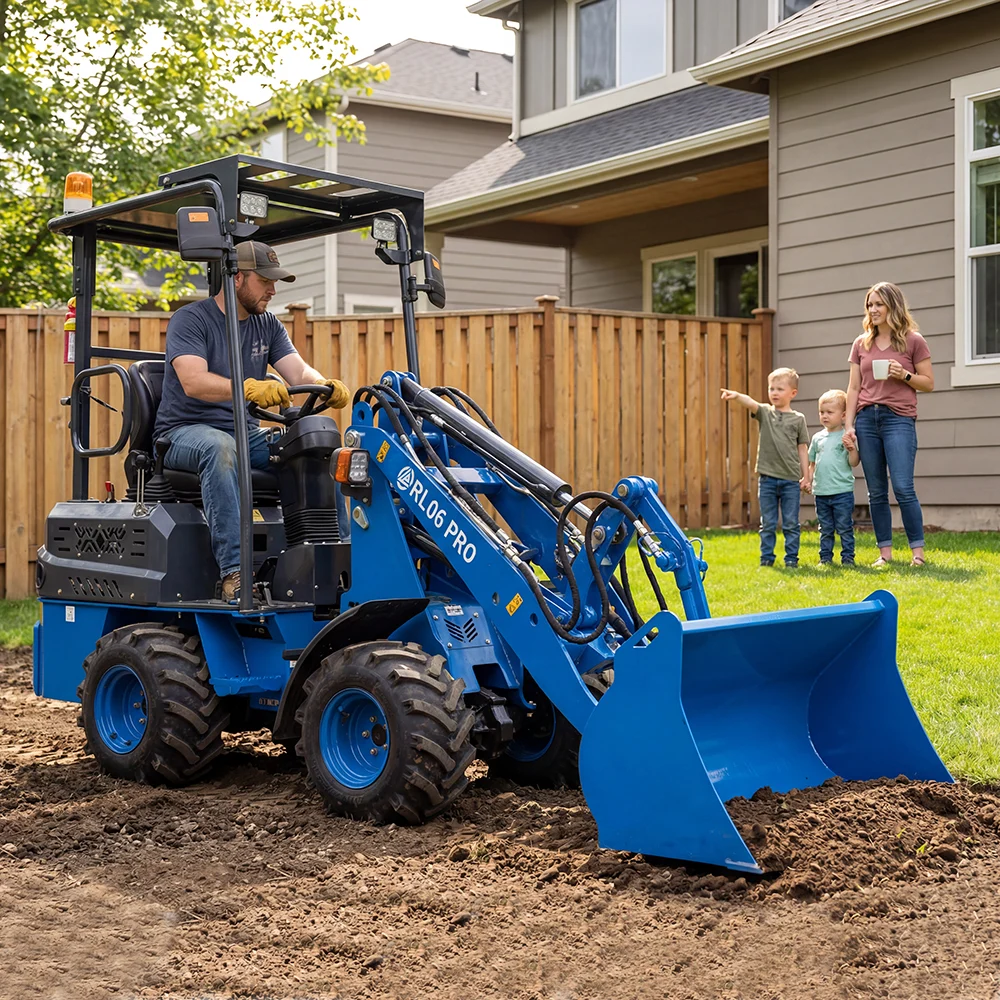
Understanding Compact Wheel Loader Tonnage
Compact wheel loaders typically range from 1 to 6 tons in operating weight. Despite their smaller size, these machines deliver excellent performance in construction, agriculture, landscaping, and municipal applications.
Tonnage affects several key factors:
- Lifting capacity
- Bucket size
- Stability
- Yakıt tüketimi
- Transportation costs
Choosing the right balance is essential for achieving maximum efficiency.
Common Compact Wheel Loader Categories
1–2 Ton Wheel Loaders
These models are ideal for:
- Konut peyzajı
- Küçük çiftlikler
- Mülk bakımı
- Light-duty material handling
Benefits include:
- Easy transportation
- Low operating costs
- Excellent maneuverability
2–4 Ton Wheel Loaders
This category is highly popular because it offers versatility across multiple industries.
Suitable applications include:
- Küçük inşaat projeleri
- Tarımsal faaliyetler
- Warehouse loading
- Municipal maintenance
4–6 Ton Wheel Loaders
Larger compact loaders provide:
- Increased lifting capacity
- Higher breakout force
- Larger bucket volumes
Şunlar için idealdir:
- Commercial construction
- Aggregate handling
- Waste management facilities
Factors That Influence Tonnage Selection
Material Type
Different materials have different densities.
Examples:
- Sand and gravel require greater lifting capacity.
- Mulch and wood chips require less lifting power.
Heavier materials generally require larger wheel loaders.
Jobsite Size
Compact loaders excel in restricted environments.
Consider:
- Gate widths
- Building entrances
- Storage areas
- Loading zones
Smaller machines offer superior maneuverability in confined spaces.
Loading Frequency
High-volume loading operations benefit from larger compact wheel loaders because they complete tasks faster and reduce cycle times.
Transportation Requirements
Frequent transportation between job sites favors lighter machines that can be hauled using smaller trailers.
Budget Considerations
While larger wheel loaders offer higher performance, they also increase:
- Purchase costs
- Fuel expenses
- Maintenance requirements
The goal is to match machine capacity with actual workload.
Benefits of Properly Sized Compact Wheel Loaders
Improved Efficiency
Operators can complete tasks faster without overworking the machine.
Lower Fuel Consumption
A correctly sized loader consumes less fuel while maintaining productivity.
Reduced Maintenance Costs
Machines operating within their designed capacity experience less wear and tear.
Enhanced Operator Safety
Proper machine sizing improves stability and load control.
Industries That Benefit from Compact Wheel Loaders
Tarım
Used for:
- Hayvanların beslenmesi
- Moving hay
- Loading grain
Peyzaj Düzenlemesi
Perfect for:
- Soil handling
- Mulch transportation
- Şantiye temizliği
İnşaat
Şunlar için idealdir:
- Small-scale excavation support
- Malzeme yükleme
- Enkazın kaldırılması
Municipal Services
Applications include:
- Kar temizleme
- Park maintenance
- Street cleaning
Sonuç
Choosing the right tonnage for a compact wheel loader requires evaluating your materials, jobsite conditions, transportation needs, and budget. A properly sized machine delivers better productivity, lower operating costs, and greater long-term value.
By carefully assessing your operational requirements, you can confidently invest in a compact wheel loader that supports business growth and maximizes efficiency.
 Ev
Ev
 Ürünler
 E-posta
 WhatsApp

