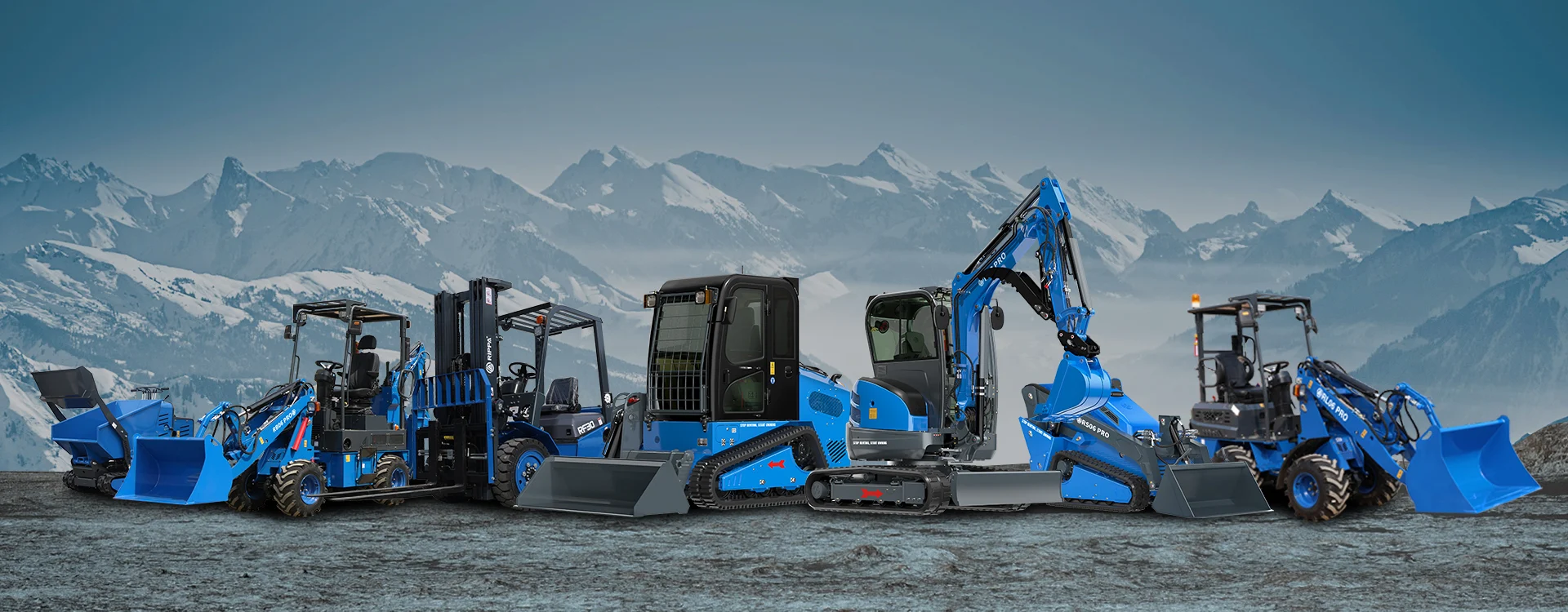
Farm buyers comparing skid loaders for sale need equipment that can manage frequent task changes, confined working areas, and changing ground conditions. The best farm loader is not necessarily the largest machine; it is the one that matches everyday chores, available attachments, access restrictions, and service resources.
Where Skid Loaders Add Value on a Farm
A skid loader can move feed, bedding, soil, gravel, fertilizer, and manure. With the appropriate attachment, it can also support fencing, grading, mowing, cleanup, and property maintenance.
Its compact turning ability is particularly useful around barns, livestock areas, storage buildings, and narrow farm lanes where larger equipment may be inconvenient.
Before selecting a loader, divide applications into two groups: jobs performed every week and occasional seasonal work. Recurring tasks should determine the primary machine and bucket configuration. Less frequent applications can be handled with additional or rented attachments.
This approach prevents farms from paying for capacity and tools they rarely use.
Wheels or Tracks for Farm Conditions?
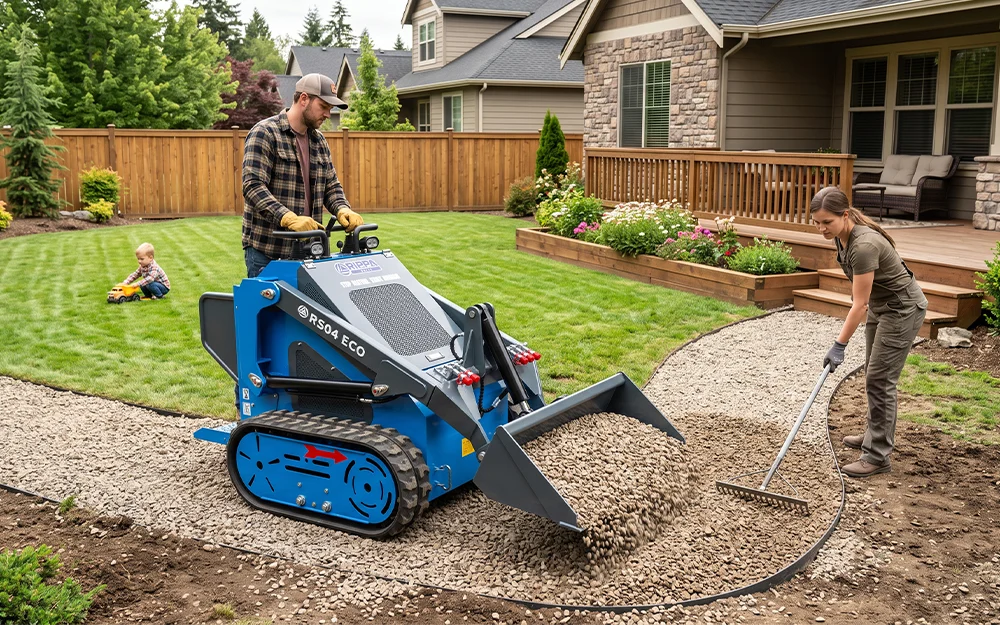
Wheeled skid loaders generally suit concrete surfaces, firm yards, and applications where travel speed and uncomplicated tire servicing are priorities.
Compact track loaders may perform better on soft soil, slopes, loose materials, and muddy ground because the undercarriage distributes contact across a larger area. Tracks, however, have different wear, cleaning, and maintenance requirements.
Consider where the machine will spend most of its operating hours. A dairy facility with extensive concrete creates different demands from an orchard, livestock pasture, or landscaping operation.
Ground disturbance, seasonal moisture, tire or track replacement, fuel consumption, and maintenance time should all influence the decision.
Match Attachments to Actual Farm Jobs
Buckets remain essential, but forks, grapples, augers, trenchers, mowers, and snow attachments can significantly increase a loader’s usefulness.
Buyers should verify the coupler, hydraulic connections, hose routing, and operating requirements of every attachment. A tool that connects mechanically may still be unsuitable when its hydraulic demand does not match the loader.
Visibility and control also matter during repetitive loading and work near animals, buildings, vehicles, and employees. Evaluate entry and exit, operator sightlines, control layout, attachment changes, and access to maintenance points.
Compare the Full Cost of Farm Equipment
When reviewing skid loaders for sale, calculate more than the purchase price. Include:
- Delivery and unloading
- Required attachments
- Routine maintenance
- Tires or tracks
- Financing and insurance
- Potential downtime
- Replacement-parts availability
Ask whether common service parts are stocked locally and how technical support is provided during planting, harvest, or other time-sensitive periods.
RIPPA provides skid steer and compact loader solutions for different material-handling applications. Buyers should request the current specification sheet, attachment list, warranty terms, and destination-specific documents for the exact model being considered.
A properly selected farm skid loader should reduce labor across several recurring jobs without becoming difficult or expensive to maintain. Define the applications first, compare total ownership costs, and select a supplier capable of supporting the equipment after delivery.
 Ev
Ev
 Ürünler
 E-posta
 WhatsApp

