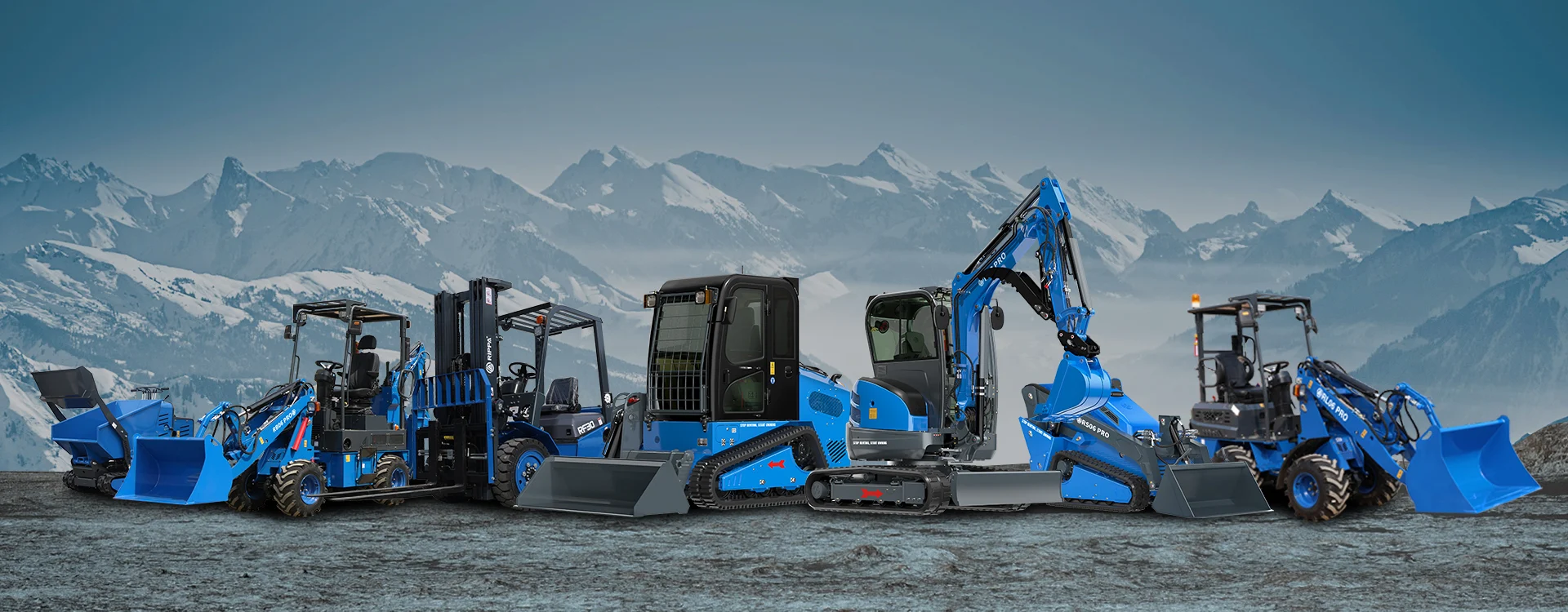
Chinese mini skid steer loaders can provide an additional product category for construction equipment dealers, landscaping suppliers, agricultural machinery businesses, and regional distributors. For companies serving contractors and property maintenance customers, compact loaders may complement existing equipment offerings.
However, building a successful distribution business requires more than finding a supplier with competitive pricing. Dealers must understand local demand, select suitable products, manage inventory, and establish a clear process for customer support.
This guide outlines how distributors can evaluate suppliers and develop a practical sourcing strategy for Chinese mini skid steer loaders.
Why Add Mini Skid Steer Loaders to Your Product Range?
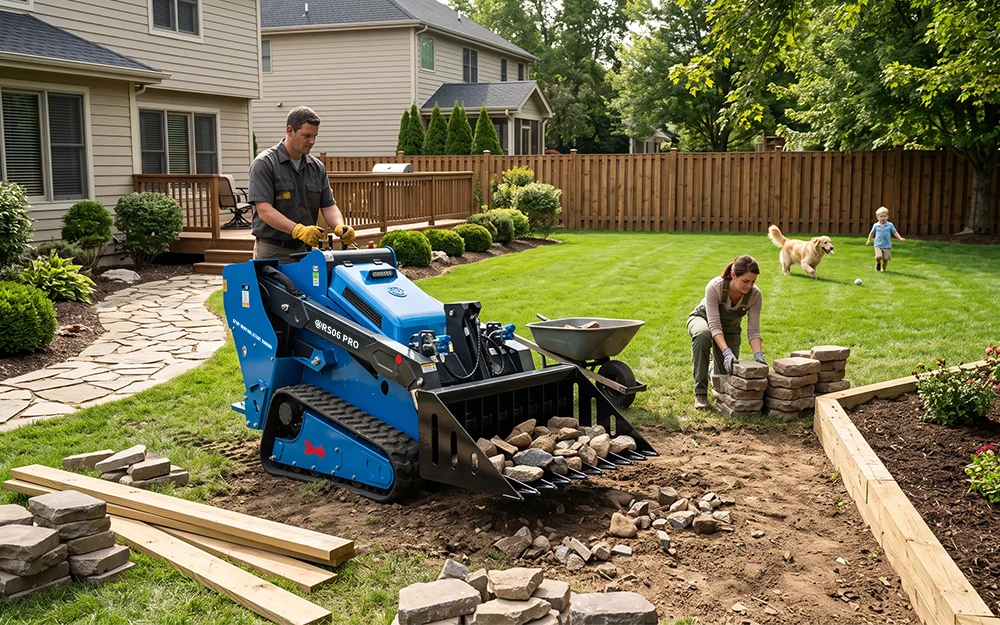
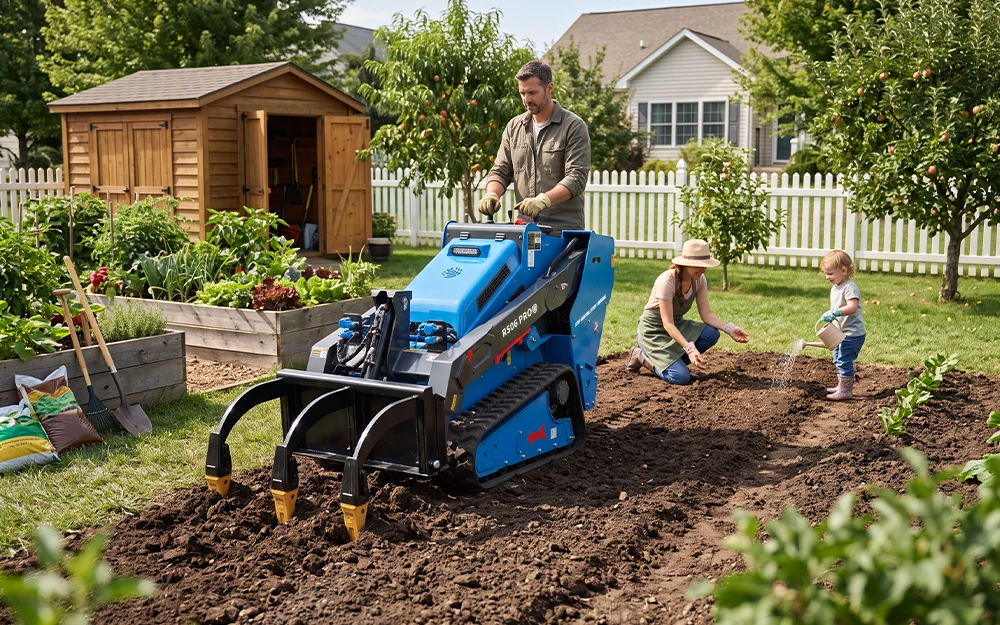
Mini skid steer loaders are designed for compact material-handling tasks. Depending on their configuration and attachments, they may be used for moving soil, landscaping, clearing work areas, maintaining properties, and handling materials on selected construction and agricultural sites.
For existing equipment dealers, adding compact loaders may create opportunities to serve customers who need versatile machinery for smaller work areas.
Potential commercial benefits include:
- Expanding the range of equipment available to existing customers.
- Serving landscaping, agriculture, construction, and property maintenance businesses.
- Offering compatible attachments for different applications.
- Developing relationships with contractors who purchase equipment repeatedly.
- Building a more diversified equipment distribution portfolio.
These opportunities depend on local demand, competitive conditions, product suitability, and the dealer’s ability to provide appropriate customer support.
How to Select a Supplier for Your Dealership
Evaluate Product Availability and Range
Before choosing a supplier, review the available configurations and determine whether they match the needs of your customers.
Consider machine dimensions, operating capacity, attachment compatibility, maintenance requirements, and transport arrangements. Request current product documentation and confirm which configurations are available for export.
A dealer should avoid promising a specific machine or attachment until its availability has been verified.
Assess Supplier Reliability
A supplier evaluation should include manufacturing arrangements, quality control, communication, delivery planning, and the availability of replacement parts.
Ask how the supplier handles production delays, order changes, shipment discrepancies, and technical questions.
For larger or recurring orders, consider agreeing on a standard specification and inspection process to help maintain consistency across shipments.
Understand Dealer Cooperation Terms
Before entering a distribution arrangement, clarify the commercial relationship in writing.
Important subjects include wholesale pricing, minimum order quantities, payment terms, territory coverage, marketing resources, parts ordering, and customer support responsibilities.
If the supplier offers exclusive distribution or territory protection, confirm the conditions and boundaries in the written agreement. Do not assume exclusivity is included in a standard dealer relationship.
How Dealers Can Identify Their Best Customers
A clear customer profile helps a dealership select appropriate products and focus its sales efforts.
Construction Contractors
Contractors may need compact equipment for material movement, site cleanup, and selected earthmoving tasks. Their buying decisions may depend on productivity, operating limitations, attachment options, and maintenance access.
Landscaping Businesses
Landscaping companies may prioritize maneuverability, transport convenience, and attachments suited to soil preparation or property maintenance.
Agricultural Customers
Farm businesses may use compact loaders for moving materials and maintaining facilities. Dealers should evaluate local working conditions and confirm that the offered configuration is suitable.
Rental and Fleet Businesses
Commercial fleet operators may evaluate compact loaders as part of a broader equipment portfolio. Their selection criteria can include maintenance planning, parts availability, utilization, and service arrangements.
Dealers should confirm their supplier’s permitted sales channels and commercial policies before targeting any specific customer segment.
How to Plan Inventory and Wholesale Orders
Inventory planning affects working capital, product availability, and customer satisfaction. New dealers should validate demand before committing to large stock purchases.
| Planning area | Recommended approach |
|---|---|
| Market research | Identify local industries and likely purchasing demand |
| Product selection | Prioritize configurations suited to target customers |
| Order quantity | Balance customer demand against available capital |
| Replenishment | Consider production and shipping lead times |
| Parts inventory | Identify frequently required replacement components |
| Customer delivery | Provide realistic availability and delivery estimates |
| Performance review | Track sales, inquiries, stock levels, and margins |
For an initial order, dealers may compare confirmed customer requirements with forecast demand. As sales data accumulates, purchasing decisions can be adjusted to reflect actual product performance in the local market.
How to Market Chinese Mini Skid Steer Loaders
A dealer’s marketing strategy should communicate practical value rather than rely on generic claims about price or quality.
Build Search-Friendly Product Pages
Create useful website pages that explain equipment applications, available configurations, compatible attachments, and important purchasing considerations.
Include accurate product specifications, original photographs, and clear contact information. Avoid publishing technical details or delivery promises that have not been verified.
Relevant search terms may include Chinese mini skid steer loaders, mini skid steer loader suppliers, mini skid steer dealers, and compact loader distributors. Use these terms naturally in page titles, headings, and descriptions.
Develop Local Business Relationships
Dealers can reach prospective buyers through contractor networks, agricultural suppliers, landscaping businesses, trade events, and direct business outreach.
Demonstrations and detailed product consultations may help customers understand whether a machine fits their needs.
Follow Up on Qualified Leads
A structured sales process should record customer applications, requested configurations, purchasing timelines, and next steps.
Following up with relevant product information can help dealers distinguish serious business inquiries from general website traffic.
Parts Support and After-Sales Planning
Customer support should be considered before the first shipment arrives.
Dealers should understand how to identify replacement components, place parts orders, access technical documentation, and report equipment problems to the supplier.
They should also establish realistic expectations with customers about parts availability and technical assistance.
A clear process for recording machine identification, service requests, and communication history can make issue resolution easier.
The supplier’s actual support scope should be confirmed before it becomes part of the dealership’s sales commitments.
Explore Compact Equipment Opportunities With RIPPA
RIPPA serves international construction equipment markets and works with overseas customers and dealer partners. Businesses interested in adding compact machinery can visit the RIPPA official website to explore its product offerings and contact the company about suitable equipment options.
Prospective dealers should prepare information about their target region, customer base, current distribution channels, and expected order volume.
Before entering an agreement, confirm the available mini skid steer loader configurations, wholesale terms, delivery arrangements, and support services directly with the company.
Поширені запитання
How can I become a Chinese mini skid steer loader dealer?
Research your local market, identify potential customers, evaluate suppliers, and discuss purchasing and distribution terms. Prepare a business plan that covers product selection, inventory, marketing, and customer support.
What should distributors look for in a Chinese mini skid steer loader supplier?
Important considerations include manufacturing transparency, product consistency, written specifications, order flexibility, export experience, parts availability, and communication.
Should a new dealer purchase a large inventory immediately?
Not necessarily. Initial purchases should reflect validated customer demand, available capital, supplier lead times, and the dealer’s ability to manage stock. Larger orders can be considered as sales data becomes available.
Can mini skid steer loaders be sold with attachments?
Some configurations support compatible attachments, but availability and fitment depend on the machine. Confirm mounting requirements, hydraulic compatibility, and included accessories with the supplier.
How can dealers compete in the compact equipment market?
Dealers can differentiate themselves through suitable product selection, accurate information, responsive communication, transparent pricing, dependable parts processes, and a clear understanding of local customer requirements.
Висновок
Chinese mini skid steer loaders may offer distribution opportunities for businesses serving construction, landscaping, agricultural, and property maintenance customers. Long-term success depends on choosing appropriate products, verifying supplier capabilities, managing inventory carefully, and building reliable customer support processes.
Interested in expanding your equipment portfolio? Visit RIPPA’s official website and contact the team to discuss product availability, purchasing requirements, and potential dealer cooperation.
 Головна сторінка
 Продукти
 Електронна пошта
 WhatsApp

