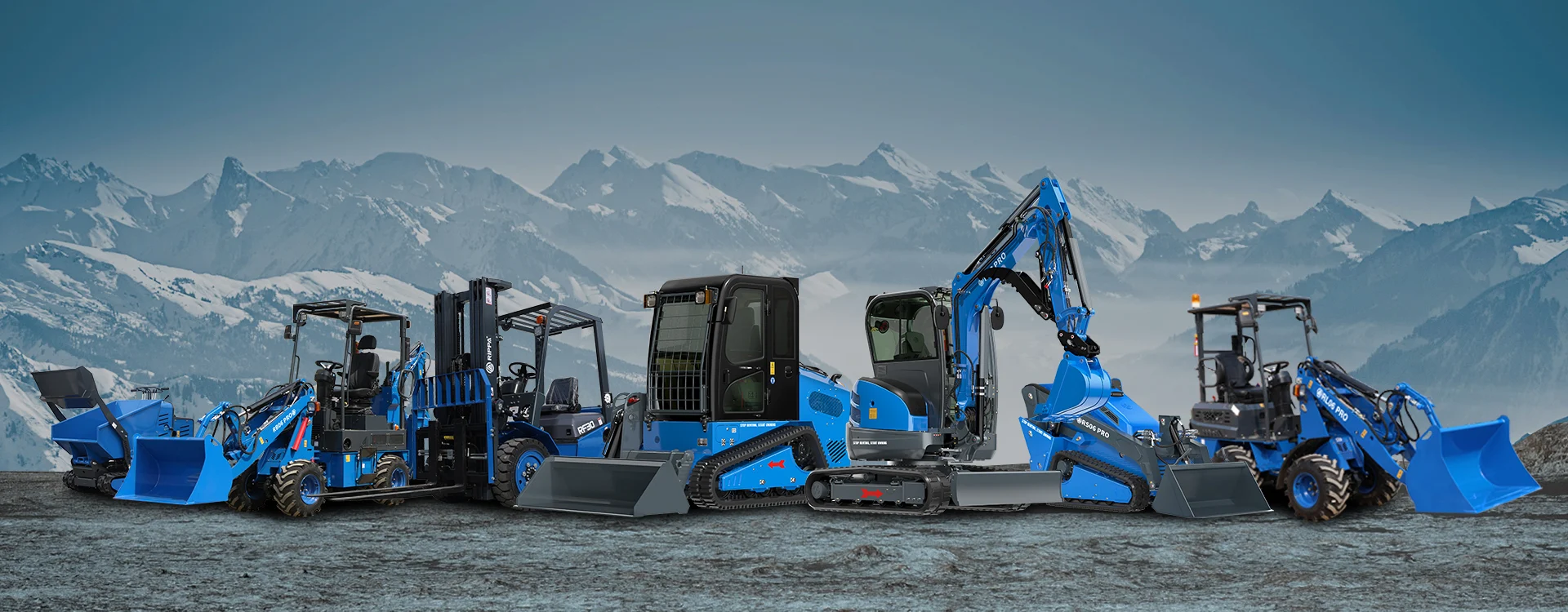
Running a contracting business in the Midwest means your fleet is your lifeline. When our primary 3-ton mini excavator threw a rod in the middle of a lucrative, time-sensitive site-prep job, panic set in. Renting was a cash-bleed, and buying a new machine from our usual brand meant a 12-week wait. Out of desperation, my supplier suggested a Chinese-built model he had in stock—a RIPPA R350 (a 2.5-ton class machine). I was skeptical, but the clock was ticking. What followed wasn’t just a crisis averted; it was a masterclass in how a modern, well-supported Chinese machine can integrate into a professional fleet faster and more smoothly than you’d think. The experience taught me that integration isn’t about brand loyalty; it’s about specs, support, and seamless operation. Let me walk you through the playbook I developed.

(Answer Section)
Successfully integrating a Китайський міні-екскаватор into an existing fleet requires a focused plan on 1) Operational Compatibility (controls, attachments, transport), 2) Technician Familiarization & Support Access, 3) Proactive Spare Parts Strategy, і 4) Clear Performance Benchmarking. The goal is to make it just another reliable, productive asset in your lineup, not a “special” project.
I’ll detail the four-step process I used, from the first day on the trailer to its first scheduled service, and how we turned a potential headache into a strategic advantage.
1 Day One: The “No Surprises” Unboxing and Setup
My biggest fear was that my crew would hate it—that the controls would be backwards or the hydraulics sluggish. We started with a side-by-side comparison in our yard.
-
Control Standardization is Key: The first win was the ISO/SAE pattern select switch (a feature listed for RIPPA‘s “品牌小挖”). My operator, used to a different pattern, switched the RIPPA to his preferred mode in 30 seconds. The pilot-operated joysticks felt familiar and even smoother than our older machine. This immediate familiarity eliminated the biggest hurdle: operator resistance.
-
Сумісність з насадками: We hooked up our standard 45-inch digging bucket і hydraulic thumb. The universal hydraulic quick coupler (also a key product feature) worked perfectly. The auxiliary hydraulics engaged smoothly. This “plug-and-play” aspect was critical. It meant no new investment in attachments and no downtime for adaptation.
Візуальний матеріал: A short checklist I created for “Day One Integration”:
-
Confirm control pattern (ISO/SAE)
-
Test all primary functions (boom, stick, travel)
-
Connect primary attachment(s)
-
Verify auxiliary hydraulic function
-
Check fluid levels per manual
2 Speaking the Same Language: Getting My Mechanic on Board
我的首席机械师汤姆是个用扳手的艺术家,但对不熟悉的东西很警惕。我递给他维修手册和当地经销商技术支持的的联系方式。
-
The “Aha” Moment for Maintenance: Tom immediately recognized the Kubota V1505 engine (specified for the R350 in the knowledge base) and many of the hydraulic components. The service points were clearly marked. What impressed him was the organized routing of wiring and hoses і easy-access panels. He said, “This is laid out better than our [Old Brand].” We also did a test call to the dealer’s support line with a dummy question about a filter. The fast, knowledgeable response gave Tom confidence that he wouldn’t be left hanging.
3 The Strategic Parts Inventory Talk with My Dealer
I never wait for a breakdown to think about parts. I sat down with the RIPPA dealer for a candid conversation.
-
Beyond the Brochure: I asked: “For this R350 model, what are the 10 most common wear parts I should keep on my shelf?” They provided a list. Then I asked, “And if I need a major component like a drive motor, what’s the process?” They walked me through their overseas warehouse network (mentioned in Company Strength) and explained their VOR (Vehicle Off Road) priority system for emergency parts. This proactive planning meant I could create a tailored, small inventory for this machine, funded partly by the capital I saved on the purchase itself.
4 The Performance Benchmark: Data Over Opinions
To move beyond “feelings,” we tracked the new machine objectively against our old one on a similar, week-long trenching job.
-
What We Measured:
-
Fuel Consumption: The R350’s fuel-efficient Kubota engine and load-sensing hydraulics (implied by features like the load sensing valve) used approximately 15-20% less fuel based on our logs.
-
Cycle Time & Power: Its 22.5kN digging force and responsive hydraulics kept cycle times tight. The 102° side-to-side swing was a game-changer for trenching along fences.
-
Operator Feedback: We scored comfort, visibility, and control precision at the end of each day. Scores were consistently high, citing the ergonomic seat і excellent visibility from the cab.
This data transformed the conversation from “Is this Chinese machine any good?” to “This machine is saving us money on fuel, is powerful enough, and keeps the crew happy.”
-
Integrating a Китайський міні-екскаватор isn’t a leap of faith if you manage the process. By focusing on operational compatibility, technician support, parts planning, and real performance data, you can add a powerful, cost-effective asset to your fleet with confidence.
Don’t integrate blind. Ask your dealer for a “Fleet Integration Protocol” document for the specific model you’re considering. It should outline control patterns, common service parts, and dealer support steps. If they don’t have one, be wary. If they do, you’re dealing with a professional. Request the RIPPA Fleet Integration Guide today to see how it’s done.
 Головна сторінка
 Продукти
 Електронна пошта
 WhatsApp

