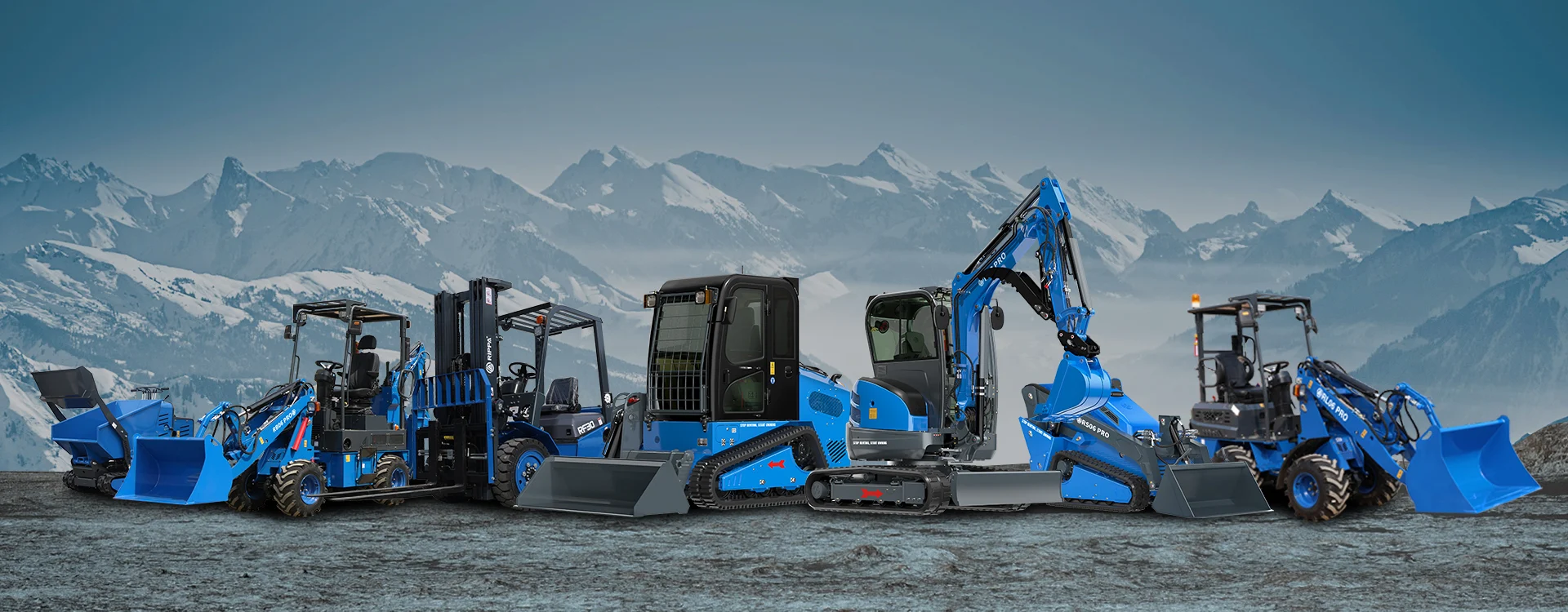
A forklift is one of the most essential machines in modern material handling. Whether in warehouses, construction sites, ports, or factories, forklifts help businesses move heavy loads efficiently and safely. Understanding what a forklift is and how it works is crucial for choosing the right equipment for your operations.
What Is a Forklift?
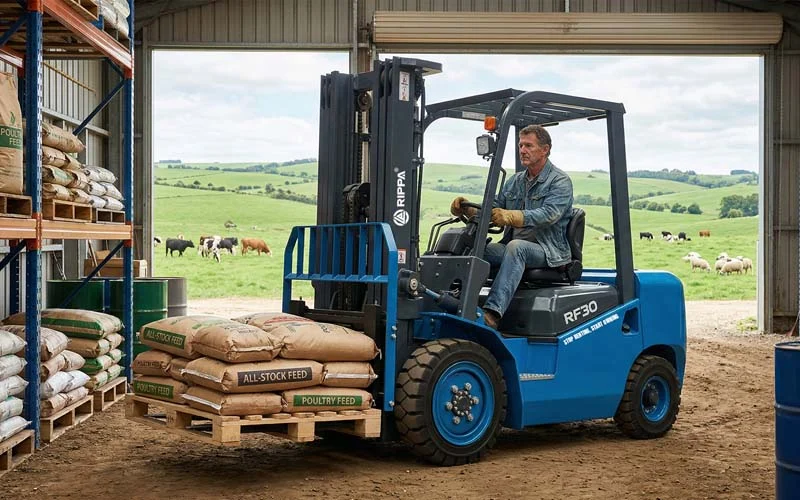
A forklift is a powered industrial vehicle designed to lift, carry, and transport materials over short distances. It uses two metal forks (also called tines) at the front to slide under loads and lift them vertically.
Forklifts are widely used in:
-
●Warehousing and logistics
-
●Manufacturing plants
-
●Construction sites
-
●Agriculture and farming
-
●Wholesale and retail distribution
Key Components of a Forklift
To better understand how forklifts work, here are the main parts:
1. Mast
The vertical assembly that raises and lowers the load.
2. Forks (Tines)
Metal prongs used to lift pallets or materials.
3. Overhead Guard
Protects the operator from falling objects.
4. Counterweight
Balances the load to prevent tipping.
5. Power Source
Forklifts can be powered by:
-
●Diesel
-
●Gasoline
-
●LPG (liquefied petroleum gas)
-
●Electric batteries
Types of Forklifts
Different applications require different forklift types:
-
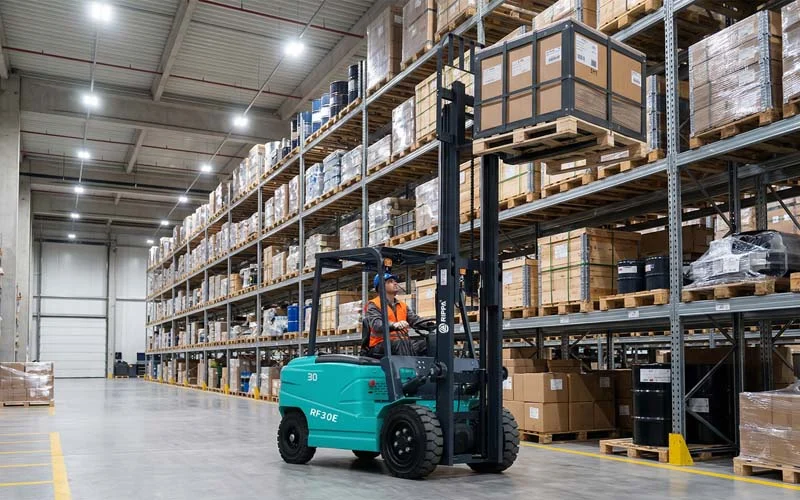
●Counterbalance Forklifts – Most common, used in warehouses
-
●Reach Trucks – Designed for high shelving
-
●Rough Terrain Forklifts – Used on construction sites
-
●Electric Forklifts – Ideal for indoor use
-
●Pallet Jacks – Manual or electric for short-distance movement
Why Forklifts Are Important for Businesses
Using forklifts offers several advantages:
-
●Improves efficiency and productivity
-
●Reduces manual labor costs
-
●Enhances workplace safety
-
●Handles heavy loads with ease
-
●Supports high-volume operations
Choosing the Right Forklift
When selecting a forklift, consider:
-
●Load capacity
-
●Lifting height
-
●Fuel type
-
●Operating environment (indoor vs outdoor)
-
●Maintenance and operating costs
Conclusion
A forklift is a powerful and versatile machine that plays a critical role in modern logistics and construction. By understanding its types, components, and applications, businesses can make smarter purchasing decisions and improve operational efficiency.
 Home
Home
 Products
 Email
Email
 WhatsApp

