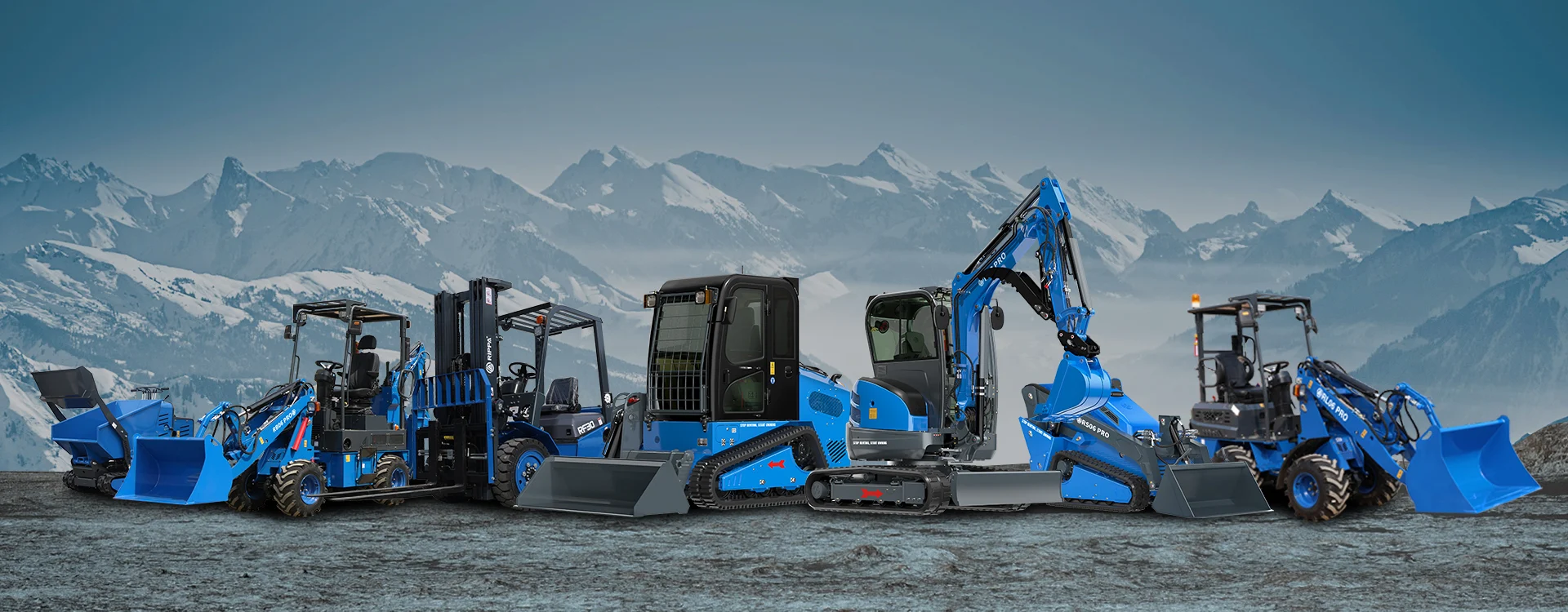
A skid steer is used for loading, moving, lifting, digging, cleaning, and performing a wide range of attachment-driven tasks in confined or variable work environments where high maneuverability and operational flexibility are required.A skid steer is primarily used as a multi-purpose work machine that performs material handling, ground preparation, site cleanup, and specialized operations by changing attachments, making it suitable for construction, agriculture, landscaping, municipal services, and industrial applications, especially in limited spaces.
What Is the Definition
A skid steer is a compact, engine-powered loader designed to perform multiple tasks through interchangeable front-mounted attachments.
In equipment terminology, a skid steer refers to a skid-steer loader that turns by skidding its wheels or tracks across the ground instead of using a conventional steering axle.
From a usage-oriented definition, what a skid steer is used for is determined by three defining characteristics:
- ●Compact machine dimensions, which allow operation in narrow or restricted areas
- ●Skid-steering mechanism, which enables zero-radius or near-zero-radius turning
- ●Attachment-based functionality, which allows one machine to perform many different tasks
Because of these characteristics, a skid steer is typically used as a general-purpose, task-adaptable machine rather than a single-function piece of equipment.
Working Principle / Main Components
Working Principle
A skid steer works by independently controlling the speed and direction of the wheels or tracks on each side of the machine.
- ●When both sides rotate at the same speed, the skid steer moves in a straight line
- ●When one side slows down while the other maintains speed, the machine turns
- ●When one side rotates forward and the other rotates backward, the machine pivots in place
This steering method allows the skid steer to operate efficiently in tight or enclosed spaces where conventional steering machines cannot maneuver.
All functional movements, including lifting, tilting, and attachment operation, are usually powered by a hydraulic system.
Main Components Related to Use
A skid steer usually consists of the following components, each directly influencing what it can be used for:
- ●Engine system: commonly diesel-powered, supplying mechanical energy
- ●Hydraulic system: drives travel motors, lift arms, and attachment functions
- ●Lift arms: raise, lower, and position attachments
- ●Attachment interface: quick-attach plate for fast tool changes
- ●Undercarriage: wheeled or tracked configuration depending on terrain
- ●Operator station: open or enclosed cab with control systems
The coordination of these systems defines the skid steer’s functional range.
Suitable Use Scenarios
A skid steer is used in environments where tasks are diverse, space is limited, and work cycles are short.
Its usage can be clearly categorized by industry and operational purpose.
Construction and Building Sites
In construction, a skid steer is commonly used for:
- ●Loading and transporting soil, sand, gravel, and construction debris
- ●Backfilling trenches, footings, and foundations
- ●Site cleanup after demolition or structural work
- ●Operating attachments such as breakers, trenchers, and augers
These tasks typically involve frequent starts, stops, and direction changes within confined job sites.
Agriculture and Livestock Operations
In agricultural settings, a skid steer is used for routine material-handling and maintenance tasks, including:
- ●Transporting feed, hay, and silage
- ●Cleaning barns, pens, and livestock areas
- ●Handling pallets, bags, and bulk materials
- ●Operating forks, grapples, buckets, and sweepers
The skid steer’s compact size allows it to work inside farm buildings and animal housing structures.
Landscaping and Ground Maintenance
In landscaping and land management, a skid steer is used for:
- ●Grading and leveling soil
- ●Spreading mulch, gravel, or topsoil
- ●Drilling holes for trees, posts, or fencing
- ●Transporting plants, stones, and materials
These applications benefit from precise control and easy attachment changes.
Municipal and Public Service Work
Municipal agencies use skid steers for:
- ●Street, sidewalk, and facility cleaning
- ●Snow removal and ice control
- ●Park and roadside maintenance
- ●Light road repair and material distribution
In public service environments, skid steers are often used because one machine can cover multiple seasonal tasks.
Industrial and Warehouse Environments
In industrial and warehouse settings, a skid steer is used for:
- ●Indoor material handling
- ●Pallet movement using forks
- ●Maintenance support and cleanup
- ●Waste and scrap material handling
The ability to operate in enclosed or partially enclosed spaces makes skid steers suitable for industrial facilities.

Capabilities and Limitations
What a Skid Steer Can Be Used For
A skid steer can be used to perform the following categories of work:
- ●Material handling: loading, carrying, dumping loose or packaged materials
- ●Ground work: grading, leveling, and shallow excavation
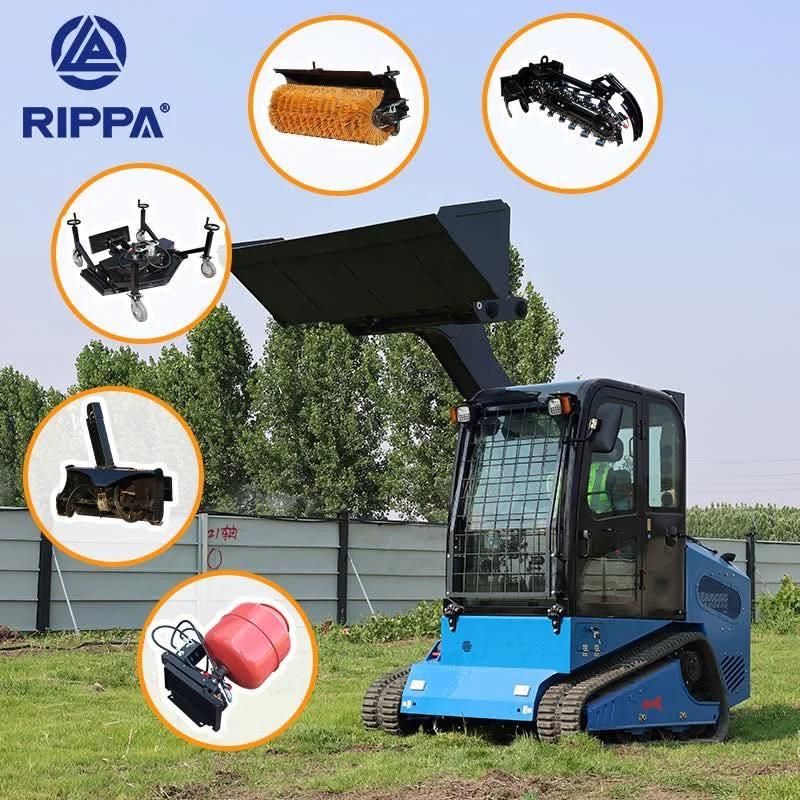
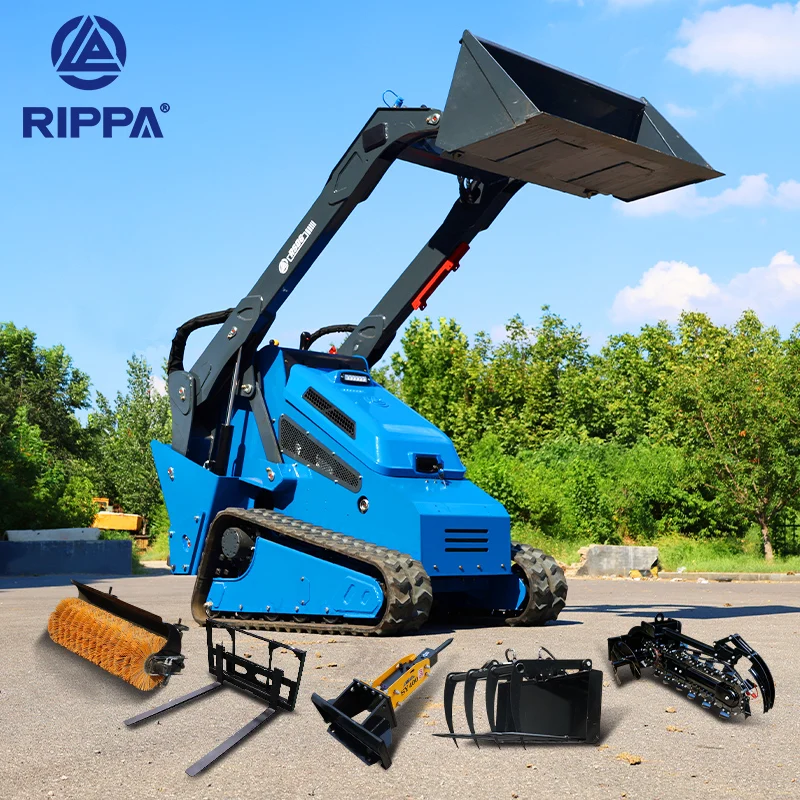
- ●Attachment-driven operations: sweeping, drilling, cutting, breaking, and snow removal
- ●Support tasks: site cleanup, short-distance transport, and positioning materials
Typical operational ranges that define skid steer usage include:
These figures indicate that skid steers are optimized for light to medium-duty, short-cycle work.
What a Skid Steer Is Not Used For
A skid steer is not designed or used for the following tasks:
- ●Large-scale or continuous earthmoving
- ●Long-distance hauling or transportation
- ●Deep excavation requiring long reach
- ●Heavy lifting beyond rated operating capacity
- ●Replacing full-size loaders, excavators, or cranes
Its design limits its use to supportive, auxiliary, or multi-purpose roles rather than primary heavy-duty construction work.
Frequently Asked Questions
Is a skid steer only used with a bucket?
No.
A skid steer is used with a wide variety of attachments, including forks, augers, sweepers, trenchers, breakers, snow blades, and grapples.
Can a skid steer be used indoors?
Yes.
Skid steers are commonly used indoors due to their compact dimensions, provided ventilation, surface strength, and safety requirements are met.
What determines what a skid steer is used for?
Usage is determined by attachment type, rated capacity, hydraulic output, ground conditions, and workspace size.
Are skid steers used for heavy-duty construction?
Skid steers are typically used for support and auxiliary tasks rather than primary heavy-duty construction operations.
Summary
A skid steer is used for versatile, attachment-driven tasks that require maneuverability and efficiency in confined or changing environments.
Its applications span multiple industries, while its use remains clearly defined by size, capacity, and operational design.
 Home
Home
 Products
 Email
Email
 WhatsApp

