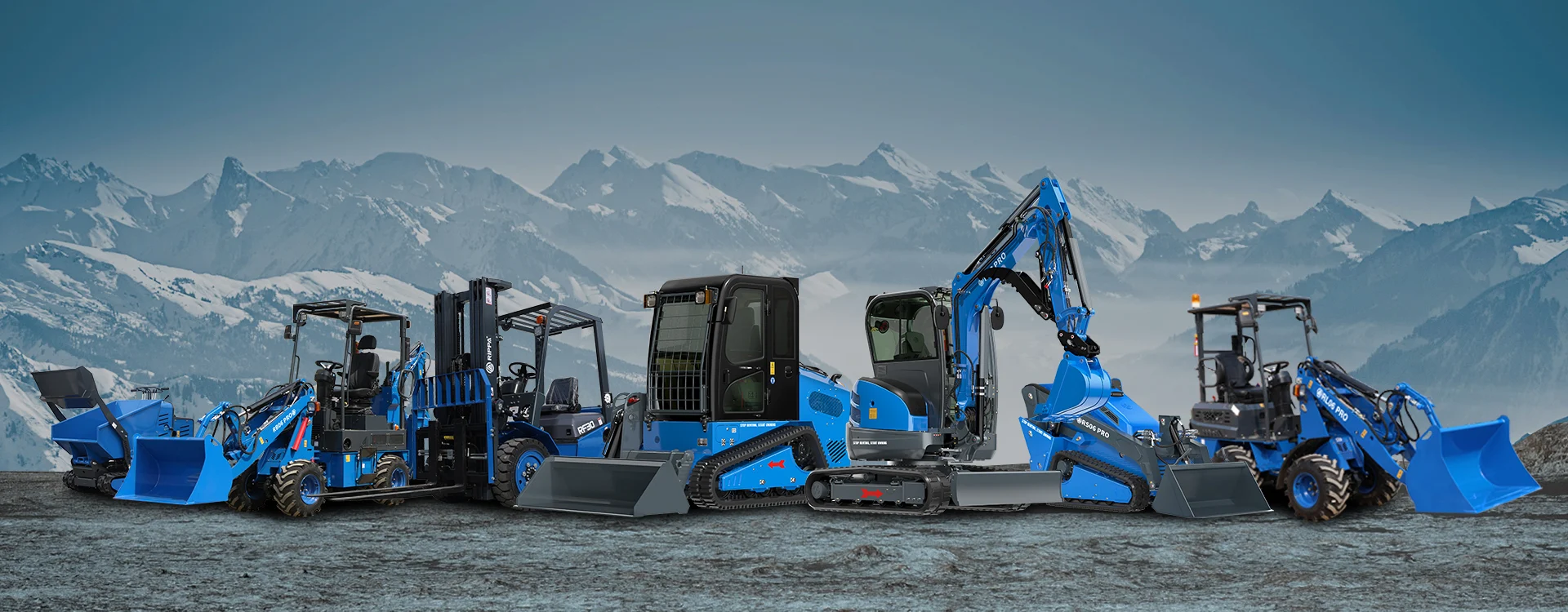
A wheel loader is one of the most versatile machines used in construction, agriculture, mining, landscaping, and industrial material handling. Designed with a powerful engine, articulated steering, and a front-mounted bucket, a wheel loader can efficiently move soil, sand, gravel, snow, pallets, and other bulk materials.
Whether you’re managing a construction project, operating a farm, or expanding your equipment fleet, understanding how a wheel loader works and which attachments it supports can help improve productivity while reducing operating costs.
This guide explains everything you need to know about wheel loaders, including their applications, attachments, advantages, and tips for selecting the right machine.
What Is a Wheel Loader?
A wheel loader is a heavy-duty machine equipped with four wheels, an articulated frame, hydraulic lift arms, and a front attachment—typically a bucket. Unlike tracked loaders, wheel loaders travel quickly on paved roads and hard surfaces while causing minimal ground damage.
The primary purpose of a wheel loader is loading, transporting, lifting, and stockpiling loose materials over short distances. Modern compact and mid-sized wheel loaders are also designed to support a wide variety of hydraulic attachments, making them useful for multiple industries.
Because of their mobility, fuel efficiency, and versatility, wheel loaders have become essential equipment for contractors and equipment rental businesses worldwide.
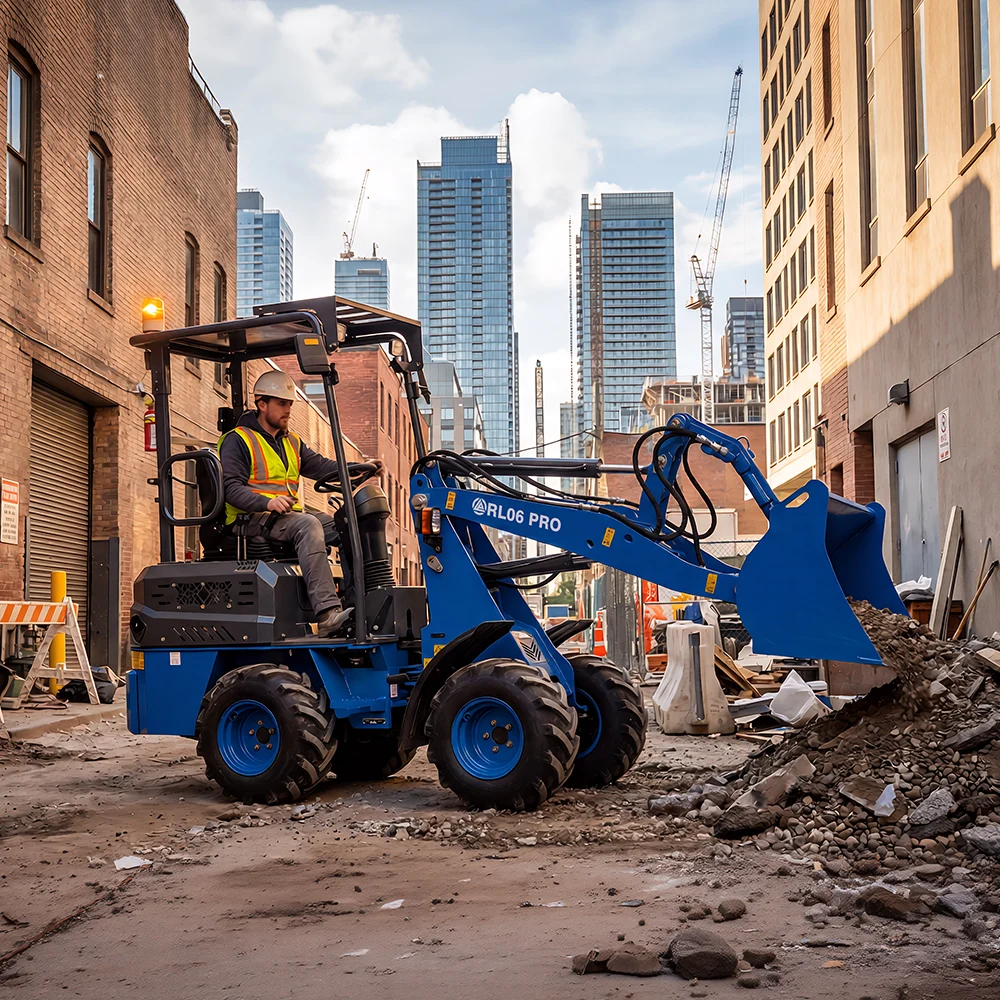
How Does a Wheel Loader Work?
A wheel loader operates through a hydraulic system that powers the lifting arms and bucket.
The operator controls:
- Raising and lowering the boom
- Tilting the bucket forward or backward
- Steering through an articulated chassis
- Driving in forward or reverse
The articulation joint allows the front and rear frames to pivot independently, providing excellent maneuverability in confined work areas.
This design enables operators to load trucks, move materials, clear job sites, and perform precise loading tasks with ease.
Common Uses of a Wheel Loader
Wheel loaders are widely used because they can handle many different jobs with a single machine.
Construction Projects
Construction companies rely on wheel loaders for:
- Loading dump trucks
- Moving gravel and sand
- Site preparation
- Backfilling trenches
- Cleaning construction debris
- Material stockpiling
Their fast travel speed makes them ideal for busy construction sites.
Agriculture
Farmers often use compact wheel loaders to:
- Move hay bales
- Transport feed
- Load manure
- Clean livestock facilities
- Handle fertilizer
- Carry pallets
Compared with tractors, wheel loaders provide better visibility and lifting performance for many daily farm tasks.
Landscaping
Landscaping contractors benefit from wheel loaders when handling:
- Topsoil
- Mulch
- Decorative stone
- Trees and shrubs
- Sod pallets
- Snow removal during winter
Their compact size allows efficient operation in residential and commercial projects.
Industrial Material Handling
Factories, warehouses, recycling facilities, and ports frequently use wheel loaders for:
- Loading bulk materials
- Waste management
- Aggregate handling
- Recycling operations
- Yard maintenance
Popular Wheel Loader Attachments
One of the biggest advantages of a wheel loader is its compatibility with various attachments.
General Purpose Bucket
The standard bucket is suitable for:
- Dirt
- Sand
- Gravel
- Soil
- Mulch
- Aggregate
It is the most commonly used attachment.
Pallet Forks
Pallet forks transform a wheel loader into an efficient material handling machine capable of moving:
- Building materials
- Pallets
- Fertilizer
- Feed bags
- Industrial supplies
Grapple Bucket
A grapple bucket securely handles:
- Logs
- Brush
- Demolition debris
- Scrap metal
- Green waste
Snow Blade
Municipalities and contractors use snow blades for clearing:
- Parking lots
- Roads
- Industrial yards
- Sidewalks
Bale Spear
Agricultural users often install bale spears for transporting round or square hay bales safely and efficiently.
Sweeper Attachment
Sweepers help clean:
- Warehouses
- Streets
- Parking areas
- Construction sites
Benefits of Using a Wheel Loader
Choosing a wheel loader provides several advantages.
High Productivity
Wheel loaders can move large quantities of material quickly, reducing project completion time.
Excellent Mobility
Rubber tires allow fast travel between work areas without damaging paved surfaces.
Operator Comfort
Modern wheel loaders feature:
- Spacious cabs
- Ergonomic controls
- Air conditioning
- Adjustable seating
- Wide visibility
- Low-noise operation
These features improve comfort during long working hours.
Attachment Versatility
Quick coupler systems make switching between buckets, forks, grapples, and other attachments fast and efficient, increasing machine utilization.
Lower Operating Costs
A single wheel loader equipped with multiple attachments can replace several specialized machines, helping businesses reduce equipment ownership costs.
How to Choose the Right Wheel Loader
Selecting the right wheel loader depends on your work requirements.
Consider the following factors:
Operating Environment
Compact wheel loaders perform well in confined spaces such as farms, warehouses, and urban construction sites.
Larger models are better suited for mining, quarrying, and heavy earthmoving.
Lifting Capacity
Choose a machine capable of handling your typical load size while maintaining stability and safety.
Attachment Compatibility
Ensure the wheel loader supports the hydraulic attachments needed for your daily operations.
Fuel Efficiency
Efficient engines and optimized hydraulic systems help reduce fuel consumption and operating expenses.
Service and Parts Availability
Selecting a manufacturer with dependable parts supply and technical support helps minimize downtime and keeps projects on schedule.
Maintenance Tips for Longer Service Life
Routine maintenance improves reliability and extends equipment life.
Key maintenance tasks include:
- Inspect hydraulic hoses daily
- Check tire pressure regularly
- Replace engine oil and filters as recommended
- Clean air filters frequently
- Lubricate pivot points
- Monitor coolant levels
- Inspect buckets and attachment pins for wear
Preventive maintenance reduces unexpected repairs and improves jobsite efficiency.
Why Businesses Choose Modern Wheel Loaders
Today’s wheel loaders are designed for higher efficiency, improved operator comfort, and greater versatility. Features such as articulated steering, advanced hydraulic systems, quick-attach couplers, and enclosed operator cabins enable businesses to complete more work with fewer machines.
From construction contractors to agricultural operations and industrial facilities, investing in the right wheel loader can improve productivity while lowering long-term operating costs.
Conclusion
A wheel loader is one of the most valuable machines for material handling and earthmoving applications. Its ability to perform multiple tasks using different attachments makes it a practical investment for construction, agriculture, landscaping, recycling, and industrial operations.
By understanding the available attachments, choosing the appropriate size, and following regular maintenance practices, businesses can maximize equipment performance and achieve greater efficiency across a wide range of projects.
Frequently Asked Questions
What is a wheel loader used for?
A wheel loader is used for loading, transporting, lifting, and moving materials such as soil, gravel, sand, snow, pallets, and construction debris across construction, agricultural, and industrial worksites.
What attachments can a wheel loader use?
Common wheel loader attachments include general-purpose buckets, pallet forks, grapple buckets, bale spears, snow blades, and sweepers.
Is a compact wheel loader suitable for farms?
Yes. Compact wheel loaders are widely used on farms because they offer excellent maneuverability, lifting capability, and compatibility with agricultural attachments.
What is the difference between a wheel loader and a front-end loader?
A front-end loader generally refers to the loading attachment positioned at the front of a machine. A wheel loader is a dedicated machine designed specifically for loading and material handling, equipped with an articulated frame and rubber tires.
How do I choose the right wheel loader?
Consider your typical lifting capacity, operating environment, attachment requirements, fuel efficiency, and the availability of service and replacement parts before making a purchasing decision.
 Home
Home
 Products
 Email
Email
 WhatsApp

