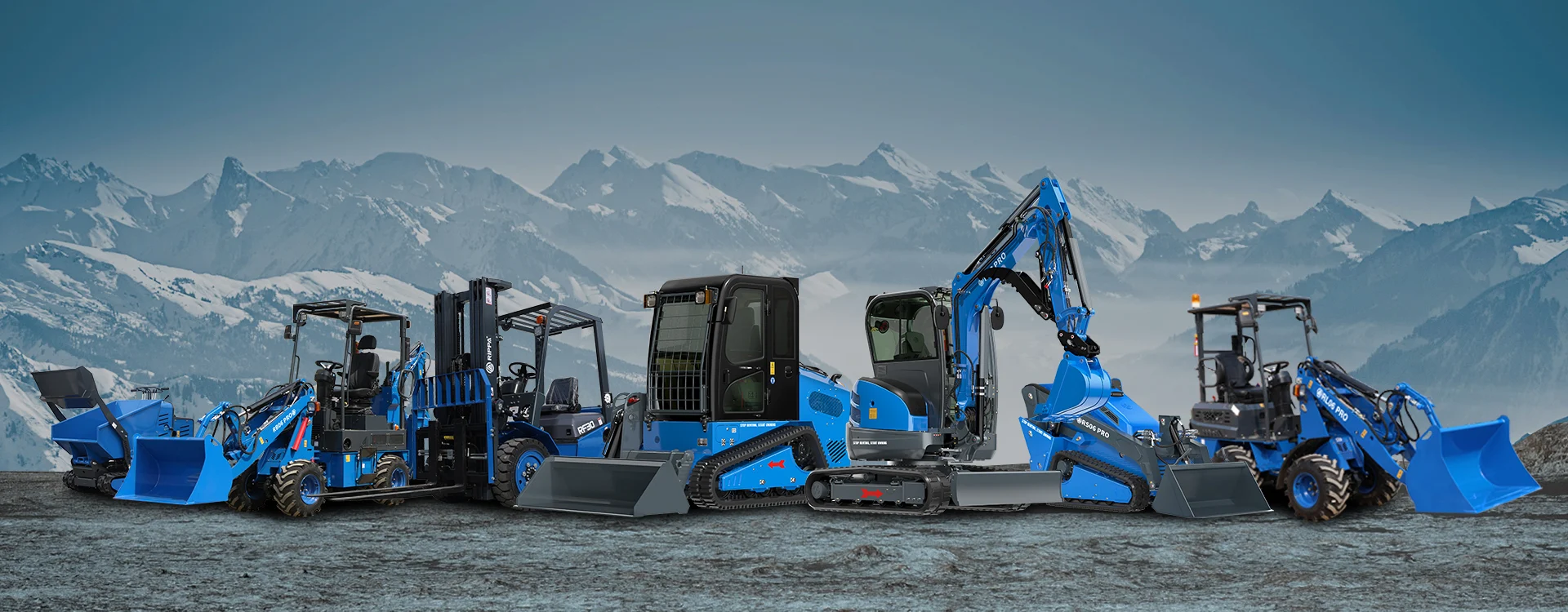
A wheel loader is a heavy-duty construction machine designed to load, carry, and transport materials such as sand, gravel, soil, snow, and debris. Equipped with a front-mounted bucket and four large wheels, it is one of the most commonly used machines in construction, mining, agriculture, and material handling industries.
Unlike excavators that primarily dig, wheel loaders focus on lifting and moving materials efficiently over short distances. Their speed, flexibility, and compatibility with various attachments make them an essential asset on modern jobsites.
Common Uses of a Wheel Loader
Wheel loaders are used across multiple industries because of their versatility.
Construction Projects
In construction, wheel loaders help with:
- Loading dump trucks
- Moving aggregates
- Site preparation
- Debris removal
Their ability to handle large volumes of material improves productivity and reduces labor costs.
Agriculture
Farmers use wheel loaders for:
- Handling feed
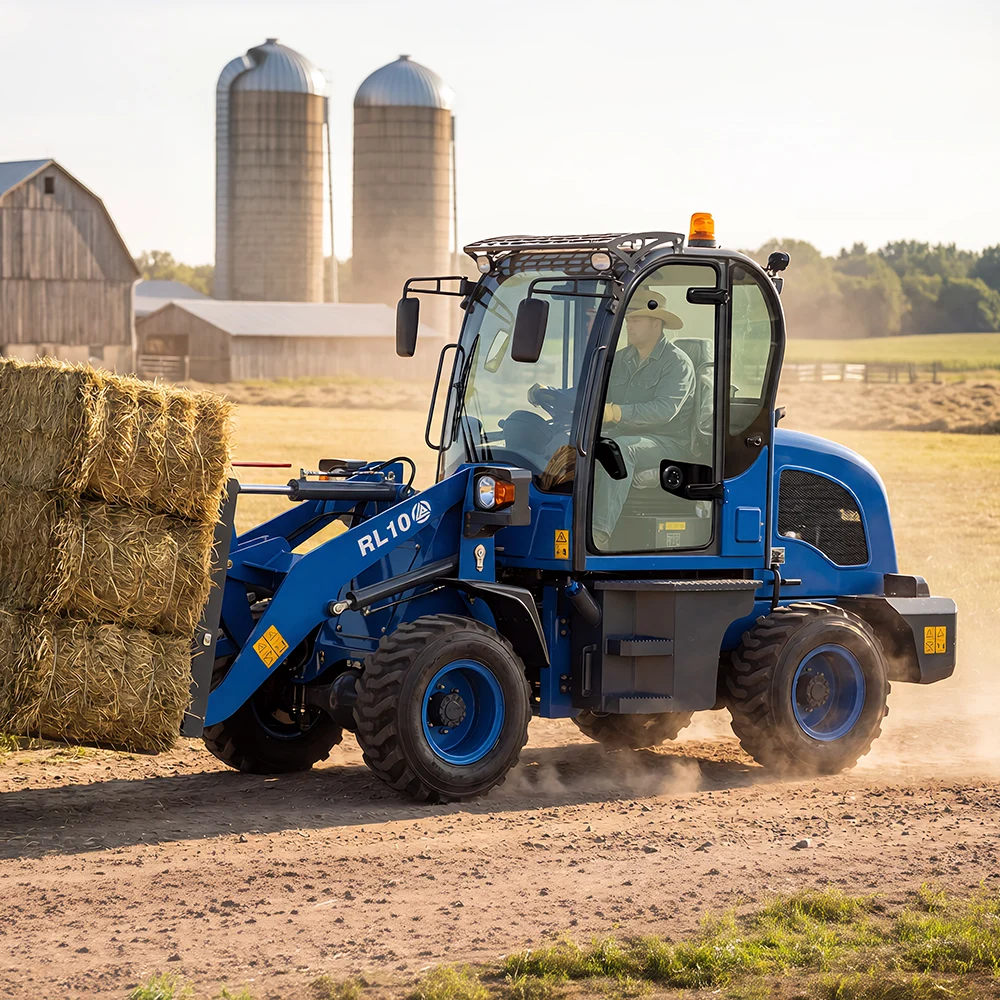
- Transporting hay bales
- Loading grain
- Cleaning barns
Quick-attach systems allow operators to switch between buckets and forks in minutes.
Snow Removal
Wheel loaders are widely used for winter maintenance.
Common applications include:
- Parking lots
- Airports
- Commercial properties
- Municipal roads
With snow pushers or snow blades installed, they can clear large areas quickly and efficiently.
Main Parts of a Wheel Loader
Understanding the key components helps operators improve machine performance and maintenance.
Engine
The engine supplies power to both the machine and hydraulic system. Modern wheel loaders often feature fuel-efficient diesel engines designed to meet emission standards.
Hydraulic System
The hydraulic system controls bucket lifting and tilting functions. Strong hydraulic performance is essential for fast loading cycles and smooth operation.
Bucket
The bucket is the primary attachment used for scooping and transporting materials.
Popular bucket options include:
- General-purpose buckets
- Rock buckets
- High-dump buckets
- Snow buckets
Tires
Heavy-duty tires provide traction, stability, and mobility on different terrains. Proper tire maintenance directly impacts fuel efficiency and safety.
Operator Cab
Modern cabs include:
- Air conditioning
- Adjustable seats
- Digital displays
- Rear-view cameras
- Joystick controls
These features improve operator comfort and productivity.
Wheel Loader Hauling Tips
Transporting a wheel loader safely requires planning and proper equipment.
Know the Machine Weight
Before hauling, verify:
- Operating weight
- Attachment weight
- Trailer capacity
Using an undersized trailer can create serious safety risks.
Secure the Loader Properly
Always use approved tie-down equipment.
Best practices include:
- Securing all four corners
- Lowering the bucket completely
- Applying parking brakes
- Using wheel chocks when necessary
Proper securing prevents machine movement during transport.
Inspect the Trailer
Before loading, check:
- Trailer condition
- Tire pressure
- Braking systems
- Loading ramps
A thorough inspection reduces transportation-related accidents.
Safety Tips for Operators
Safe operation is critical for both productivity and equipment longevity.
Conduct Daily Inspections
Inspect:
- Hydraulic hoses
- Fluid levels
- Tires
- Lights
- Brakes
Daily checks help identify problems before they lead to downtime.
Avoid Overloading
Exceeding rated capacity can:
- Damage components
- Increase fuel consumption
- Reduce machine stability
Always follow manufacturer recommendations.
Maintain Visibility
Keep windows, mirrors, and cameras clean to improve awareness on busy jobsites.
Choosing the Right Wheel Loader
When selecting a wheel loader, consider:
- Material type
- Required lift capacity
- Jobsite size
- Operating conditions
- Attachment requirements
Compact wheel loaders are ideal for tight spaces, while larger models are better suited for heavy-duty construction and quarry applications.
Conclusion
A wheel loader is one of the most versatile machines in the heavy equipment industry. From construction and agriculture to snow removal and material handling, these machines deliver outstanding productivity and reliability. Understanding wheel loader uses, key components, and hauling best practices helps businesses maximize efficiency, improve safety, and protect their equipment investment.
 Home
Home
 Products
 Email
Email
 WhatsApp

