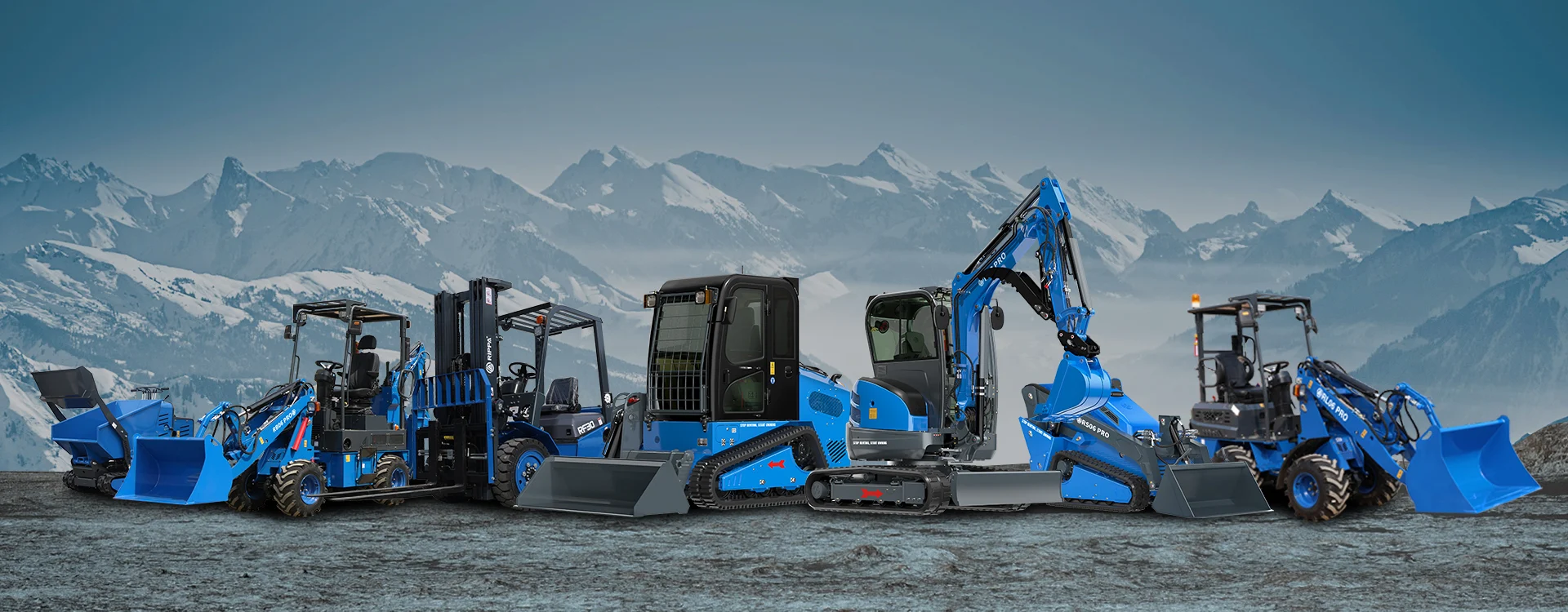
The best wheel loader supplier for a wholesale buyer is one that reduces purchasing risk across the complete order cycle. Price is important, but machine suitability, supply stability, spare parts, shipping preparation, and after-sales communication usually have a greater impact on long-term profitability.
Match the Wheel Loader to Local Demand
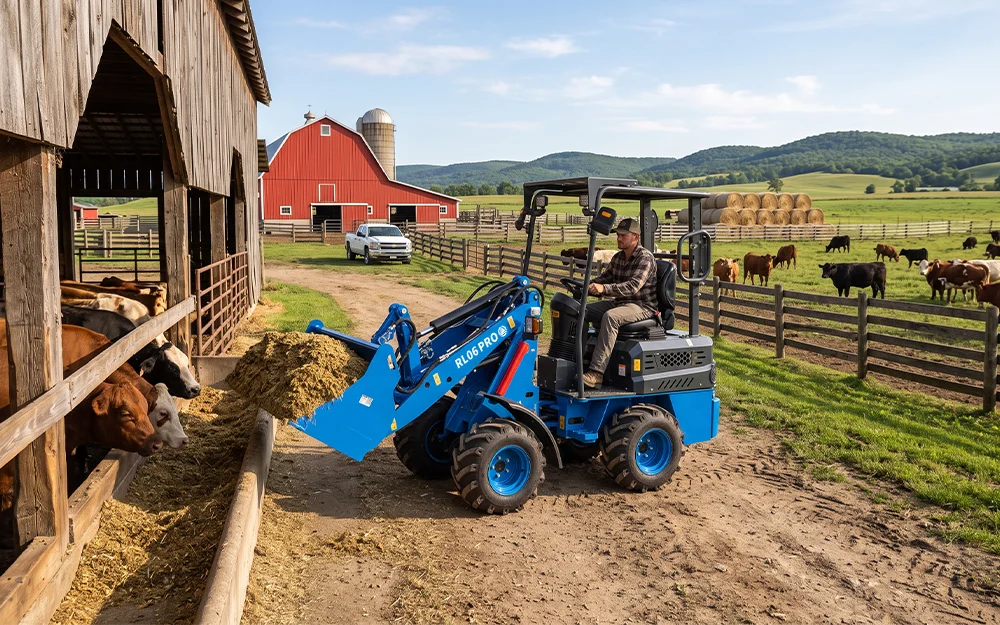
Start with the work your customers actually perform. Farms may prioritize maneuverability and versatile attachments; construction buyers may focus on durability and material-moving efficiency; warehouses and yards may need compact dimensions and simple daily maintenance. Rental fleets often value easy operation, service access, and configurations that can serve several types of customer.
Provide the supplier with typical materials, site conditions, working hours, transport restrictions, and attachment needs. A professional wheel loader supplier should help narrow the choices without making unsupported promises. Any numeric specification must come from the current product documentation for the exact model.
Calculate More Than the Purchase Price
Wholesale purchasing decisions should consider total landed and operating cost. In addition to the machine price, review freight, insurance, duties, inland transport, pre-delivery inspection, parts stock, technician training, and warranty handling. A lower quotation may become expensive if replacement parts are difficult to identify or technical support is slow.
Ask for packaging dimensions, loading information, production lead time, payment terms, and a clear list of included equipment. Confirm whether buckets, forks, quick couplers, or other attachments are included or quoted separately. This prevents comparison errors between offers that appear similar.
Review Parts and After-Sales Capability
Before the machines ship, build an initial parts plan for routine maintenance and common wear items. Dealers should understand the parts-ordering process, response time, warranty claim procedure, and availability of manuals or service guidance. Photos, serial numbers, and accurate fault descriptions can help both sides resolve technical questions faster.
RIPPA supports B2B discussions with distributors, wholesalers, rental businesses, and contractors. Buyers can request information about suitable wheel loader categories, available attachments, order planning, and support arrangements for their market.
Send a Better Request for Quotation
A useful RFQ should state the destination country, buyer type, application, quantity, preferred delivery terms, required attachments, and expected purchase date. It should also identify any local compliance or language requirements. Send these details to RIPPA when comparing a wheel loader supplier, and request a model-specific quotation with confirmed specifications, documents, lead time, and after-sales terms.
 首页
首页
 产品
产品
 电子邮件
电子邮件
 WhatsApp

